
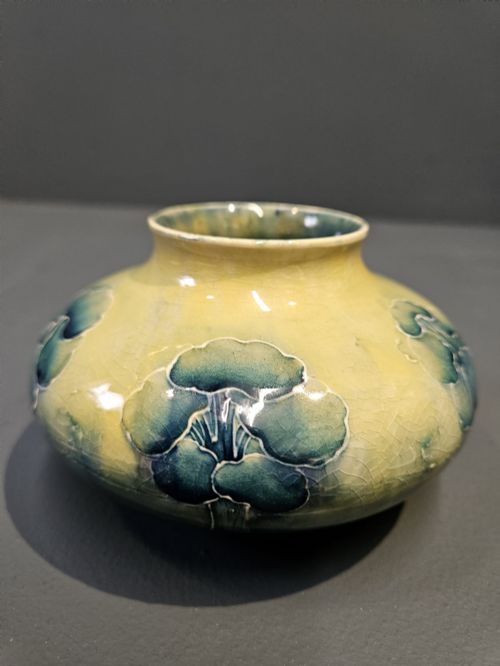
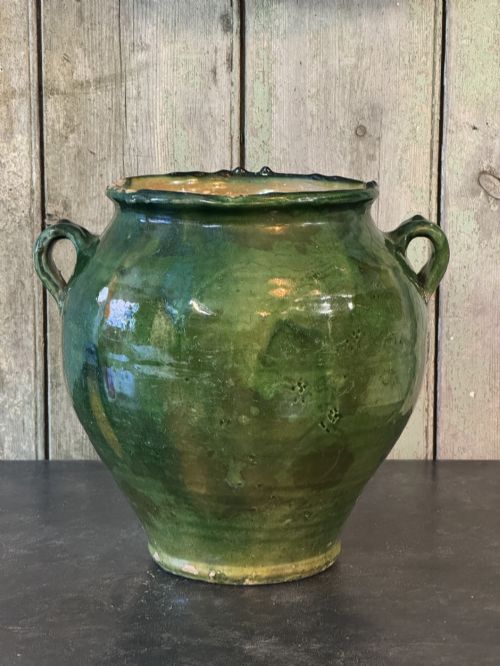
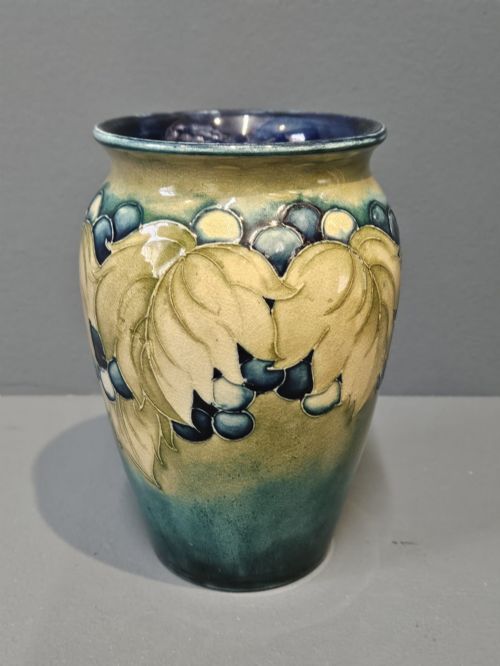
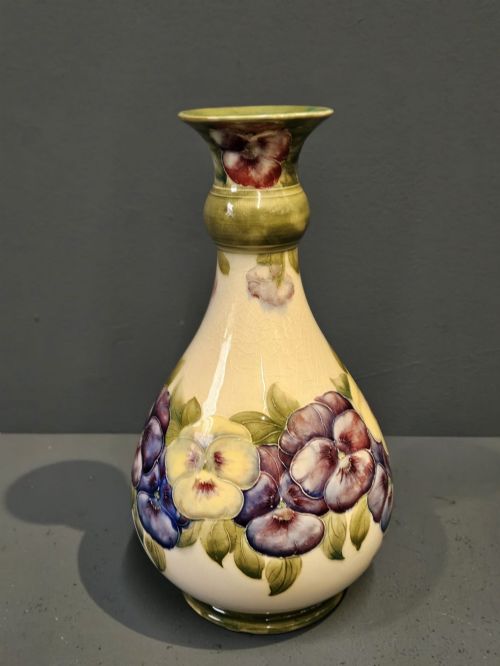
Green Glaze Ceramic Vase
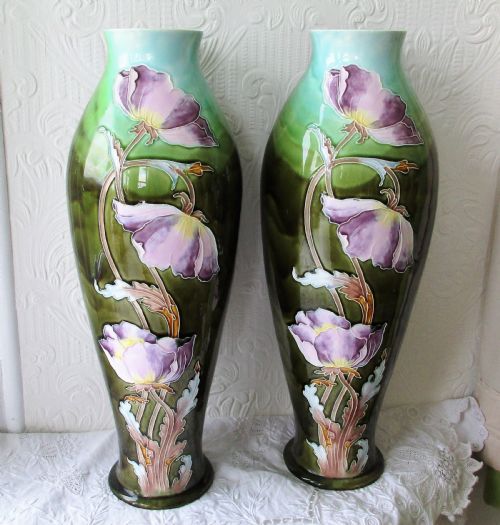
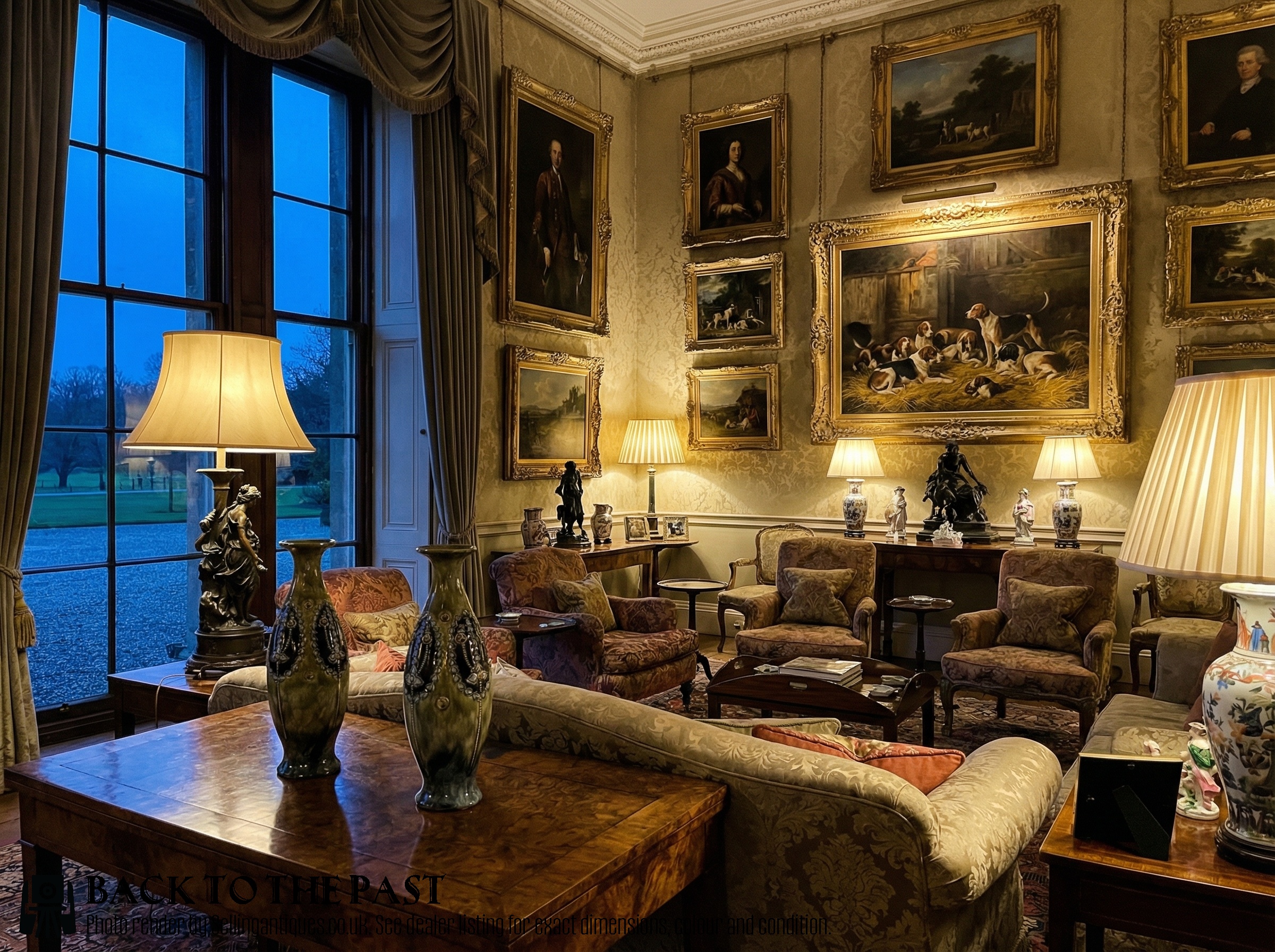
These green glaze ceramic vases bring rich colour and tactile surfaces to a room, ranging from fluid Art Nouveau curves to robust Victorian earthenware.
Green Glaze Ceramic Vase
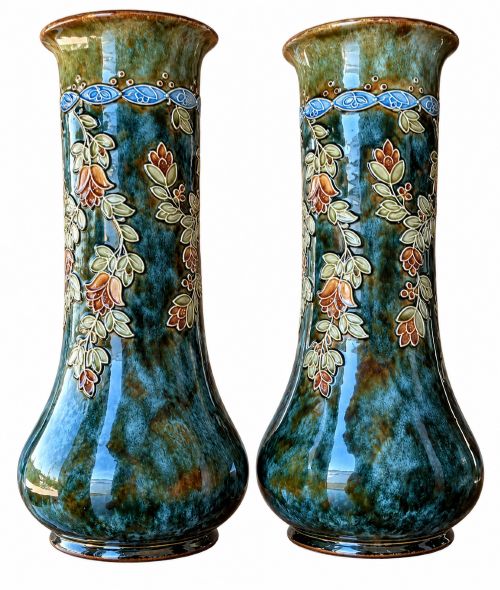
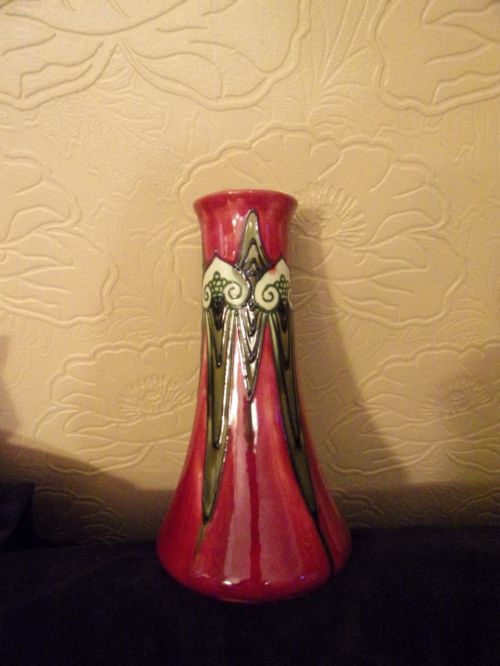
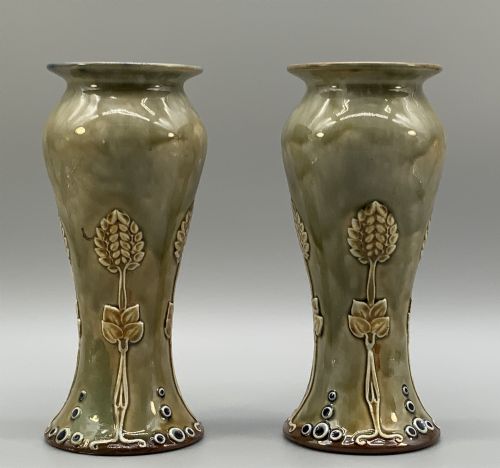
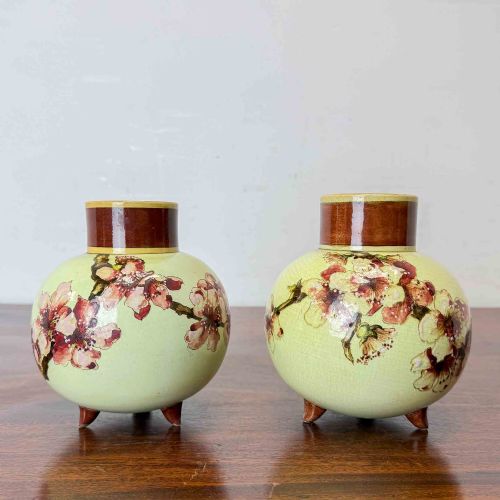
When you search for a green glaze ceramic vase, you find vessels formed from clay and coated in lustrous green finishes, spanning centuries of global pottery traditions. The examples available here encompass nineteenth-century Staffordshire figures, French confit pots, and studio pottery from renowned British workshops.
Most pieces date from the Victorian and Edwardian eras, flourishing through the Arts and Crafts and Art Nouveau movements. Forms range from utilitarian jars and spill vases to monumental baluster vessels and decorative ewers.
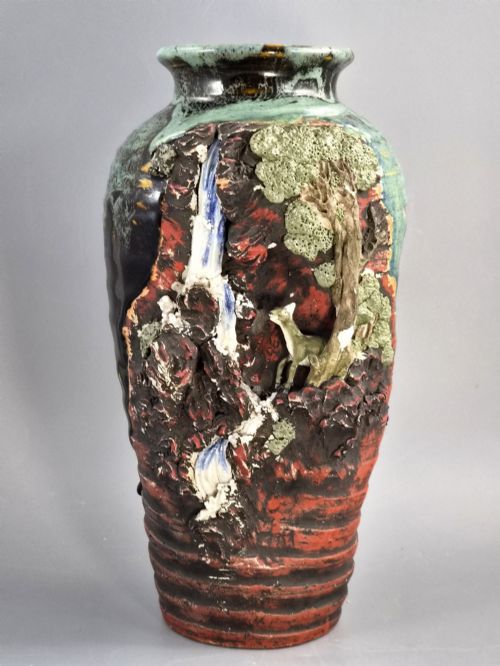
Makers from Britain, France, Hungary, Japan, and China appear across the selection, demonstrating diverse regional interpretations of green glazes. Buyers encounter everything from tube-lined earthenware to celadon porcelain and salt-glazed stoneware.
How they were made
Potters shaped these vessels using earthenware, stoneware, terracotta, and porcelain, applying liquid clay bodies on the wheel or in moulds. Artisans then enriched the surfaces with enamel, majolica, and specialised green glazes that pooled in recesses during firing.
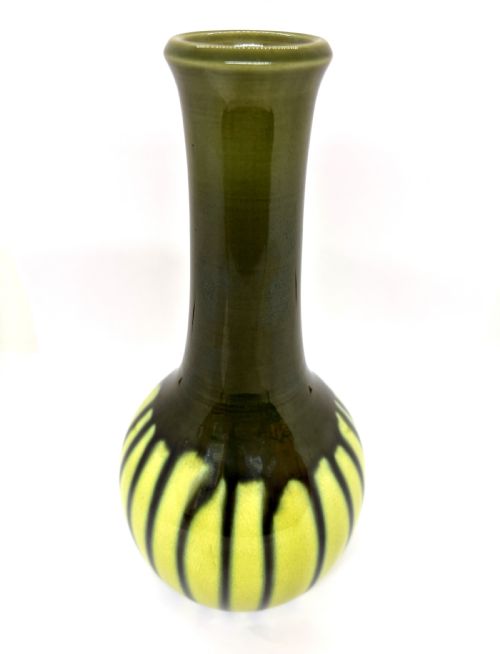
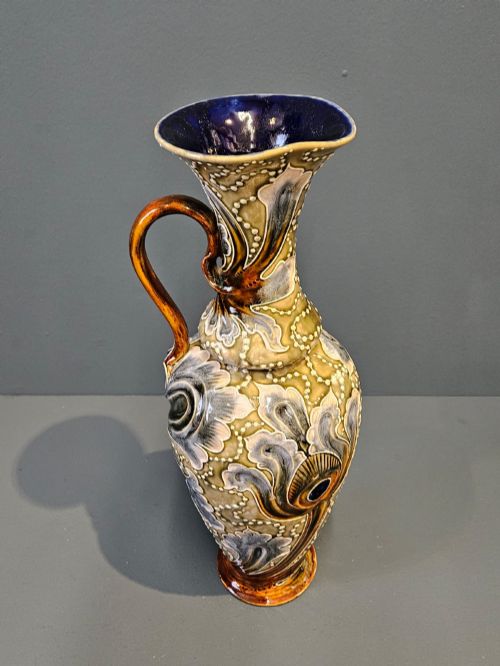
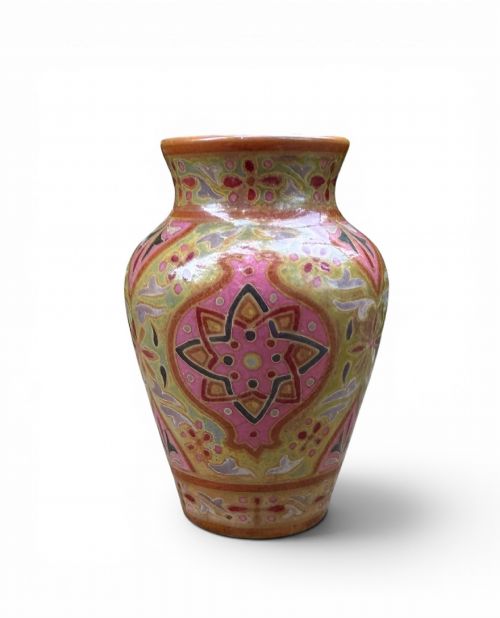
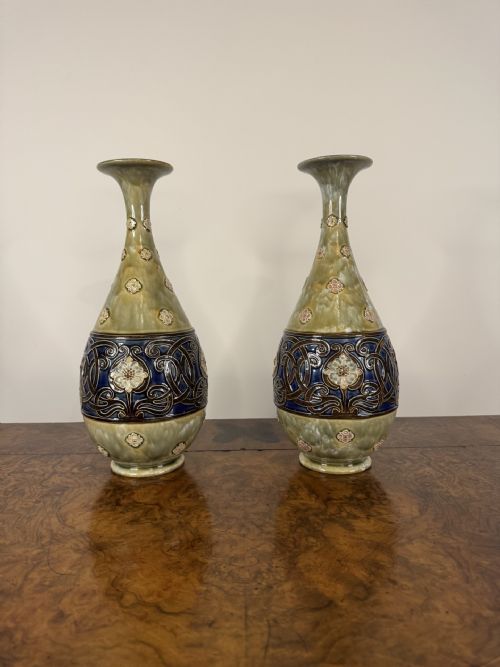
Techniques such as tube-lining created raised outlines to hold vibrant colour, while lustre glazes added metallic sheens. Kiln temperatures determined the final depth of the glaze, producing everything from mottled green finishes to clear celadon tones.
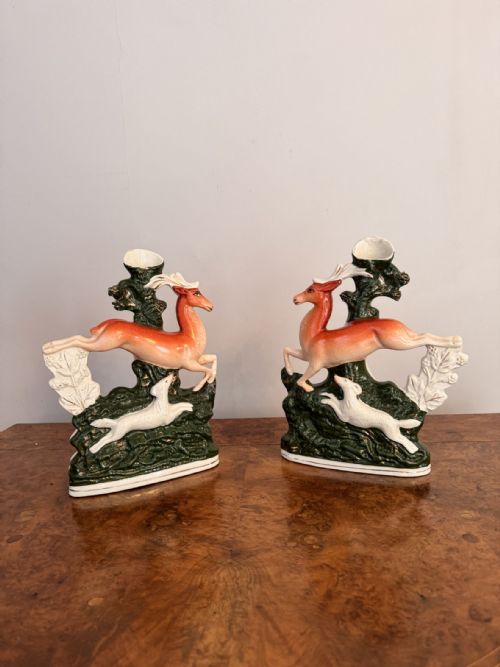
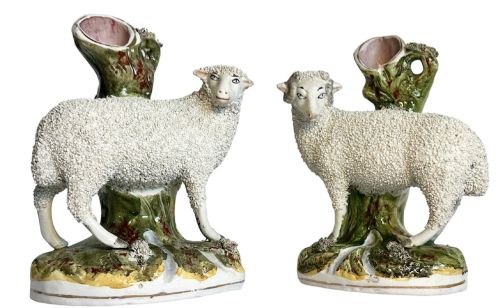
Several sheep and deer find themselves immortalized as ceramic spill vases, keeping watch over mantelpieces with unblinking Victorian poise.
What varies in quality
Quality rests in the harmony between the ceramic form and the chemical behaviour of the glaze. Superior pieces display deliberate control over fluid colour runs and crispness in moulded or hand-modelled details.
The reputation of the pottery and the individual hand of the decorator elevate certain pieces above standard production wares. Strong definition in tube-lined motifs and balanced proportions separate exceptional studio outputs from ordinary vessels.
Royal Doulton·Minton Secessionist·Moorcroft·Burmantofts Pottery·Zsolnay Pecs·Makuzu Kozan·Ulisse Cantagalli·Royal Lancastrian
The Green Glaze Ceramic Vase Glossary
- Celadon glaze
- A pale green transparent glaze originating in Asia, imitating jade and prized for its subtle, jade-like crackle and depth.
- Spill vase
- A small hollow cylindrical vessel designed to hold taper candles or wooden spills used for lighting fires and lamps.
- Earthenware
- Porous pottery fired at lower temperatures, requiring a vitreous glaze to ensure it holds liquids.
- Stoneware
- Dense, impermeable ceramic fired at high temperatures until the clay body vitrifies naturally without heavy glazing.
- Majolica
- Tin-glazed earthenware decorated with brightly coloured metal oxides painted directly onto an opaque white glaze.
- Tube-lining
- A decorative technique where liquid clay is squeezed through a nozzle onto a vessel to form raised outlines for colour.
Green Glaze Ceramic Vase: Frequently Asked Questions
How do I clean a glazed ceramic vase?
Dust the surface gently with a soft dry cloth to protect the glaze and any delicate painted details.
Avoid submerging antique ceramics in water, especially pieces with earthenware bodies or exposed clay bases.
Are these green vases waterproof?
Stoneware and fully glazed porcelain pieces generally hold water safely for fresh botanical displays.
Earthenware and porous confit vessels may seep moisture, so place a small glass liner inside before adding water.
How do I identify an Art Nouveau vase?
Look for organic, flowing lines inspired by natural forms like plant stems, seed pods, and blossoms.
These pieces often feature stylized floral motifs paired with drip or mottled green glazes characteristic of the period.
What is the difference between stoneware and earthenware?
Stoneware fires at much higher temperatures, vitrifying the clay body until it becomes completely impermeable and dense.
Earthenware remains porous after firing and requires a complete glaze coating to seal the clay against moisture.