


Green Ceramic Statue
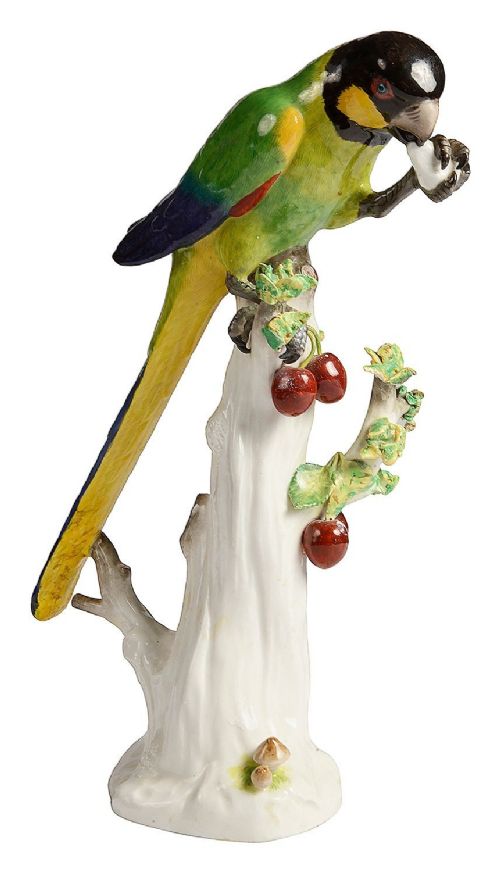
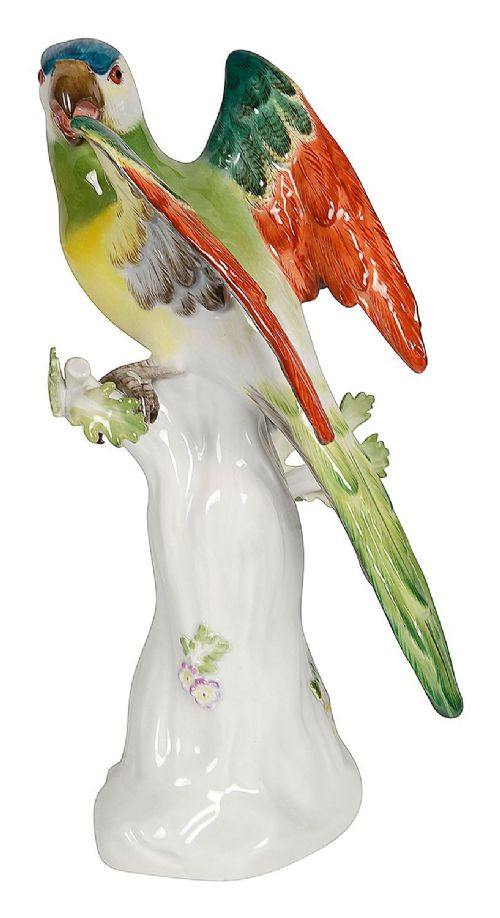
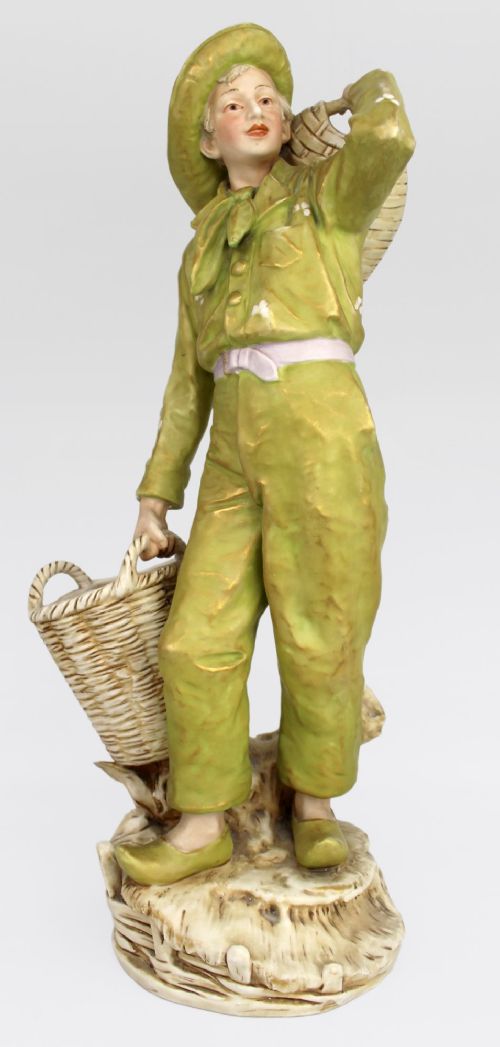
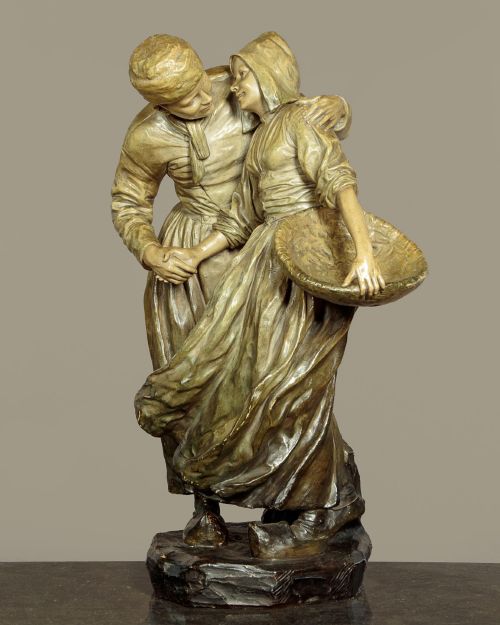
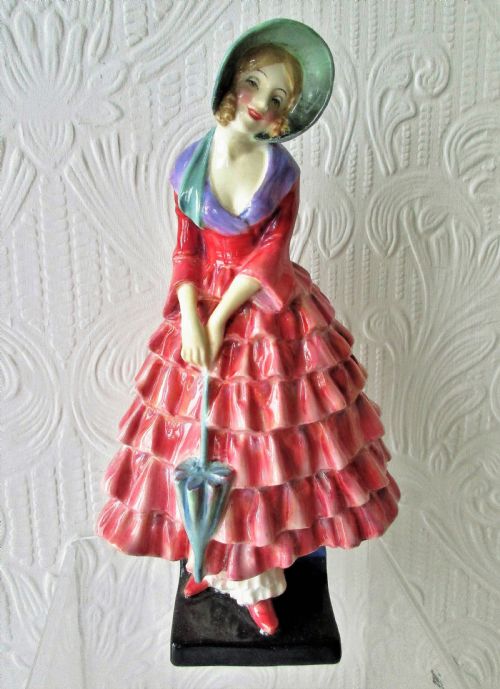
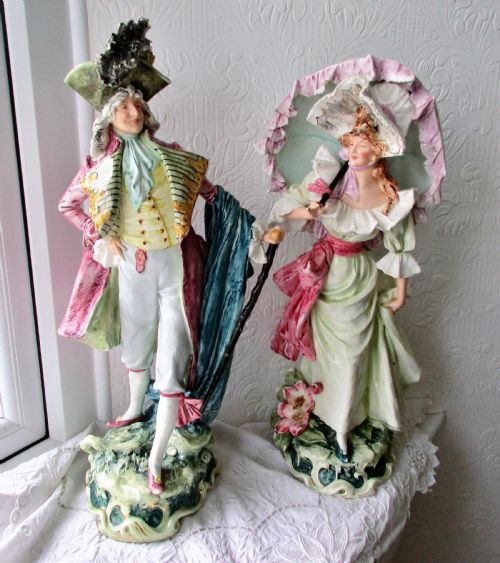
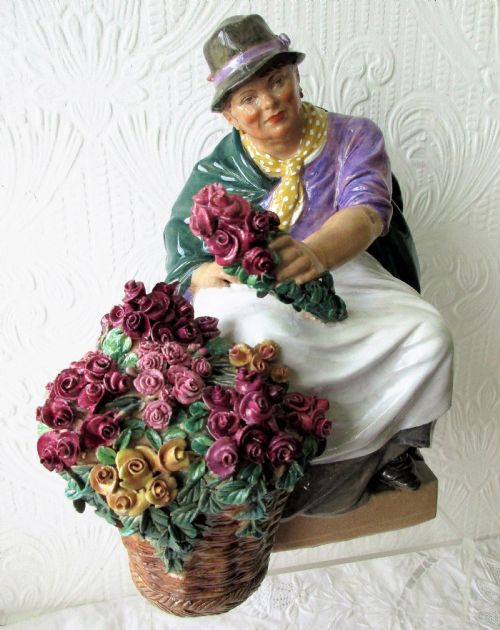
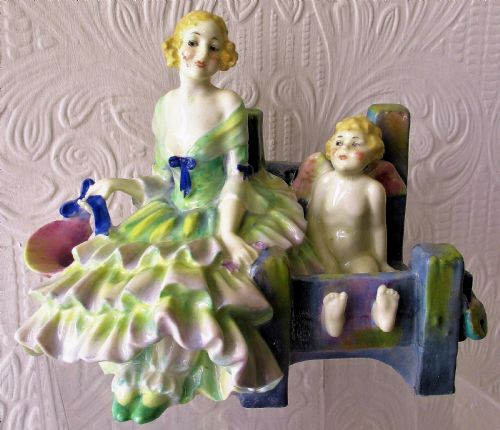
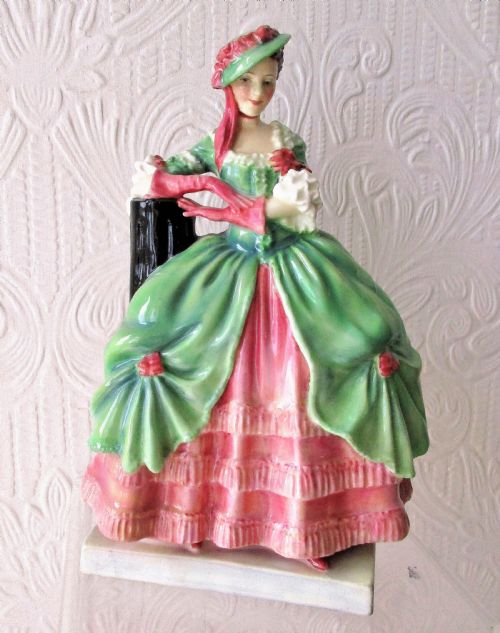
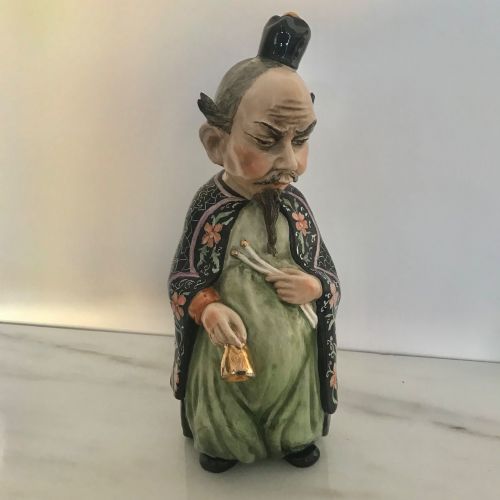
These pieces form a green ceramic statue, bringing modelled figures and animal forms across multiple decorative traditions into your home.
Green Ceramic Statue
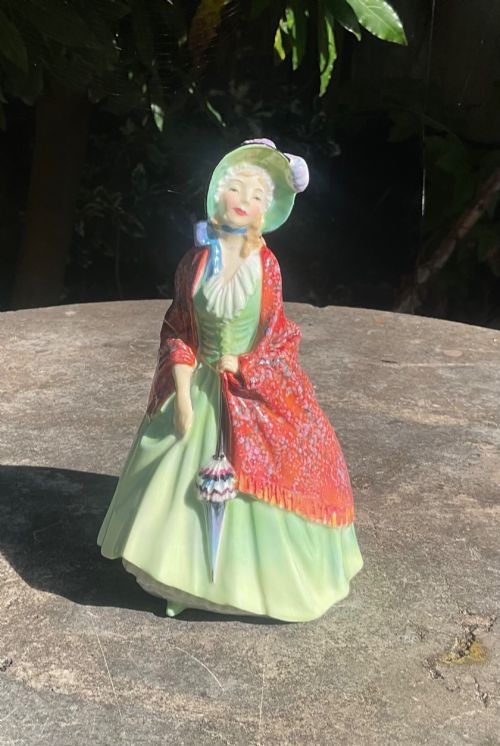
Most pieces date from the nineteenth and early twentieth centuries, with notable representation from European porcelain manufactories and Chinese pottery traditions. English porcelain figurines sit alongside German art pottery, French earthenware, and Bohemian sculptural groups. The variety spans functional objects like incense holders alongside purely decorative display pieces.
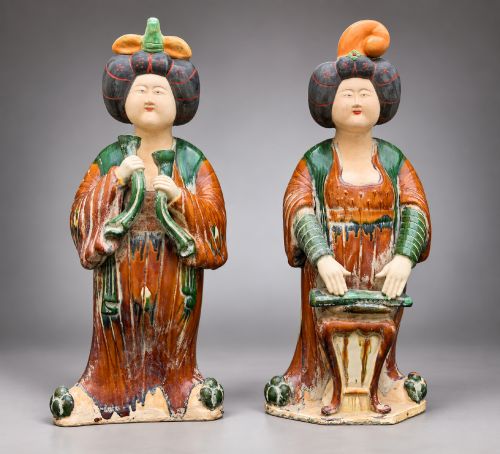
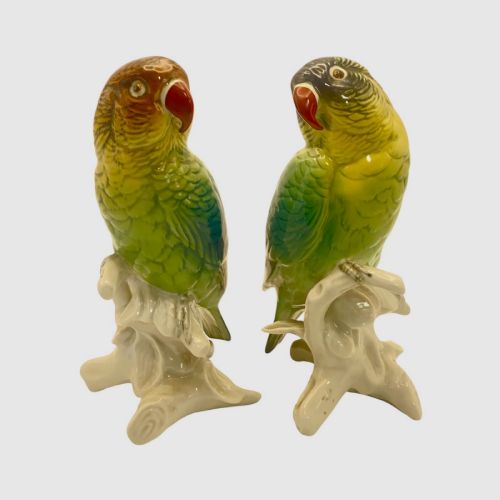
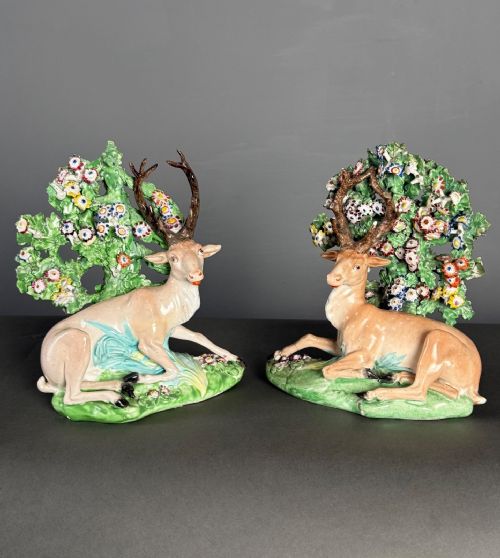
Makers utilised distinct regional styles, from the sancai glazes of Tang dynasty inspired pottery to the sleek lines of Art Deco design. Figures of birds, cats, lions, and human characters dominate the selection, each rendered in ceramic materials with characteristic glazes. Collectors find both individual models and balanced pairs designed for mantelpieces or display cabinets.
Materials and methods
Potters and sculptors employed porcelain, earthenware, and terracotta as the primary bodies for these figures. Artisans shaped the clay either by hand modelling or through the use of moulds, depending on the scale and production method of the workshop. Terracotta works often received a bronze or painted surface treatment, whereas porcelain and earthenware bodies were dipped or brushed with liquid glazes.
Glaze application defines the visual surface, utilising lead glazes, enamel decoration, and specialist colour formulas to achieve the desired tone. Chinese pieces frequently display sancai or pale green glazes over pottery bases, while European manufactories applied coloured enamels and gloss finishes. Firing took place in kilns at varying temperatures to vitrify the ceramic body and fuse the surface decoration.
Several watchful ceramic cats and lions stand ready to guard your mantelpiece without ever demanding a bowl of cream.
Factors that distinguish the work
Karl Ens·Royal Doulton·Goldscheider·Charles Vyse·Royal Dux Bohemia·Ernst Wahliss
The Green Ceramic Statue Glossary
- Sancai
- A type of lead glaze characteristic of Chinese pottery, utilising three distinct colour washes, typically amber, green, and cream. The glazes tend to run and intermingle during the high-temperature firing process.
- Faience
- European tin-glazed earthenware produced with an opaque white glaze that serves as a ground for painted enamel decoration. It gained popularity across France and other regions during the nineteenth century.
- Terracotta
- Fired unglazed clay possessing a porous, brownish-orange body used widely for sculptural figures and portrait busts. Artists frequently painted or patinated the surface to imitate bronze or stone.
- Pearlware
- A refined earthenware developed in the eighteenth century featuring a thin glaze with a slight bluish tint pooling in crevices. It provided a whiter surface than earlier creamware bodies.
- Biscuit
- Unglazed ceramic fired once to create a porous, matte white body that resembles marble. Many European porcelain factories utilised this finish for sculptural figures.
Green Ceramic Statue: Frequently Asked Questions
Where should I display a large ceramic sculpture?
Position heavier pieces on stable, level furniture away from high-traffic areas where they might be accidentally knocked. Mantels, sturdy sideboards, and dedicated display cabinets offer secure platforms for heavier animal and human figures.
Keep ceramics out of direct sunlight to prevent any painted enamel decorations from fading over time. Ensure the display surface supports the full base of the sculpture without overhang.
How can I tell a nineteenth century piece from a later reproduction?
Examine the base of the ceramic for factory marks, impressed numbers, and the natural ageing of the clay body. Older pieces often show characteristic wear on the resting foot rim and subtle crazing within the glaze.
Inspect the crispness of the modelling and the quality of the hand-painted details under good light. Factory marks evolved over decades, providing a reliable guide to the production period.
What does Art Deco style look like in these figures?
Art Deco ceramic figures feature stylised geometric forms, streamlined silhouettes, and characteristic clothing or animal poses. Artists of this period emphasised clean lines and modern aesthetic sensibilities in fashion and animal sculpture.
Colours often include bold greens, blacks, and metallics applied to smooth earthenware or porcelain bodies. These pieces reflect the design trends of the interwar decades, particularly from German and French workshops.