






1930s Mantel Ornament
These 1930s mantel ornament pieces bring unmistakable Art Deco movement and character to a room.
1930s Mantel Ornament
A 1930s mantel ornament typically takes the form of an Art Deco sculpture or figurine designed to sit upon a fireplace mantel or shelf. These pieces capture the distinctive aesthetic of the interwar period through expressive human figures, dancers, and wildlife.
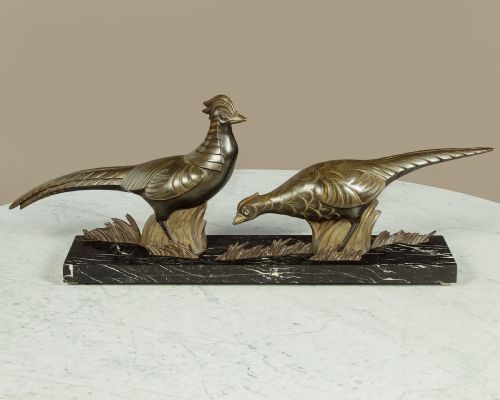
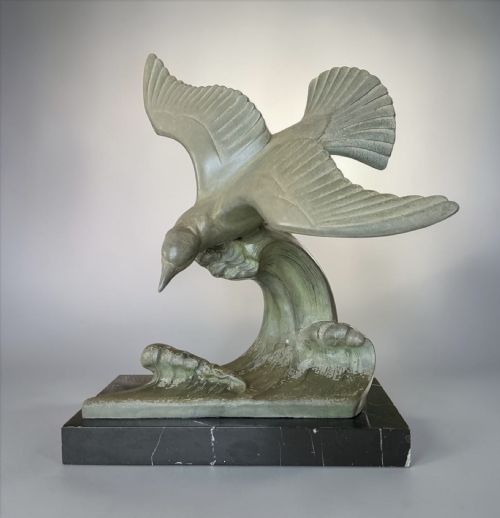
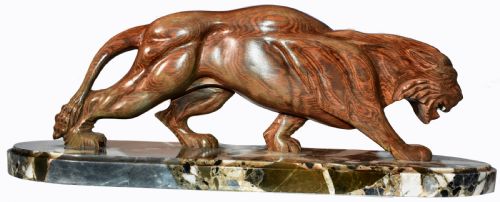
You are most likely to meet figural works depicting female dancers, elegant ladies, and animals such as pheasants, seagulls, and panthers. Many of these sculptures combine metal figures with solid stone bases to create a balanced display.
Originating predominantly from the 1930 and 1920 periods, these ornaments reflect the sculptural trends of French and English workshops. The forms range from small tabletop figurines to larger sculptural groups mounted on marble.
How they were made
The construction of a 1930s mantel ornament relies heavily on cast metalwork paired with heavy natural stone. Spelter and bronze serve as the primary casting materials for the figurative elements, often given a patinated finish to enhance surface detail.
Bases are commonly fashioned from black marble, onyx, or alabaster, providing a stable plinth for the metal sculptures. Artisans secured the figures to these stone bases using threaded bolts or pins fitted through the underside.
Listings for this phrase focus entirely on the Art Deco style, featuring sculptures cast in spelter, bronze, and patinated metal paired with marble and onyx bases.
What varies in quality
The refinement of the casting and the crispness of the chisel work distinguish superior examples from standard production pieces. Finer sculptures retain subtle facial expressions, delicate hand gestures, and sharp feather or fur definition.
The choice and preparation of the mounting material also influence the overall standard of the piece. High-grade ornaments utilise dense, well-polished marble or onyx free from excessive natural fissures, complementing the metallic figure above.
Josef Lorenzl·Demetre Chiparus·Michel Decoux·Geo Maxim
The 1930s Mantel Ornament Glossary
- Spelter
- A zinc alloy commonly utilised as a less expensive alternative to bronze for sculptural castings. It takes patination well and was widely used for decorative figures during the Art Deco period.
- Chryselephantine
- A term describing a statuette made from a combination of bronze and ivory. These works demand high technical skill to join the different materials securely.
- Patinated metal
- Metal treated with chemical solutions to produce a specific surface colour or aged finish. This technique highlights the sculptural contours and prevents oxidation.
- Alabaster
- A fine-grained, translucent stone used primarily for carved bases and ornamental objects. Its soft texture allows for smooth polishing but makes it vulnerable to scratching.
- Art Deco
- The dominant design style of the 1920s and 1930s characterised by streamlined geometric forms and stylised depictions of figures and animals.
1930s Mantel Ornament: Frequently Asked Questions
What materials make up a 1930s mantel ornament?
These ornaments are principally constructed from cast metals such as bronze, spelter, and patinated metal. The figures are typically mounted onto heavy stone bases made of marble, onyx, or alabaster.
This combination provided both the necessary weight for stability on a mantelpiece and a striking contrast between the metallic sculpture and the polished stone plinth.
How do I identify an Art Deco mantel ornament?
Look for characteristic design elements of the period, such as stylised human figures, dynamic animal poses, and geometric lines. Dancers, female figures with mirrors, and prowling panthers are especially common motifs.
The use of patinated spelter combined with marble bases further points directly to the manufacturing standards of the interwar decades.
Where were these mantel ornaments manufactured?
Production was centered largely in France and England, where skilled sculptors and foundries designed decorative metalwork for domestic interiors. Many prominent artists of the era contributed models to these commercial workshops.
Export markets ensured these sculptures reached British homes, where they became popular decorative fixtures for living room mantelpieces.
How should I care for a stone and metal ornament?
Dust the sculpture gently with a soft, dry cloth to prevent dirt accumulation on the patinated surfaces. Avoid using liquid cleaners or polishes, which can strip the original metal patination or stain porous stone bases like alabaster.
Keep the piece away from direct heat sources and strong sunlight to protect both the metal finish and the integrity of the stone mount.