


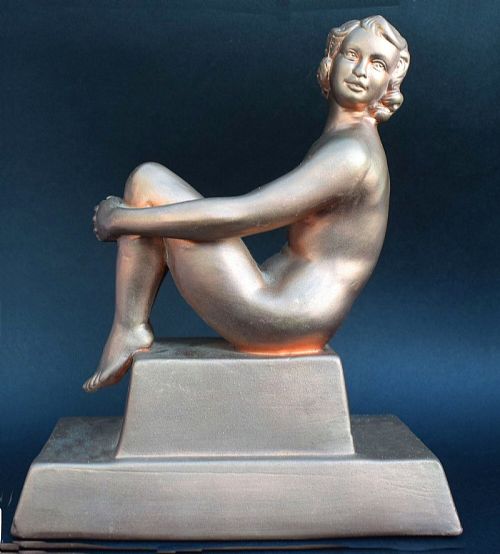

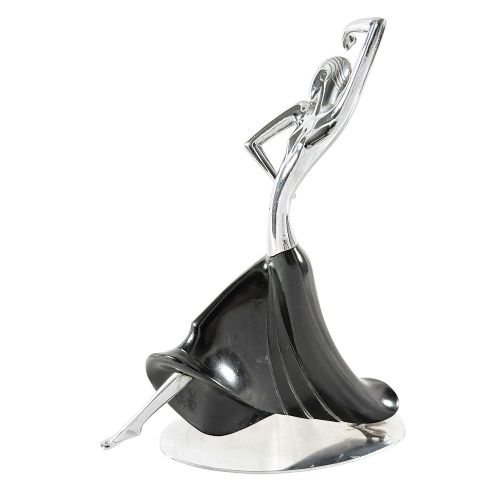


1930s Female Statue
A 1930s female statue captures the dynamic elegance of the interwar period through striking depictions of dancers, nudes, and figures.
1930s Female Statue
When searching for a 1930s female statue, a buyer encounters sculptural works originating predominantly from the 1920s and 1930s. These pieces take the form of figures, table lamps, and table lighters that reflect the dominant artistic movements of the era.
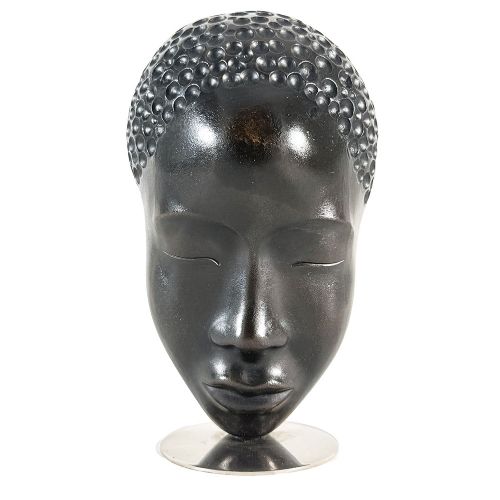
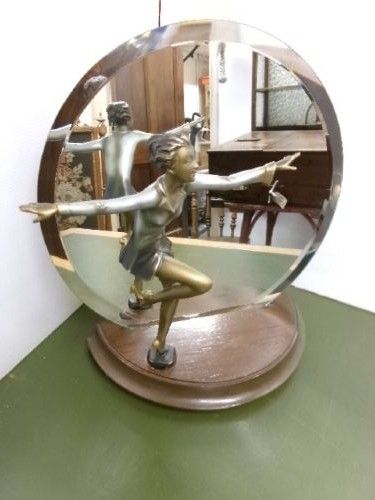
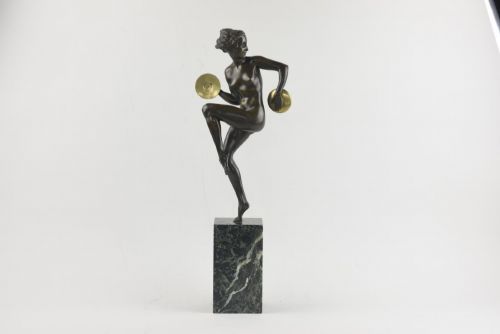
The versions met most frequently on this page are Art Deco dancers and female nudes. Formats range from French and English tabletop sculptures to figural groups and functional items mounted on marble or onyx bases.
Materials and Technique
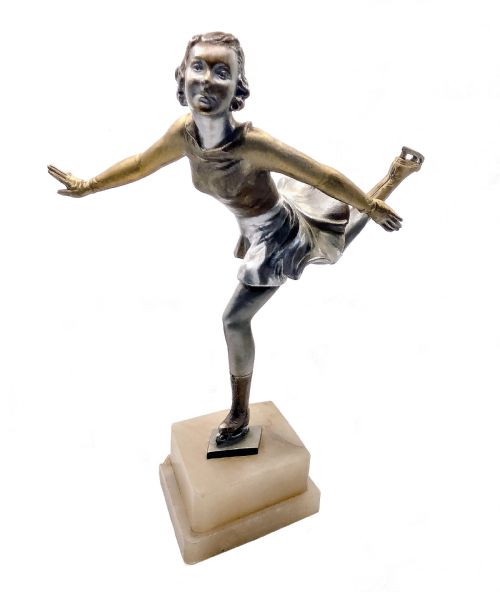
Sculptors and foundries utilised a variety of media to construct these figures, pairing metals such as bronze, spelter, silver plate, and chrome plate with cold painting or gilt finishes. Bases were frequently fashioned from heavy stones including marble, onyx, and alabaster.
Alternative materials visible in the record include carved wood, glass, and porcelain. Fabrication methods combined traditional metal casting with applied surface decoration and stone mounting to create balanced compositional weight.
A dancer balances gracefully atop stone, frozen mid-twirl since the 1930s.
Variations in Quality
The distinction between tiers of work rests upon the execution of the casting and the fidelity of the sculptural detail. Pieces produced by established artists and major foundries exhibit sharper facial expressions, cleaner drapery lines, and more articulate hand-finishing.
Material selection also defines the grade of a piece, separating solid bronze castings and carved glass from commercial spelter alternatives. The integration between the figure and its stone base further indicates the standard of manufacture.
Ferdinand Preiss·Josef Lorenzl·Aurore Onu·Sibylle May·Demetre Chiparus·Rene Andre Varnier·Royal Dux·Marius Ernest Sabino·Ugo Cipriani·Paul Joris·Geo Maxim
The 1930s Female Statue Glossary
- Spelter
- A zinc-based alloy commonly utilised as a cost-effective alternative to bronze in decorative figures. It accepts paint and metallic finishes readily.
- Chryselephantine
- A sculpture combining ivory with bronze or other materials. This technique was popular in luxury Art Deco statuary.
- Cold painted
- A method where paint is applied to a metal object without heat firing. The finish remains susceptible to chipping over time.
- Caryatid
- A carved female figure acting as a structural support column. In glass or metal, it serves an architectural or decorative function.
1930s Female Statue: Frequently Asked Questions
What materials are these statues made from?
These sculptures utilise media such as bronze, spelter, carved wood, glass, and painted metal. Many examples are mounted upon heavy stone bases.
Foundries often applied surface finishes including silver plating, gilt, and cold paint to enhance the visual texture of the clothing and hair.
How do I identify an Art Deco female statue?
Art Deco pieces display stylised geometric forms, streamlined silhouettes, and dynamic postures often inspired by dancers. The clothing and hair follow the modern fashions of the interwar period.
Signatures or foundry marks occasionally appear on the base or lower portion of the bronze and spelter castings.
Were these figures used for lighting?
Certain figural sculptures double as functional objects such as table lamps and table lighters. The female form is integrated directly into the body of the lamp or lighter mechanism.
These pieces combine decorative sculpture with domestic utility typical of interwar interior design.
How should I display a marble-based statue?
Statues mounted on marble, onyx, or alabaster require a stable, flat surface capable of supporting their weight. Placing them away from direct sunlight helps protect painted and gilt surfaces.
Regular dusting with a soft cloth maintains the condition of both the metal figure and the stone base.