









Vintage Lady Sculpture
A vintage lady sculpture brings expressive human form into a room, capturing distinct periods from classical revival to sleek twentieth-century modernism.
Vintage Lady Sculpture
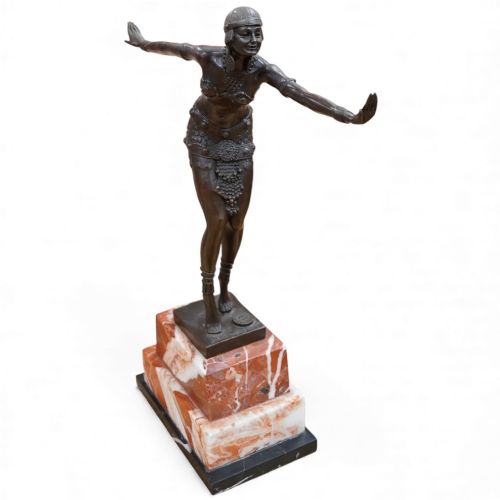
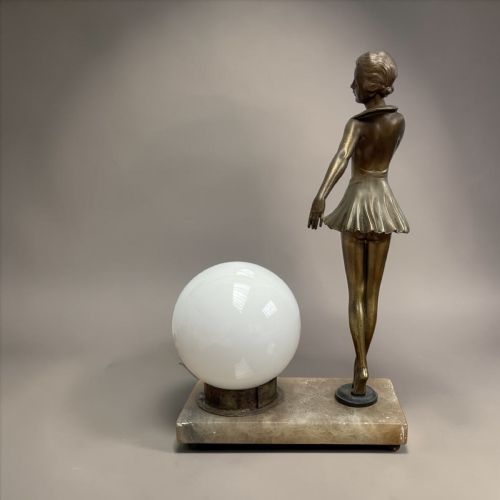
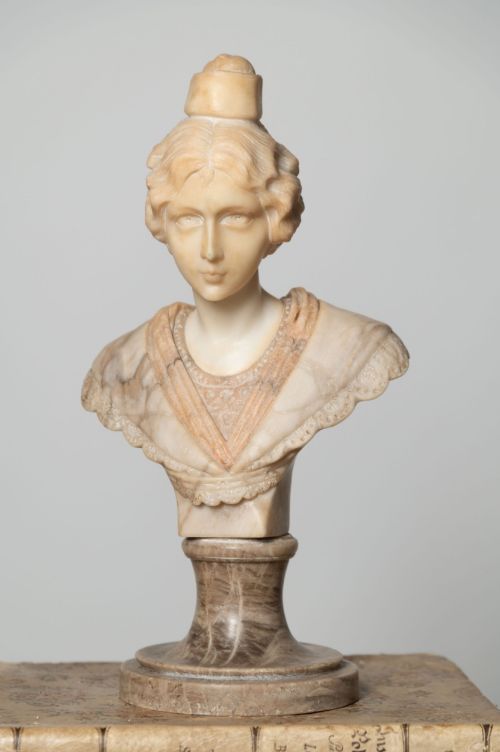
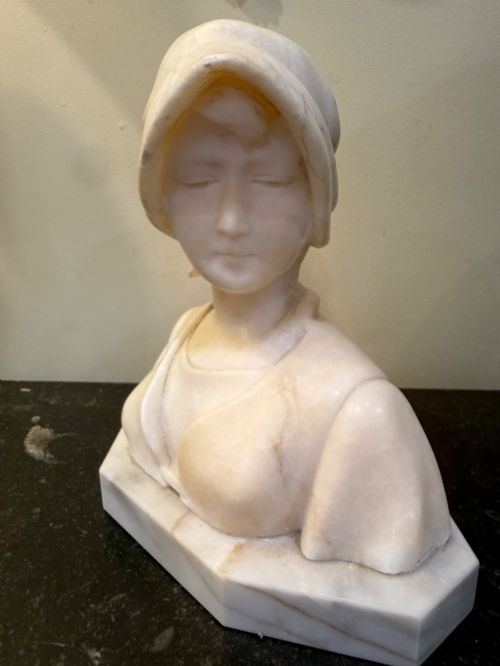
A vintage lady sculpture encompasses a diverse array of figural works, ranging from diminutive cabinet figurines to monumental garden statues. The selection frequently centres on Art Deco and Art Nouveau aesthetics, alongside nineteenth-century classical busts and domestic table lamps.
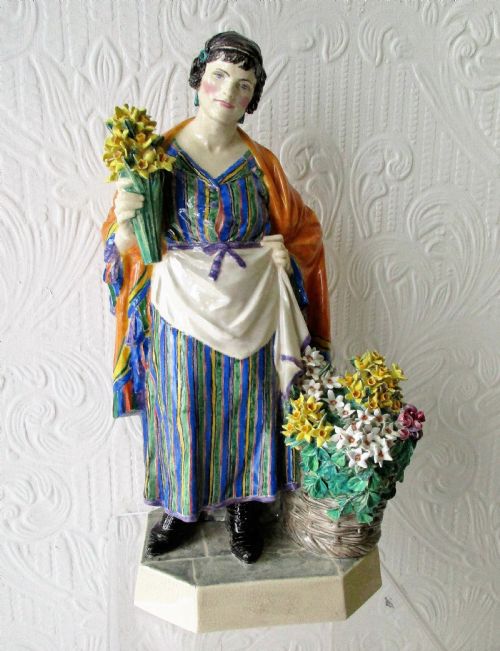
Makers and foundries span England, France, Germany, and beyond, producing representations of dancers, maidens, and mythological figures. Forms shift from intimate ceramic table ornaments to imposing bronze and spelter figures mounted on marble or alabaster bases.
What varies in quality
The integrity of the base materials, such as genuine carved marble versus composite substitutes, influences the overall presence. Artist signatures and foundry marks further distinguish high-grade studio output from anonymous commercial casting.
Among the figures are a lady golfer on a car mascot and a young girl running alongside greyhounds.
Charles Vyse·Royal Worcester·Royal Dux·Hagenauer·Josef Lorenzl·Ernst Wahliss·Demetre Chiparus·Geo Maxim·Samson·Georges Morin·Emmanuel Villanis·Henri Honore Ple·Jose Dunach·J C De Blezer
The Vintage Lady Sculpture Glossary
- Spelter
- A zinc alloy commonly utilised as a cost-effective alternative to bronze for figural sculptures. It is typically painted or given a bronze-like finish.
- Chryselephantine
- A term describing statues made from a combination of metal and carved materials. This technique gained prominence in Art Deco statuary.
- Biscuit porcelain
- Unglazed white porcelain that results in a matte, marble-like texture. It is frequently employed for detailed nineteenth-century figurines and busts.
- Terracotta
- Fired clay used for sculptural busts and figures. It often retains a warm, earthy reddish-brown tone or receives painted surface decoration.
- Plinth
- A heavy base or pedestal supporting a bust or statue. It provides structural stability and elevates the sculptural form.
Vintage Lady Sculpture: Frequently Asked Questions
How do I identify Art Deco lady figures?
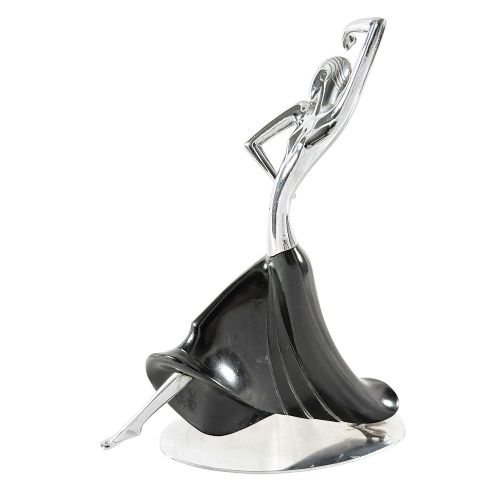
Art Deco pieces generally display stylised geometric lines, aerodynamic forms, and depictions of dancers or modern women from the interwar period. Common materials include spelter, chrome plate, and painted ceramics.
Look for streamlined postures, bobbed hairstyles, and bases made of onyx or marble. Signatures from known designers often appear directly on the metal or ceramic surface.
What is the difference between spelter and bronze?
Spelter is a softer, lighter zinc-based alloy that was widely used for decorative figures as a cheaper alternative to bronze. Bronze is a much heavier copper alloy valued for strength and durability.
Underneath chipped paint, spelter appears grey or silvery, whereas bronze reveals a golden-brown metal. Bronze sculptures also typically exhibit sharper detail due to the precision of the lost-wax casting method.
Where should I place a heavy stone garden statue?
Large stone or concrete garden statues require a stable, level surface such as a stone patio, reinforced decking, or a dedicated plinth. Ground placement directly on soil can lead to sinking or moisture absorption.
Position the piece away from heavy tree drip lines to minimise staining and weathering. Ensuring adequate support prevents tipping, particularly for tall figures mounted on separate bases.
How do I care for antique ceramic and porcelain figures?
Antique ceramic and porcelain figures need gentle dusting with a soft, dry brush to prevent dirt accumulation. Avoid using chemical cleaners or abrasive cloths, which can damage delicate painted glazes and gold leaf.
Keep pieces out of direct sunlight to prevent colours from fading over time. Display them away from high-traffic areas where accidental knocks might occur.