



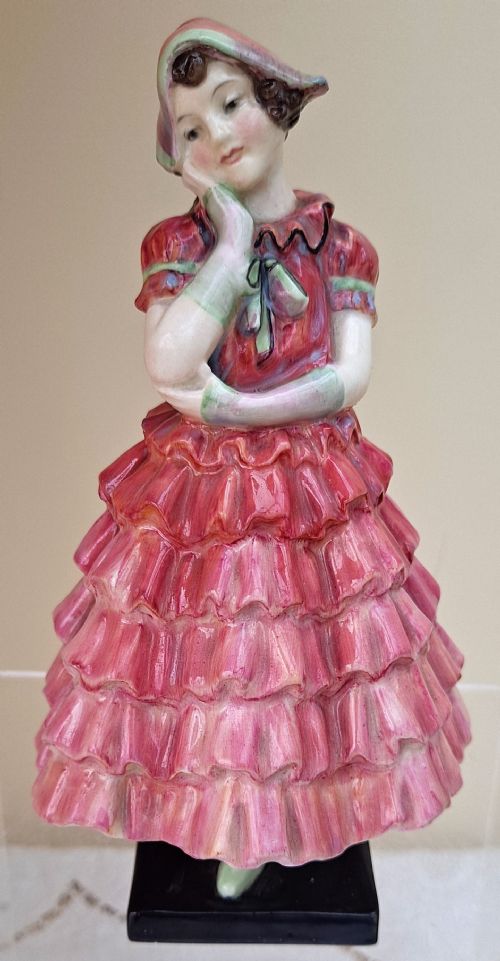


English Art Deco Ornament
English art deco ornament brings together glazed porcelain figurines and ceramic sculptures that capture the distinct modernist energy of the interwar decades.
English Art Deco Ornament
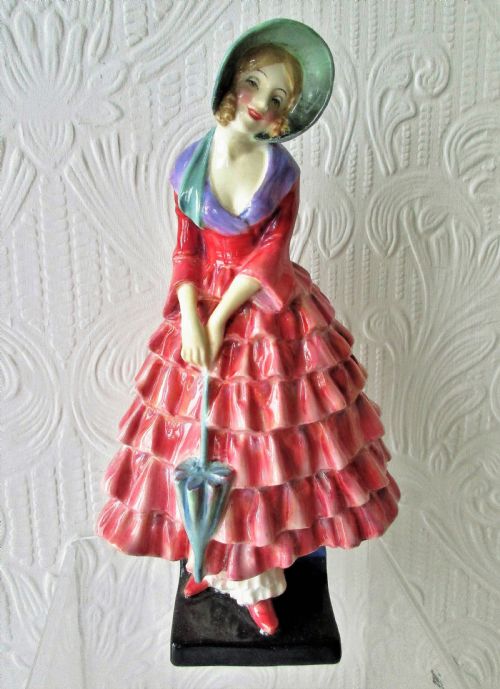
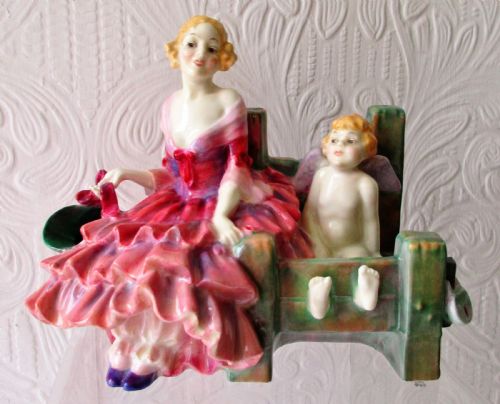
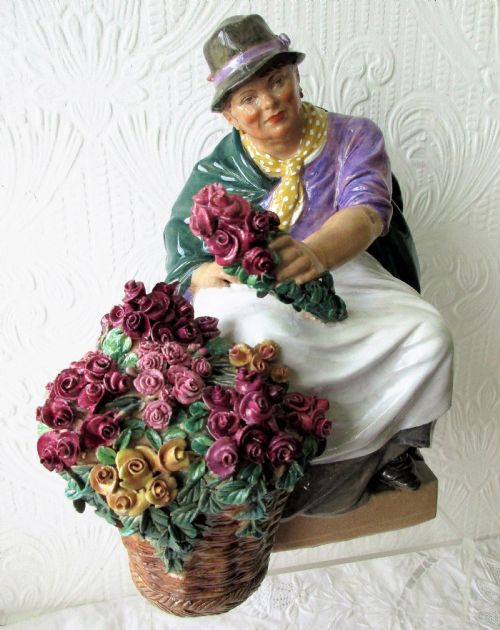
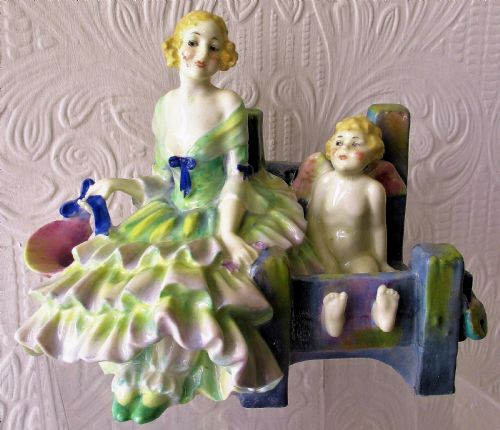
When you search for english art deco ornament, you encounter figurative ceramics produced across the 1920s, 1930s, and 1940s. These works include decorative figurines and studio pottery sculptures that reflect the stylistic shifts of the period.
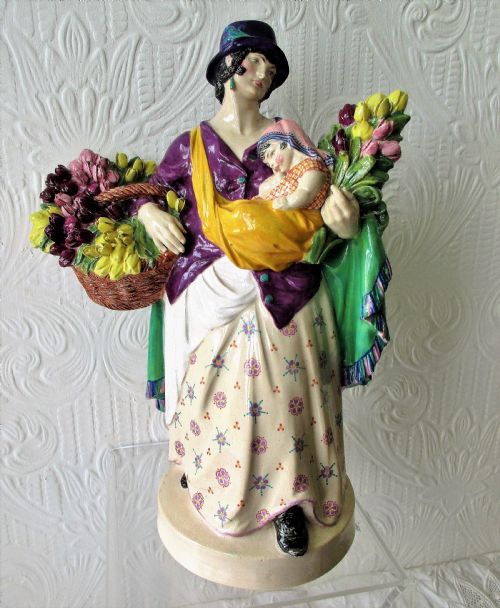
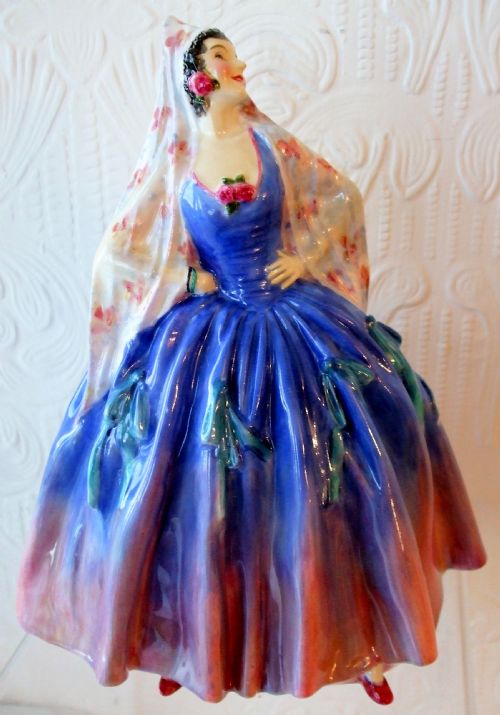
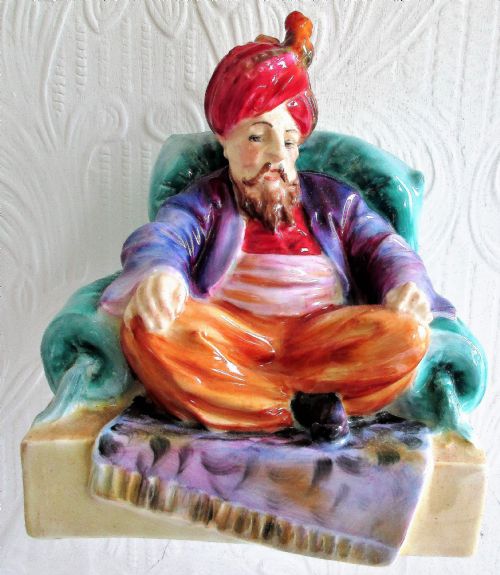
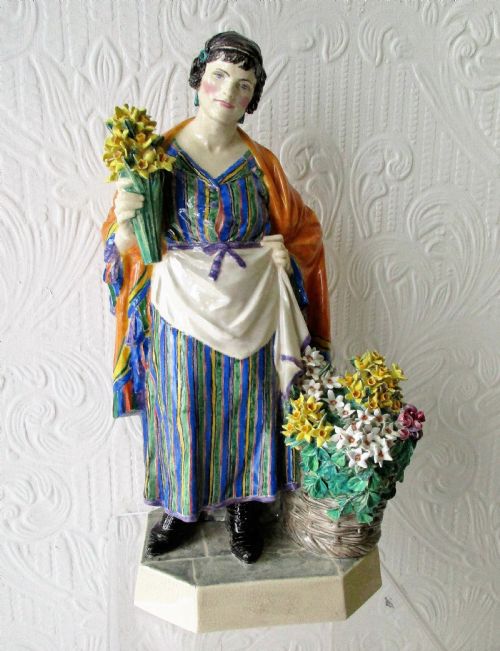
The most common examples on this page are porcelain and earthenware figures modelled as named characters or street vendors. Makers such as Royal Doulton and Charles Vyse dominate the selections, alongside distinct studio pieces.
How they were made
The manufacturing process relies on moulded porcelain, bone china, and earthenware bodies shaped into complex figurative forms. Artisans then applied detailed ceramic glazes and enamel painting by hand to finish the surface.
Studio pottery pieces involved independent throwing and modelling before decorative glazing. Each ceramic body required precise kiln firing to set the colours and vitrify the porcelain or earthenware.
Listings feature items dated between 1920 and 1940, executed in porcelain, bone china, and earthenware.
What varies in quality
Quality differences rest primarily in the crispness of the modelling and the control of the glaze application. Finer examples display sharp facial expressions and precise enamel detailing without blurring.
The depth of the ceramic glaze and the complexity of the hand-painted palette distinguish standard production items from master studio works. The artistry of the individual modeller dictates the overall visual impact.
Royal Doulton·Charles Vyse·Clarice Cliff
The English Art Deco Ornament Glossary
- Bone china
- A type of soft-paste porcelain incorporating animal bone ash. This material permits thinner walls and a bright white translucency.
- Earthenware
- Porous pottery fired at lower temperatures than porcelain. It requires an opaque or clear glaze to become impervious to liquids.
- Enamel
- A decorative vitreous composition fused to the ceramic surface during a secondary firing. It provides vibrant, glossy colours.
- Glaze
- A glassy coating fused to ceramic wares by heat. It seals the porous clay body and adds colour or texture.
English Art Deco Ornament: Frequently Asked Questions
What defines english art deco ornament?
These pieces comprise glazed porcelain and ceramic figurines produced in England during the early to mid-twentieth century. They reflect the streamlined, modernist aesthetic characteristic of the era.
The selection spans factory-produced porcelain figures from major potteries and individual studio pottery creations. Each item captures human forms and narrative scenes through stylised ceramic design.
How do I date these figurines?
Dating relies on recorded production numbers, backstamps, and stylistic markers specific to the 1920s, 1930s, and 1940s. Many factory pieces carry specific numbers or registration marks corresponding to design years.
Studio pottery often bears artist signatures or date stamps inscribed into the clay base. Comparing the modelling style to known manufacturer records helps establish the correct decade.
Where were these ceramics made?
The pieces originate from English factories and independent ceramic studios active during the art deco period. Major manufacturing hubs produced the porcelain figures alongside independent London studios.
Production methods varied from large-scale commercial ceramic works to individual studio output. Both environments contributed to the distinct sculptural style of the era.
How do I care for glazed porcelain?
Maintenance requires gentle cleaning with a soft, dry cloth to remove dust from the glazed surfaces. Avoid harsh chemical cleaners or abrasive materials that could scratch the enamel.
Keep the ceramics away from direct sunlight and areas subject to sudden temperature fluctuations. Proper placement protects both the ceramic body and the hand-painted glazes.