
Green Ceramic Ornament
A green ceramic ornament brings tactile colour and historic character to a room, ranging from Staffordshire animals to Chinese glazed figures.
Green Ceramic Ornament
A green ceramic ornament encompasses a diverse selection of glazed earthenware, porcelain, and pottery figures shaped as animals, humans, and architectural subjects. These pieces span multiple centuries and international traditions, reflecting both domestic Staffordshire potteries and continental or Asian kilns.
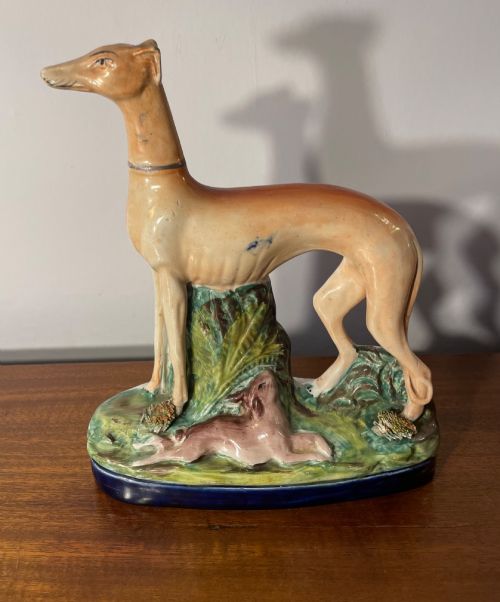
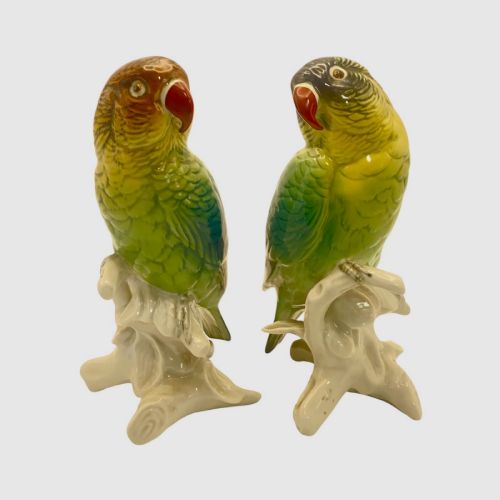
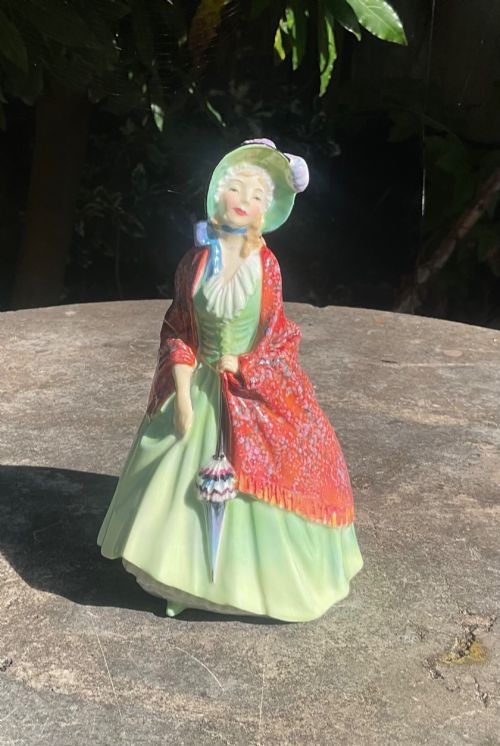
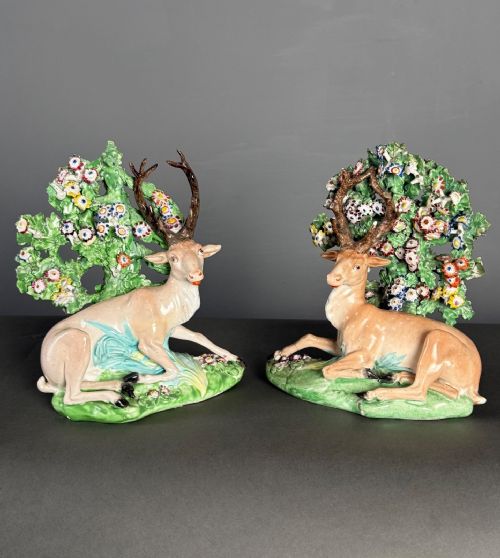
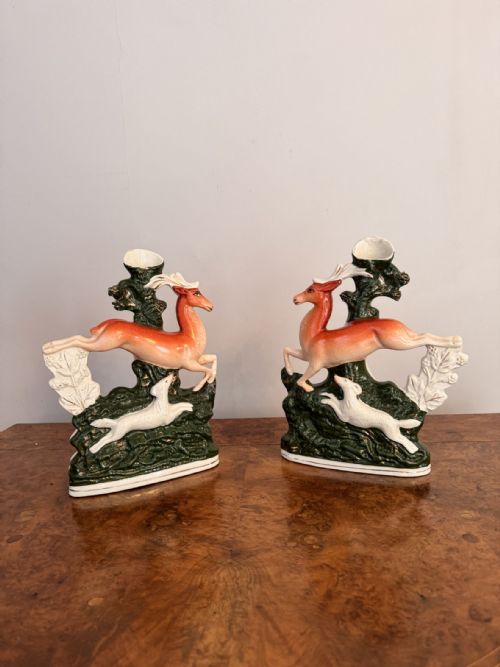
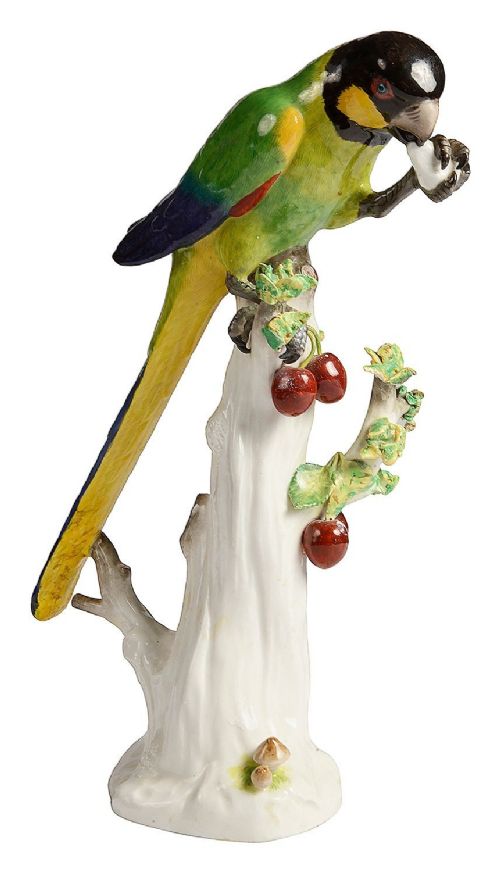
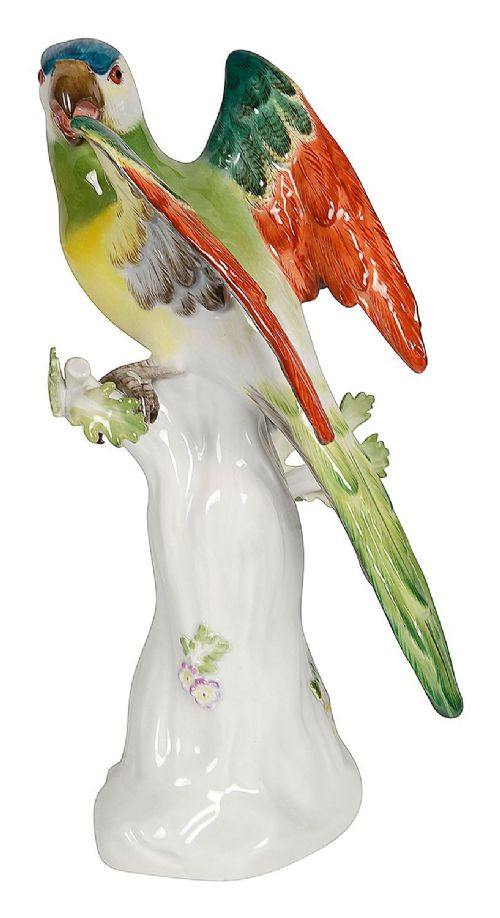
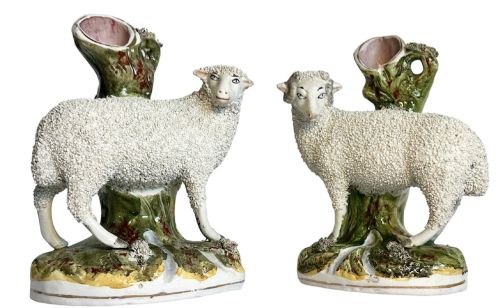
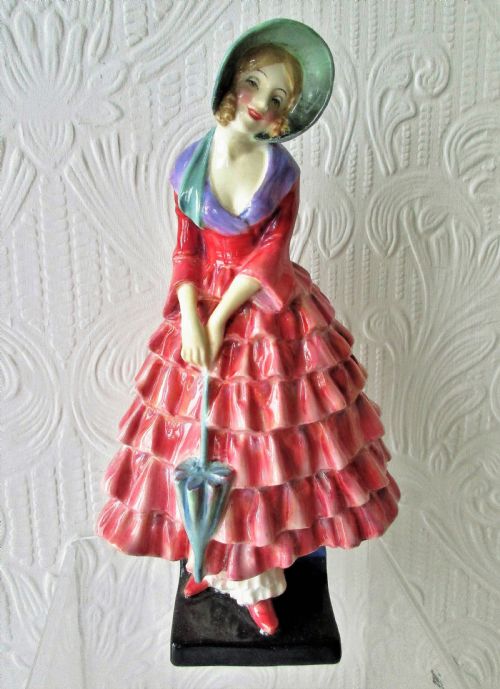
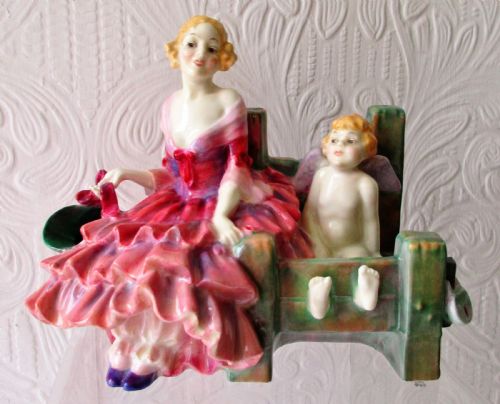
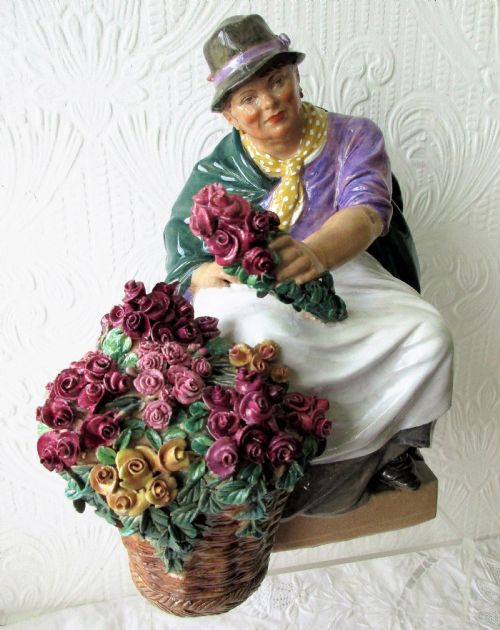
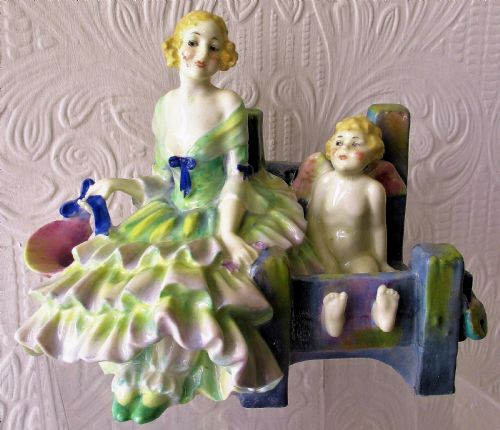
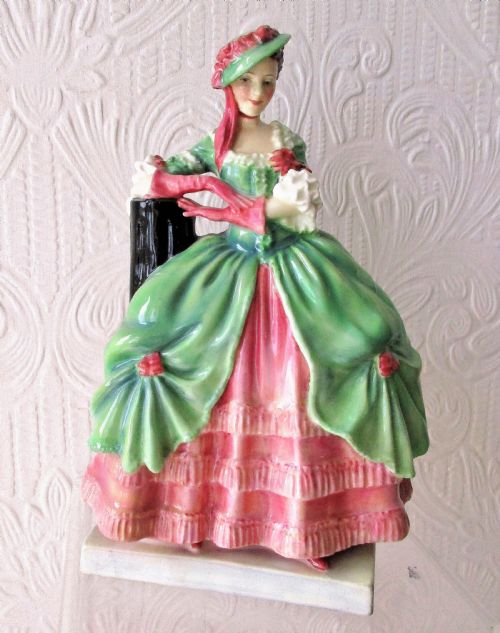
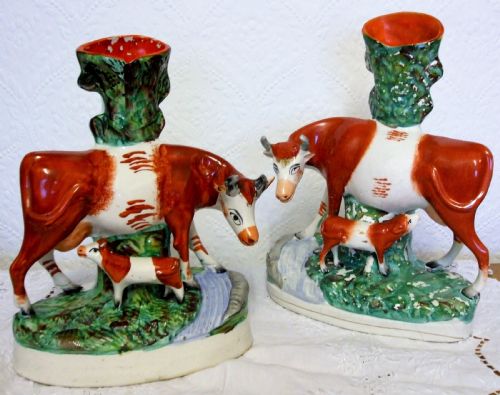
Collectors frequently encounter Staffordshire pottery groups, such as deer spill vases and sheep, alongside porcelain birds like parrots and figures from the Art Deco period. The forms vary from functional inkstands and brush washers to purely decorative table sculptures and mantel ornaments.
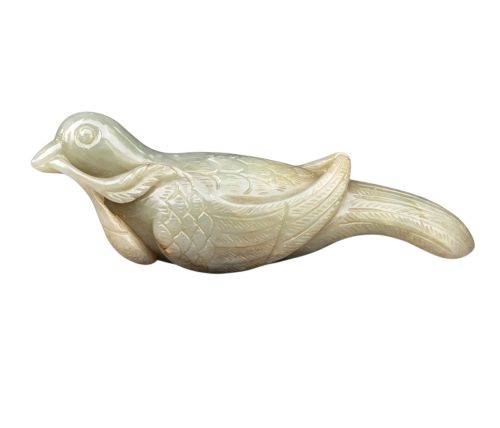
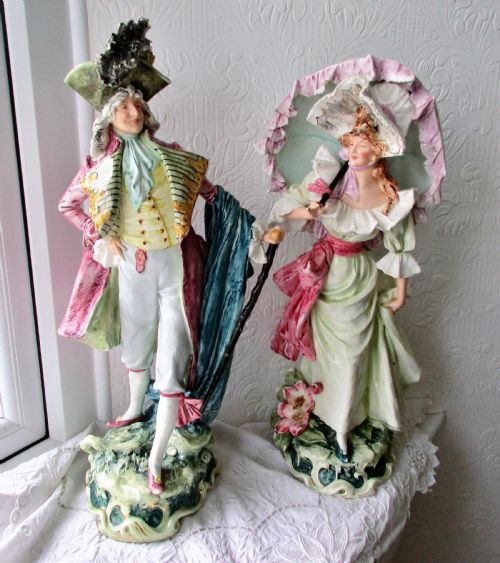
Originating from periods as varied as the eighteenth century through to the nineteen-thirties, these objects display distinct regional aesthetic choices. English Staffordshire shares space with Chinese sancai glazed pieces, German porcelain, and Japanese Kutani models.
Materials and Manufacture
Potters built these items using earthenware, bone china, pearlware, and hard-paste porcelain, shaping them either by hand or through press-moulding techniques. Artisans then applied foundational layers of slip and detailed the surfaces with lead glazes, tin glazes, or hand-painted enamel colours.
Specialised surface treatments define the visual output, including vibrant sancai glazes, rich famille verte palettes, and lustrous metallic finishes. Firing processes in traditional kilns determined the final depth of the green hues and the vitrification of the ceramic body.
Assessing Quality
The evenness of the glaze application and the sophistication of the colour palette dictate artistic success. Consistency in the green tones and minimal kiln distortion indicate superior handling by the potter.
Karl Ens·Royal Doulton·Meissen·Charles Vyse·Royal Dux·Walton·Shelley
The Green Ceramic Ornament Glossary
- Earthenware
- A porous pottery body fired at lower temperatures, requiring a glaze to achieve impermeability. This material forms the base of most traditional Staffordshire figures.
- Spill Vase
- A hollow cylindrical container integrated into a figurine designed to hold taper candles for lighting pipes or fires. These dual-purpose objects were household staples in the nineteenth century.
- Sancai
- A three-colour glaze tradition, predominantly green, amber, and cream, used extensively in Chinese ceramics. The glazes interact and run slightly during the high-temperature firing process.
- Pearlware
- A refined earthenware developed in the late eighteenth century featuring a subtle bluish tint in the glaze. It provided a whiter surface that imitated Chinese porcelain more closely than standard creamware.
- Bone China
- A type of porcelain incorporating bone ash, resulting in a strong, translucent white body. It allowed manufacturers to create delicate figurines with fine detail.
Green Ceramic Ornament: Frequently Asked Questions
How do I clean a ceramic ornament?
Dust the surface gently with a soft, dry brush to prevent the accumulation of particles in recessed details. Avoid submerging antique pieces in water, particularly those with overglaze enamels or lead glazes that might suffer chemical degradation.
For stubborn grime, use a slightly damp cloth with mild soap, testing a small hidden area first. Dry the ceramic immediately with a lint-free cloth to protect the historic glaze.
What is a spill vase used for?
A spill vase combines a decorative figurine with a functional holder for wooden spills or paper tapers. In homes before matches, these tapers transferred flames from the hearth to candles and lamps.
Placed on mantelpieces, these ceramic items kept tapers dry and close at hand while adding sculptural interest to the room.
How do I identify Staffordshire pottery?
Staffordshire figures often display hollow bases, earthenware bodies, and hand-painted underglaze or enamel colours. Common subjects include animals, literary characters, and rustic cottages produced in the English Midlands.
Earlier examples from the eighteenth century typically utilise pearlware glazes, while Victorian pieces showcase brighter, more varied colour palettes and pressed bases.
Are these ornaments suitable for daily handling?
Antique ceramics require careful placement in stable locations away from high-traffic zones and direct sunlight. Frequent handling increases the risk of chipping delicate extremities, applied leaves, or painted enamels.
Display these items on secure surfaces like sturdy mantelpieces or inside enclosed cabinets to preserve their structural integrity for the future.