
Green Ceramic Dish
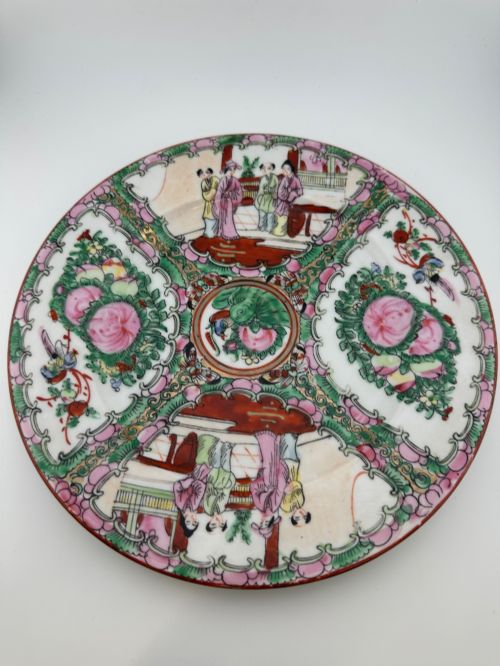
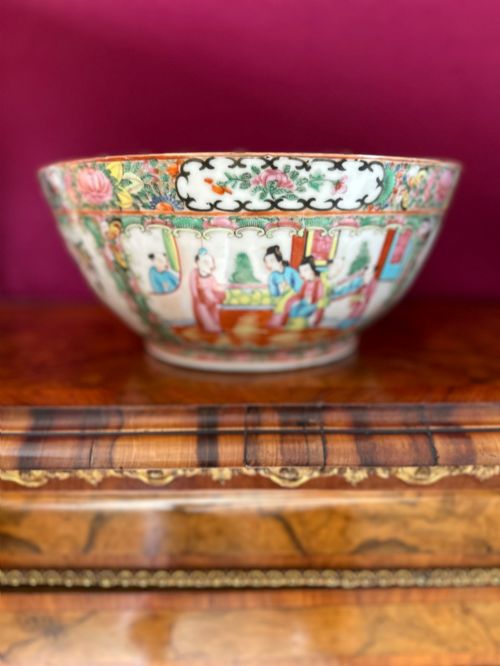
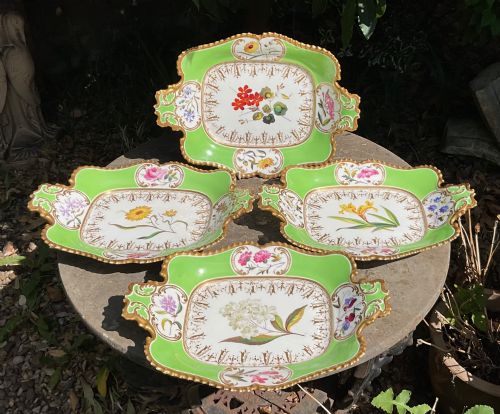
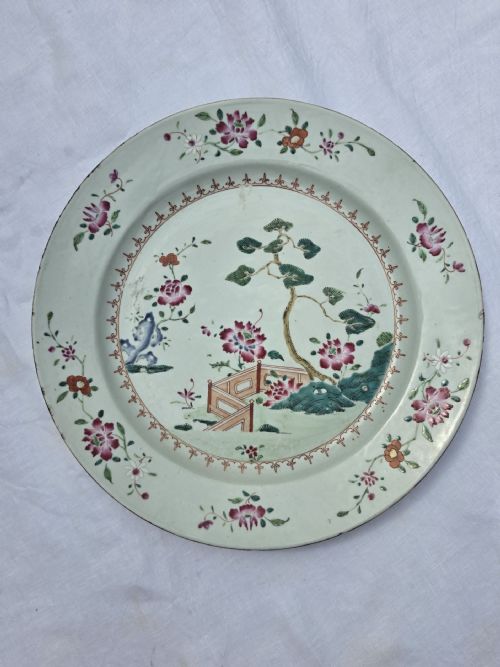
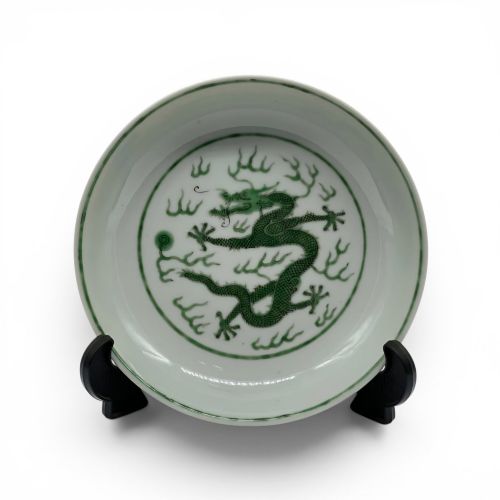
When you search for a green ceramic dish, you find pieces ranging from eighteenth-century Chinese export chargers to nineteenth-century English majolica.
Green Ceramic Dish
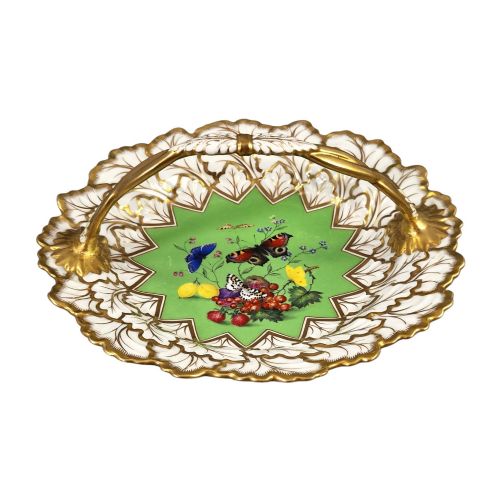
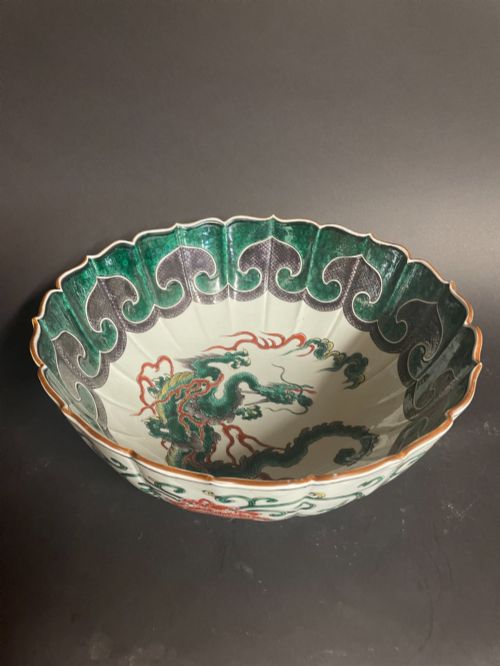
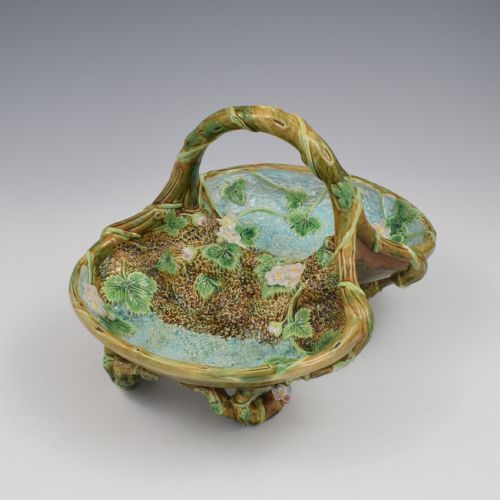
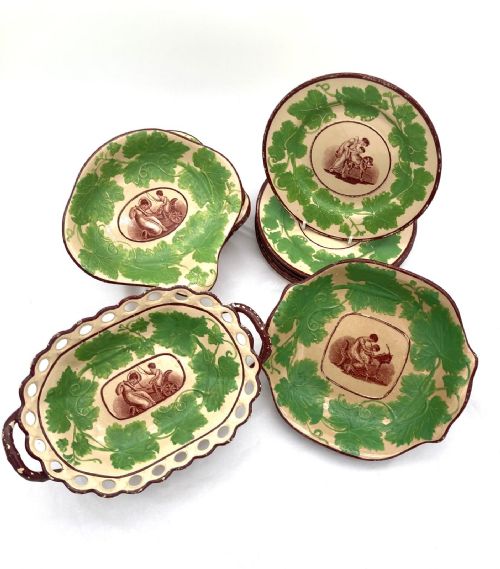
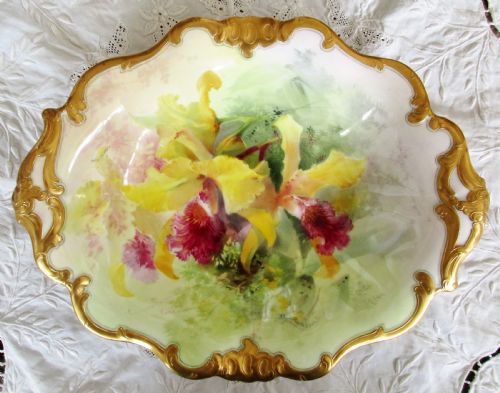
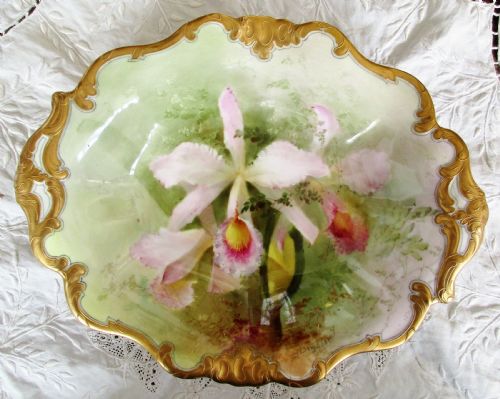
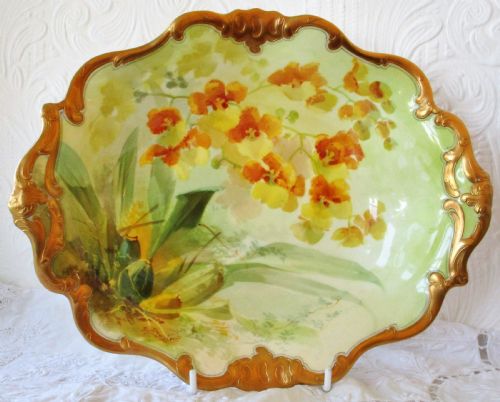
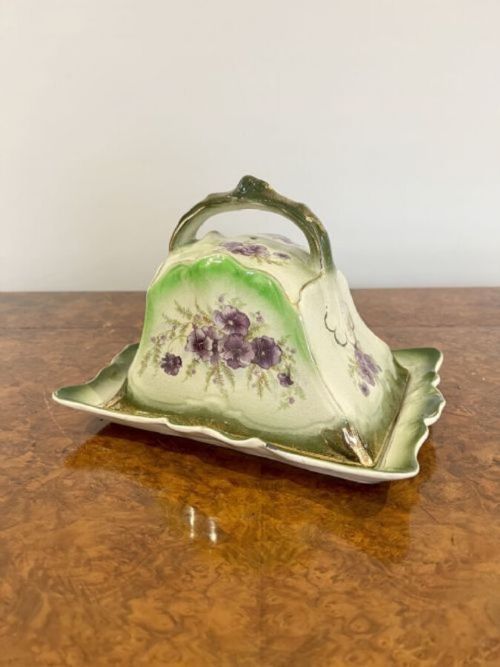
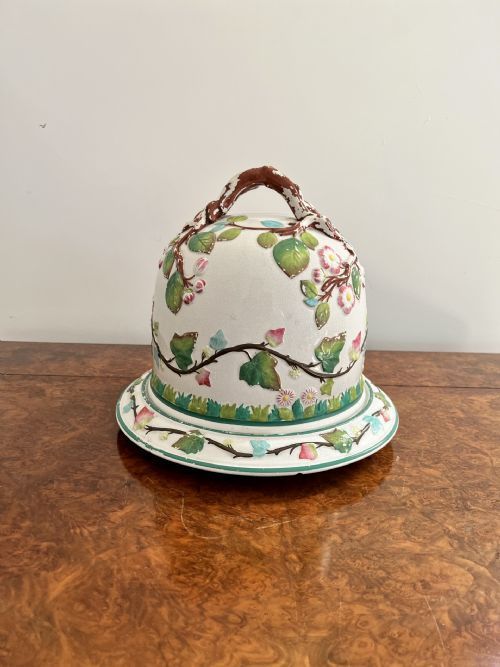
A green ceramic dish takes many forms across the inventory, appearing as bowls, plates, chargers, baskets, and cheese dishes from various periods.
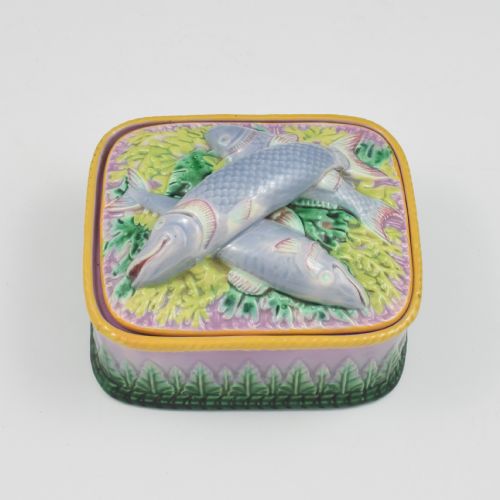
Buyers meet examples spanning eighteenth-century Chinese wares, Regency porcelain dessert services, and Victorian majolica pieces decorated with botanical and animal motifs.
The selection includes both English factory productions from Worcester, Minton, and Royal Doulton, and imported East Asian ceramics like Japanese Kutani and Chinese celadon.
Materials and methods
Potters utilised earthenware, porcelain, and faience as body materials, applying coloured glazes, enamel, and occasionally gold leaf or gilding for surface detail.
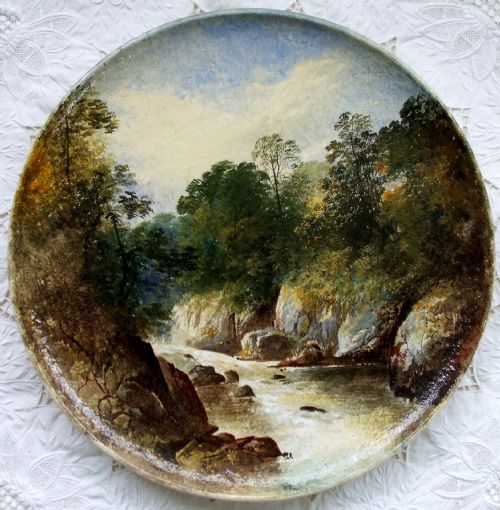
Many items demonstrate hand-painted decoration, ranging from botanical studies and armorial crests to intricate famille verte and famille rose court scenes.
Majolica pieces rely on moulded relief work combined with coloured lead glazes to create textured surfaces like leaves, shells, and figurative baskets.
Green Ceramic Dish Retail Price Guide 2026
Typical asking prices for green ceramic dish among the pieces listed under this phrase on Sellingantiques today, from the lower quarter to the upper quarter. They describe what is for sale here now, not the wider market.
Victorians apparently needed dedicated vessels for almost everything, including specialised dishes just for sardines and cheese.
Assessing quality
Quality rests on the crispness of the moulding and the precision of the hand-painted brushwork, distinguishing factory output from standard regional production.
The depth and consistency of the green glaze significantly affect the visual impact, particularly on celadon surfaces and majolica relief pieces.
Provenance and documented factory attribution, such as named artists or specific pattern numbers, elevate certain cabinet pieces above standard decorative wares.
Flight Barr And Barr·Chamberlains Worcester·George Jones·Royal Doulton·Copeland And Garrett·Minton
The Green Ceramic Dish Glossary
- Celadon
- A type of transparent green glaze applied to pottery, originating in China and mimicking the appearance of jade.
- Majolica
- A Victorian earthenware pottery type characterised by colourful lead glazes applied over moulded relief decoration.
- Charger
- A large decorative plate or dish, typically intended for display rather than for serving food at the table.
- Famille Verte
- A Chinese porcelain enamel palette dominated by green tones, developed during the Qing dynasty.
Green Ceramic Dish: Frequently Asked Questions
How do I date a green ceramic dish?
Dating relies on identifying factory marks, stylistic influences such as Rococo Revival or Art Nouveau, and the specific composition of the ceramic body.
Examinations of the glaze characteristics and any hand-written pattern numbers on the underside also help narrow down the period of manufacture.
Are these dishes safe for food use?
Most antique pieces function best as decorative cabinet displays or centrepieces rather than daily tableware.
Older glazes, particularly on nineteenth-century majolica or export porcelain, may not withstand modern culinary use or dishwasher cleaning.
What is the difference between celadon and majolica?
Celadon refers to an ancient East Asian ceramic tradition featuring a subtle, integrated green glaze fired into the body.
Majolica is a nineteenth-century European earthenware style using vibrant, opaque coloured lead glazes over heavy moulded relief.
How should I display a heavy ceramic charger?
Large chargers and platters require sturdy, correctly sized wall brackets or dedicated plate stands designed to support substantial weight safely.
Keep them away from direct sunlight and areas subject to sudden temperature changes to protect the glaze and enamel.