



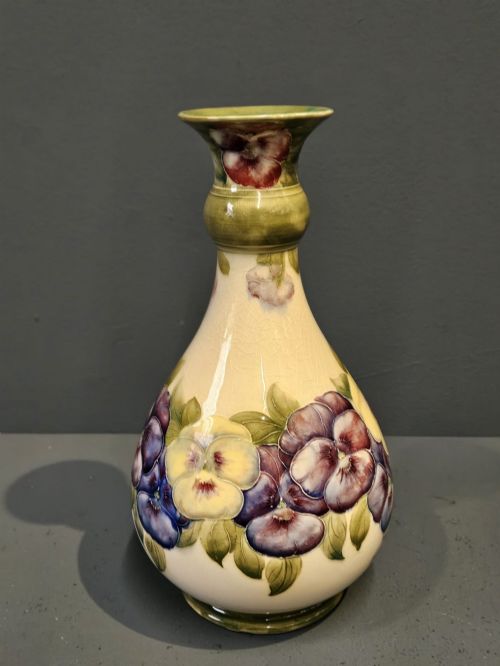
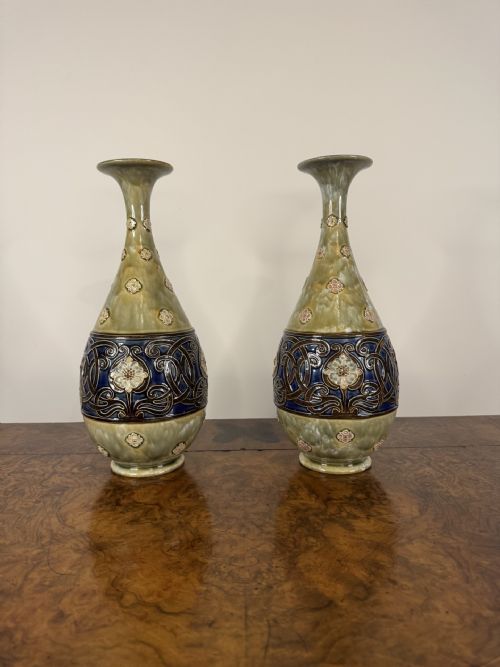
Green Ceramic Art Vase
A green ceramic art vase brings rich colour and organic form into a room, spanning periods from Victorian to Art Deco.
Green Ceramic Art Vase
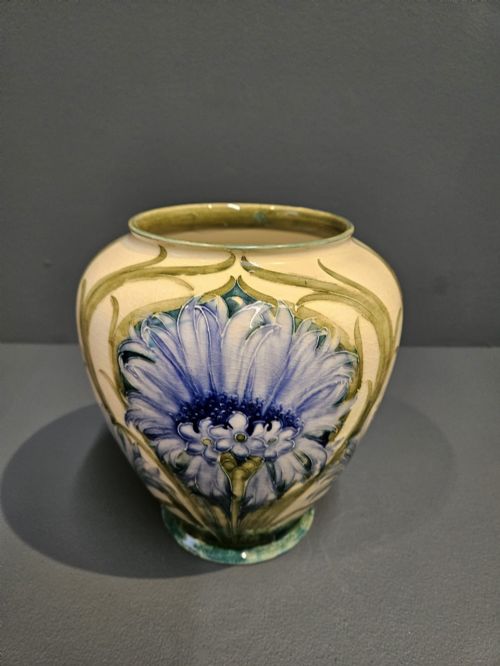
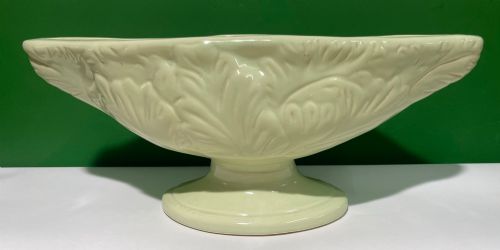
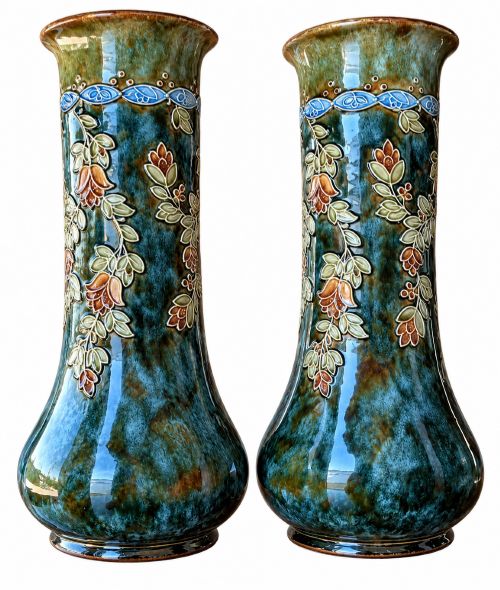
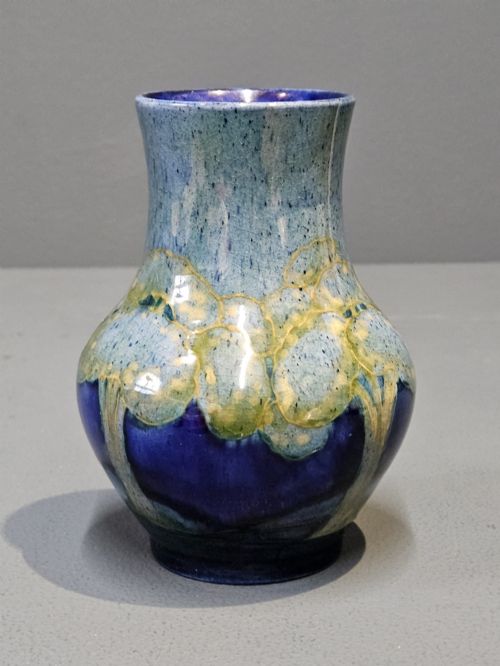
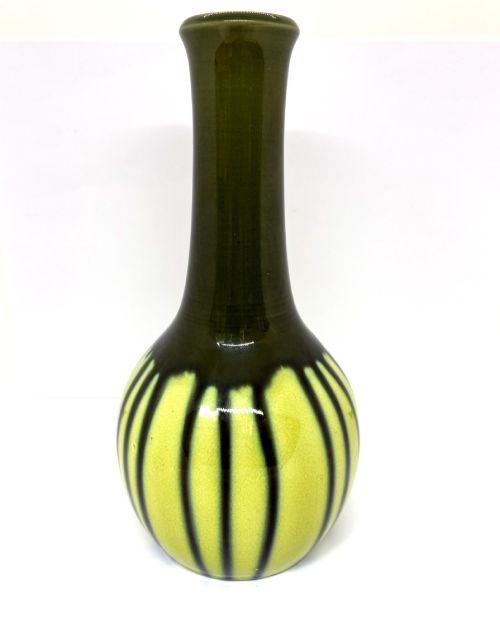
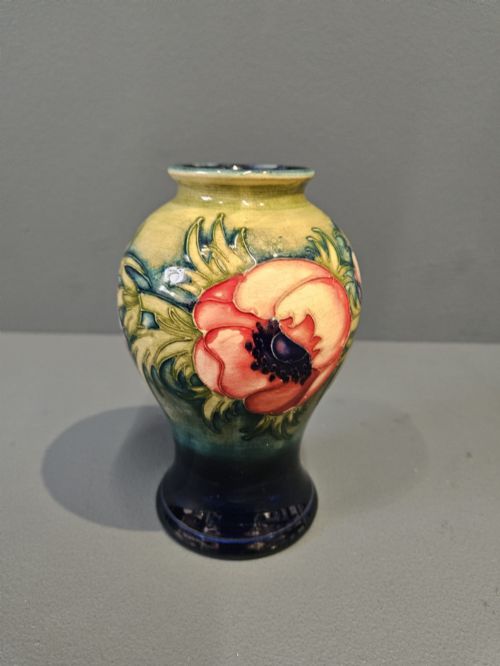
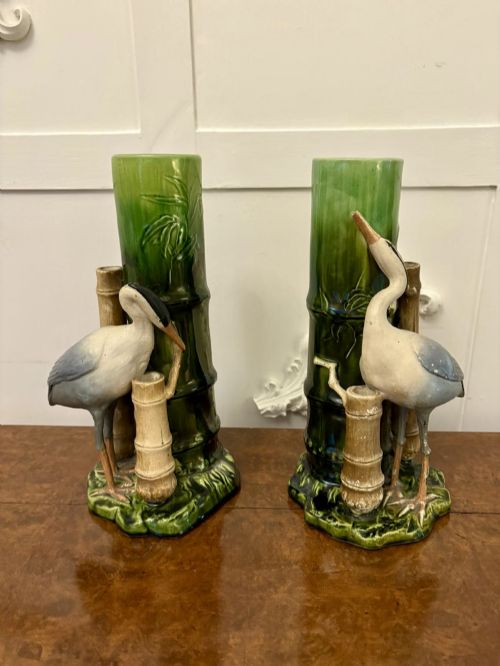
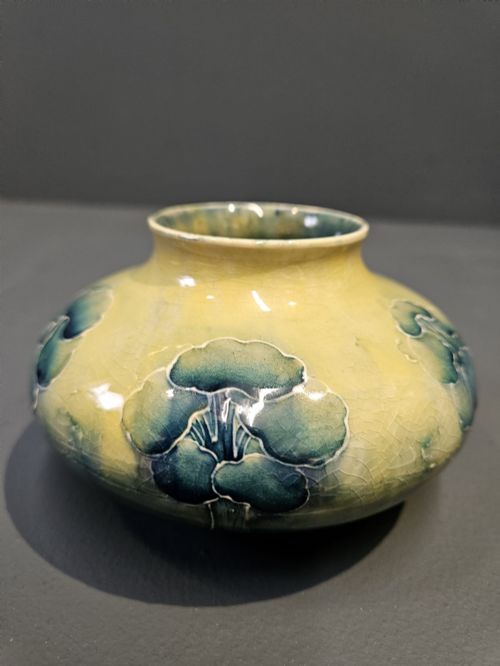
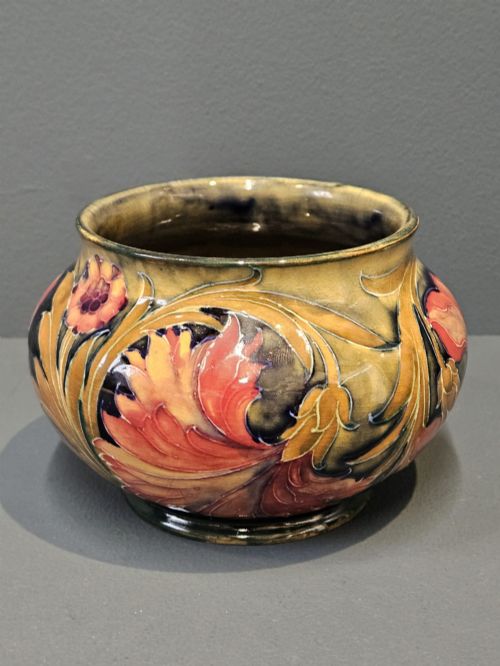
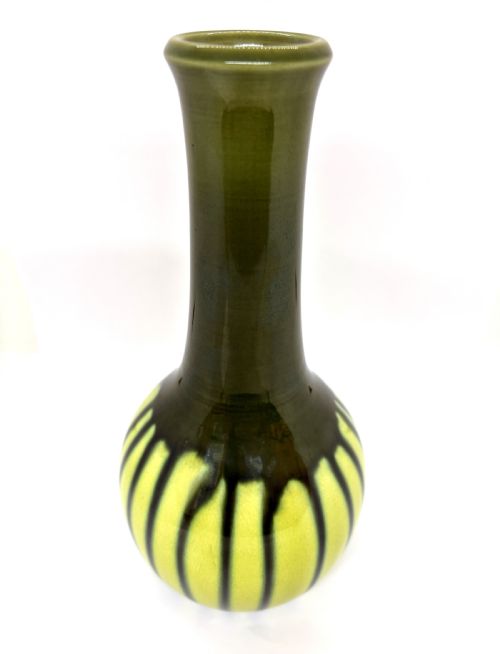
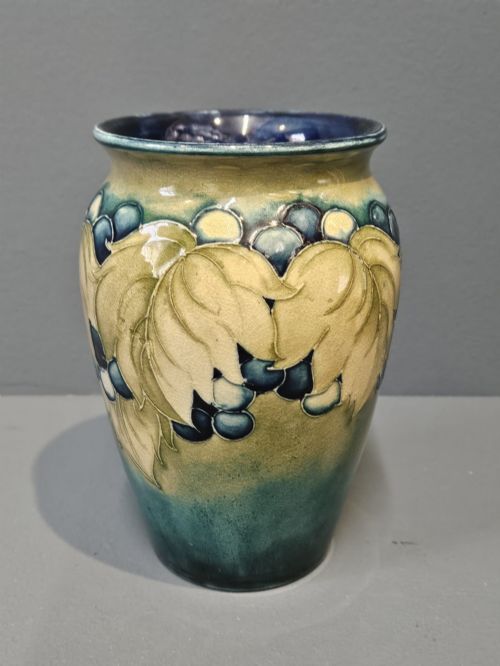
A green ceramic art vase unites the rich natural tones favoured by late nineteenth and early twentieth century makers with sculptural forms. When searching for a green ceramic art vase, buyers encounter earthenware, stoneware and porcelain pieces originating from British studio potteries, large factories and European workshops.
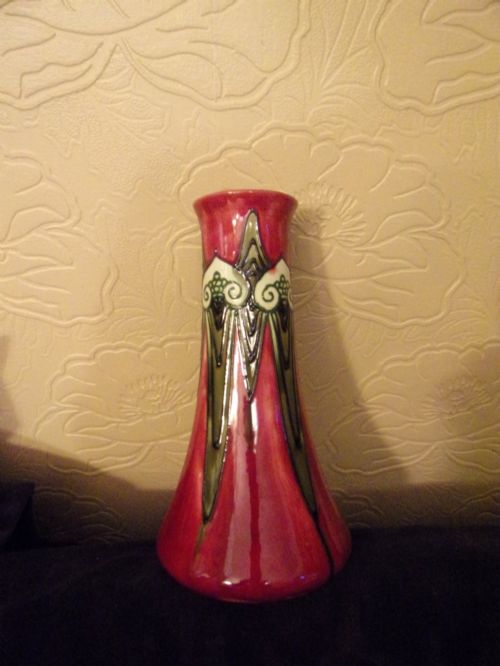
The selection ranges from tall baluster vessels to squat shapes and ewers, often displaying the flowing, plant-inspired lines of the Art Nouveau and Arts and Crafts movements. Many examples carry specific glaze effects, from lustres to tube-lined patterns, reflecting the technical experiments of the period.
Makers in this category encompass major names such as Moorcroft, Doulton Lambeth and Burmantofts, alongside continental works by Ernst Wahliss and Royal Dux. These objects served as decorative centrepieces in period homes and continue to function as focal points in contemporary interiors.
How they were made
Potters utilised earthenware, stoneware and porcelain as the primary bases for these vessels, shaping them on the wheel or casting them in moulds. The bodies were then fired before receiving detailed surface treatments.
Glazes define the character of these pieces, utilising metallic oxides to achieve deep greens, celadon shades and lustre effects. Techniques such as tube-lining created raised outlines that held pools of coloured glaze on the ceramic surface.
Green Ceramic Art Vase Retail Price Guide 2026
Typical asking prices for green ceramic art vase among the pieces listed under this phrase on Sellingantiques today, from the lower quarter to the upper quarter. They describe what is for sale here now, not the wider market.
Listings feature works from the Victorian, Edwardian, Art Nouveau, Arts and Crafts, and Art Deco periods, created in earthenware, stoneware, and porcelain.
What varies in quality
Quality rests upon the precision of the modelling and the depth of the glaze chemistry, which separates standard production wares from ambitious studio pieces. Hand-painted designs and complex tube-lining executed by named artists command greater attention.
The crispness of the applied decoration and the balance of the form determine the success of an individual vase. Pieces that retain strong, unblemished colour surfaces display the technical mastery achieved by leading potteries.
Moorcroft·Burmantofts Pottery·Royal Doulton Lambeth·Ernst Wahliss·Royal Lancastrian
The Green Ceramic Art Vase Glossary
- Earthenware
- Porous pottery fired at lower temperatures, requiring a glazed surface to hold liquids.
- Stoneware
- Dense, impermeable ceramic fired at high temperatures, offering durability and a solid body.
- Tube-lining
- A technique where clay slip is squeezed through a nozzle onto a pot to create raised outlines for glazes.
- Lustre
- A type of ceramic glaze that imparts an iridescent metallic sheen upon firing.
- Baluster
- A vase form with a rounded body that tapers upward into a narrower neck.
Green Ceramic Art Vase: Frequently Asked Questions
How do I identify a studio pottery vase?
Studio pottery vases often bear incised artist signatures, workshop monograms or specific impressed factory marks on the underside. Examination of the base reveals the hand-finished nature of the ceramic body.
Many pieces also reflect the individual style and glaze recipes associated with specific makers active during the late Victorian and Edwardian eras.
Where should I display a decorative ewer?
A decorative ewer suits placement on a sideboard, mantelpiece or open shelf where its profile and handle can be appreciated from multiple angles. Pairing it with complementary ceramics enhances its visual impact.
Ensure the surface is stable and protected from heavy foot traffic, as these antique vessels require careful placement.
What is the difference between earthenware and stoneware?
Earthenware is fired at lower temperatures, resulting in a porous body that requires glaze for water tightness. Stoneware undergoes a higher firing temperature, vitrifying the clay into a dense, non-porous material.
Stoneware vessels typically feel heavier and display greater resistance to chips and knocks compared to standard earthenware.
How do I care for antique ceramic vases?
Dust antique ceramic vases gently with a soft, dry cloth to prevent accumulation on textured surfaces. Avoid using harsh chemical cleaners or submerging pieces with vulnerable glazes in water.
Keep them away from direct sunlight and sudden temperature fluctuations to preserve the integrity of the glaze and ceramic body.