




Green Bronze Sculpture
Green bronze sculpture brings together cast metal figures and scholarly subjects, offering a tactile connection to classical antiquity and the twentieth-century salon.

Green Bronze Sculpture
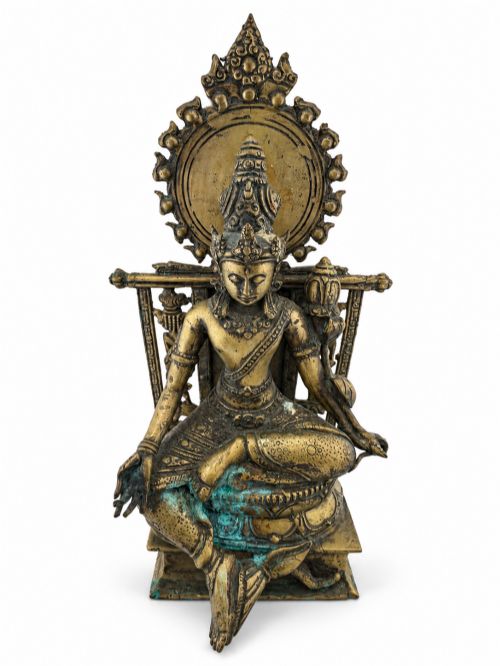
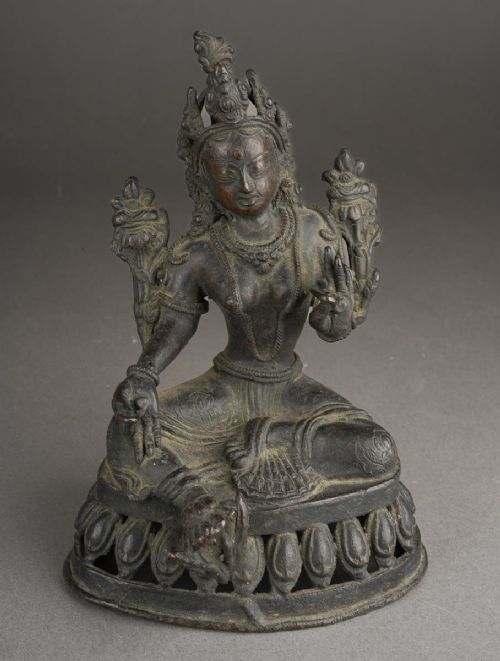
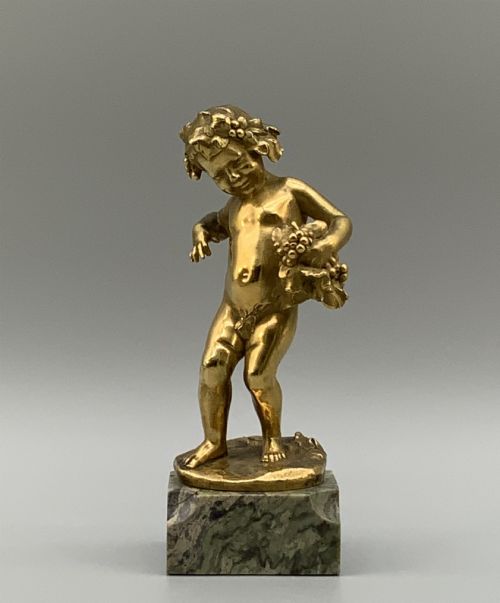
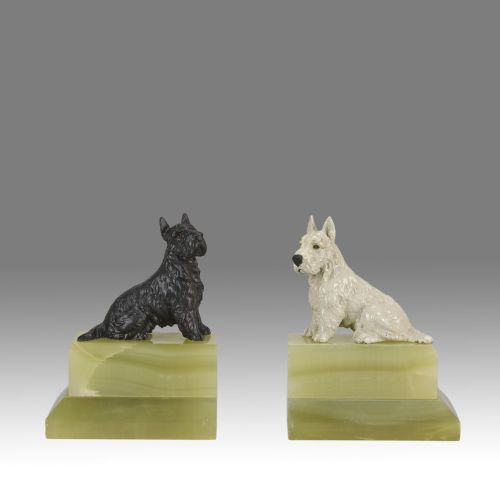
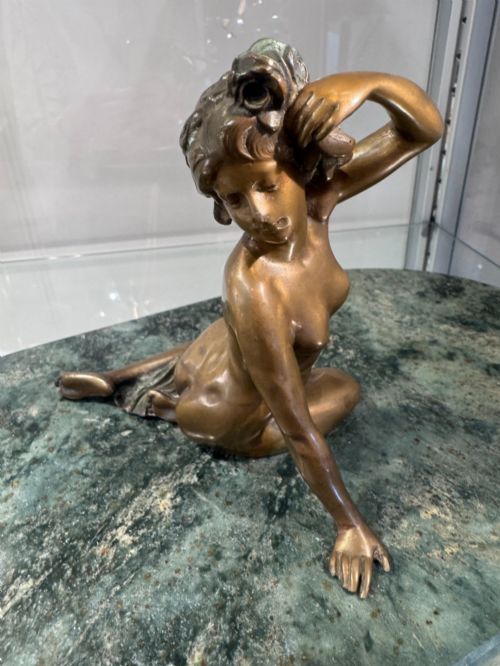
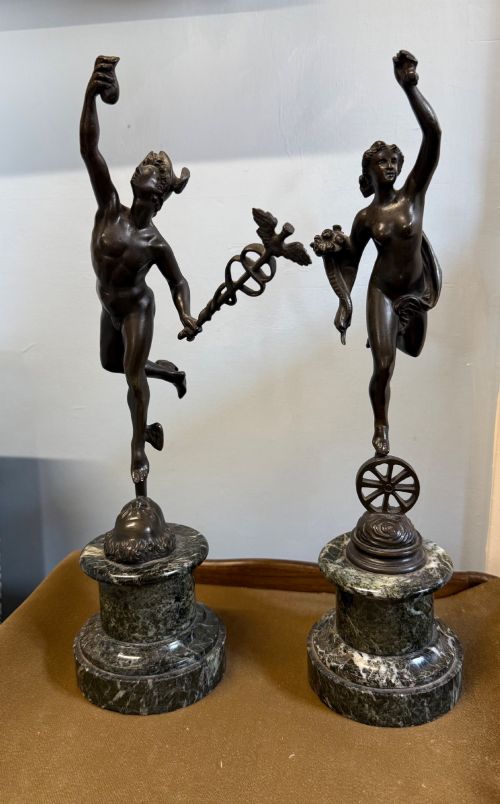
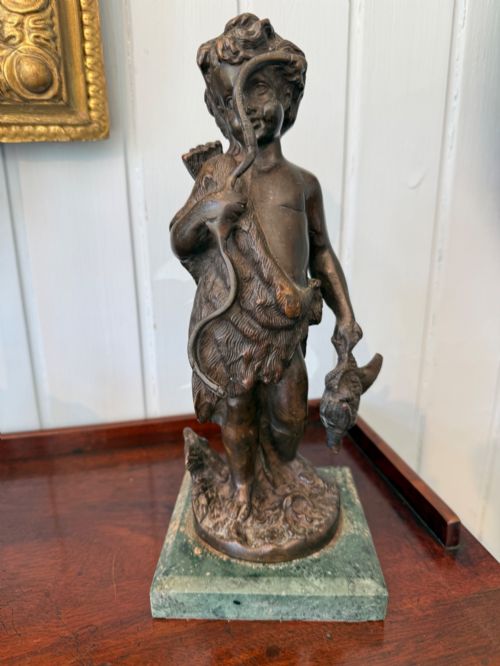
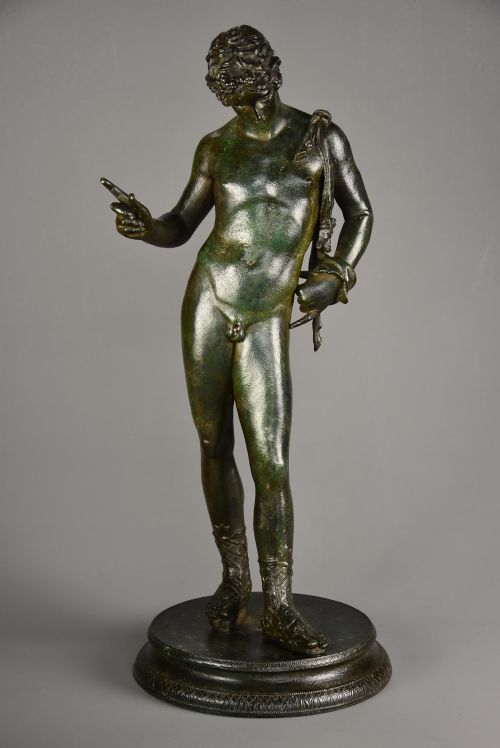
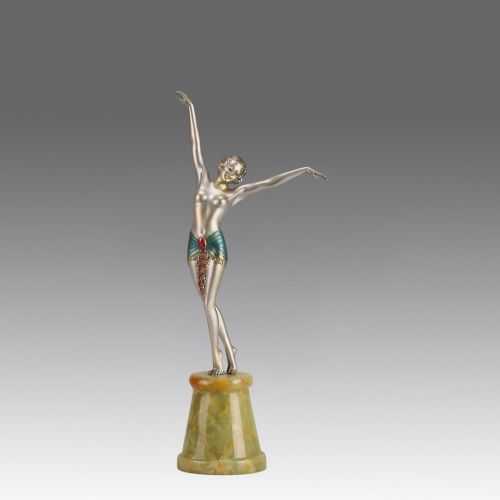
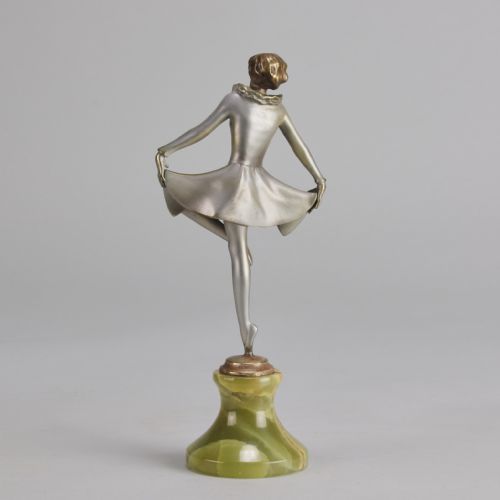
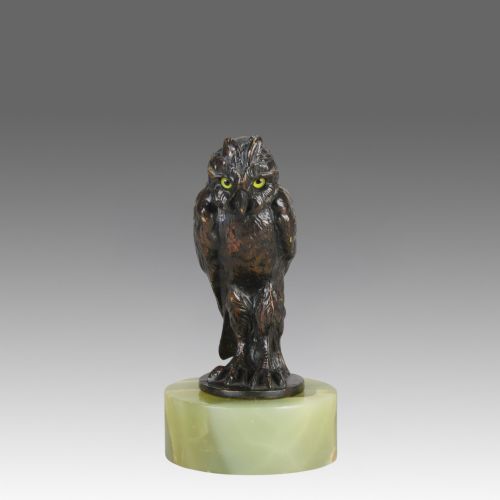
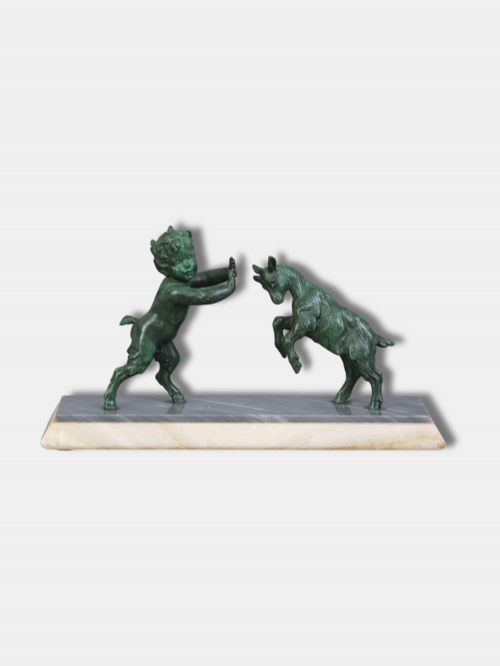
A green bronze sculpture encompasses figurative works, portrait busts, animals, and mythological subjects cast in metal and finished with patination that mimics aged verdigris. Collectors encounter nineteenth-century Grand Tour casts alongside early twentieth-century Art Deco dancer figures and Austrian cold-painted animal studies. Many of these pieces integrate stone plinths, combining heavy metalwork with bases of marble or onyx.
The selection ranges from neoclassical reductions of ancient statues to spirited animalier studies and theatrical bird caricatures. Works inspired by the Grand Tour frequently replicate canonical antiquities like the Canova lions or the Narcissus, while later pieces capture the dynamic movement of dancers or the intricate plumage of birds. These objects served as decorative cabinet bronzes or substantial desk ornaments in domestic interiors.
How they were made
The physical construction of these sculptures relies principally on metal casting, where molten bronze is poured into moulds to capture fine anatomical and decorative detail. Artisans then applied chemical treatments to the metal surface, producing characteristic green patination or verdigris effects that simulate ancient weathering. Cold-painted techniques also appear, applying pigment directly onto the cast metal surface without subsequent firing.
Many sculptures incorporate contrasting structural elements, mounting the cast metal directly onto carved bases of green marble, black marble, or onyx. Certain figures incorporate mixed media details, such as ivory accents or painted highlights, enhancing the textural variety of the finished object. Artisans utilised chisels and files to refine the metal after casting, sharpening edges and defining hair, drapery, and feathers.
Green Bronze Sculpture Retail Price Guide 2026
Typical asking prices for green bronze sculpture among the pieces listed under this phrase on Sellingantiques today, from the lower quarter to the upper quarter. They describe what is for sale here now, not the wider market.
Listings feature periods spanning from the mid nineteenth century through the Art Deco era, alongside materials including marble, onyx, and gilt bronze.
What varies in quality
The quality of a green bronze sculpture rests upon the crispness of the metal chasing and the depth of the surface patination. Superior casts retain sharp anatomical articulation and delicate surface textures without softening in the details, whereas lesser examples suffer from worn mould lines and muddy finishing. The integration between the metal figure and its stone base also indicates standard, with finer works showing secure, flush mountings.
Artistic authorship and foundry reputation further distinguish the tiers within this field, separating commercial production pieces from signed works by recognised modellers. The nuance of the green colour application dictates visual success, where subtle tonal variations achieve a convincing aged finish instead of a uniform, flat coat of paint.
Charles Louis Malric·Susse Freres·Josef Lorenzl·Emile Carlier·Jules Bonheur·Antoine L Barye·Henry Wissen Senior·Gotthilf Jaeger
The Green Bronze Sculpture Glossary
- Patination
- The chemical or natural surface coloration of metal achieved through oxidation or applied treatments. This process transforms the raw bronze into shades of brown, black, or green.
- Grand Tour
- A nineteenth-century cultural tradition where travellers collected classical antiquities and reductions of famous sculptures in Italy. These souvenirs formed the basis of many domestic display collections.
- Animalier
- A nineteenth-century French artistic movement focusing on realistic and dynamic depictions of animals. Sculptors in this tradition studied anatomy closely at menageries.
- Cold-painted bronze
- A manufacturing method where polychrome paint is applied to a finished bronze casting without undergoing a high-temperature firing process. This technique became prominent in Austrian workshops.
- Spelter
- A zinc alloy frequently utilised as a less expensive substitute for bronze in decorative figures. It accepts metallic finishes and patinas designed to mimic heavier bronze casts.
Green Bronze Sculpture: Frequently Asked Questions
What is green patination?
Green patination is a chemical surface finish applied to bronze to simulate the natural oxidation that occurs over centuries of exposure. It gives the metal a weathered verdigris appearance prized by collectors of classical and Grand Tour subjects.
This coloration highlights the sculptural details and provides an antique aesthetic distinct from polished or dark brown bronze finishes.
How should I clean my bronze sculpture?
Cleaning requires only gentle dusting with a soft, dry cloth to prevent the accumulation of grit in recessed details. Avoid using commercial metal polishes, water, or chemical solvents, as these substances can strip the original patina and damage the surface.
Keeping the piece in a stable environment away from excessive moisture preserves both the metal and any integrated marble or onyx bases.
What is a Grand Tour sculpture?
Grand Tour sculptures are miniature or reduced-scale copies of famous ancient monuments and classical statues acquired by travellers in Europe during the nineteenth century. These pieces allowed collectors to bring museum-quality art into private libraries and studies.
They are typically cast in bronze with dark or greenish patinas and frequently mounted on stone plinths.