
Green Botanical Art
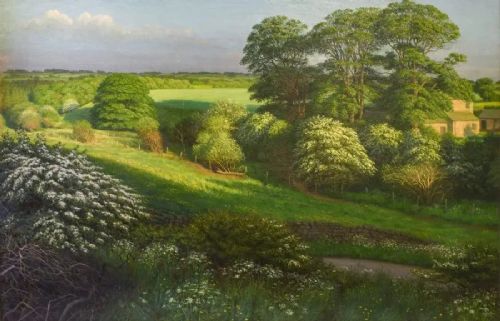
Green botanical art gathers floral studies, tropical bird prints, and verdure landscapes in paper, canvas, and glass.
Green Botanical Art
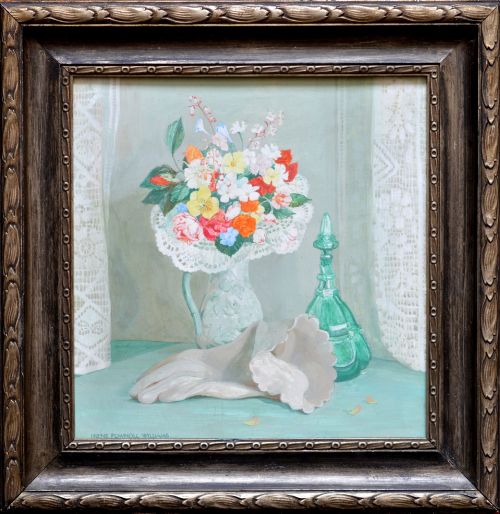
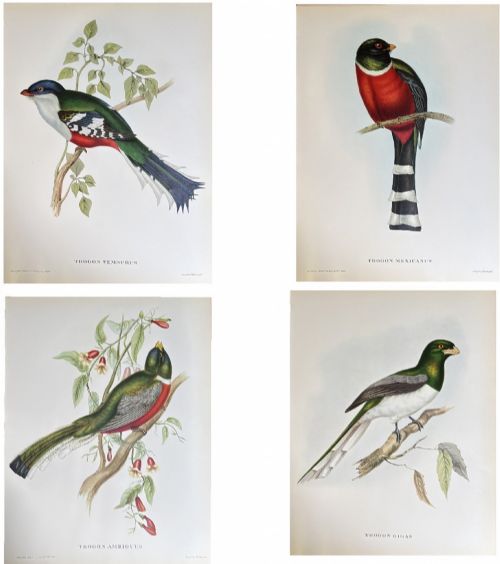
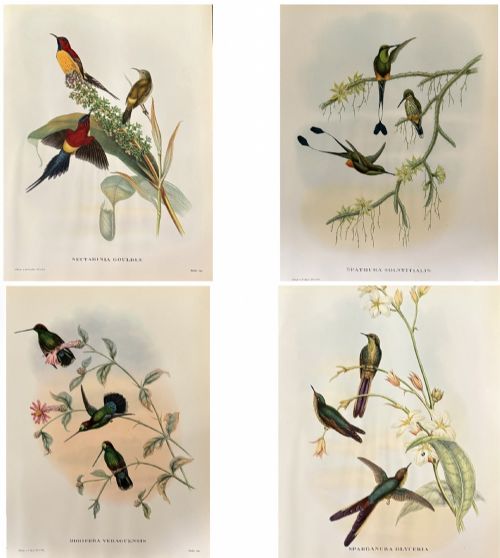
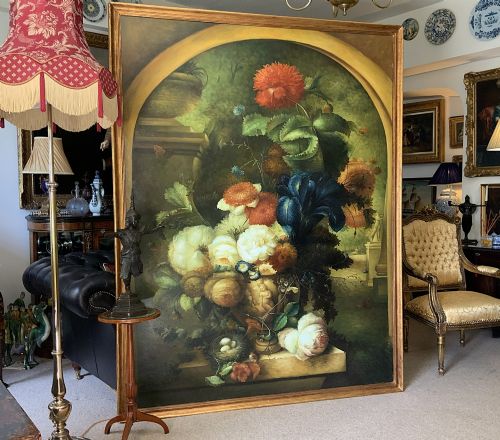
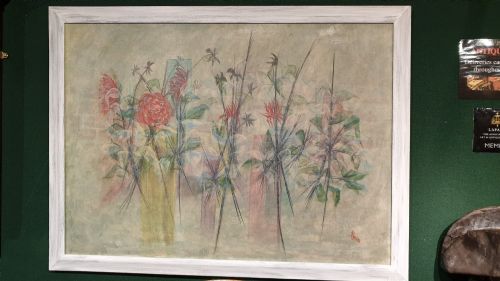
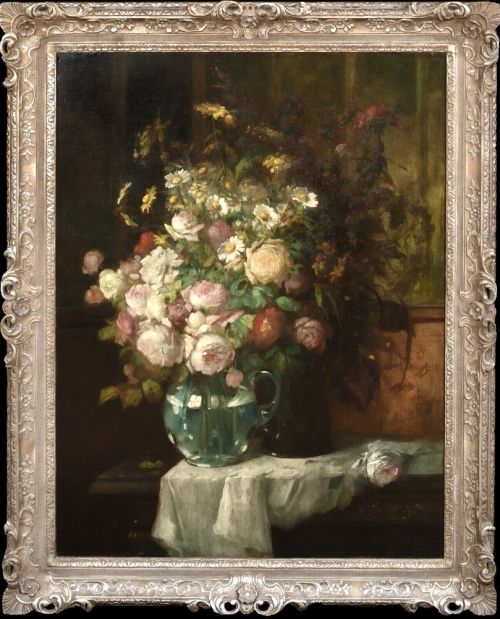
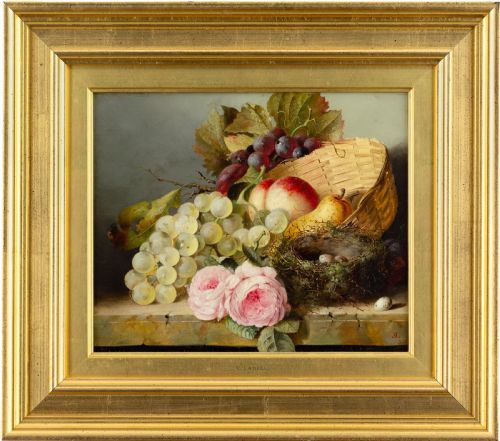
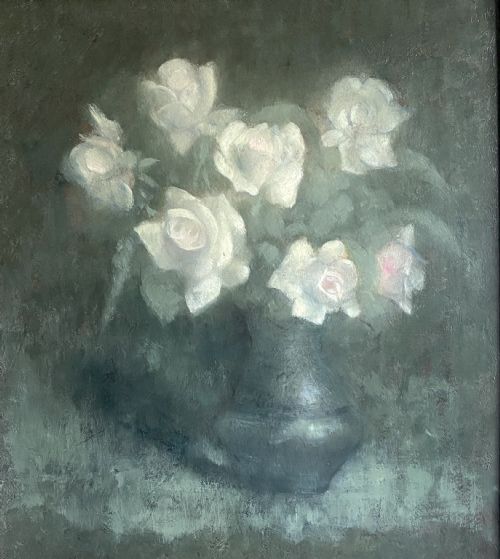
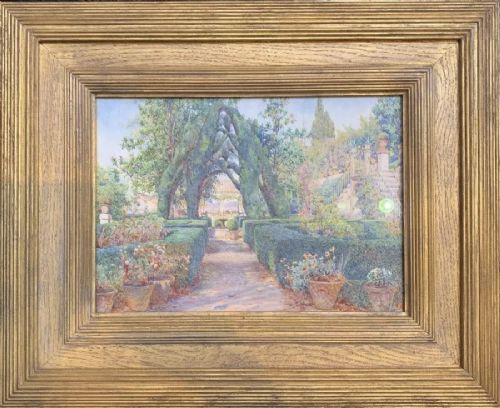
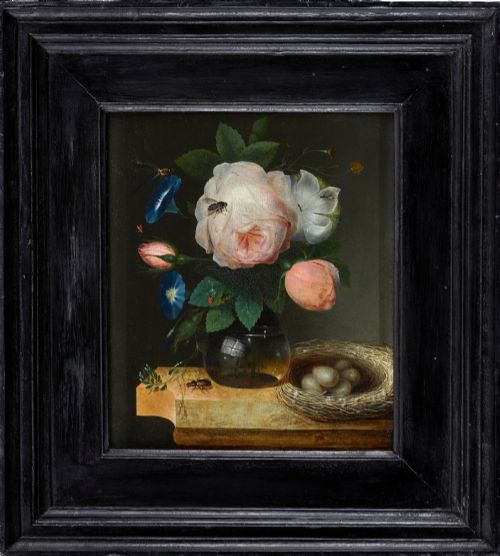
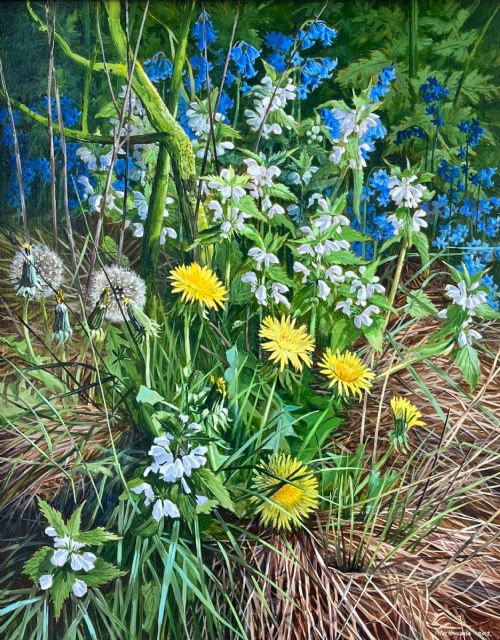
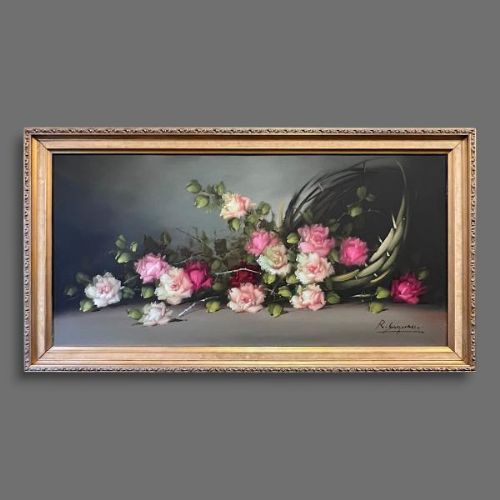
Green botanical art spans nineteenth-century watercolour studies, twentieth-century oil paintings, and hand-coloured lithographs depicting flora and foliage. Buyers seeking this category encounter framed botanical illustrations alongside floral still life paintings rendered in oils, gouache, and tempera.
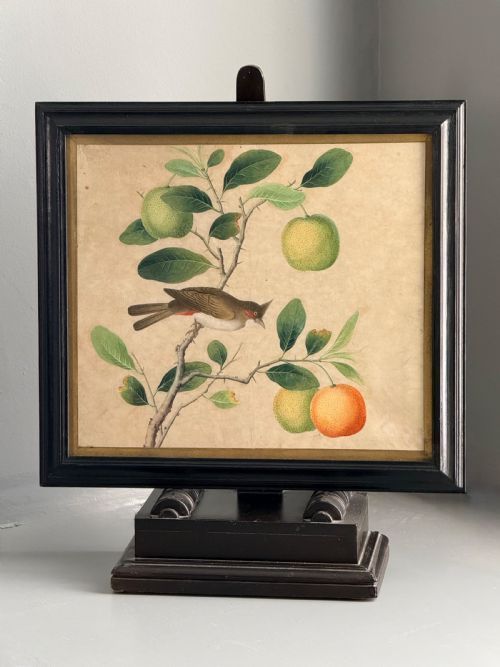
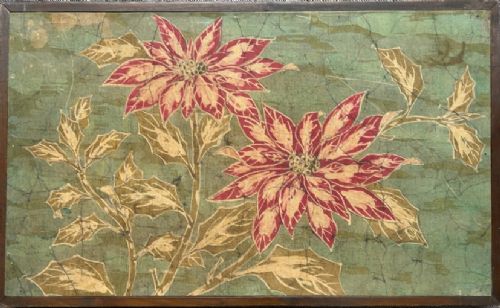
Pith paper, silk, and wood panels form the base of various works, reflecting diverse approaches to depicting plants and natural settings across multiple centuries.
Materials and techniques
Watercolour, gouache, and oil paint provide the primary colouring agents applied to paper, canvas, and wood panels. Artists utilised fine brushes to capture botanical accuracy in studies, while printmakers produced coloured lithographs.
Textile pieces incorporate silk and wool threads in needlework and tapestry techniques, creating verdure scenes with rich foliage. Glass and pottery items employ moulding and glazing methods to render floral forms and cameo designs.
Parrots, parakeets, and tropical birds frequently peer out from the foliage across these botanical studies.
Factors of quality
Detail and precision separate standard decorative prints from accomplished hand-painted watercolours and oil paintings. The handling of pigment, depth of colour, and botanical accuracy indicate the skill of the artist.
The preservation of the paper, canvas, or textile surface influences the desirability of each piece. Intact framing and original mounting contribute to the integrity of older works.
Irene Christobelle Pownoll Williams·Konstantin Stoitzner·Edward Ladell·Gaspar Peeter Verbruggen·John Sherrin·James Tower·Emile Galle·Daum Freres·Sir Edmund Elton·William Duffield
The Green Botanical Art Glossary
- Gouache
- An opaque watercolour paint that dries to a matte finish. It provides dense colour saturation suitable for detailed botanical studies on paper.
- Lithograph
- A print produced from a stone or metal plate. This technique allowed nineteenth-century publishers to distribute coloured botanical plates widely.
- Verdure tapestry
- A wall hanging featuring predominantly green foliage and landscape scenes. These textiles often depict stylised trees, plants, and occasional birds.
- Pith paper
- A delicate material prepared from the cellular pith of the rice-paper plant. Nineteenth-century artists used it in Asian export painting for its luminous surface quality.
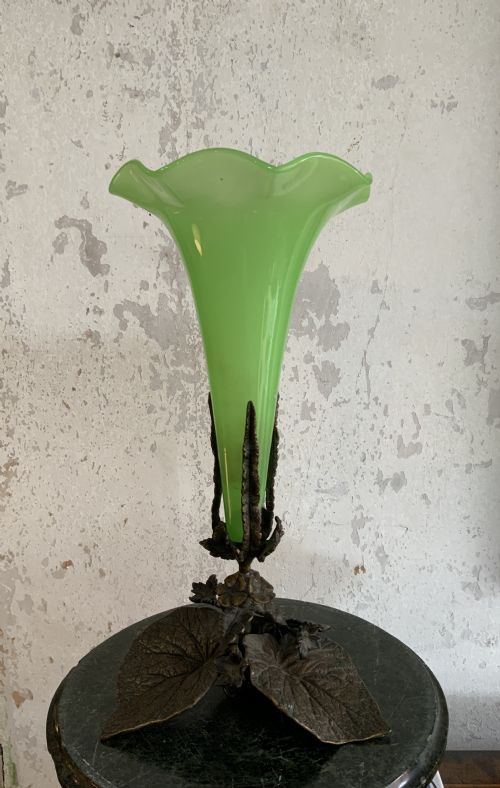
- Epergne
- A decorative centrepiece bowl with multiple branching holders. Victorian examples in uranium glass combine functional glassware with sculptural botanical silhouettes.
Green Botanical Art: Frequently Asked Questions
What periods do these pieces date from?
The inventory encompasses items from the seventeenth century through to the mid-twentieth century. Victorian and Edwardian examples appear frequently alongside twentieth-century oil paintings.
Earlier centuries are represented by European tapestries and classical floral still life compositions.
How should I display paper botanical prints?
Paper and watercolour pieces require mounting behind glass with acid-free materials to prevent degradation. Direct sunlight causes fading in historic watercolours and lithographs.
Positioning them away from moisture sources protects the paper support and underlying pigments.
What is the difference between a study and a still life?
Botanical studies focus on the accurate recording of plant species, often detailing leaves, stems, and flowers for scientific or instructional purposes. Still life paintings arrange flora and fruit within an artistic composition.
Studies prioritise precise observation, whereas still life works emphasise light, colour arrangement, and domestic setting.
Are textile wall hangings fragile?
Antique tapestries and needlework panels require gentle care to preserve wool and silk threads. Minimising direct handling and avoiding humid environments helps maintain the textile fibres.
Professional mounting provides necessary structural support for large wall hangings.