


Vintage Plant Engraving
These vintage plant engraving pieces bring botanical precision into rooms, offering framed prints from past centuries that suit studies and libraries.
Vintage Plant Engraving
A vintage plant engraving search reveals framed prints and botanical prints on paper, often showing detailed studies of flora and insects. These works capture scientific observation from periods spanning the eighteenth and nineteenth centuries.
Buyers meet framed art and sets of prints originating from publications like Herbier Général de l'Amateur and Plantae Selectae. The selection includes works by notable botanical illustrators rendered in ink and colour upon paper.
How they were made
These works rely on copper plates inked and pressed onto paper, frequently finished with hand-colouring to render natural hues. The printing technique allows for fine lines that delineate plant structures and insect details.
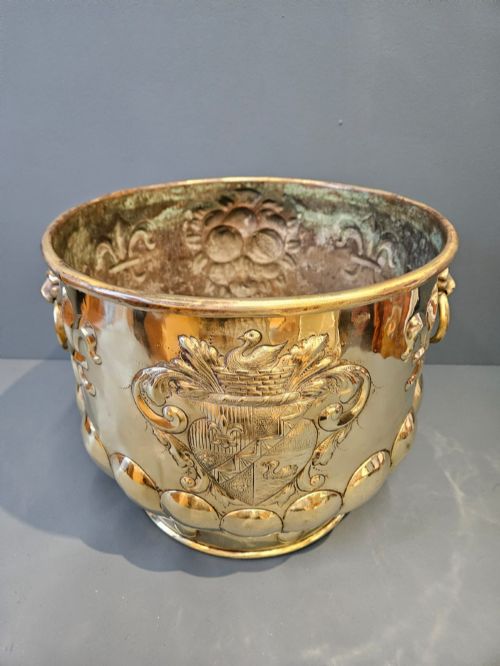
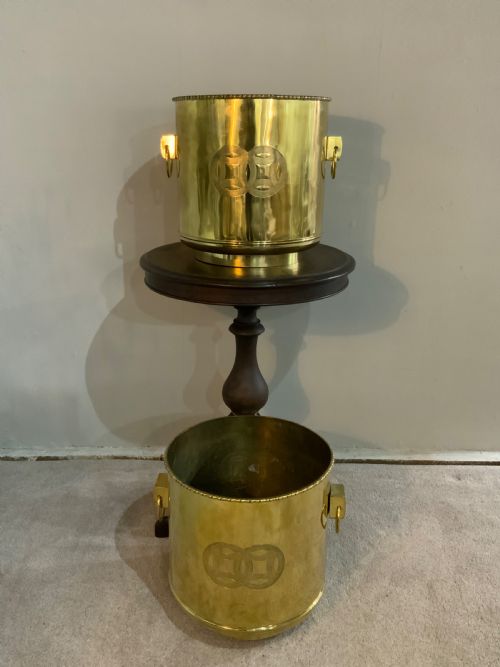
Framing materials incorporate wood and glass to protect the paper prints, while related items utilise brass and bronze for planters and jardiniere vessels.
Materials across these listings include paper, ink, copper, brass, bronze, wood, and glass.
What varies in quality
Quality rests upon the crispness of the plate impression and the subtlety of the hand-colouring applied to the paper. Earlier impressions retain sharper lines before wear affects the copper plate.
The provenance and association with recognised botanical illustrators elevate specific sets above standard decorative prints from the same period.
Pancrace Bessa·John Curtis·Georg Wolfgang Knorr·George Dionysius Ehert
The Vintage Plant Engraving Glossary
- Engraving
- A printmaking technique where an image is incised into a copper plate with a burin. The resulting grooves hold ink to transfer onto paper under pressure.
- Botanical print
- An illustration depicting the form, colour, and details of plant species. These plates served both scientific documentation and decorative purposes.
- Hand-coloured
- The application of watercolours or tints by hand to a printed monochrome engraving. This process enhances the natural appearance of leaves and blossoms.
- Plate mark
- The indentation left on paper by the edges of a printing plate under the press. Its presence confirms an authentic antique print technique.
Vintage Plant Engraving: Frequently Asked Questions
How should I hang these prints?
Keep framed pieces away from direct sunlight to prevent the paper and hand-colouring from fading over time.
Grouping sets together in matching wooden frames creates a balanced display reminiscent of period study rooms.
Are these original period prints?
The listings comprise works printed during the eighteenth and nineteenth centuries from historical botanical publications.
Examine the paper quality and plate marks to understand the age and production method of each piece.
How do I care for antique paper?
Maintain stable humidity levels in the room to protect the paper substrate from moisture damage and warping.
Ensure framing uses acid-free backing materials to preserve the integrity of the engraving over the decades.
What subjects appear besides plants?
Several botanical plates incorporate detailed illustrations of insects alongside the flora to show natural ecosystems.
These additions reflect the scientific approach of period natural history documentation and classification methods.