


Victorian Floral Print
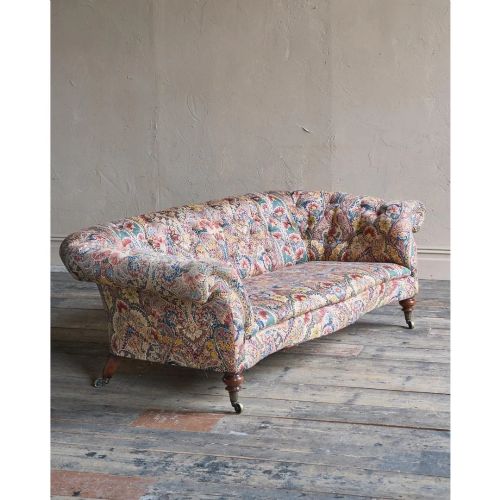
These Victorian floral print pieces bring nineteenth-century botanical studies and hand-coloured botanical subjects into your rooms with immediate charm.
Victorian Floral Print
A Victorian floral print or related botanical work captures the nineteenth-century passion for natural history through detailed studies of flowers, plants, and insects.
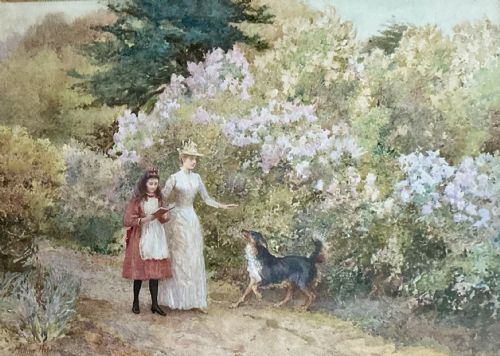
You are most likely to encounter framed watercolours, engravings, and decorative prints dating from the mid-nineteenth century to the Edwardian period.
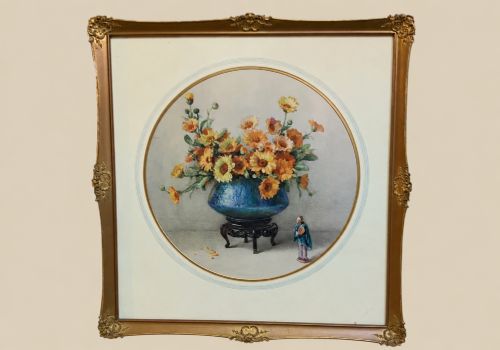
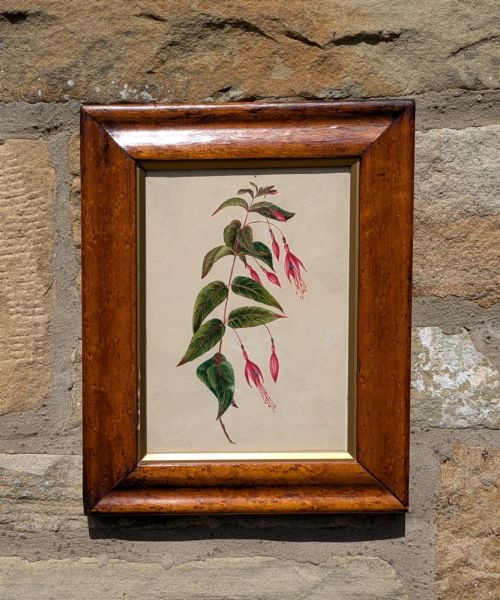
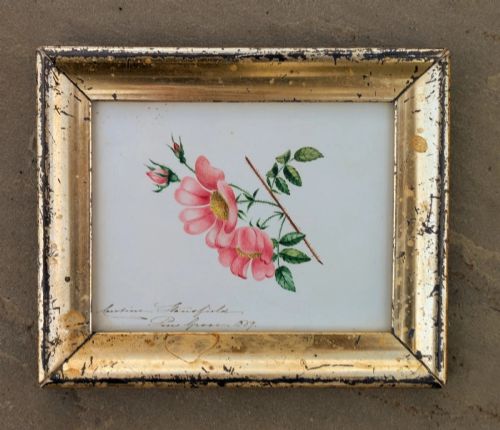
The selection ranges from precise scientific plates by known illustrators to atmospheric still lifes depicting marigolds, fuchsias, wild roses, and azaleas.
Materials and Techniques
Works of this period typically utilise paper supports, often framed behind glass, carrying delicate watercolour pigments or fine engraved lines.
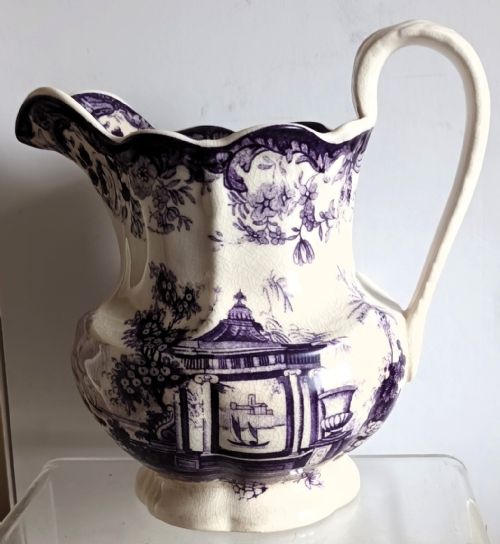
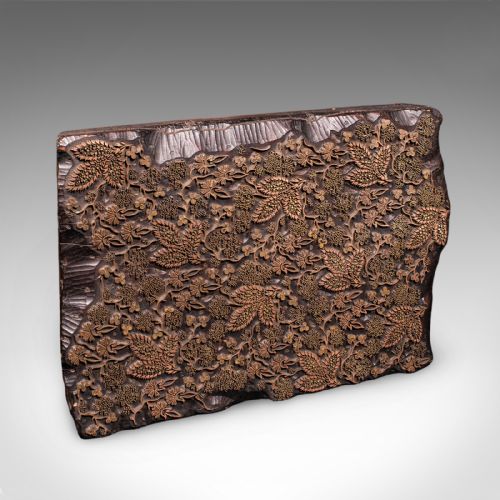
Publishers and artists also employed specialised techniques such as transfer printing on ceramics and wood-block fabric printing for related domestic items.
Makers mounted these botanical compositions in timber frames, frequently incorporating mahogany or other traditional woods suited to domestic display.
The listings here span the nineteenth century into the Edwardian era, featuring paper, watercolour, and engraved works.
Understanding Quality
Quality rests upon the precision of the botanical draftsmanship and the fidelity of the colouring, distinguishing meticulous scientific illustration from mass production.
The depth of the paper's survival, the preservation of original pigment vibrancy, and the appropriateness of the framing further elevate the standing of a piece.
Named artists and documented illustrators command greater attention from collectors than anonymous decorative prints of the same era.
Arthur Hopkins·Charles Burton Barber·Charlotte Isa James·John Curtis·John Sherrin·Helen Cordelia Angell
The Victorian Floral Print Glossary
- Watercolour
- A painting method where the pigments are suspended in a water-based solution, widely used for botanical studies on paper.
- Engraving
- A printmaking technique involving the cutting of lines into a plate to hold ink, common in nineteenth-century botanical publications.
- Botanical
- Pertaining to the scientific study or artistic depiction of plants, flowers, and associated insects.
- Aesthetic Movement
- A late nineteenth-century style emphasising visual beauty and decorative arts over narrative content.
Victorian Floral Print: Frequently Asked Questions
How should I hang a delicate watercolour?
Keep works on paper away from direct sunlight to prevent the watercolour pigments and paper grounds from fading over time.
Ensure rooms maintain a stable humidity level to protect both the paper and any historic timber framing.
Are these botanical prints original period pieces?
The selections date primarily from the nineteenth and early twentieth centuries, reflecting authentic production methods of those eras.
Examine the paper texture, printing technique, and framing materials to confirm the period origin of each work.
Can I mix these prints with modern interiors?
Botanical artwork offers a versatile visual element that bridges traditional nineteenth-century aesthetics and contemporary living spaces.
Framed studies of flowers and insects introduce organic forms and gentle colour palettes to plain walls.
How do I identify different nineteenth-century print types?
Engravings show fine, uniform lines under magnification, whereas watercolours display brush texture and pigment pooling.
Hand-coloured engravings combine printed outlines with applied washes of pigment, visible upon close inspection.