



Green Anatolian Rug
These green anatolian rug pieces bring centuries of Turkish weaving tradition into a room through rich vegetal dyes and geometric motifs.
Green Anatolian Rug
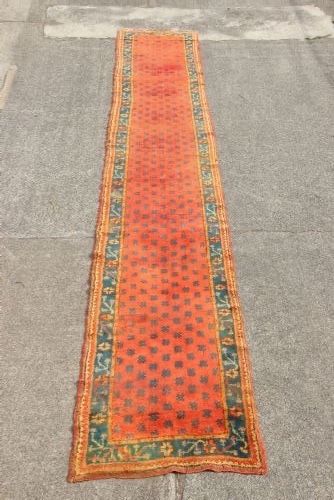
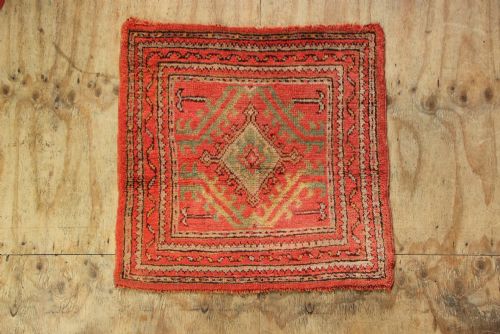
A green anatolian rug encompasses flatweaves and knotted carpets originating from Anatolian village and town workshops across the nineteenth and early twentieth centuries. Pieces range from long narrow runners and square formats to intimate prayer rugs featuring Konya, Kirsehir, and Ghiordes designs.
Buyers encounter distinct regional aesthetics spanning grand Ushak carpets with unusual green fields to tribal Bergama and Dazkiri village rugs. The selection leans heavily towards traditional Turkish weaving styles produced between the mid-nineteenth century and 1900.
Materials and construction
Weavers constructed these carpets using wool for the pile and foundation, frequently incorporating cotton for structural warp and weft threads. Hand-knotted and flatwoven techniques dominated production across different Anatolian village traditions.
Natural dye baths produced the characteristic pistachio, aquamarine, and dark green grounds seen across nineteenth-century prayer rugs and large format carpets.
Green Anatolian Rug Retail Price Guide 2026
Typical asking prices for green anatolian rug among the pieces listed under this phrase on Sellingantiques today, from the lower quarter to the upper quarter. They describe what is for sale here now, not the wider market.
Assessing quality and character
Quality rests in the saturation and depth of the green dye work, particularly on scarce grounds where colour preservation dictates visual impact. Finer knot density and precise geometric or medallion execution elevate village and town pieces.
Structural integrity of the wool pile and wool or cotton foundation determines how well a runner or carpet holds up to modern floor use.
The Green Anatolian Rug Glossary
- Prayer rug
- A small rug featuring a mihrab or niche design intended for ritual prayer. These pieces often display specific regional motifs associated with centres like Ghiordes and Kirsehir.
- Kilim
- A flatwoven carpet produced without a pile by tightly interweaving warp and weft strands. This technique creates a lightweight textile with sharp geometric patterns.
- Oushak
- A term for large scale decorative carpets woven in western Turkey using distinctive knotting and wool qualities. They are known for softer palettes and grand floral or medallion designs.
- Runner
- A long narrow format carpet suited for hallways and corridors. These pieces frequently measure several metres in length.
- Mihrab
- The arched niche design at one end of a prayer rug that mimics the direction of Mecca. It acts as the focal point for the weaver's composition.
Green Anatolian Rug: Frequently Asked Questions
How do I clean an antique rug?
Professional specialist cleaning is essential for antique wool and cotton textiles to prevent dye bleeding or structural damage.
Regular gentle vacuuming without a beater bar removes surface grit between washes.
Are these carpets suitable for heavy traffic?
Sturdier village carpets and thicker pile runners handle moderate foot traffic well in hallways and living spaces.
Finer prayer rugs and delicate flatweaves are better suited to lighter use or wall display.
How can I tell a village rug from an Ushak?
Village rugs like those from Bergama or Dazkiri display bolder, geometric tribal motifs and thicker wool.
Ushak carpets tend towards larger formats with sweeping floral and medallion designs.
What causes the green colour in these rugs?
Weavers achieved green shades using traditional natural dye combinations on wool foundations.
Pistachio and aquamarine tones vary depending on local workshop recipes from the nineteenth century.