


Grand Tour Classical Bronze
Grand tour classical bronze pieces bring the sculpture, mythology and architecture of antiquity into the home through finely reduced metal copies.
Grand Tour Classical Bronze
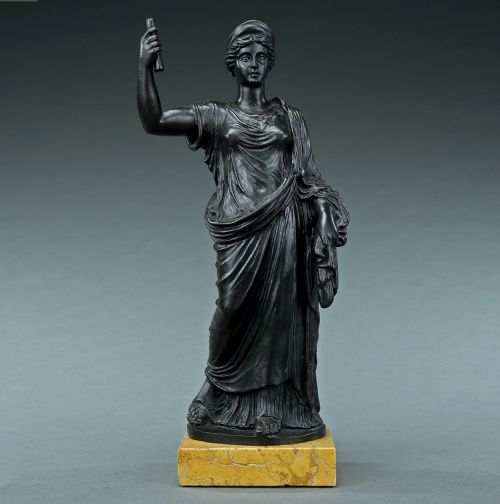
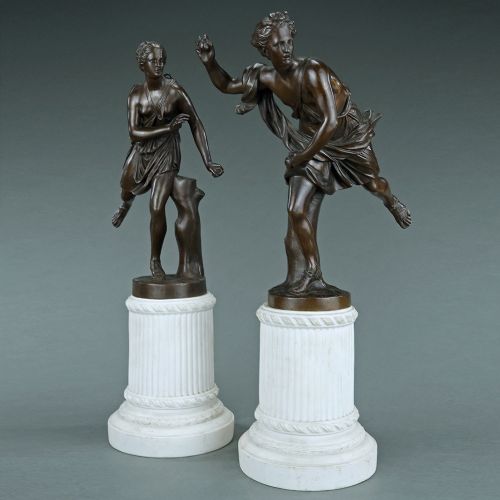
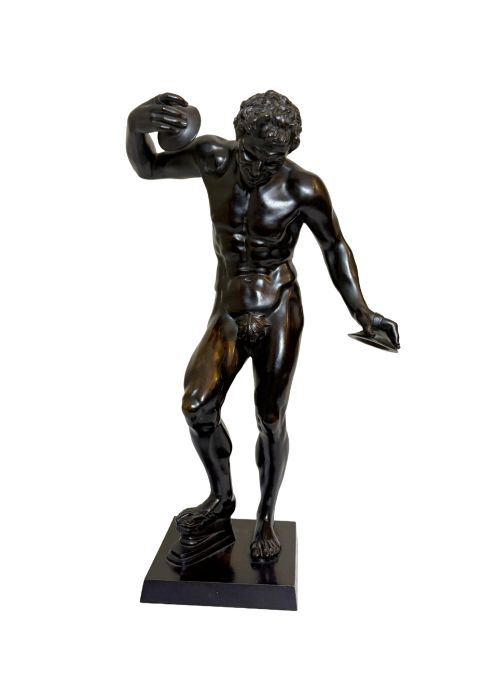
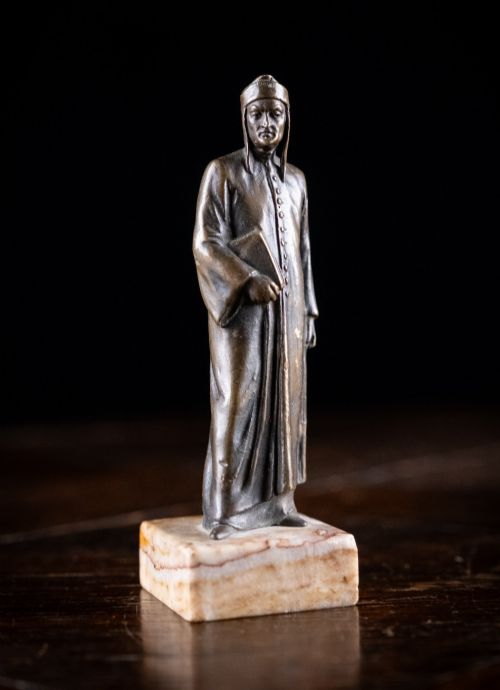
Collectors seeking grand tour classical bronze items encounter reduction casts of famous ancient statues, mythological figures and architectural models produced across the nineteenth century. These metal works served as portable educational souvenirs for travellers touring the archaeological sites and museums of Italy.
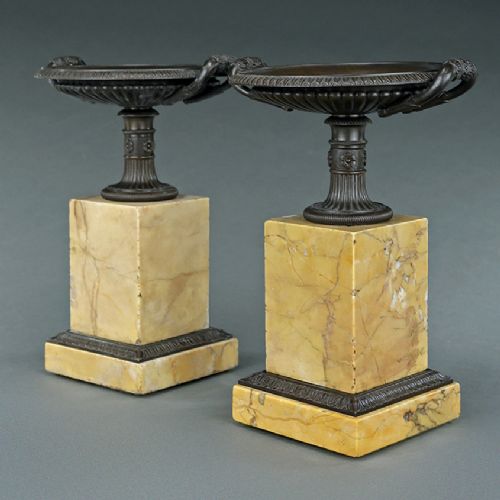
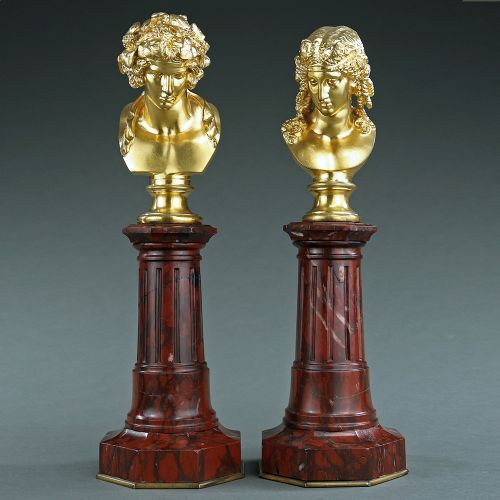
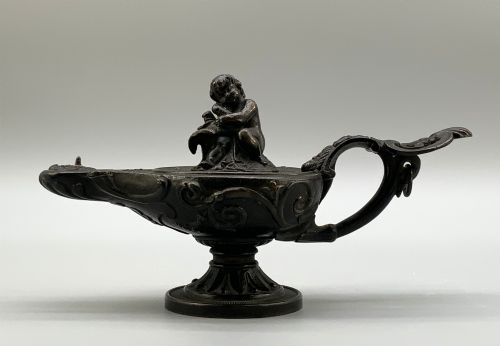
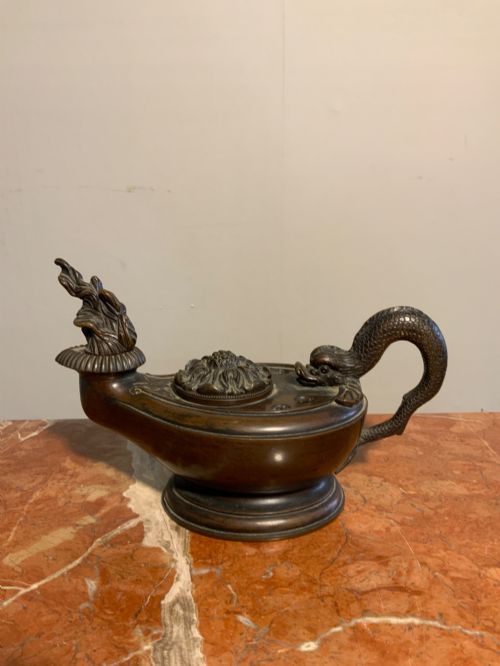
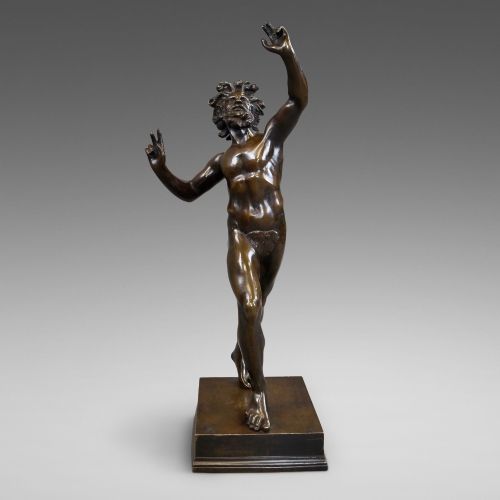
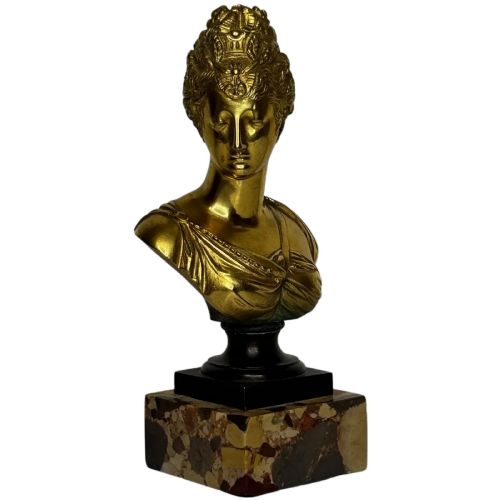
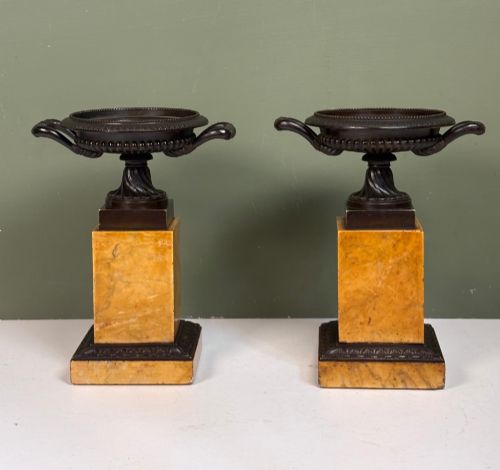
The objects span varied domestic and decorative forms, including freestanding figures of deities and satyrs, ornamental vases, oil lamps, tazzas and inkwells. Many incorporate integral plinths or distinct bases carved from decorative marbles.
Nineteenth-century examples dominate the selection, reflecting the height of European travel to classical sites. Earlier seventeenth-century castings occasionally appear alongside Victorian interpretations.
How they were made
Foundries utilised lost-wax casting methods or sand-casting techniques to replicate ancient marbles and large bronzes at a smaller scale. Molten metal poured into moulds captured intricate details of hair, musculature and drapery.
Makers applied chemical patination treatments to the bronze surface to simulate ancient burial patinas, ranging from deep brown tones to bright verdigris green. Gilt bronze accents and fire gilding highlight ornamental details on vessels and bases.
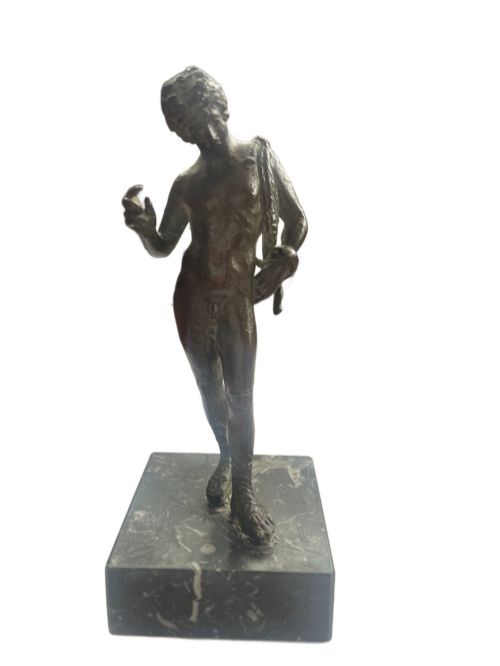
Sculptures and decorative vessels were mounted onto shaped bases of Siena marble, green marble or fossil marble using threaded pins and securing nuts.
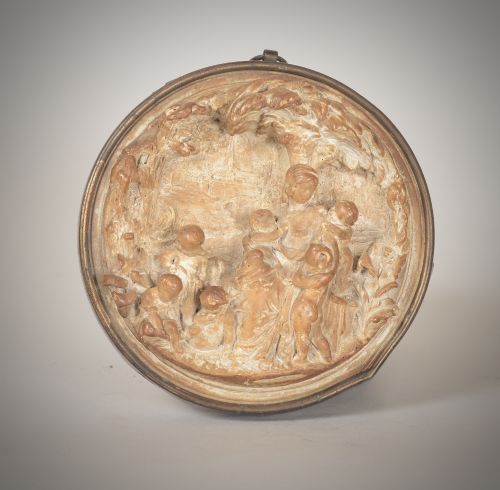
One cheerful cast depicts a child's hand serving as a paperweight.
What varies in quality
The fidelity of the reduction cast dictates the artistic success of the piece, separating sharp, meticulously chased figures from soft, blurry impressions that lose the anatomical definition of the ancient prototype. Skilled chasers refined the cooled metal by hand, defining eyes, fingers and textural elements.
The choice of base materials indicates ambition and cost during production, with figured natural marbles such as Siena and fossil varieties marking superior workshop output compared to plain metal or simpler stones. The weight, density and proportional balance of the bronze relative to its plinth reveal workshop standards.
Signed foundry editions carry distinct provenance and assure consistent metallurgical composition, whereas unmarked souvenir pieces rely entirely on their individual sculptural merit and surface finishing.
Barbedienne·G. Amodio Naples·Émile Louis Picault·Hamo Thornycroft
The Grand Tour Classical Bronze Glossary
- Patina
- The chemical colouration applied to the surface of the bronze. This finish mimics the ageing process of ancient buried metal.
- Reduction
- A scale copy of a larger public sculpture. Nineteenth-century founders created these smaller versions for domestic display.
- Tazza
- A shallow ornamental cup or bowl raised on a stem and foot. Makers cast these in bronze often paired with marble plinths.
- Chasing
- The manual finishing of a raw metal casting using chisels and punches. This process sharpens details and removes casting seams.
- Verdigris
- A green copper patina. It is applied to simulate the oxidation found on antiquities recovered from excavation sites.
Grand Tour Classical Bronze: Frequently Asked Questions
What is a grand tour bronze?
These pieces are nineteenth-century metal miniatures and reductions of famous classical sculptures, architecture and artefacts. European travellers purchased them as educational souvenirs during extended journeys through Italy.
Foundries in Paris, Naples and Rome produced these works to furnish libraries and cabinets of curiosity. They allowed collectors to study ancient mythology and art history at home.
How do I identify the subject?
Figures often depict characters from Greek and Roman mythology, such as fauns, satyrs, deities and heroes. Identifying attributes like cymbals, lion skins or specific stances usually reveal the identity of the subject.
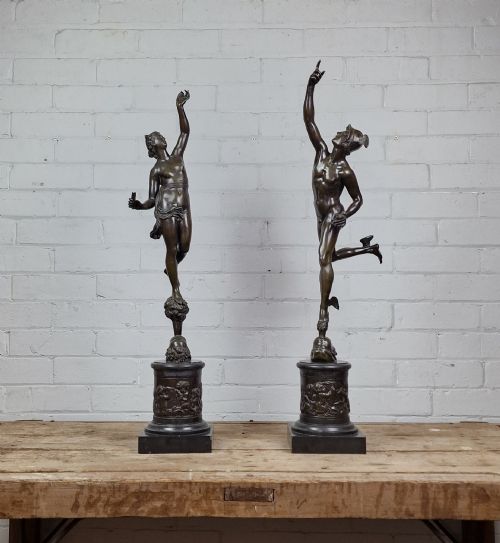
Inscriptions on the base or associated literature help connect figures like Narcissus, Mercury or the Borghese Gladiator to their classical prototypes.
Why are marbles used with bronze?
Coloured decorative stones provided a stable plinth and imitated the material luxury of ancient Roman interiors. Siena marble, green marble and fossil stone added weight and visual contrast to dark patinated metal.
Foundries matched specific marble bases to evoke the archaeological context of the original excavations. This combination enhanced the classical aesthetic of the domestic display object.
How should I clean my bronze?
Dust the surface gently with a soft, dry artist brush to prevent particulate accumulation. Avoid using water, commercial metal polishes or abrasive cloths which strip the patination.
Applying a very light microcrystalline wax preserves the chemical finish against atmospheric moisture. Maintain stable indoor humidity to protect both the metal and any attached marble components.