
Gothic Revival Light
These gothic revival light pieces bring ecclesiastical weight and medieval form into domestic spaces through forged metal and heavy glass.
Gothic Revival Light
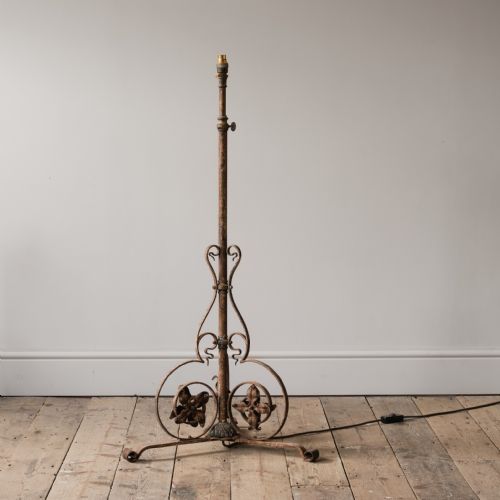
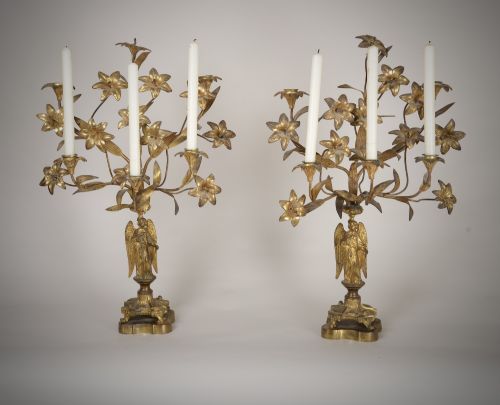
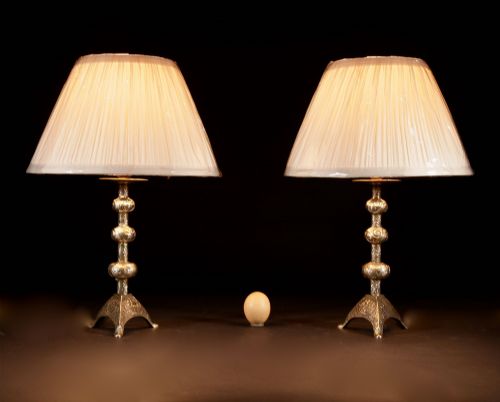
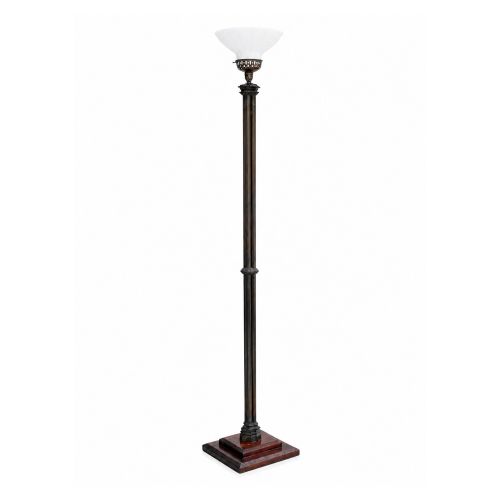
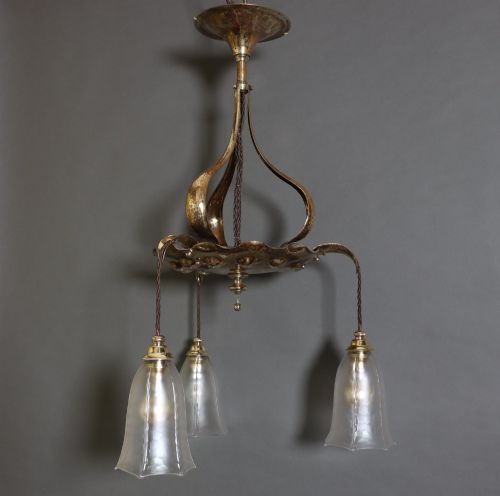
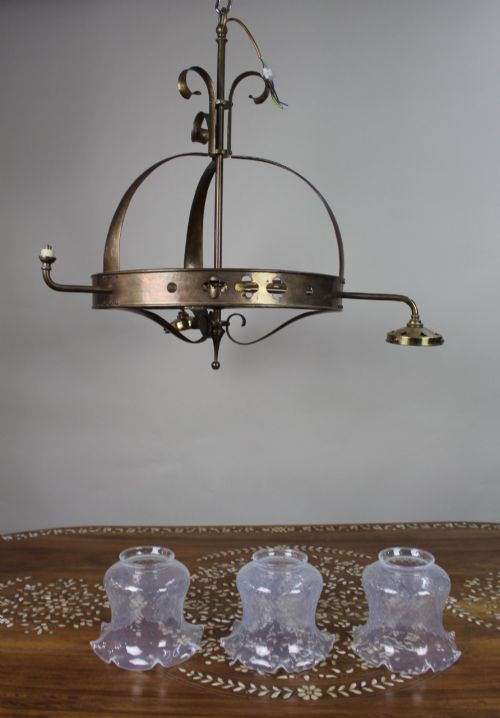
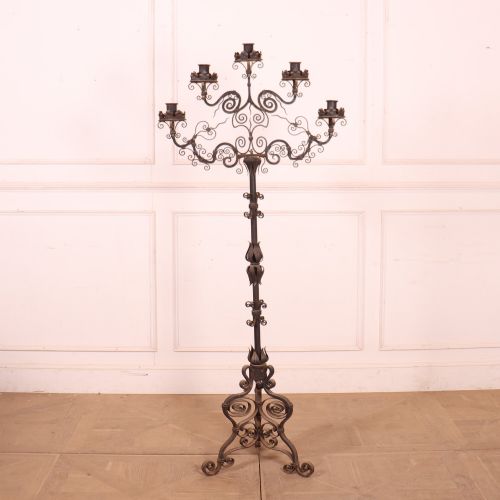
When you search for gothic revival light, you find items spanning from the nineteenth century into the early twentieth century, taking the form of floor lamps, table lamps, ceiling lights, hall lanterns, and candelabra. These objects draw heavily on architectural precedents from church and chateau, translating medieval stone and ironwork into domestic illumination.
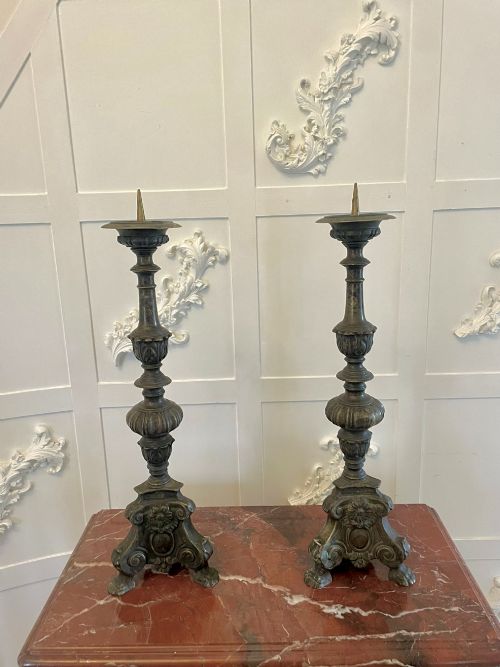
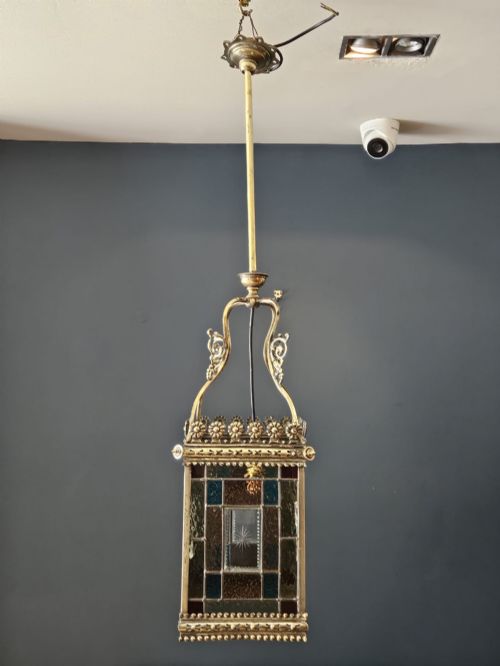
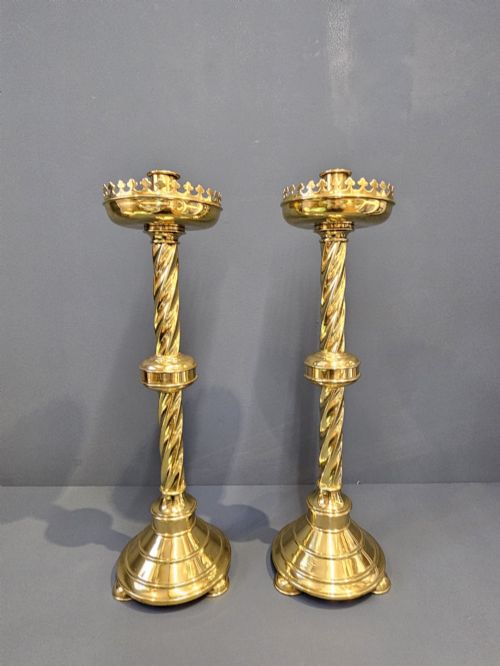
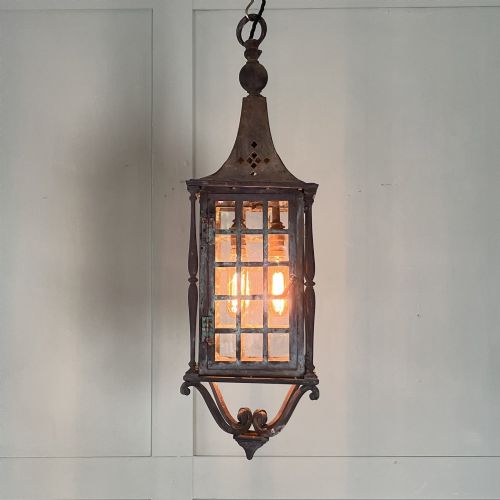
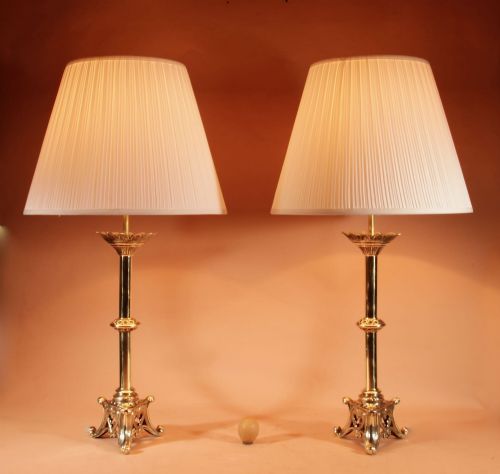
The most common examples on this page are brass church candlesticks, wall sconces, and hanging lanterns framed in leaded glass. Many started life burning candles or gas before conversion to electricity, while others retain their pricket tops and multi-branch structures.
How they were made
Makers relied on cast and spun brass, heavy bronze, and forged wrought iron to build rigid structural frames that could support multiple candle arms or glass panes. Lead came into play for securing stained and coloured glass panels within hanging lanterns.
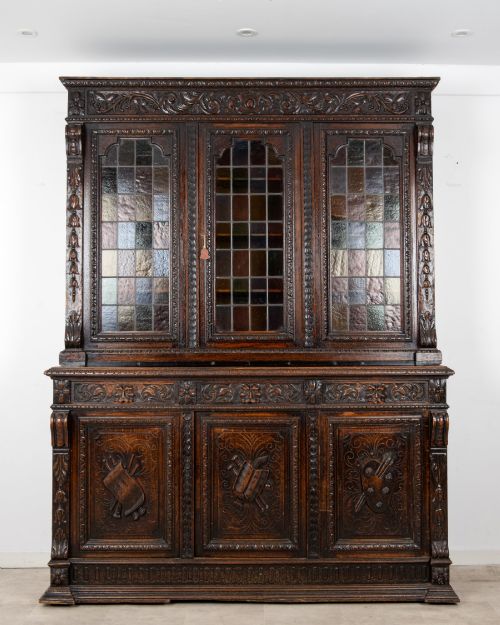
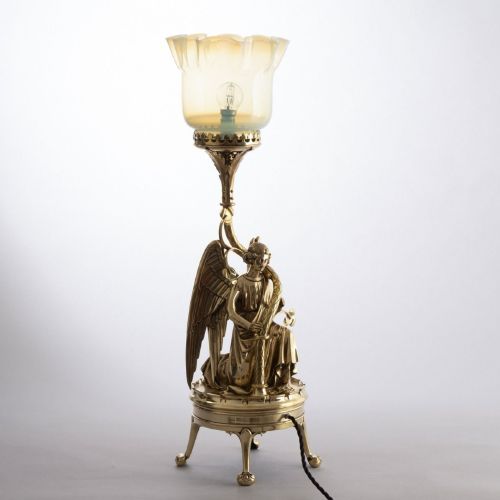
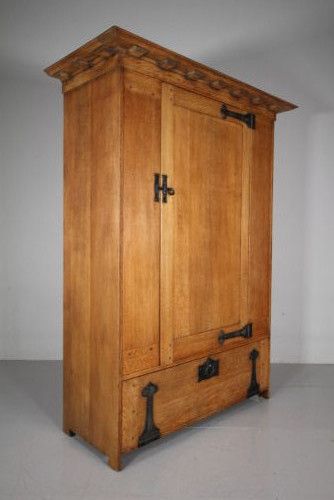
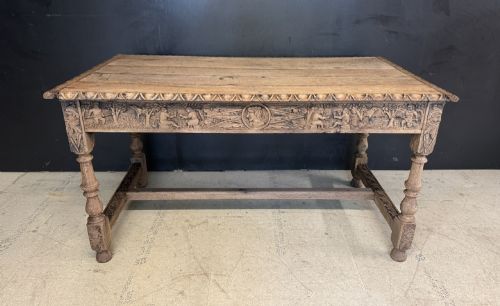
Oak appears frequently alongside metalwork, often carved with trefoil details or linenfold patterns, while glass components range from vaseline glass and opalescent shades to simple clear panes held within hexagonal brass housings.
Some heavy floor standards carry the faint scent of old church incense after more than a century near the altar.
What varies in quality
The distinction between standard commercial production and finer pieces lies in the crispness of the casting and the weight of the metal used. Heavy gauge bronze and thick cast brass retain sharp architectural mouldings, whereas mass-produced alternatives appear softer in detail.
Original components such as matching coloured glass shades, period wiring conversions, and heavy mounting brackets elevate an object above later assembled matches. The integrity of the soldering on leaded glass and the stability of articulated joints also separate ordinary items from superior examples.
Wm. Tonks & Sons·Heals
The Gothic Revival Light Glossary
- Pricket candlestick
- A candle holder featuring a sharp metal spike designed to impale the base of a candle rather than sitting inside a socket.
- Gasolier
- A multi-branched ceiling fixture originally designed to burn coal gas before being converted for electric lighting.
- Vaseline glass
- A type of glass containing uranium dioxide that produces a distinctive yellow-green colour and glows under ultraviolet light.
- Trefoil
- A graphic ornament composed of three overlapping rings or lobes, commonly seen in Gothic architectural tracery and furniture.
- Candelabra
- A branched candlestick or holder that supports multiple candles from a single central stem or base.
Gothic Revival Light: Frequently Asked Questions
How do I wire an old lantern?
Conversion requires running modern flex through the existing central channel without damaging the structural metal frame. Many pieces retain enough internal space for safe rewiring by a qualified electrician.
Original oil or gas burners should be preserved where possible, housing modern lamp holders within discreet internal sleeves to keep the historic exterior intact.
Were these originally for candles?
Many heavy floor standards and altar pieces were designed exclusively for beeswax candles before later electrification. You will often see pricket spikes or drip pans intended for wax collection rather than bulb sockets.
Ceiling lanterns and wall sconces similarly began life holding candles or oil fonts, later adapted as homes adopted gas and electrical power.
How do I clean antique brass?
Gentle dusting with a soft brush preserves the dark patination accumulated over generations. Avoid harsh metal polishes that strip away the authentic aged surface.
If washing glass panels, remove them carefully from their lead framework to prevent bending the softer metal channels.
Where should I hang a hall lantern?
These large brass and glass fixtures demand high ceilings and robust ceiling joists to support their substantial weight. Entryways and stairwells provide the ideal architectural backdrop for their medieval proportions.
Ensure the hanging chain and ceiling hook match the heavy gauge of the lantern itself for secure suspension.