
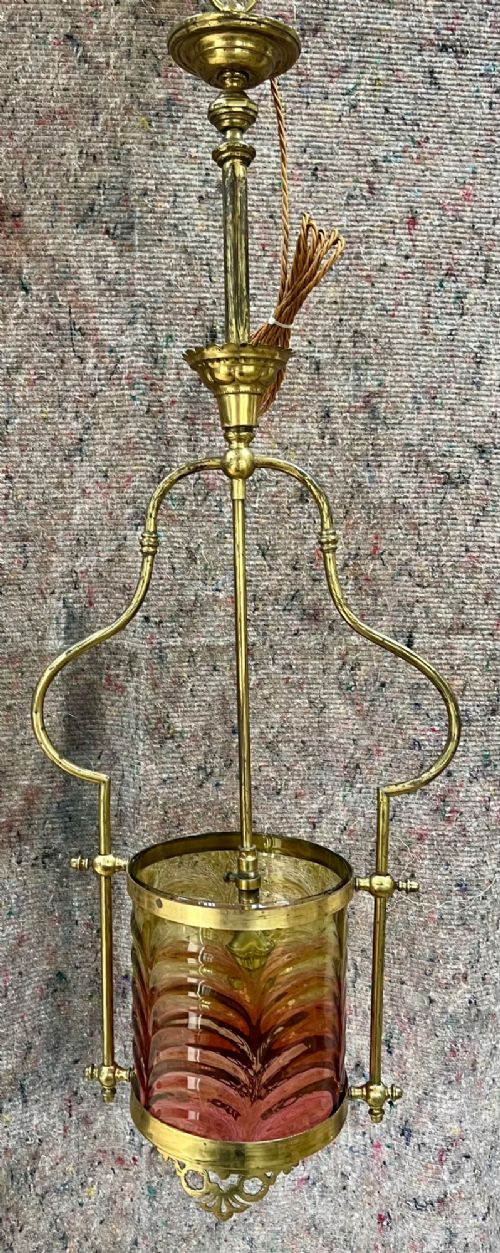
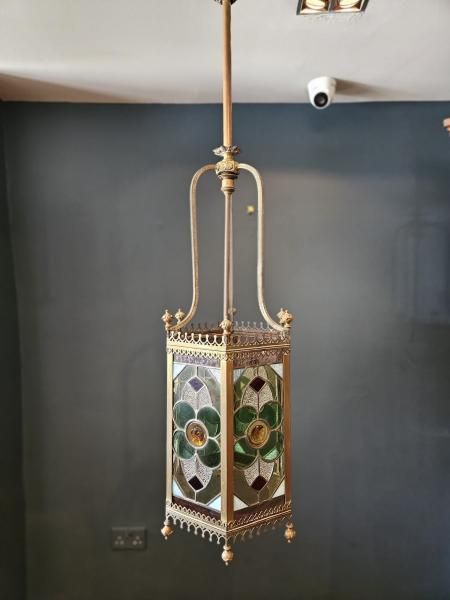
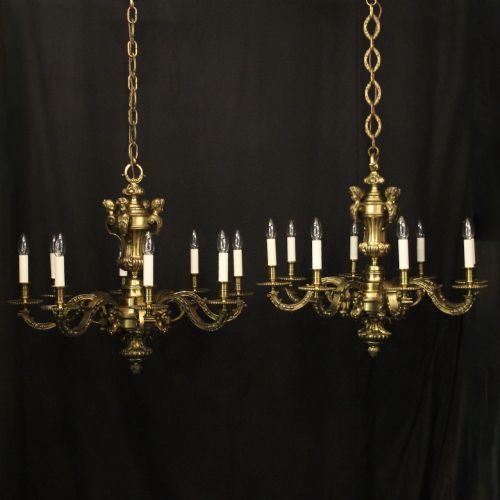
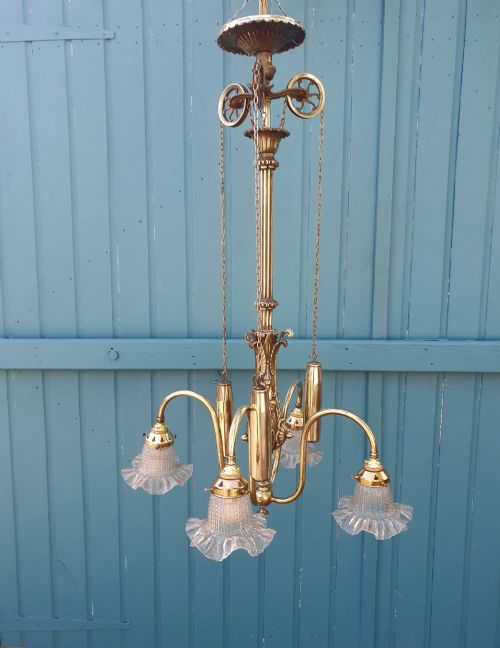
Victorian Ceiling Fixture
A victorian ceiling fixture brings gas-era illumination, heavy brass, and cut glass to high-ceilinged rooms.
Victorian Ceiling Fixture
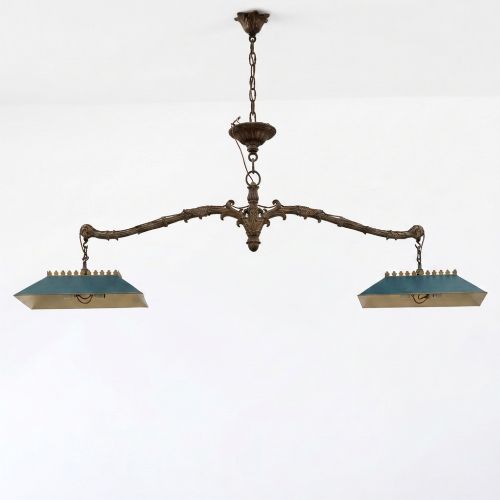
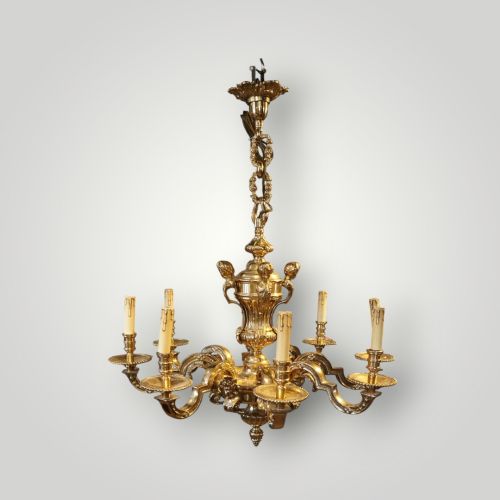
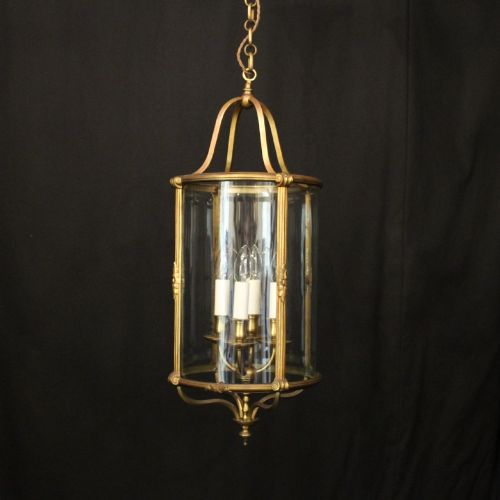
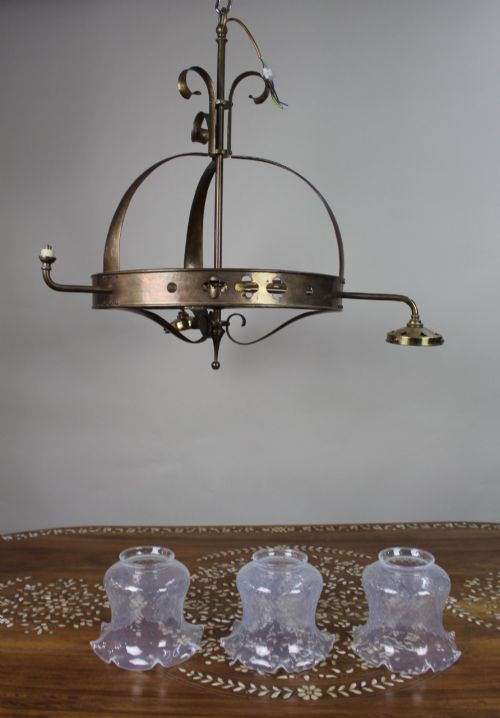
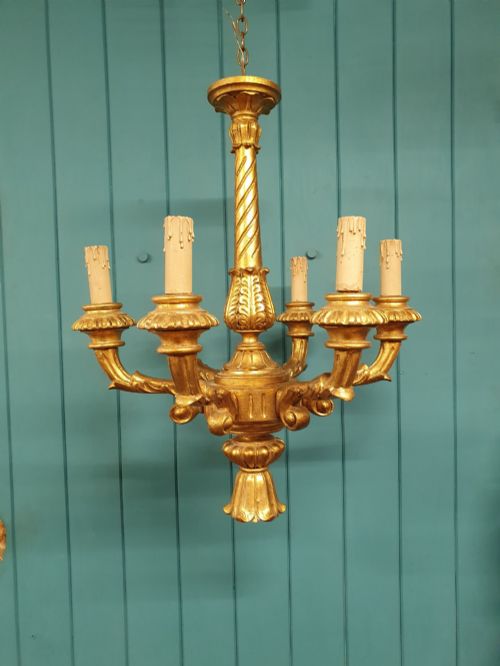
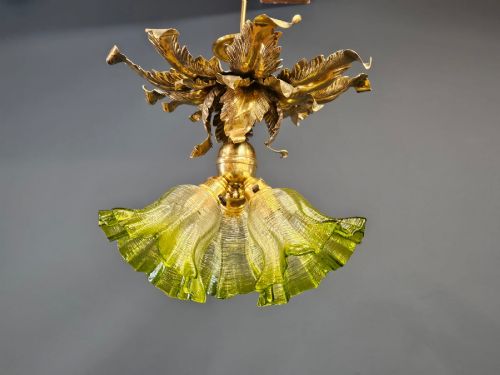
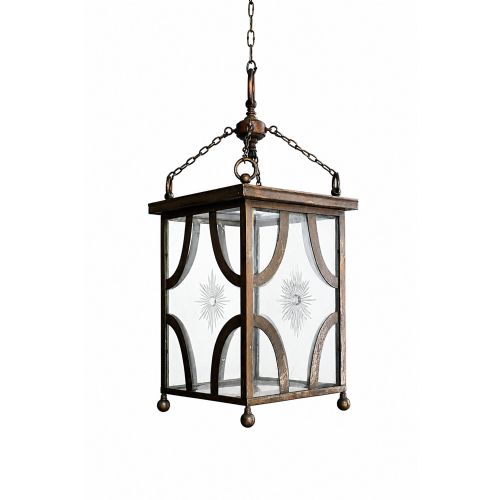
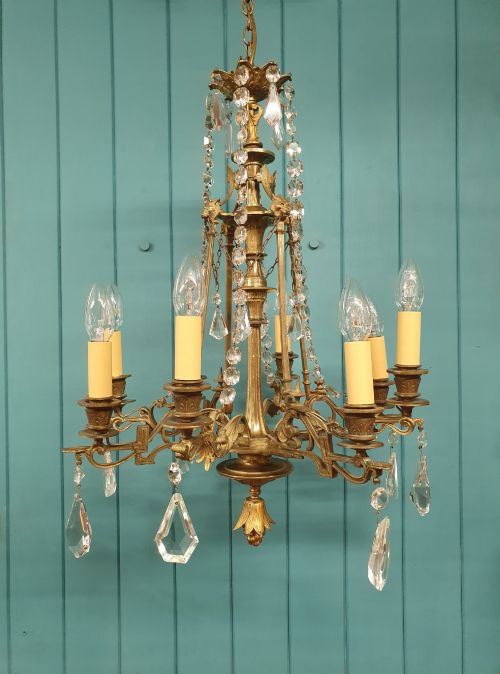
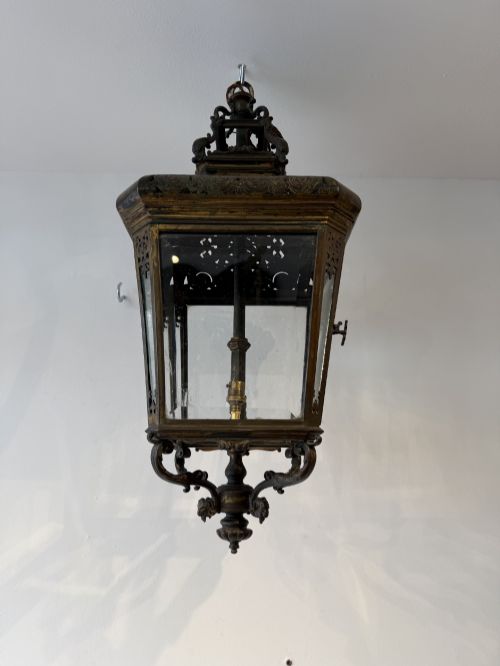
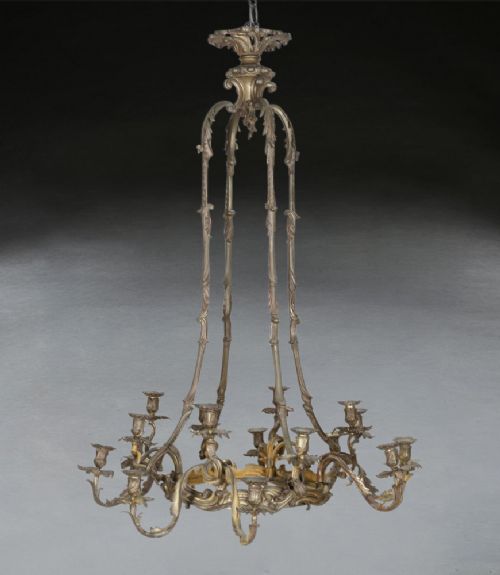
A victorian ceiling fixture encompasses grand multi-arm chandeliers, hall lanterns, and smaller pendant lights designed for nineteenth-century interiors. These pieces originate from domestic and institutional spaces, spanning British and continental workshops.
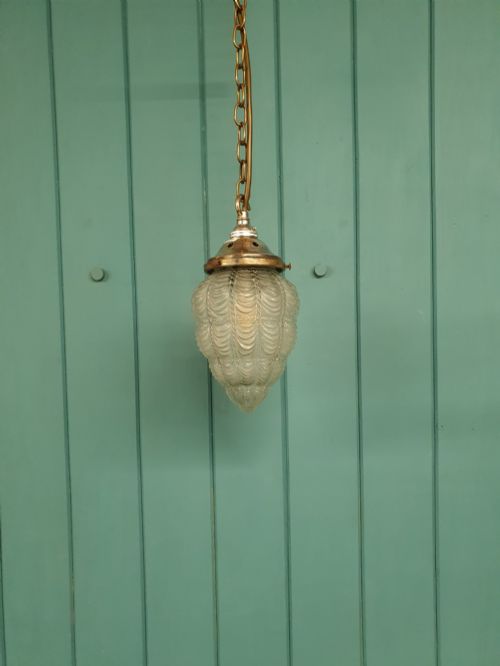
Chandeliers and gasoliers dominate the selection, often featuring elaborate branch configurations suited to large reception rooms. Lanterns and single-light pendants provide alternative options for hallways and smaller spaces.
The materials and styles reflect the periods between the mid-nineteenth century and the early twentieth century, incorporating Gothic revival and French design influences alongside standard domestic forms.
Materials and Construction
Makers utilised cast and spun brass, gilt bronze, and copper to form the structural frames and decorative mounts of each fixture. These metals often received pierced or chased detailing to enhance the visual weight of the design.
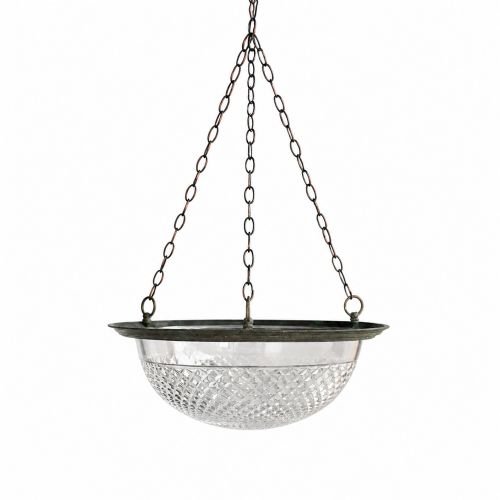
Glass components include hand-blown shades, cut crystal prisms, opaline bowls, and leaded panels secured to metal frameworks. Gasoliers incorporated internal channels for gas supply before later conversion to electrical wiring.
Stylistic influences range from Gothic revival and French baroque to Edwardian designs, incorporating specialised forms like billiard lights and bell jar lanterns.
Evaluating Execution
Quality rests in the crispness of the metal casting and the depth of hand-chased surface detail on bronze and brass mounts. Superior pieces display sharply defined ornamentation, such as lion masks or leaf motifs, rather than soft, mass-produced edges.
The integrity and age of the glass elements dictate overall value, with hand-blown, etched, or diamond-cut crystals outperforming plain replacements. Original suspension mechanisms, gas keys, and matched shade sets elevate the piece further.
Perry & Co
The Victorian Ceiling Fixture Glossary
- Gasolier
- A decorative ceiling light fixture originally designed and wired for gas illumination rather than electricity. These units frequently feature heavy brass arms and central keys for regulating gas flow.
- Plafonnier
- A shallow ceiling-mounted light fixture designed to sit close to the plasterwork. This French term typically describes bowl-shaped glass shades held by metal mounts.
- Holophane
- A brand of scientific glass reflector designed to direct and diffuse light efficiently. These pieces feature distinct prismatic ribs moulded into the exterior surface.
- Gilt Bronze
- Bronze metal treated with a thin layer of gold or gold-colored amalgam for a lustrous finish. It appears frequently on French revival chandeliers from the nineteenth century.
- Bell Jar Lantern
- A hanging light enclosed by a curved glass bell suspended from a metal frame. They were commonly used in hallways and vestibules to protect candles or gas flames from drafts.
Victorian Ceiling Fixture: Frequently Asked Questions
How do I convert these for modern electric wiring?
Most antique fixtures have already been converted from gas or early wiring to standard electrical fittings. A qualified electrician can safely thread modern flex through the central stem without altering the exterior brass or bronze structure.
Original gas keys and internal brass tubing are generally retained as non-functioning decorative elements to preserve the historical integrity of the piece.
Were these lights originally for gas or candles?
The selection includes fixtures designed for both candle use and piped gas illumination, depending on the specific decade of production. Mid-nineteenth-century examples often started life as gasoliers with heavy brass tubing and stopcocks.
Later Victorian and Edwardian models frequently accommodated early electric bulbs alongside transitional gas fittings as urban homes adopted electricity.
How do I hang a heavy brass chandelier safely?
Heavy bronze and brass fixtures require direct attachment to ceiling joists using a steel mounting hook or proprietary weight-bearing bracket. Plaster ceilings alone cannot support the substantial mass of multi-arm chandeliers.
Professional installation ensures the internal hanging loop and chain links securely bear the weight without straining the original antique metalwork.
Can I find matching replacement shades for antique lanterns?
Finding exact period matches for broken or missing opaline, cut glass, or crimped shades presents a challenge due to individual manufacturing variations. Many pieces survive with their original hand-blown or etched glass intact.
When replacement is necessary, collectors seek out period-appropriate hand-blown glass that matches the specific fitter diameter and rim style of the original frame.