

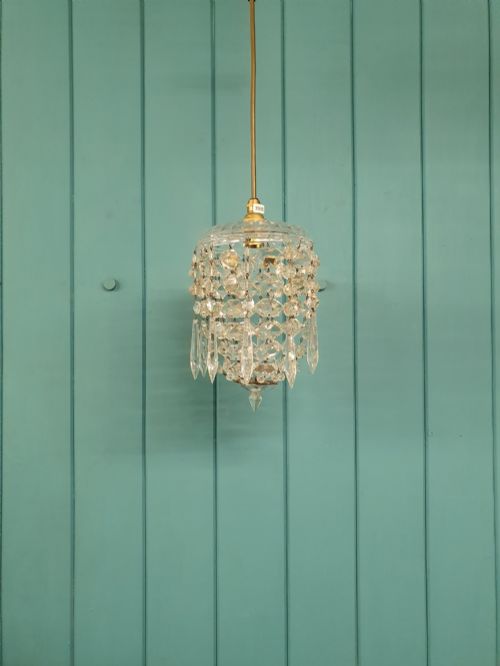
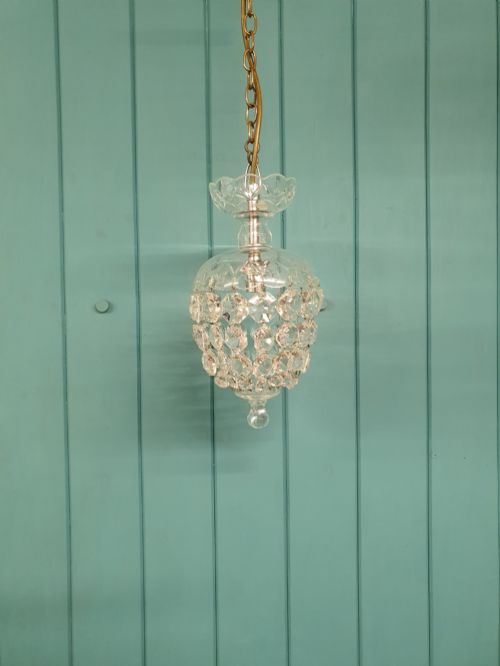
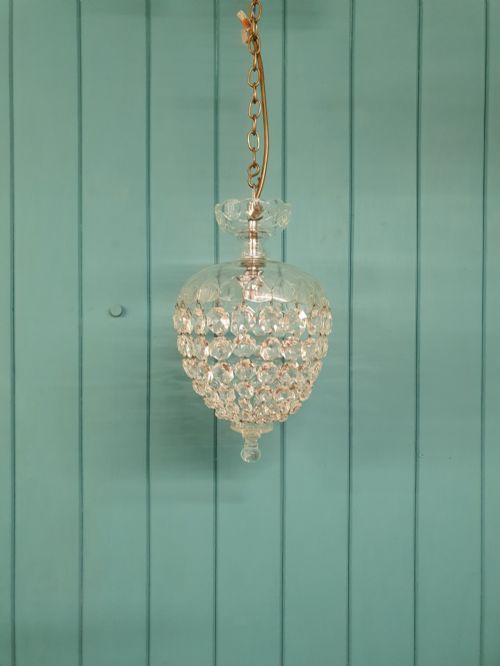
Edwardian Glass Chandelier
An Edwardian glass chandelier brings unmistakable period brilliance to a room, casting clear light through cut crystal and glass.
Edwardian glass chandelier types
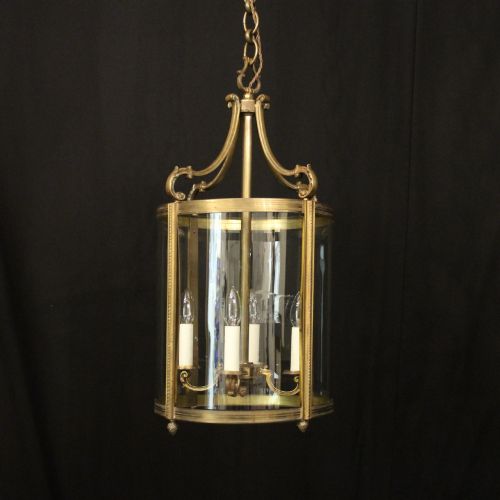
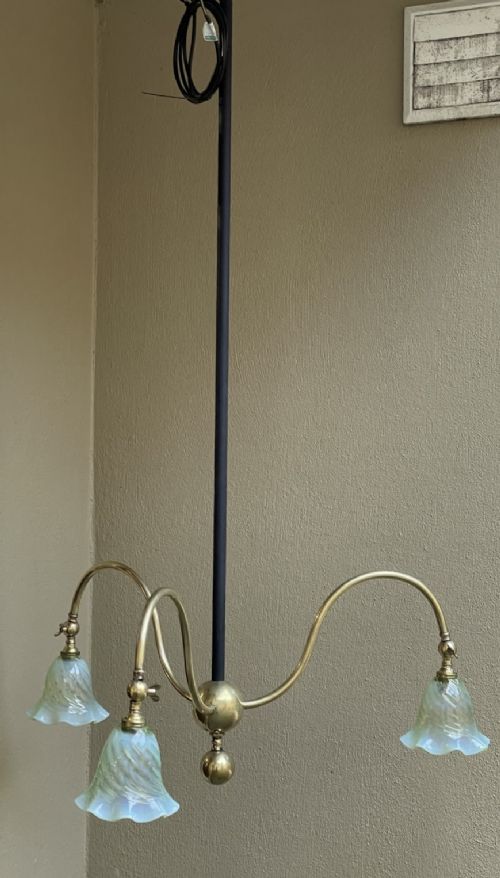
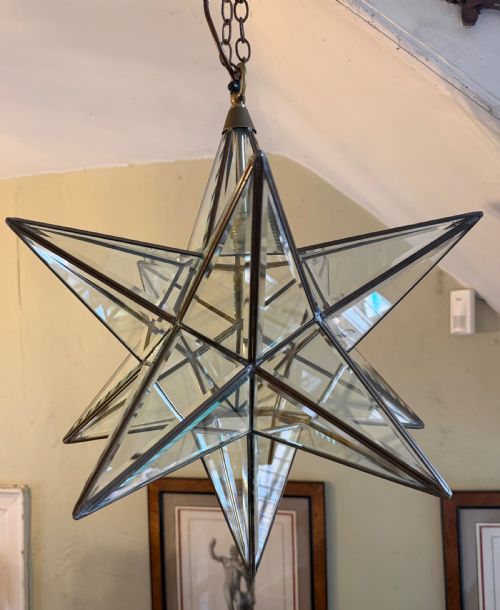
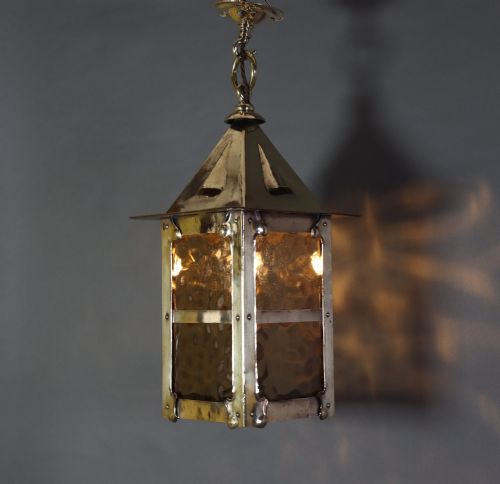
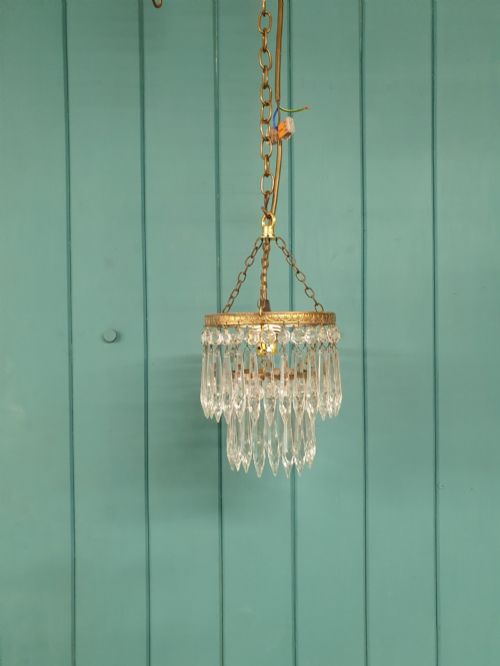
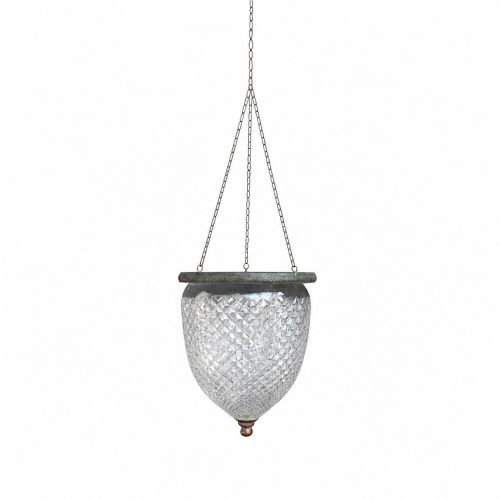
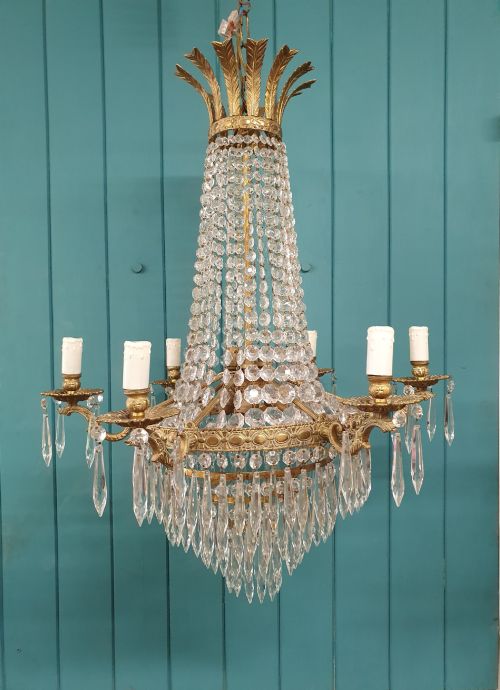
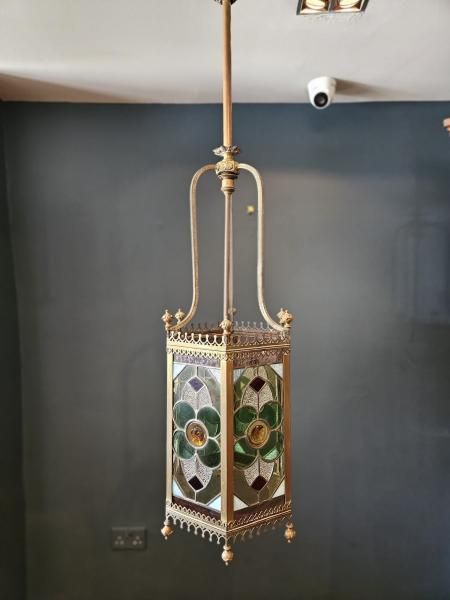
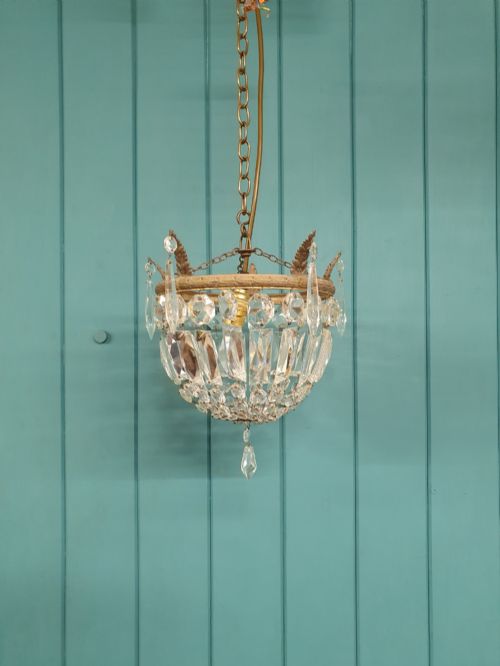
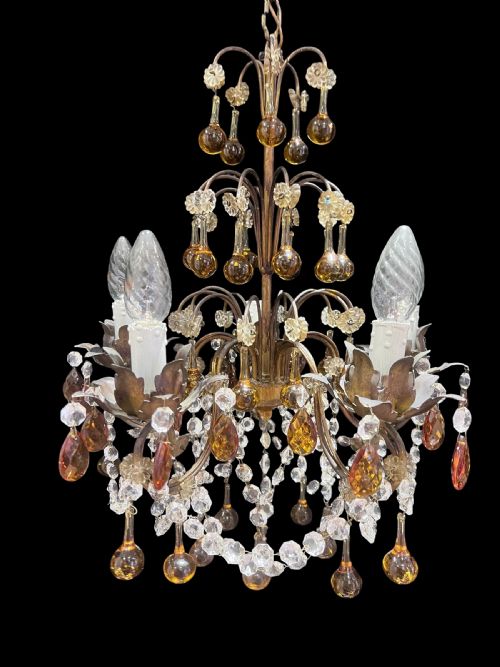
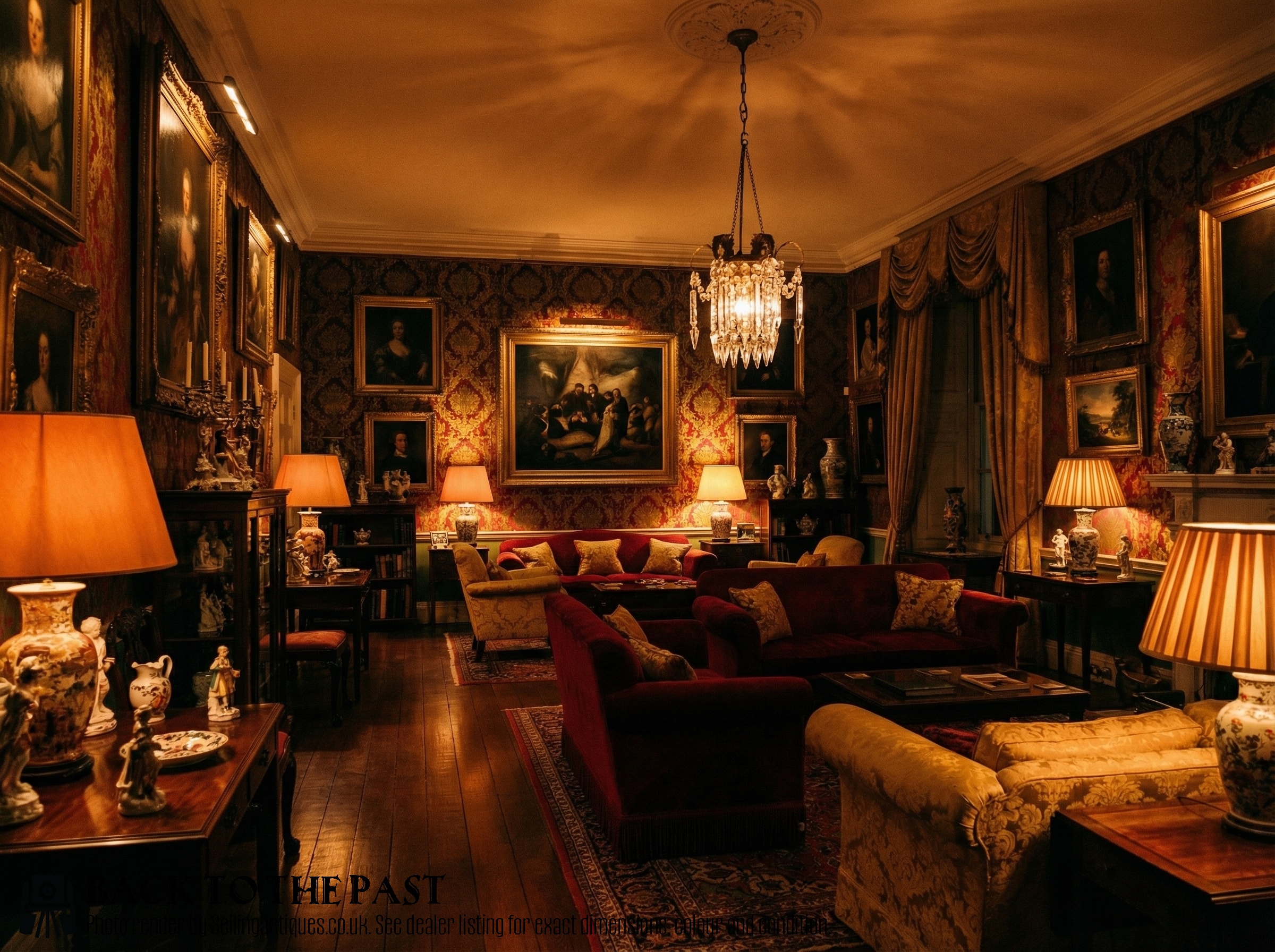
An edwardian glass chandelier encompasses various ceiling light configurations designed during the early twentieth century. These pieces appear as dome top forms, large spike designs, small lustre lights, and multi-tiered crystal structures.
Buyers will encounter distinct stylistic variations ranging from classic English cut-glass fittings to French Chateau and Marie Therese styles. Certain examples incorporate bowls, pendants, or gilt bronze frames alongside the primary glass components.
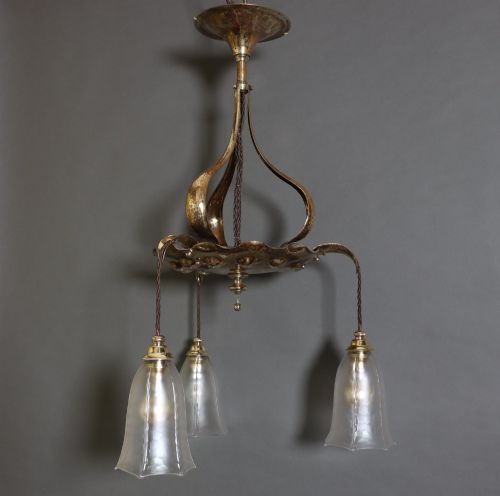
The selection includes standard ceiling fixtures alongside larger multi-light options and pairs of matching pendants. These objects span the Edwardian period, with occasional overlapping examples from the nineteenth century and the nineteen-thirties.
Materials and construction
Maker construction relies on combinations of glass, crystal, and cut glass mounted onto metal frameworks. These supporting skeletons utilise brass, silver plate, bronze, and ormolu to secure the glass drops and shades.
Individual components feature precise hand-cut detailing across the crystal drops, prisms, and bowls. Metal mounts incorporate cast decorative elements such as cherubs or gilded frames to hold the glass elements securely in place.
Retail Price Guide 2026
Typical UK retail prices for edwardian glass chandelier, calculated from the Sellingantiques database of over a million retail prices indexed since 2003. This retail price guide relies exclusively on Sellingantiques data; no external sources or auction records are used, so the figures do not describe the wider market.
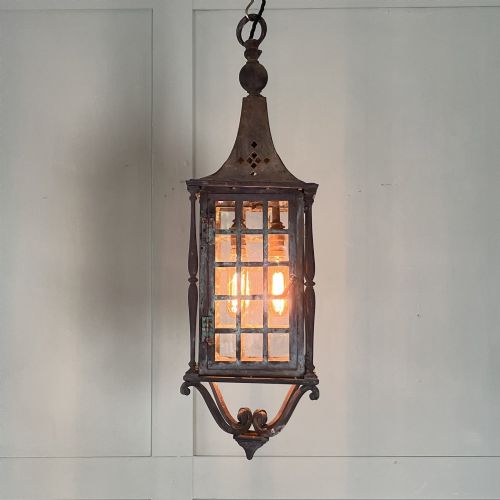
The recorded styles span Arts and Crafts alongside French Classical and Edwardian designs.
Assessing quality
Quality differentiates through the clarity of the crystal glass and the depth of the hand-cut facets. Superior examples display sharper refraction and heavier metal mountings in brass or ormolu.
The integration of metal hardware with the glass body determines the overall structural integrity. Finer pieces demonstrate careful balance between the silver plate, bronze, or brass frames and the suspended crystal components.
Osler
The Edwardian Glass Chandelier Glossary
- Cut glass
- Glass decorated by abrasive wheels to produce facets that catch and reflect light. This technique defines the sparkle of Edwardian lighting.
- Lustre
- A small hanging glass pendant or prism attached to a chandelier to enhance light dispersion. These drops sway gently and multiply the illumination.
- Ormolu
- Gilded bronze applied as an ornamental mount on light fittings. The technique provides a rich metallic contrast to clear crystal glass.
- Marie Therese
- A specific flat-backed chandelier style featuring glass scrollwork over a skeletal frame. This continental form appears frequently in Edwardian interiors.
- Silver plate
- A thin layer of silver fused to a base metal framework. This finish offers a bright reflective surface for the chandelier mountings.
Frequently Asked Questions
How do I hang a heavy edwardian glass chandelier?
These fixtures require secure ceiling joist attachment and appropriate weight-bearing hooks due to the heavy combination of glass and metal.
Professional installation ensures the brass or bronze framework safely supports the multi-tiered crystal components.
What rooms suit an edwardian glass chandelier?
Dining rooms, entrance halls, and reception spaces benefit from the bright illumination and formal presence of these cut glass ceiling lights.
Smaller dome top or lustre versions fit comfortably in compact rooms or bedrooms with adequate ceiling clearance.
How do I clean an edwardian glass chandelier?
Routine maintenance involves wiping individual crystal drops and glass shades with a soft cloth and mild soapy water.
Removing each pendant allows thorough cleaning of the brass or silver-plated framework without damaging the historical metal finish.
Are edwardian glass chandeliers electrified?
Most surviving examples have been adapted for modern electrical wiring while retaining their original brass, bronze, or silver-plated structures.
Buyers should inspect the internal wiring to confirm it meets current safety standards before permanent ceiling installation.