
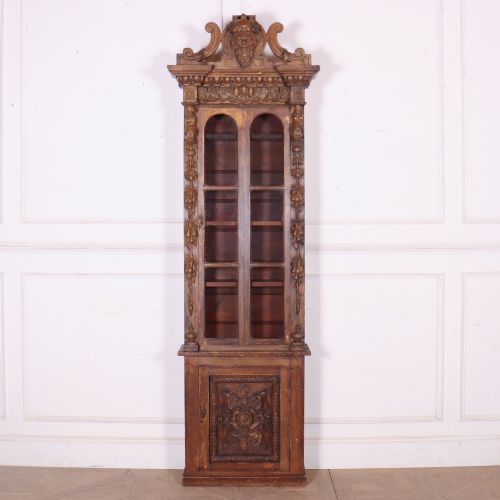
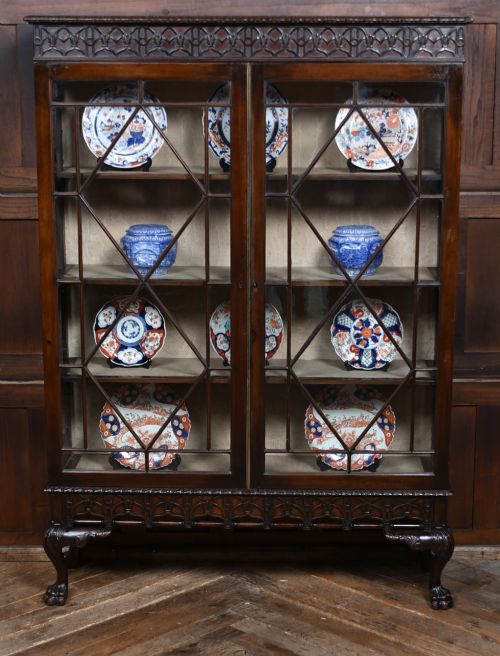


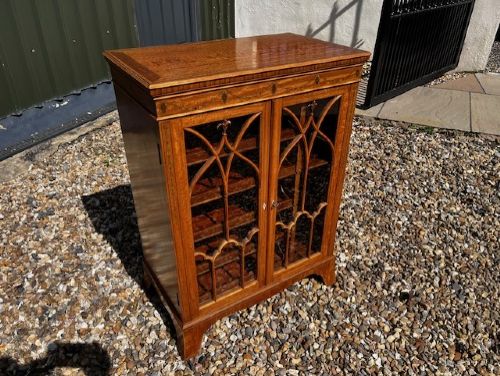


Gothic Revival Glazed Bookcase
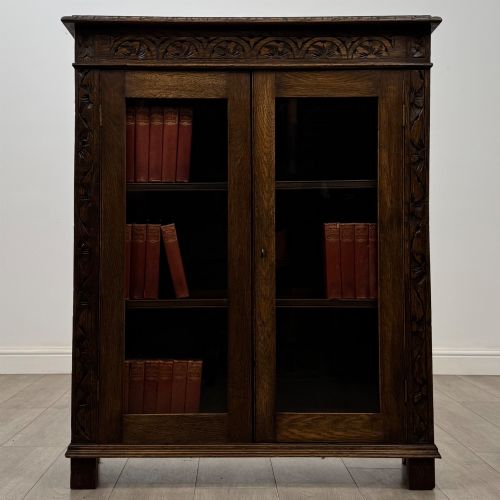
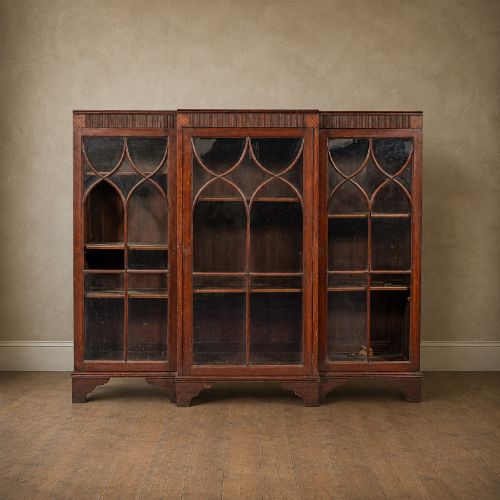
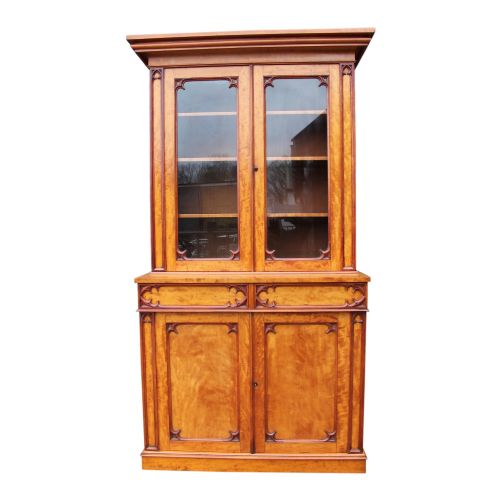
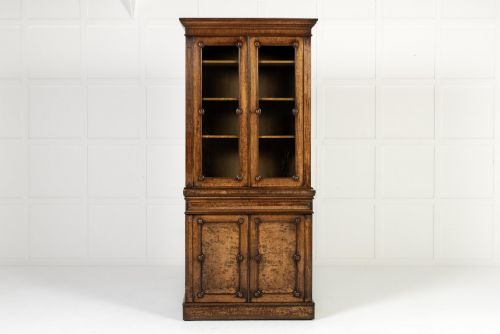
A gothic revival glazed bookcase brings architectural ambition to a room, enclosing books behind glass panes framed in pointed arches and dark timber.
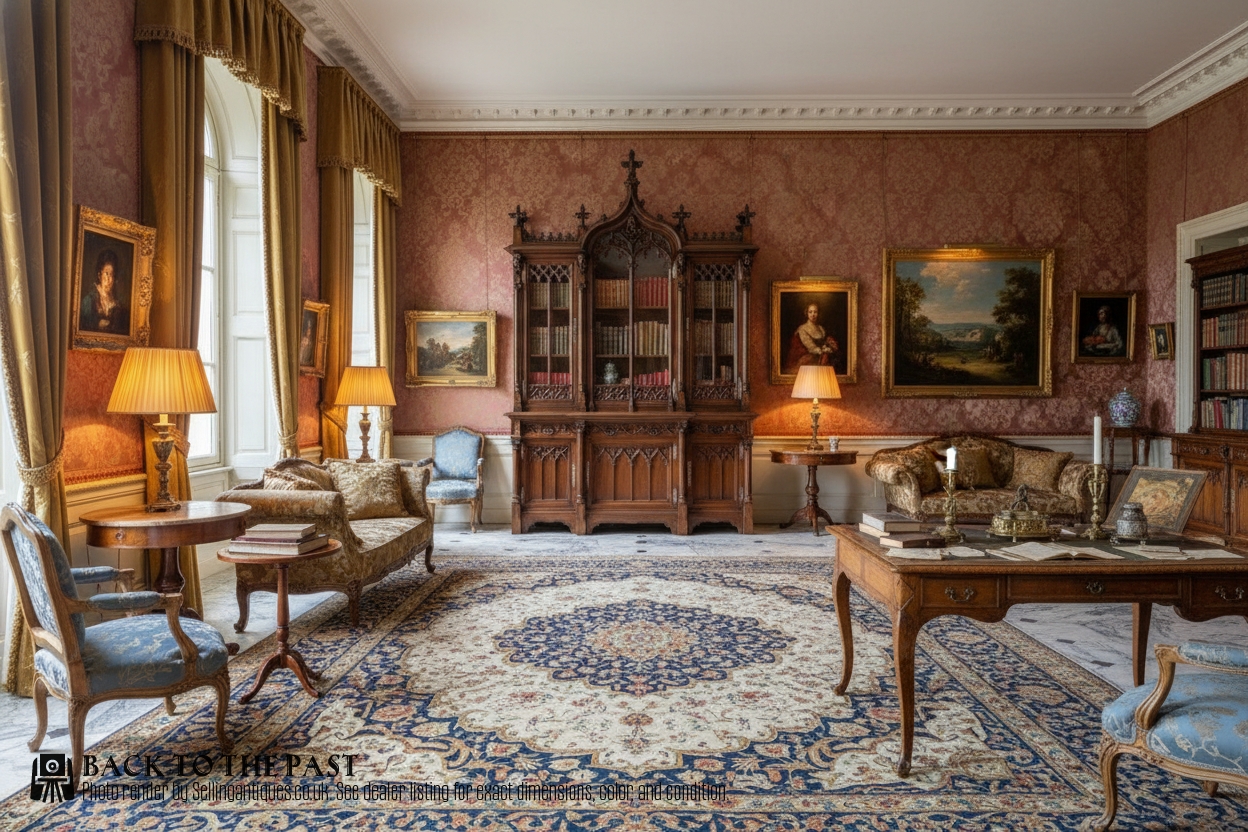
Gothic Revival Glazed Bookcase
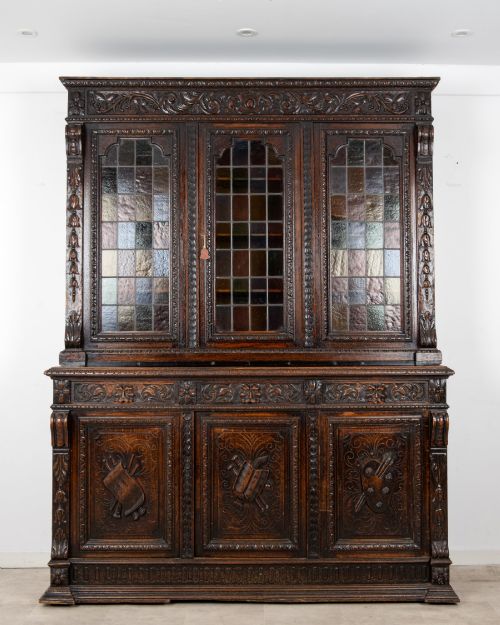
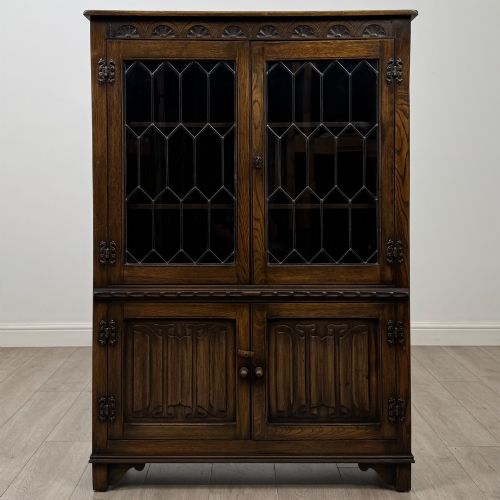
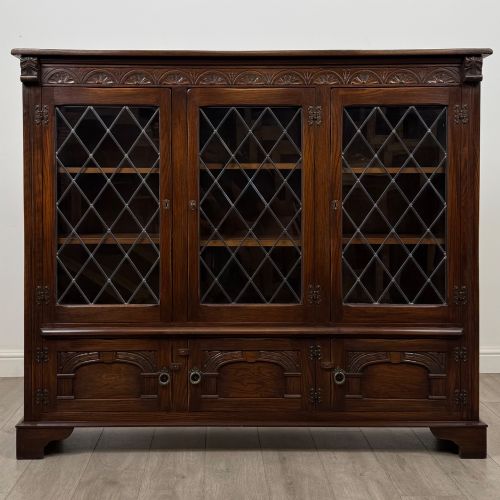
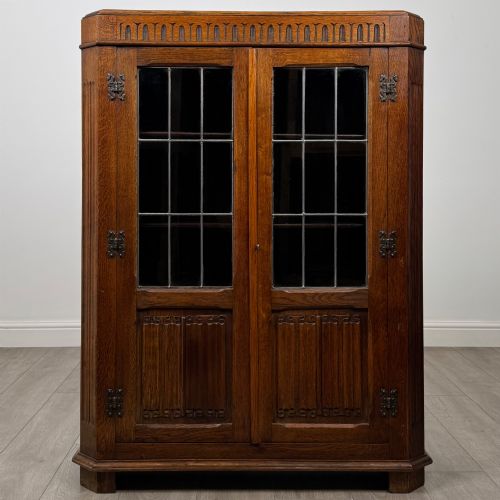
A gothic revival glazed bookcase combines ecclesiastical motifs with domestic storage, predominantly appearing from the nineteenth century in Victorian and Edwardian iterations. Pieces in this selection span large breakfront bookcase cabinets, smaller secretaire variants, and corner cabinets fashioned from architectural designs.
Makers drew upon medieval vocabulary, adapting pointed lancet windows, tracery, and crenelated cornices into functional library furniture. Oak forms the primary structural material here, frequently accompanied by walnut, mahogany, and satinwood.
Materials and Construction
Carpenters utilised solid timber alongside veneers, relying heavily on oak, walnut, and mahogany to support heavy architectural cornices and glass doors. Brass fittings, lead glazing bars, and occasional ironwork provide structural security and ornamental contrast against the timber.
Carving defines the surface decoration, with linenfold panels, geometric tracery, and barley twist turnings hand-chiselled directly into the solid wood. Glazed sections require precise joinery to hold individual glass panes securely within pointed arch or rectangular frames.
One late nineteenth-century oak bookcase carries later sign-written German beer emblems, hinting at a cheerful shift from serious library to convivial tavern.
Judging Quality
Depth of architectural carving separates standard production from exceptional library pieces, where linenfold panels and tracery exhibit crisp, deep relief rather than shallow machine stamping. The choice of timber grain, such as figured pollard oak or rich walnut, dictates the visual weight and prestige of the cabinet.
Proportion and scale dictate the success of the design, with superior pieces maintaining balanced sightlines between the upper glazed display area and the lower solid cupboard base. Integrated hardware, original leaded or glass panes, and sound structural joinery preserve the integrity of these substantial pieces.
James Winter and Sons
The Gothic Revival Glazed Bookcase Glossary
- Tracery
- Stonework-inspired intersecting ribwork in the upper glass panels of a bookcase door. This decorative framing mimics the Gothic windows found in medieval churches and cathedrals.
- Breakfront
- A cabinet design where the central section projects forward from the flanking wings. This configuration adds architectural depth and presence to large library furniture.
- Crenelated
- A battlement-style parapet forming a notched top cornice. It reinforces the medieval fortress aesthetic characteristic of Gothic Revival architecture.
- Secretaire
- A cabinet incorporating a pull-down writing drawer fitted with internal pigeonholes and small compartments. It combines desk space with upper bookshelf storage.
- Linenfold
- A carved wood panel motif resembling folded fabric. This technique is frequently seen on the lower cupboard doors of period oak cabinets.
Gothic Revival Glazed Bookcase: Frequently Asked Questions
What is a gothic revival glazed bookcase?
A gothic revival glazed bookcase is a piece of nineteenth-century library furniture featuring glass-fronted doors and architectural ornamentation inspired by medieval ecclesiastical design.
These cabinets combine display space for books with decorative elements such as pointed arches, tracery, and carved wooden panels.
How were these bookcases used historically?
Libraries and studies in Victorian homes utilised these large cabinets to house valuable book collections while protecting fragile leather bindings behind glass.
The lower cupboards often stored additional volumes, papers, or household objects out of sight.
How do I style a gothic revival bookcase?
These imposing wooden pieces anchor a room best when placed against neutral walls that allow the dark timber and architectural lines to stand out.
Pair them with complementary antique furniture or use them to display leather-bound books and curiosities behind the glass.
How can I tell Victorian from Edwardian pieces?
Victorian gothic revival pieces tend to feature heavy, deeply carved solid oak, dark walnut, and robust architectural cornices with distinct medieval influences.
Edwardian examples often introduce lighter timbers like satinwood and refined marquetry inlay while retaining earlier structural proportions.