
Gothic Revival Glass
Gothic revival glass brings ecclesiastical forms and rich stained panels into domestic spaces through architectural lanterns, mirrors, and cabinetry.
Gothic Revival Glass
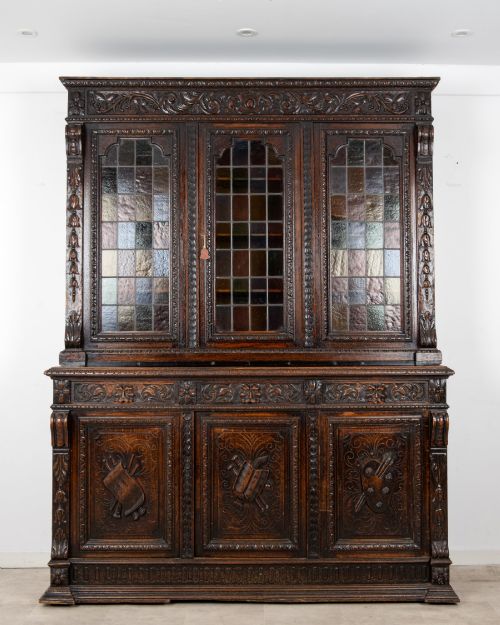
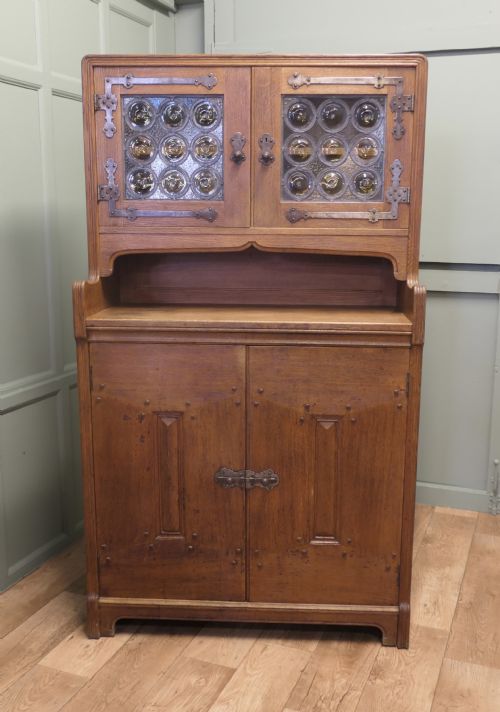
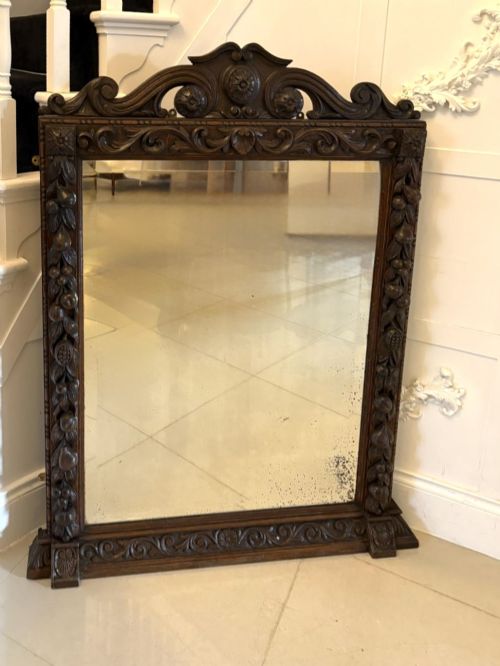
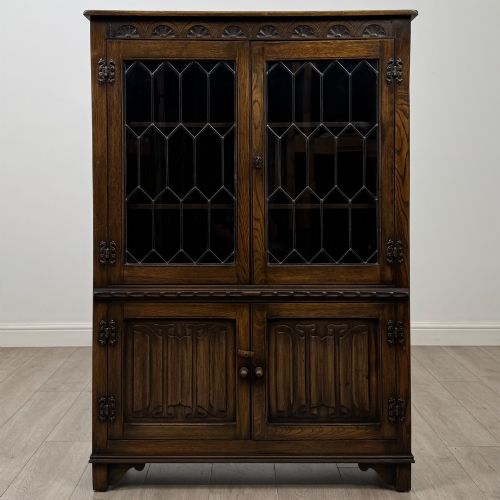
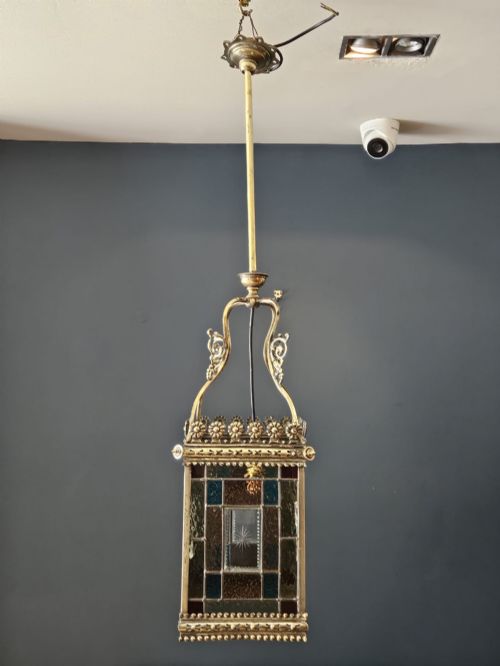
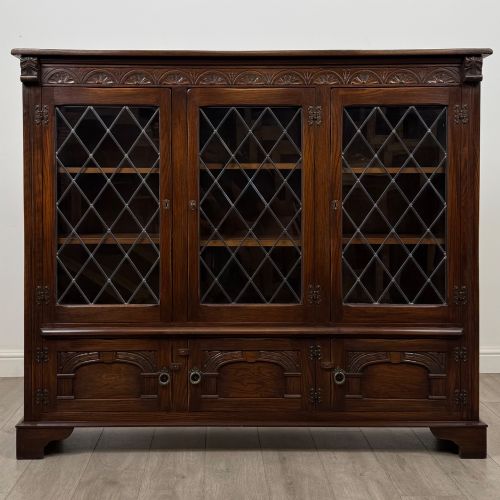
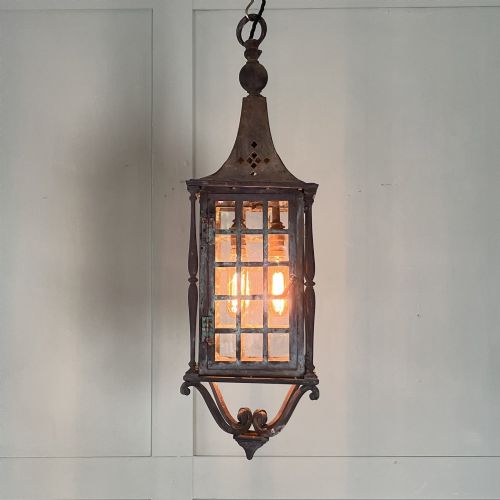
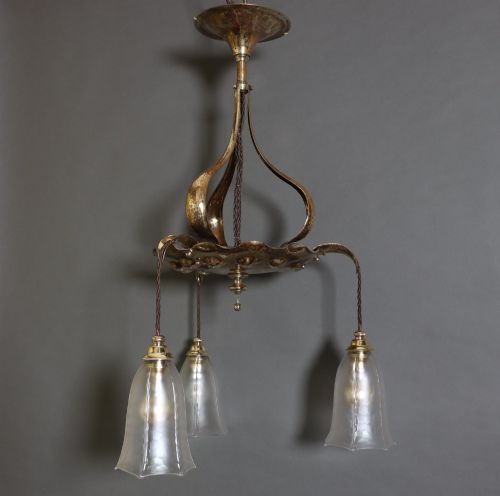
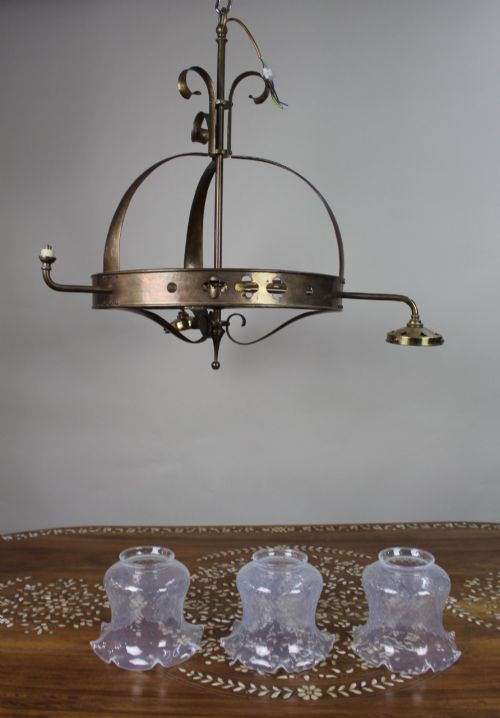
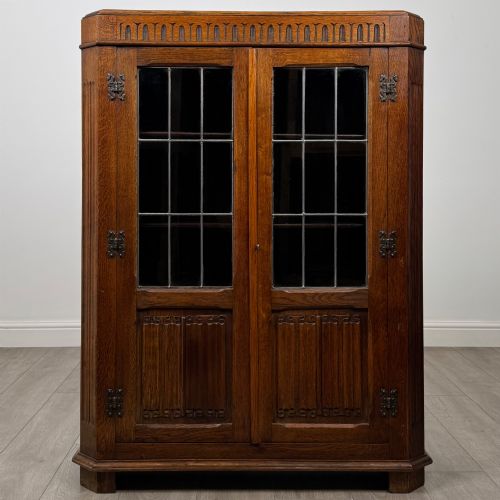
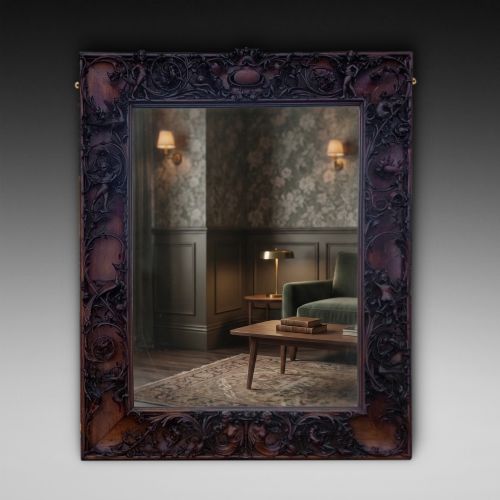
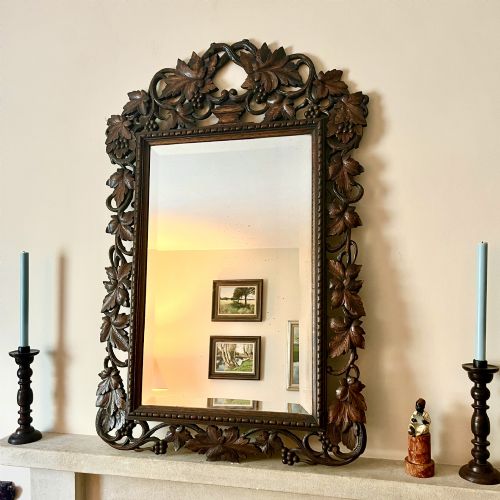
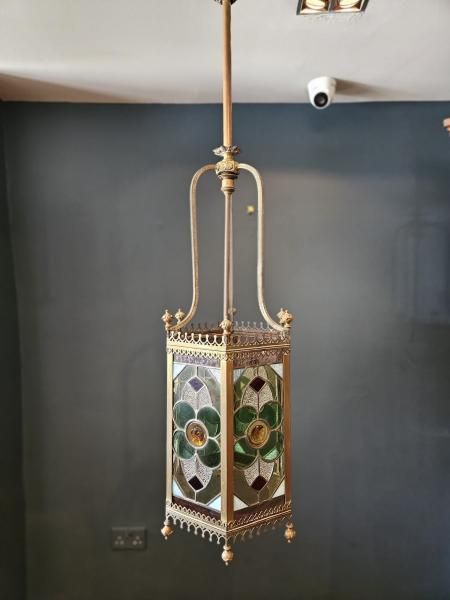
When you search for gothic revival glass, you encounter architectural furnishings and lighting that adapt medieval ecclesiastical motifs for Victorian and Edwardian interiors. The selection predominantly includes brass or iron framed hanging lanterns fitted with leaded, stained, or coloured glass panels alongside carved oak display cabinets and mirrors.
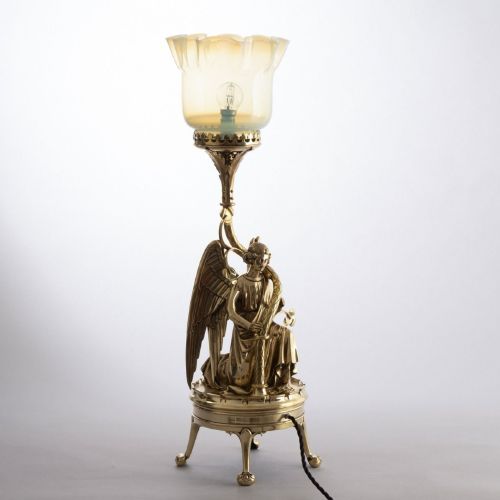
Most items on this page date from the nineteenth and early twentieth centuries, spanning periods from the eighteen-fifties through the Edwardian era. You will frequently find ceiling lights, hall lanterns, and wall mirrors incorporating pointed arches, tracery, and opalescent or vaseline glass shades.
Materials and construction methods
Makers constructed these pieces using heavy structural metals such as brass, bronze, and iron combined with robust timbers like oak and mahogany. Glass elements incorporate traditional leaded techniques, hand-painting, and specialised finishes like opalescent and vaseline coloration.
Lighting fixtures and lanterns rely on soldered lead cames to hold intricate stained glass panels within sturdy metal armatures. Cabinetry and mirrors feature carved solid oak and walnut frames designed to complement the architectural glass components.
The listings combine heavy architectural ironwork, brass frameworks, and stained glass with solid oak and mahogany cabinetry.
Distinctions in craftsmanship
Quality in these items rests upon the weight of the metal framework, the depth of timber carving, and the artistic merit of the glasswork. Superior pieces display intricate hand-painted details on stained glass panels and substantial cast brass or bronze mountings rather than thin pressed sheet metal.
The integration between the structural woodwork or metalwork and the glass panels dictates the overall standard. Examples designed by prominent architects or firms exhibit superior proportion and more rigorous adherence to historical medieval precedents.
Liberty·Pugin
The Gothic Revival Glass Glossary
- Lead glass
- Glass manufactured with lead oxide to increase brilliance and weight, commonly used in decorative panels and tableware.
- Stained glass
- Glass coloured by the addition of metallic oxides during its manufacture, traditionally assembled with lead cames for windows and lanterns.
- Opalescent glass
- Glass that exhibits a milky, iridescent appearance with cloudy variations in tone, popular in nineteenth-century lighting.
- Tracery
- Architectural stonework support in windows that was translated into timber and metal woodwork on cabinets and lanterns.
- Gasolier
- A branching ceiling light fixture designed to burn coal gas, often converted later to electricity.
Gothic Revival Glass: Frequently Asked Questions
How do I hang a heavy brass lantern safely?
These lanterns require direct anchoring into ceiling joists using rated steel fixings rather than standard plasterboard plugs.
The substantial weight of the brass frame and leaded glass demands professional installation to ensure structural security.
Were these lanterns originally gas or electrical?
Many nineteenth-century examples started as gasoliers or were lit by candles before being converted to electricity during later renovations.
Original burners and fittings are frequently adapted to modern wiring standards while retaining their historic metalwork.
How do I clean stained glass panels safely?
Use a soft microfiber cloth dampened lightly with distilled water, avoiding harsh commercial chemical cleaners that can damage the lead cames.
Gently wipe the surface without applying pressure to fragile soldered joints or hand-painted details.
How do I date an oak display cabinet?
Examine the timber grain, construction joints, and hardware style to distinguish mid-nineteenth-century examples from later Edwardian reproductions.
Early pieces often feature heavier hand-carved linenfold panels and solid brass hinges consistent with Victorian Gothic revivals.