


Gothic Glazed Bookcase
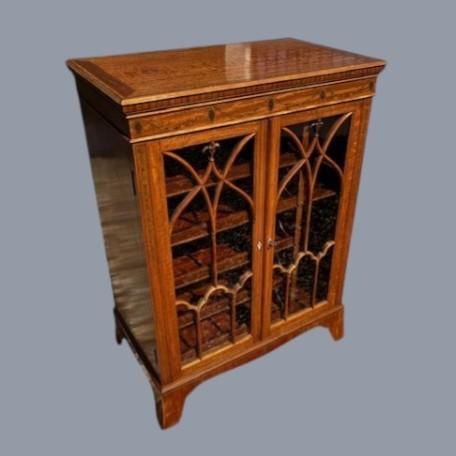
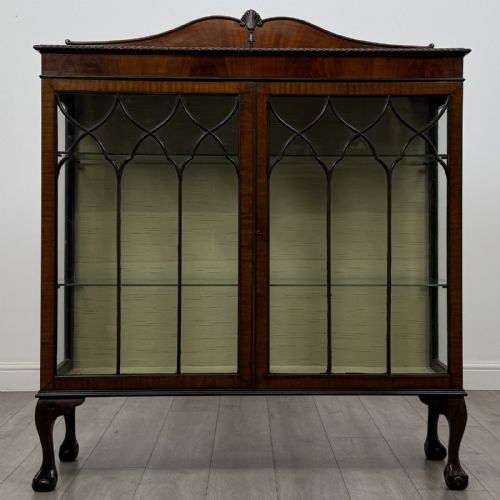
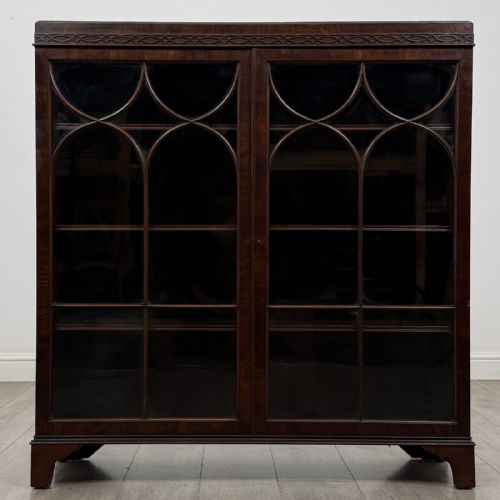
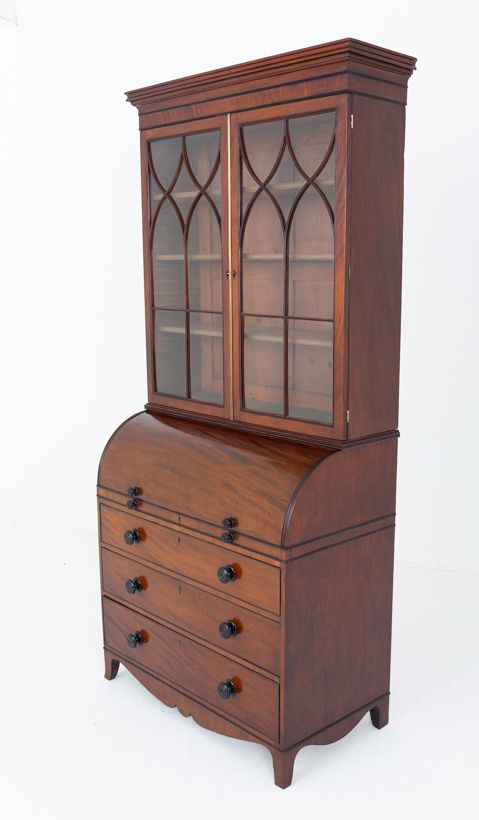
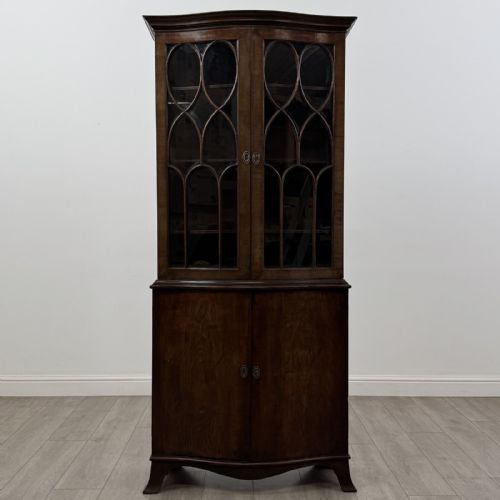
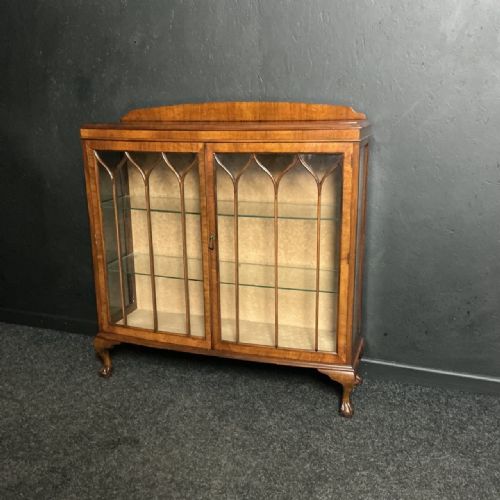
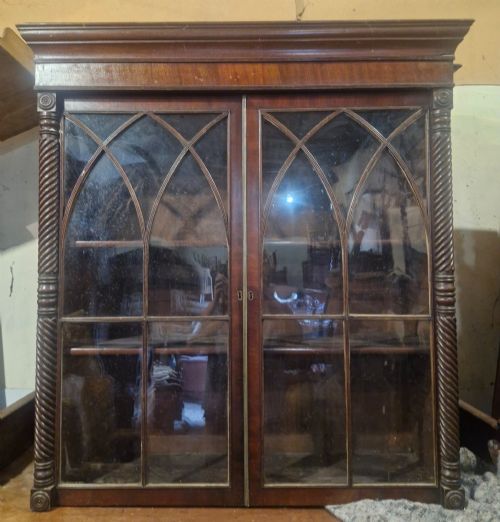
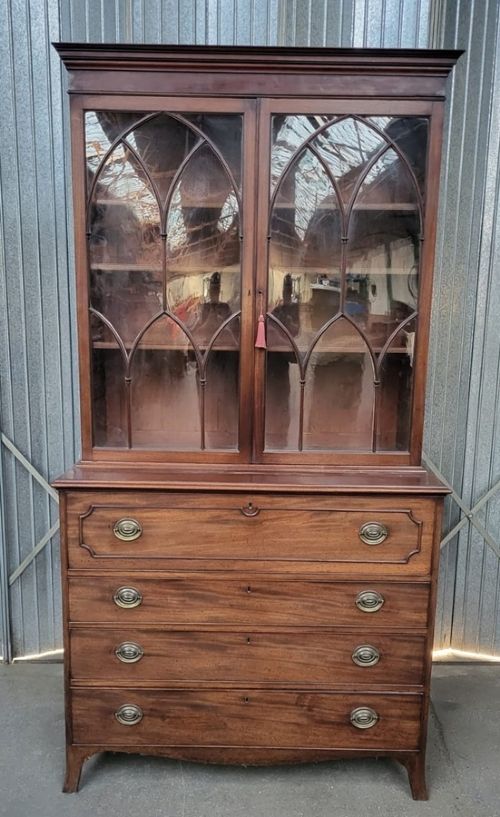
These gothic glazed bookcase examples bring architectural presence and visible storage to a room through pointed arches and transparent doors.

Gothic Glazed Bookcase
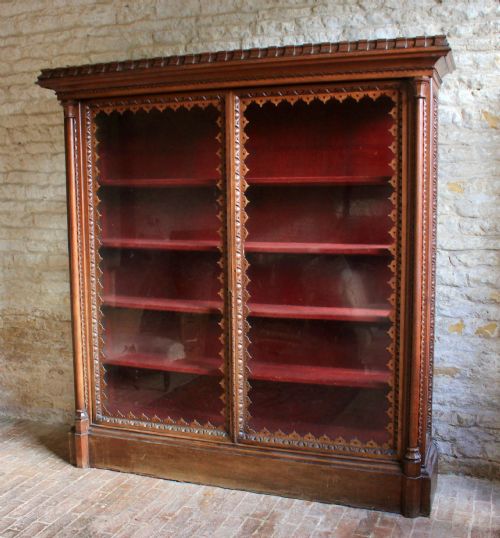
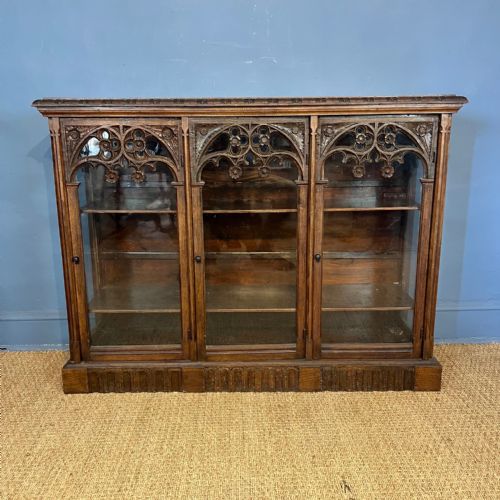
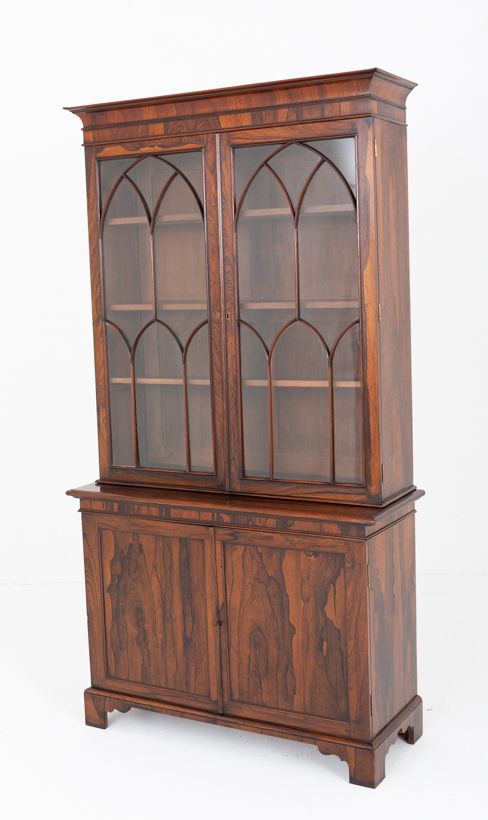
A gothic glazed bookcase combines architectural timber framing with transparent door panels designed to house and display collections of books. These pieces draw from historical building traditions, translating stone motifs into domestic furniture.
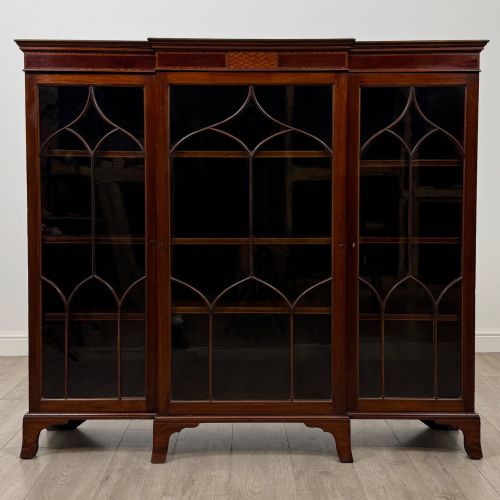
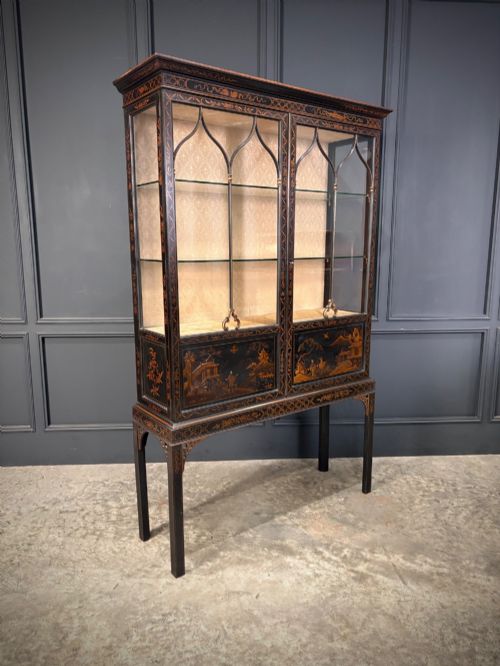
You will encounter pieces originating from the Georgian, Victorian, and Edwardian periods, alongside revival interpretations spanning the nineteenth and early twentieth centuries. Forms range from tall breakfront library units to compact display cabinets and secretaire variants.
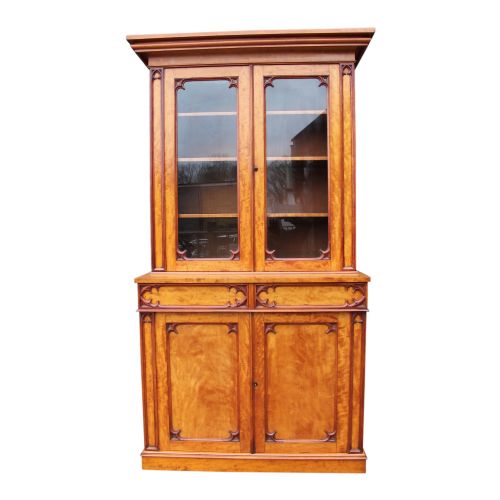
The phrase designates an intersection of storage utility and decorative revival style, appearing in mahogany, oak, walnut, and rosewood. Structural formats include two-part sectional carcases and glazed upper compartments fitted over lower drawer or cupboard bases.

What varies in quality
The architectural ambition of the timber carving and the precision of the tracery determine the calibre of the piece. Crisp fretwork and balanced proportions distinguish finer examples from simpler utilitarian volumes.
Selection of timber grain, particularly in figured mahogany, pollard oak, or satinwood, dictates visual depth. The integration of secondary woods and the refinement of internal shelving further separate standard production from exceptional library furniture.
Gothic Glazed Bookcase Retail Price Guide 2026
Typical asking prices for gothic glazed bookcase among the pieces listed under this phrase on Sellingantiques today, from the lower quarter to the upper quarter. They describe what is for sale here now, not the wider market.
Some cabinet doors use genuine lead cames to hold the glass panes together.
Jas Shoolbred·Gillows
The Gothic Glazed Bookcase Glossary
- Breakfront
- A cabinet design where the central section projects forward from the flanking wings. This format creates a pronounced architectural rhythm across large library bookcases.
- Secretaire bookcase
- A hybrid form incorporating a fitted writing drawer with a drop-front desk surface beneath the upper glazed doors. It combines workspace utility with open display storage.
- Tracery
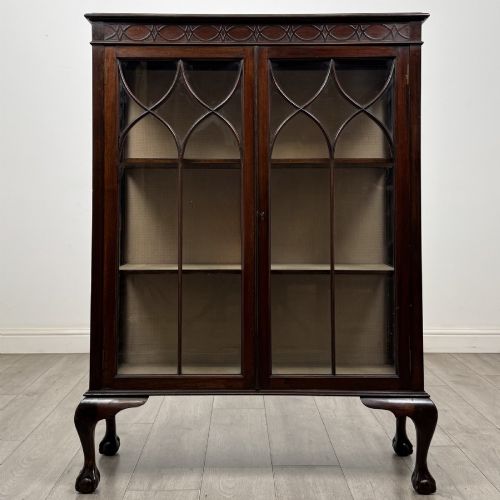
- Stonework-inspired ornamental intersecting ribwork within the upper glass doors. In these cabinets, wooden or lead bars divide the glass into Gothic arched panes.
- Linenfold
- A carved wooden panel motif imitating folded vertical drapery fabric. This texture frequently appears on lower cupboard doors associated with Gothic revival furniture.
- Pollard oak
- Timber harvested from trees that were pollarded, producing dense, highly figured growth rings with mottled patterns. It was favoured by cabinet makers for decorative cabinet facades.
Gothic Glazed Bookcase: Frequently Asked Questions
What is a gothic glazed bookcase?
A gothic glazed bookcase is a large wooden storage cabinet featuring glass-fronted upper doors decorated with pointed arches and architectural tracery. These pieces were built to protect and display valuable library collections.
They combine practical shelving with the dramatic vertical lines and decorative motifs of the Gothic revival style, making them a striking focal point in a study or drawing room.
How do I style one in a modern room?
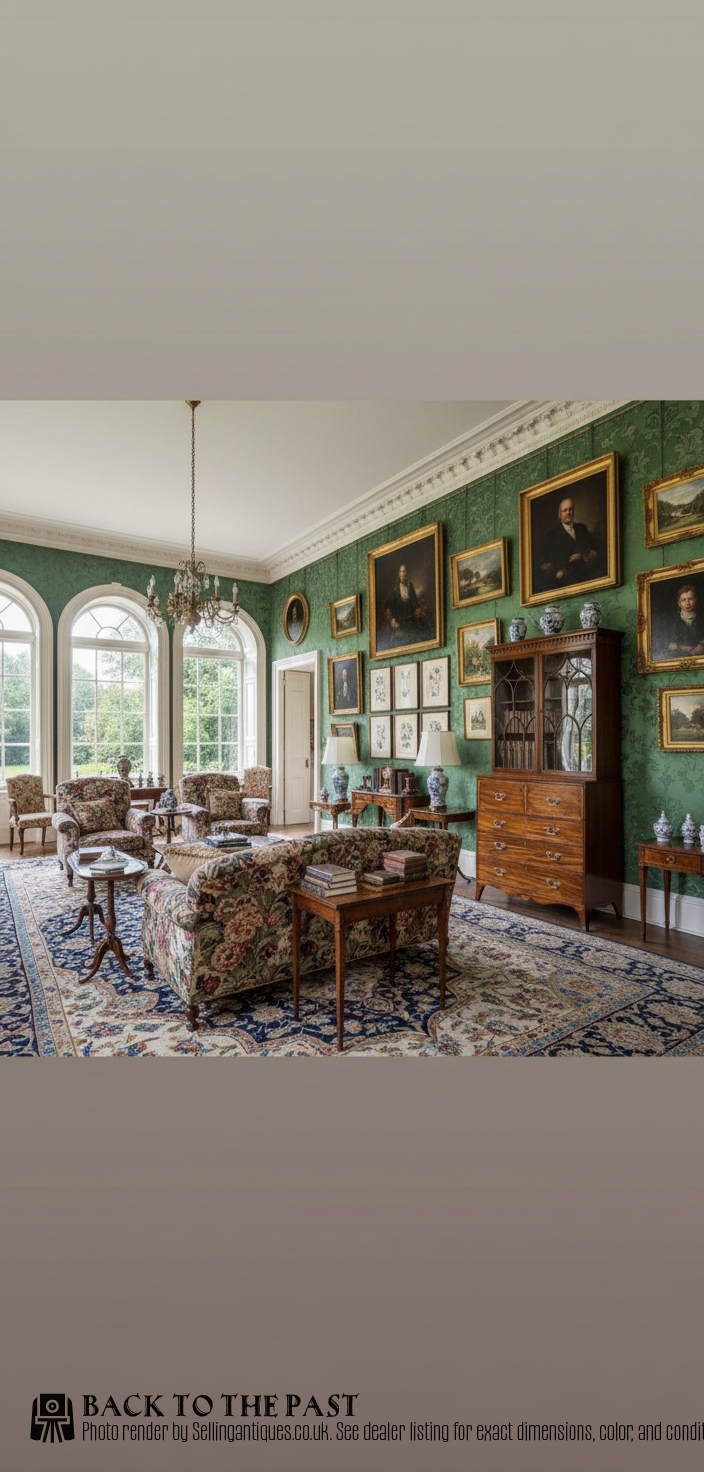
Integrating a dark wood bookcase requires balancing its substantial visual weight against lighter wall colours and contemporary furnishings. Grouping books by tone or mixing in ceramic objects creates visual breathing room behind the glass.
Ensure the room has adequate ambient lighting to highlight the timber grain and the geometric patterns of the door framing.
How do I date a gothic bookcase?
Dating relies on identifying the underlying timber species, hardware styles, and architectural revival periods represented in the construction. Georgian and early nineteenth-century examples often feature solid mahogany and restrained classical proportions.
Later Victorian and Edwardian pieces frequently showcase elaborate carved oak, pollard veneers, and more exuberant interpretations of Gothic tracery.