



Gothic Carved Bookcase
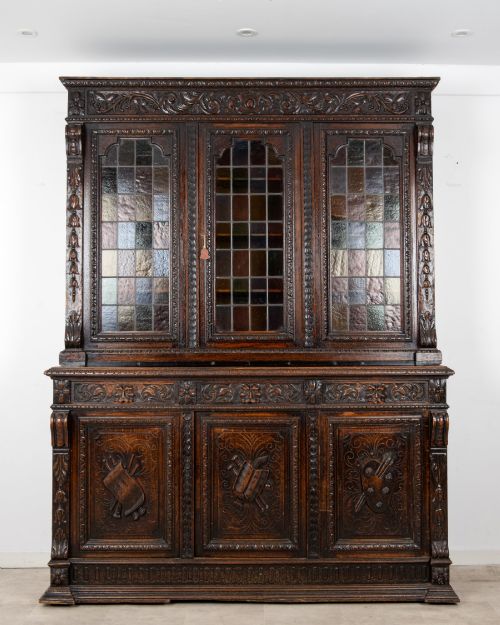
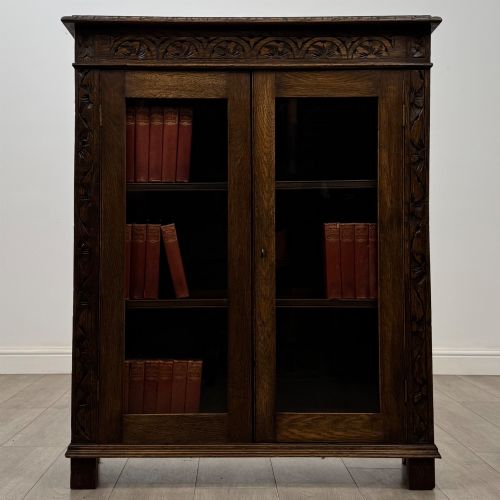
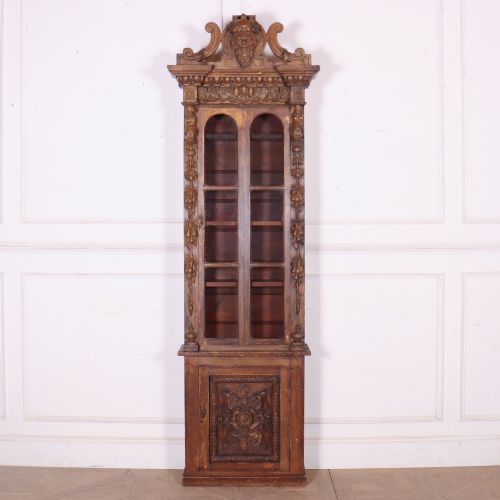
When you search for a gothic carved bookcase, you seek heavy timbers, pointed arches, and deep relief work that ground a room in Victorian architectural style.
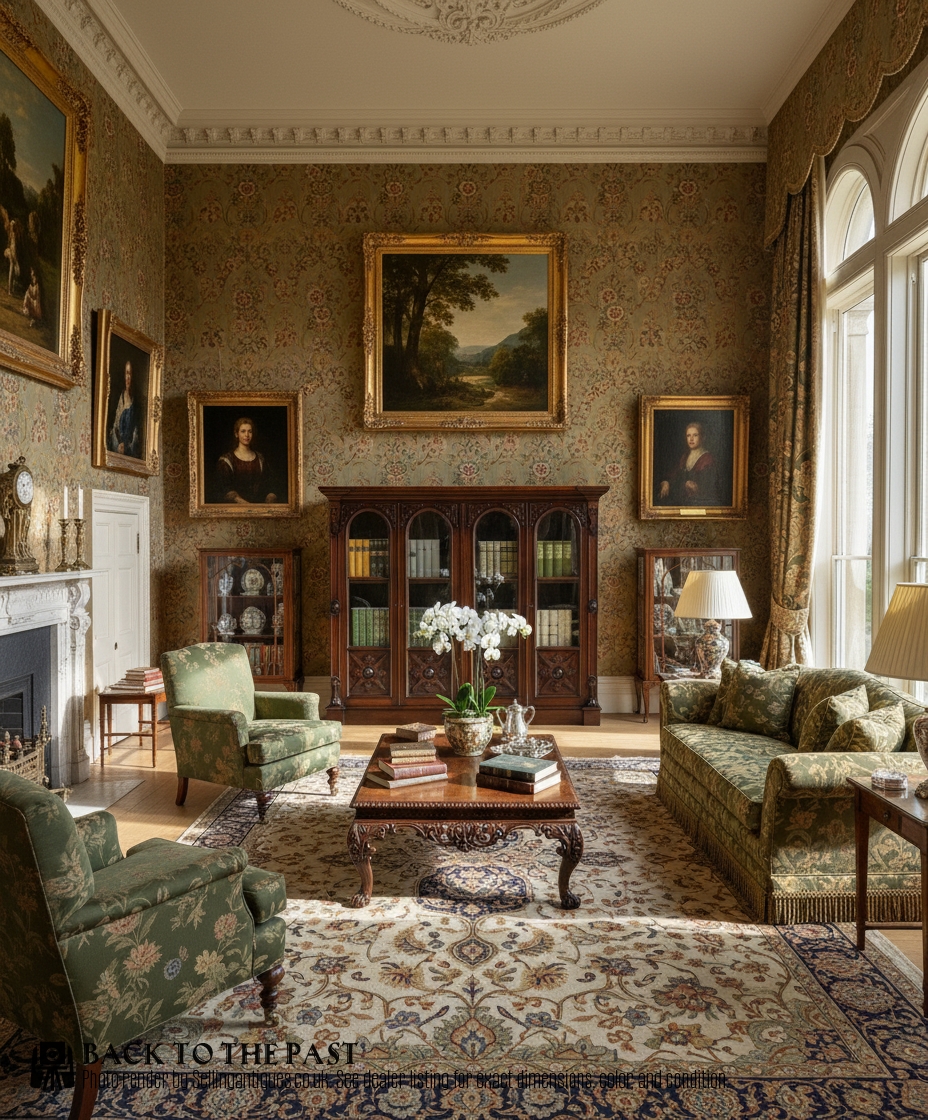
Gothic Carved Bookcase
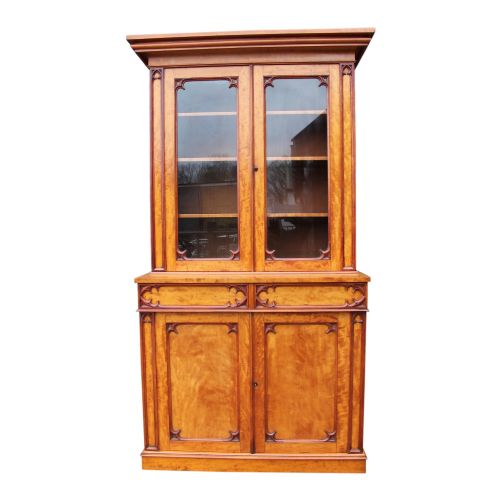
A gothic carved bookcase combines storage for volumes with architectural motifs drawn from medieval buildings, most frequently appearing in nineteenth-century oak.
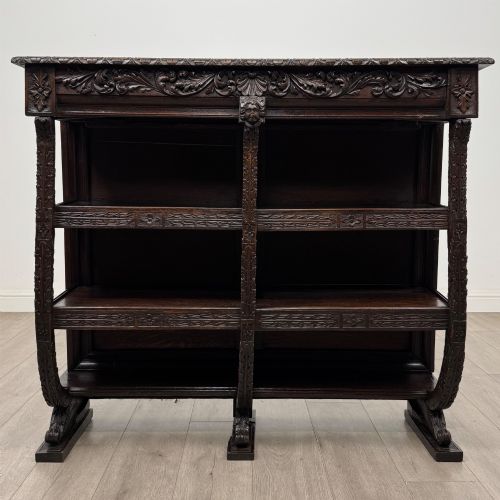
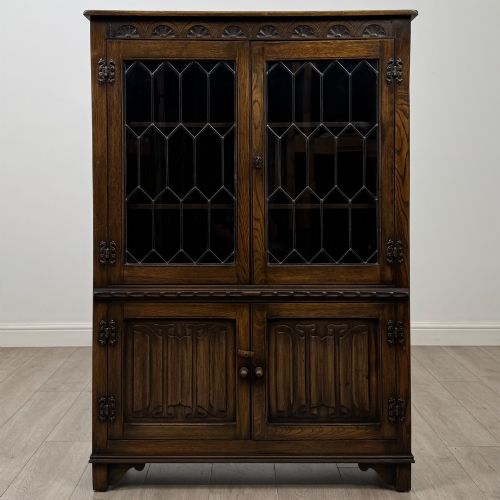
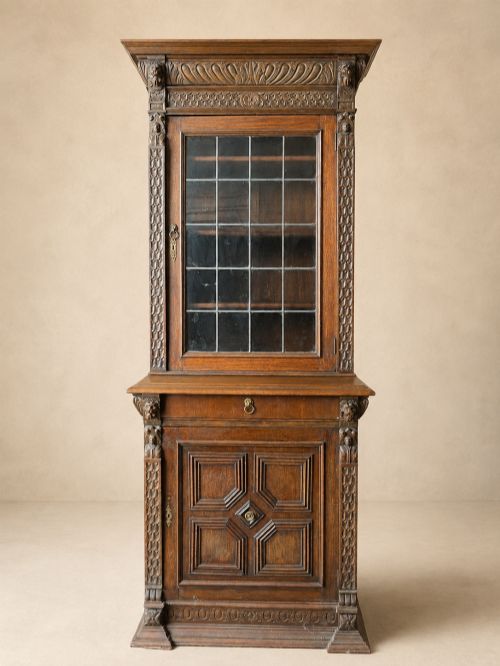
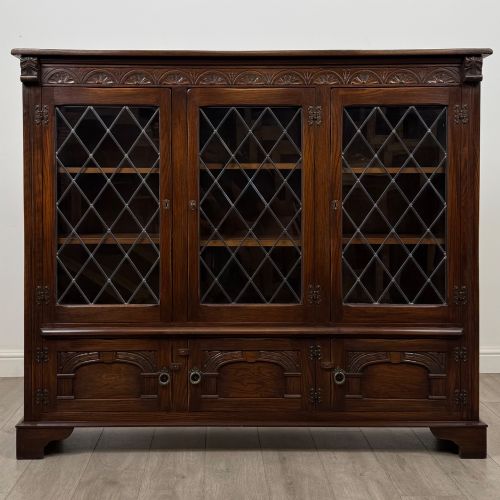
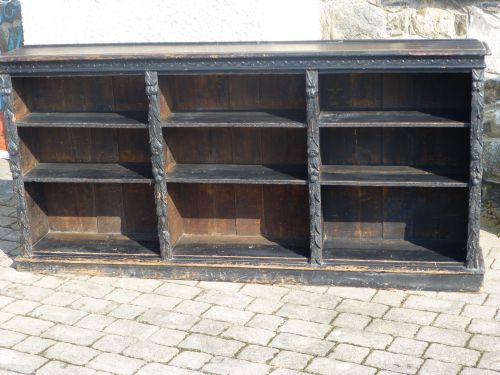
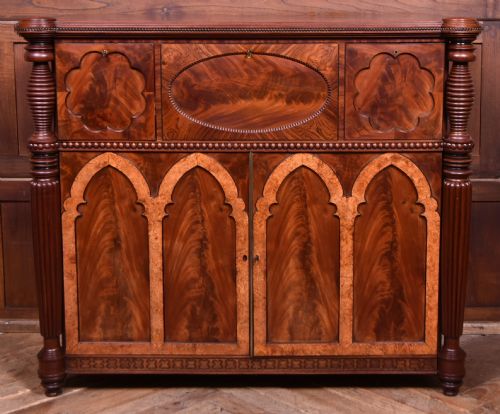
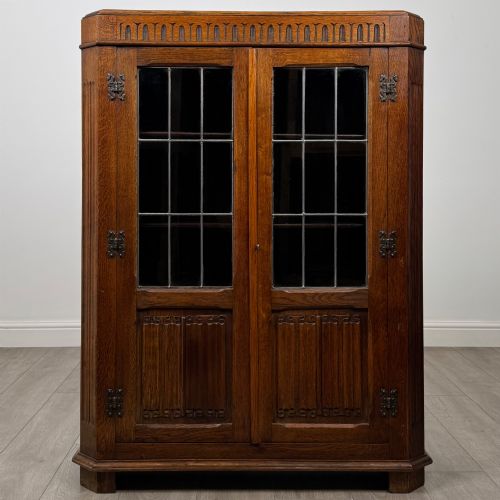
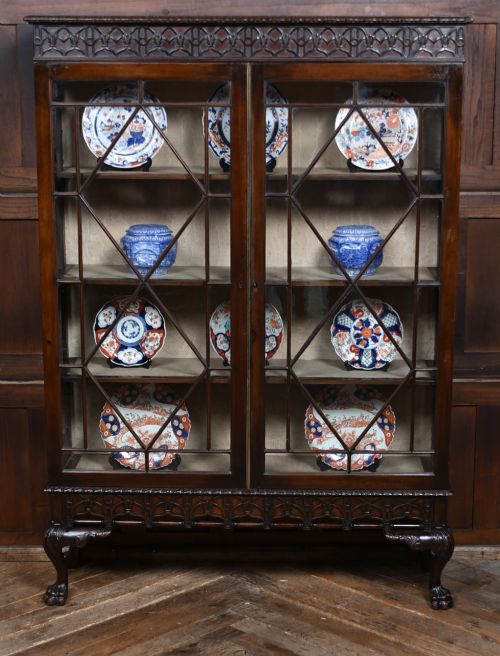
Buyers encounter open shelf units, glazed display cabinets, and secretaire bookcases featuring carved panels, linenfold details, and occasionally green man masks.
The prevailing examples originate from the Victorian and Edwardian eras, spanning styles from Gothic Revival to Jacobean Revival.
Materials and construction
Makers relied heavily on solid oak, frequently supplemented by walnut, mahogany, and satinwood for finer cabinetwork.
Glazing often incorporated lead, brass, and stained glass, while hardware utilised brass and iron to secure doors and drawers.
Structural joinery supported elaborate hand-carved friezes, barley twist columns, and architectural pediments.
Listings feature oak, walnut, mahogany, and satinwood, spanning the Victorian and Edwardian periods with frequent Gothic Revival styling.
Assessing the craftsmanship
Quality depends on the depth and crispness of the wood carving, distinguishing brisk workshop production from deeply articulated relief work.
The selection of timber grain, particularly in quartersawn oak or figured walnut, marks the distinction between standard utilitarian furniture and ambitious library pieces.
Gillows·John Moyr Smith
The Gothic Carved Bookcase Glossary
- Green man
- A sculptural motif depicting a human face entwined with foliage and vines. It frequently appears carved into nineteenth-century oak cornices and panel doors.
- Linenfold
- A style of wood carving that mimics folded fabric or linen panels. This technique is commonly found on Edwardian and Victorian cabinet doors.
- Secretaire
- A cabinet or bookcase featuring a pull-down writing drawer that conceals smaller compartments and pigeonholes. These items combine desk space with bookshelf storage.
- Breakfront
- A piece of furniture where the central section projects forward from the side wings. This architectural arrangement creates depth and visual weight in larger library cases.
Gothic Carved Bookcase: Frequently Asked Questions
How do I date a gothic carved bookcase?
Examine the secondary woods, structural fixings, and stylistic cues such as linenfold panels or brass hardware. Pieces marked by nineteenth-century revival periods often carry distinct Victorian architectural proportions.
Compare the depth of the hand carving and the type of glass in the doors against known production periods from the 1860s through the early twentieth century.
Are the shelves adjustable on these bookcases?
Many nineteenth-century examples feature adjustable shelving supported by wooden ratchets or metal pins. This adaptability allowed libraries to accommodate varying octavo and folio volumes.
Open front models and glazed cabinets frequently retain their original peg supports inside the upright sides.
How should I care for dark oak furniture?
Maintain the finish by applying natural beeswax sparingly and buffing with a soft cloth to nourish the dry wood grain. Avoid placing heavy oak pieces near direct heat sources or strong sunlight.
Keep leaded and stained glass panels clean using gentle glass cleaner applied to a cloth rather than sprayed directly onto the timber.
What rooms suit a breakfront bookcase?
Large breakfront and two-part bookcases require spacious studies, libraries, or high-ceilinged living rooms to accommodate their architectural presence. Their heavy cornices and glazed display sections demand adequate wall space.
Smaller dwarf or open bookcases fit narrow hallways and studies where tall monumental cabinets overwhelm the floor plan.