
Traditional Oak Display Cabinet
A traditional oak display cabinet brings warmth and practical storage to a room, uniting timber with clear glazing to show off prized possessions.
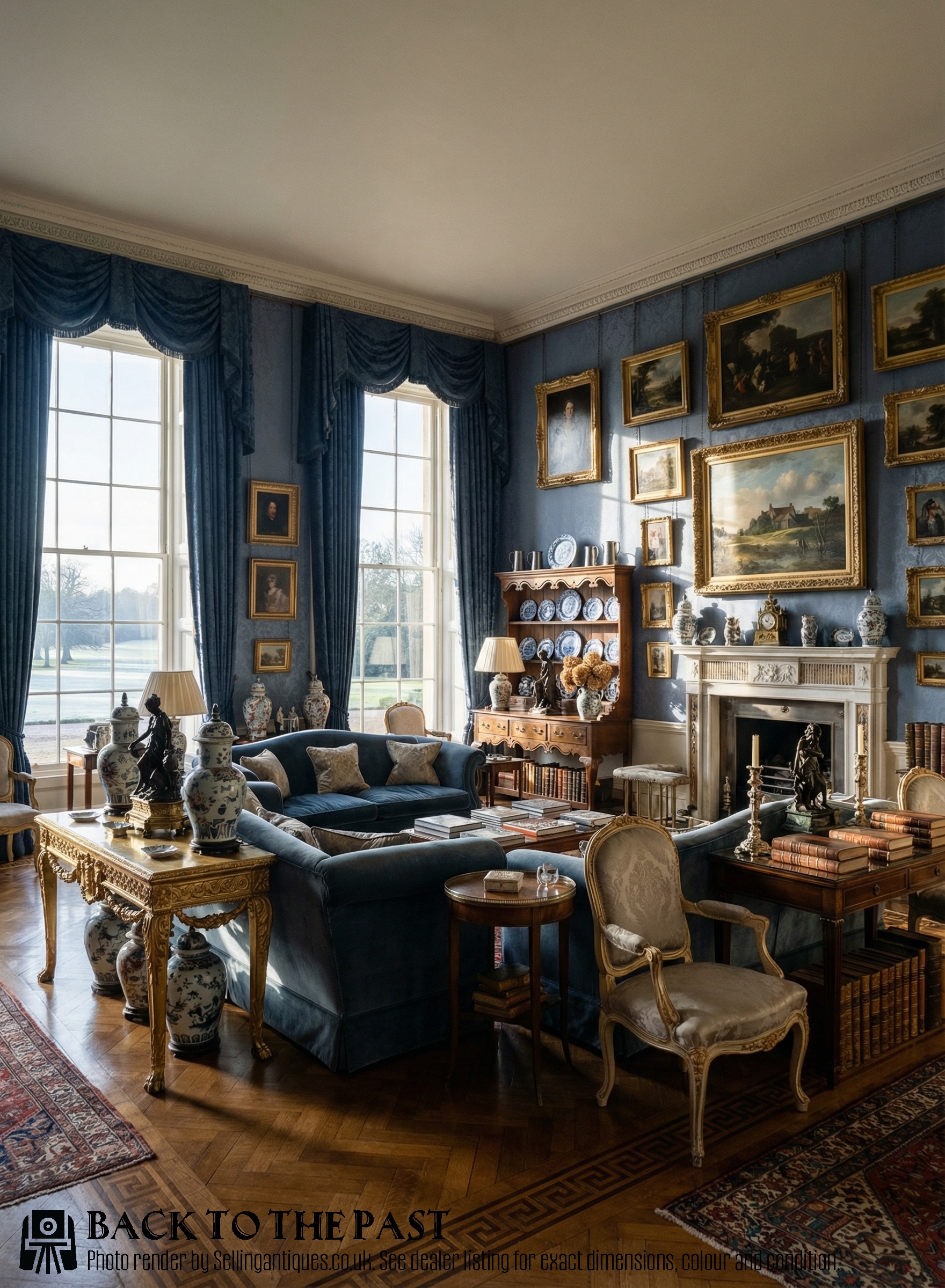
Traditional Oak Display Cabinet
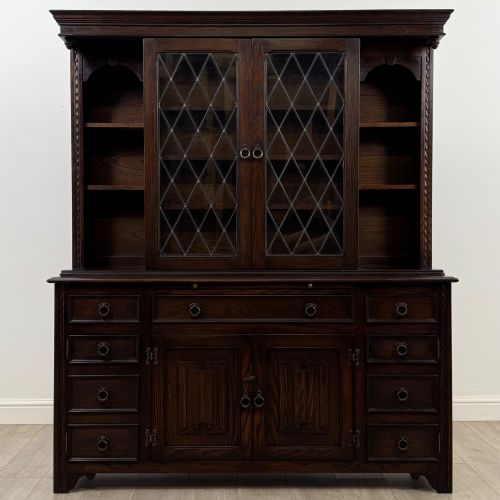
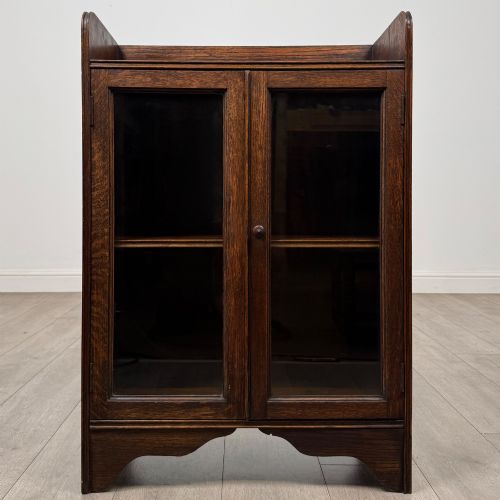
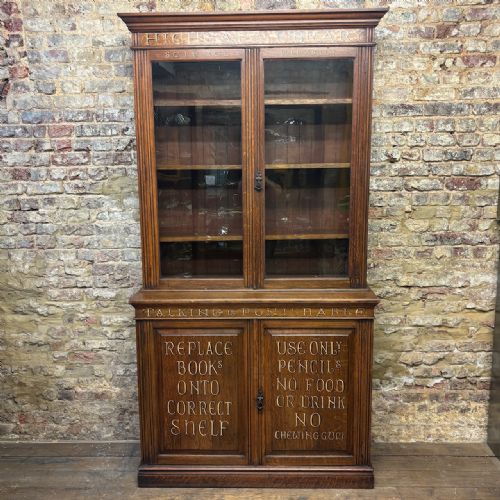
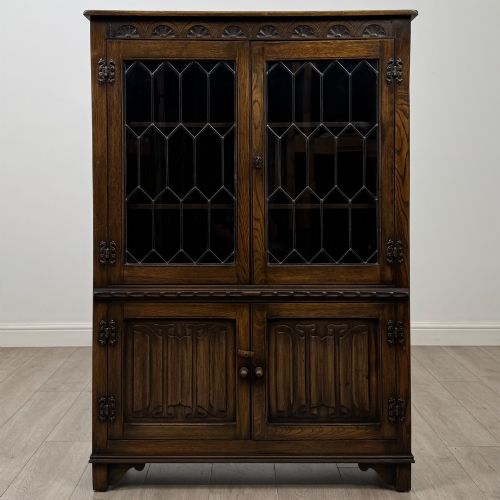
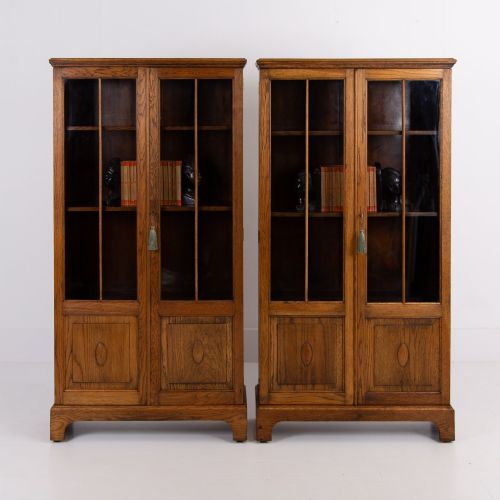
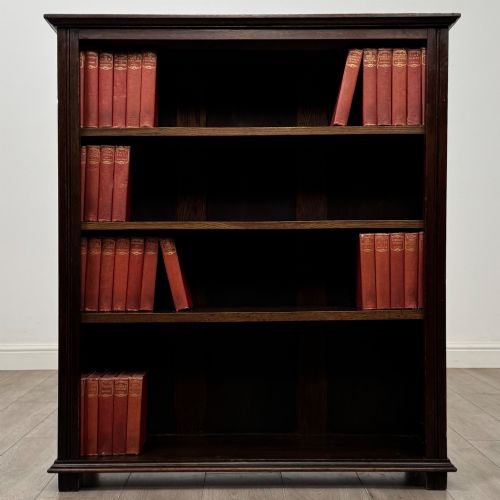
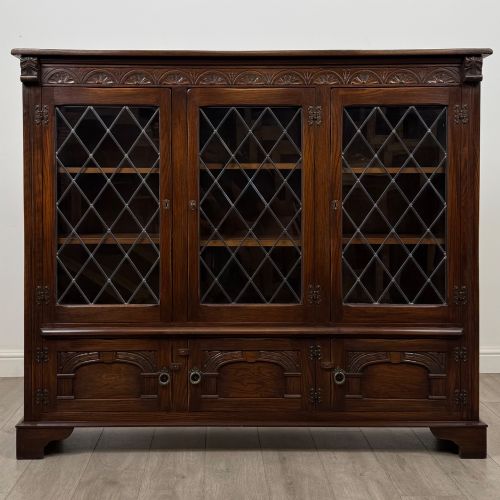
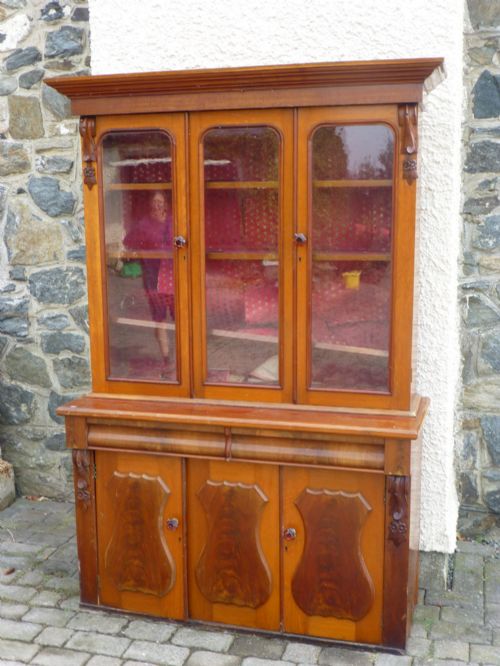
A traditional oak display cabinet provides sturdy storage and shelving for books, china and household objects, often featuring glazed doors or open fronts to view the contents. These pieces range from compact corner cupboards to grand kitchen dressers and bookcases.
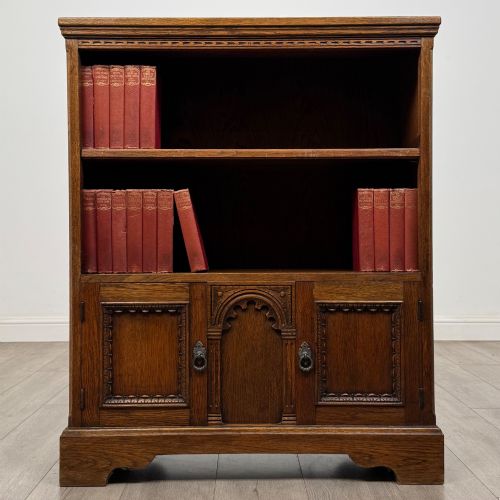
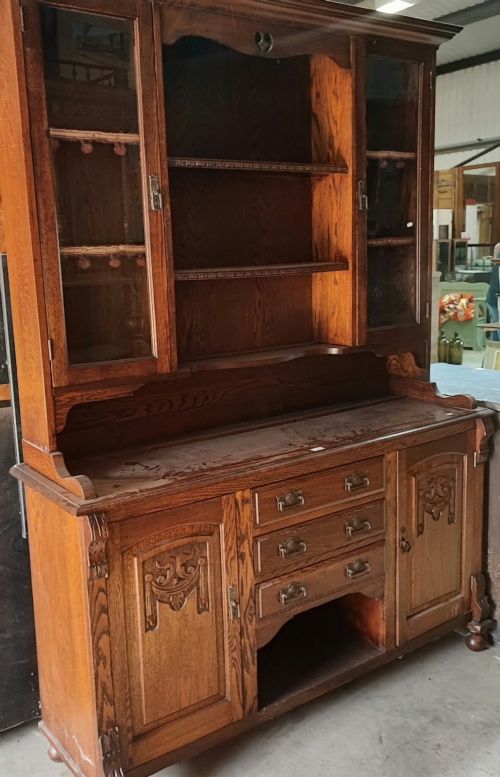
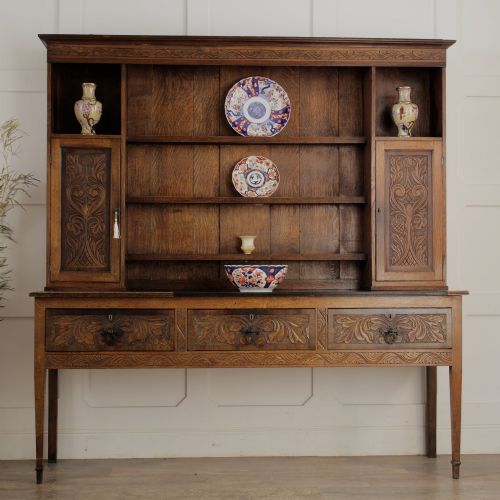
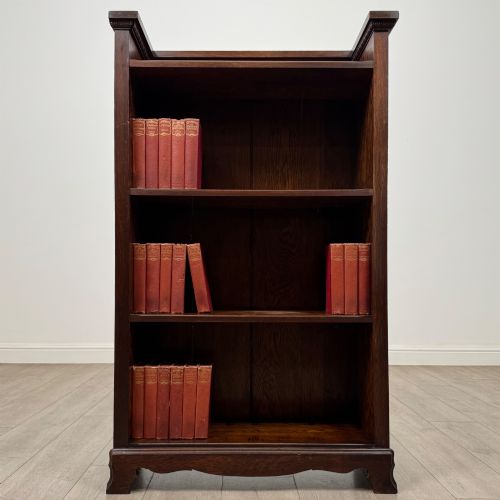
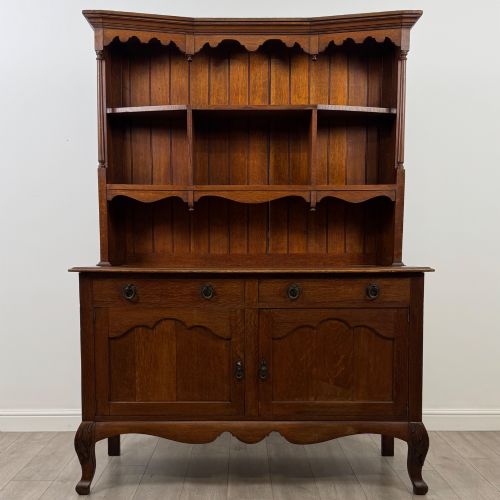
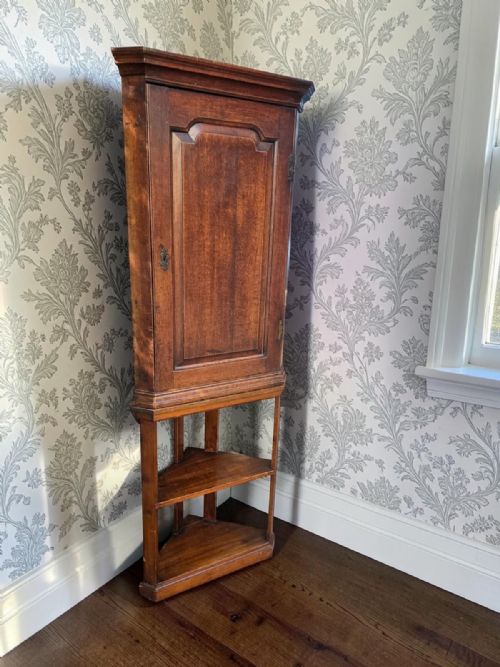
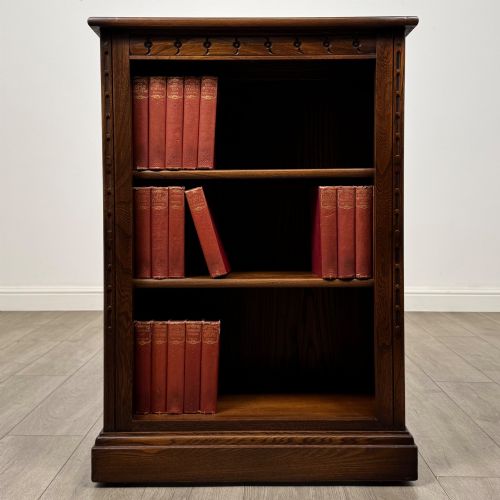
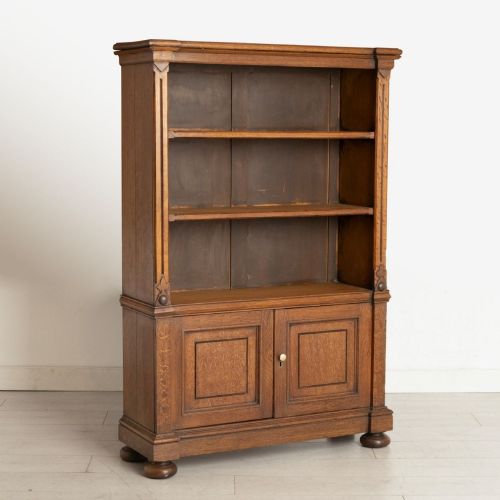
Buyers exploring this selection frequently encounter Edwardian and 20th-century creations, alongside earlier Georgian, Victorian and 18th-century examples. The forms vary from tall open bookcases and corner units to elaborate Welsh dressers fitted with drawers and racks.
How they were made
Cabinet makers relied predominantly on solid oak and veneer, constructing sturdy frames to support heavy shelves and glazed doors. Brass and iron hardware, such as hinges and drawer pulls, secured the structural elements while lead occasionally framed the glass panes.
Traditional joinery techniques joined panels and uprights to accommodate timber movement across varying seasons. Carved details, linenfold panels and beaded edges imparted texture and depth to the surfaces.
Traditional Oak Display Cabinet Retail Price Guide 2026
Typical asking prices for traditional oak display cabinet among the pieces listed under this phrase on Sellingantiques today, from the lower quarter to the upper quarter. They describe what is for sale here now, not the wider market.
Tiger oak figure marks timber with distinctive tiger-stripe chatoyancy that shifts pleasingly under changing room light.
What varies in quality
The standard of execution rests on timber selection, such as tiger oak or golden oak, and the crispness of hand-carved ornamentation. Refined proportions and balanced grain patterns elevate the presence of a cabinet.
Integrity of construction and original glazing distinguish finer pieces from simpler utility items. The integration of harmonious secondary woods like mahogany alongside the primary oak indicates careful workshop practice.
The Traditional Oak Display Cabinet Glossary
- Welsh dresser
- A traditional kitchen or dining room storage unit comprising lower cupboards and drawers topped by plate racks or shelving. These pieces evolved to display ceramics and store domestic provisions.
- Corner cupboard
- A cabinet designed specifically to fit into the ninety-degree angle of a room. Such forms maximise floor space while offering secure display or storage.
- Linenfold
- A style of wood carving that imitates folded fabric or linen cloth. This decorative motif frequently adorns panels on revival furniture.
- Open bookcase
- A shelving unit without doors, providing direct access to books or displayed objects. These items often incorporate adjustable shelves for practical versatility.
- Veneer
- A thin layer of superior wood applied over a secondary timber base to create a decorative surface pattern. This technique makes efficient use of figured grain.
Traditional Oak Display Cabinet: Frequently Asked Questions
Where should I place a traditional oak display cabinet?
These cabinets suit dining rooms, libraries and living spaces where books or tableware require organised storage. Positioning them away from direct heat sources protects the timber and finish.
Corner units make efficient use of unused angles in smaller rooms, while larger dressers anchor a dining wall.
How do I care for oak display furniture?
Dust the timber regularly with a soft, dry cloth to prevent grit accumulation on the polished surfaces. Avoid silicone-based polishes that build up residue over time.
Maintain stable indoor humidity levels to prevent the solid oak panels and joints from shifting or splitting.
What is the difference between a dresser and a bookcase?
A dresser typically combines lower cupboards and drawers with an upper section for displaying plates, while a bookcase focuses primarily on rows of shelving for books. Dressers often serve as substantial kitchen or dining room focal points.
Bookcases offer shallower depths, designed specifically to line walls with reading material.
How do I identify an Edwardian oak cabinet?
Edwardian pieces often display lighter golden oak tones and draw inspiration from earlier Georgian or Jacobean styles. They frequently incorporate bevelled glass doors and subtle carved motifs.
Construction methods from this period balance machine-assisted efficiency with traditional hand finishing.