
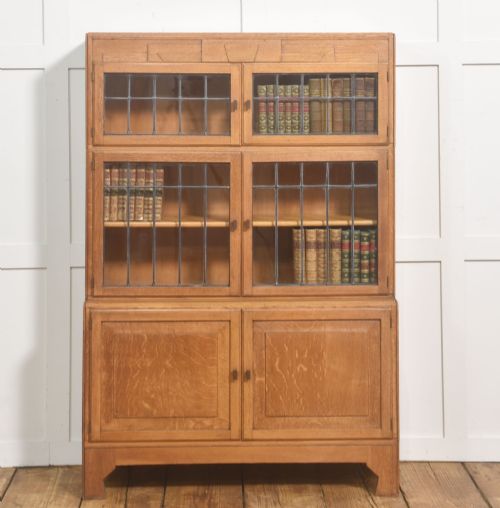
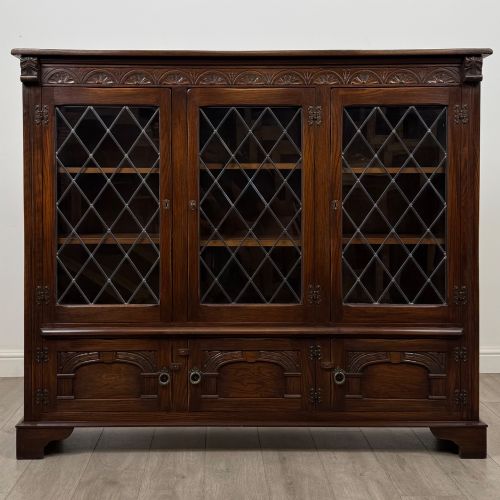
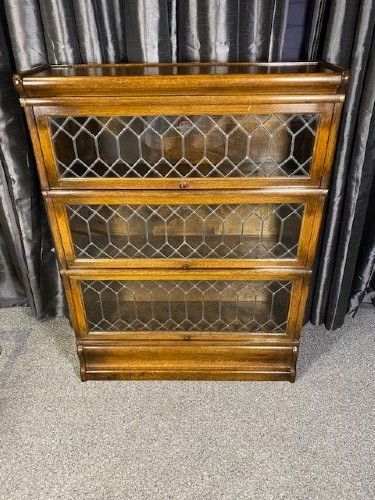
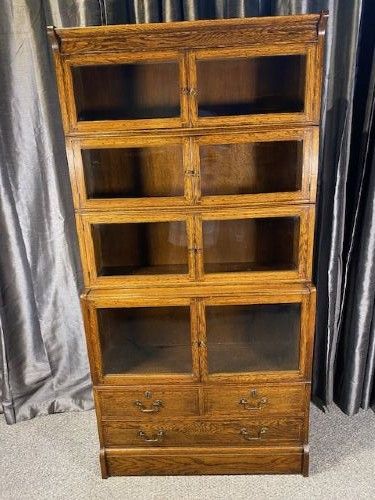
Oak Glass Bookcase
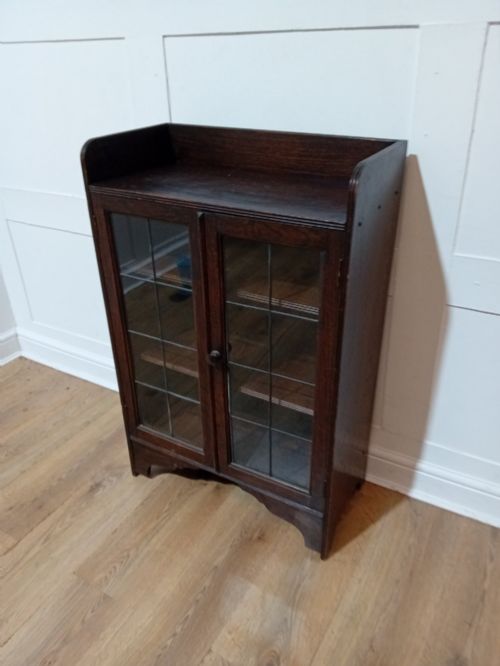
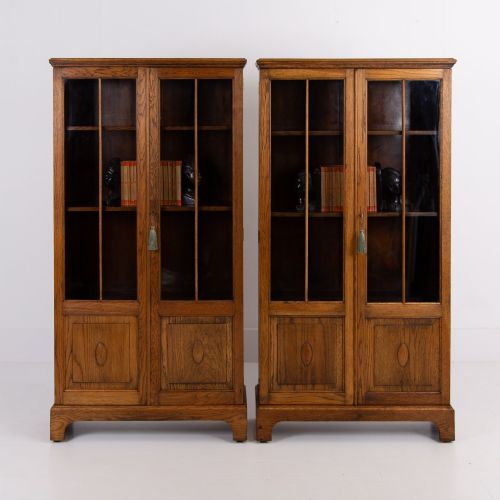
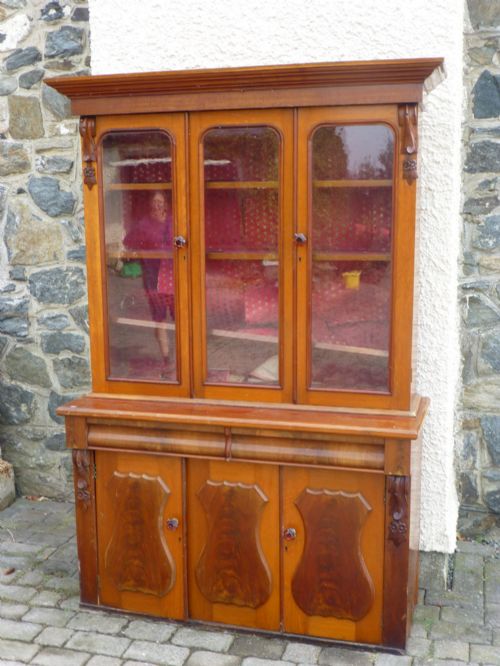
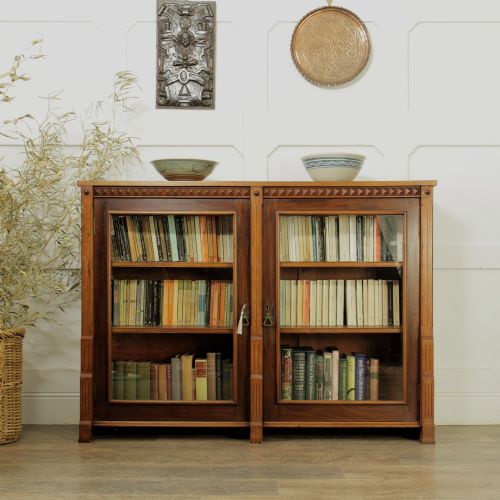
An oak glass bookcase brings together solid timber and glazed doors to house collections, taking forms from sectional lawyer's units to tall Edwardian display cabinets.
Oak Glass Bookcase
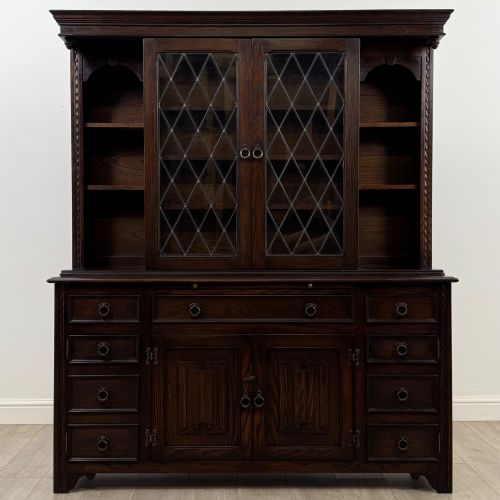
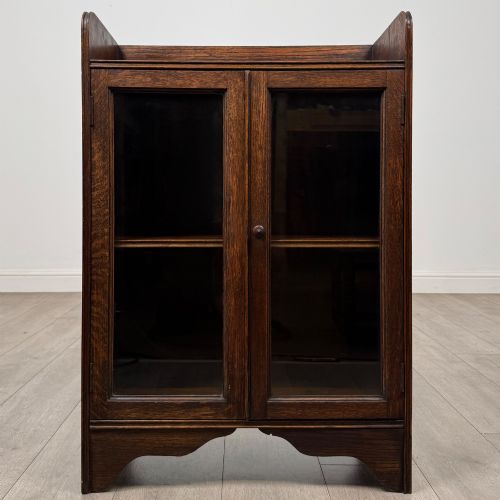
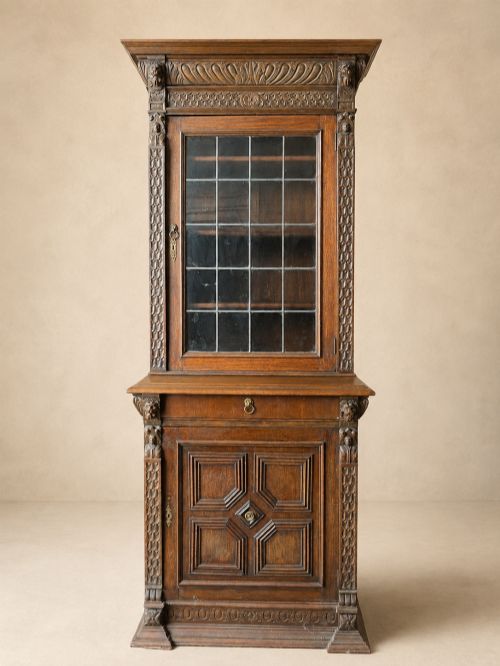
When searching for an oak glass bookcase, a buyer encounters everything from utilitarian sectional barrister's cabinets to decorative Edwardian display furniture and Arts and Crafts cupboards. The pieces span periods from the late Victorian era through the Edwardian years and into the nineteen-twenties, incorporating regional formats like Welsh dressers and bureau bookcases alongside modular stacking designs.
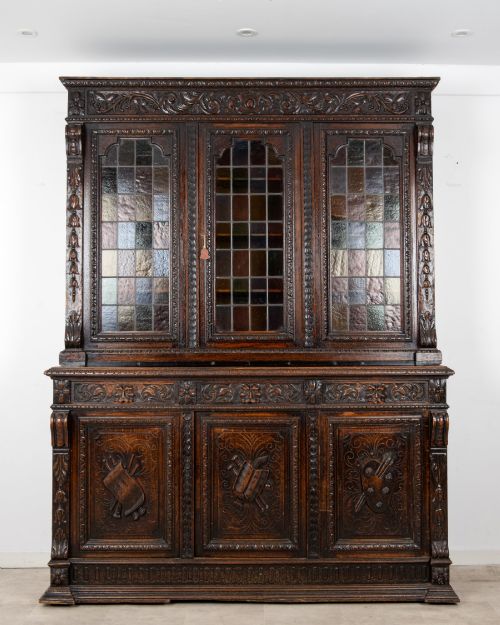
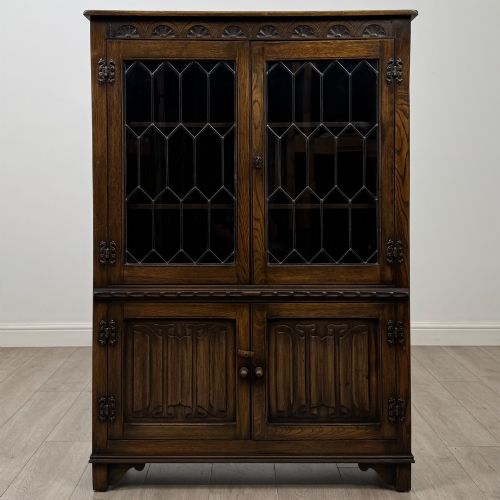
Most examples rely on glazed doors to protect volumes while keeping titles visible, utilising clear, leaded, or stained glass panes. Sectional variants allow owners to stack modular tiers, whereas larger double and triple cabinets provide fixed shelving behind timber-framed glass fronts. The visual language shifts from straightforward office storage to carved domestic display pieces influenced by Jacobean and Art Deco styles.
Materials and Construction
Makers built these cabinets primarily using solid English or Welsh oak, occasionally selecting golden or light oak timbers and pairing them with mahogany or contrasting veneers. Structural integrity relied on traditional joinery, sturdy brass hardware, and iron fittings, particularly on modular stacking systems and bureau mechanisms.
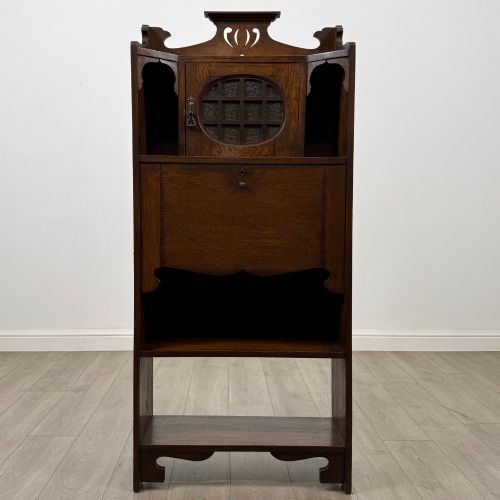
Glass panels were secured within wooden frames or joined with lead cames to create geometric and stained glass patterns. Many items feature carved detailing, linenfold panels, or inlaid motifs that reflect the prevailing taste of their manufacturing period, from nineteenth-century revival styles to twentieth-century modernism.
Listings feature oak glass bookcases spanning the Victorian, Edwardian, and Art Deco periods, alongside modular stacking units.
Qualities of Construction and Design
Quality rests in the selection of the timber, the precision of the joinery, and the integrity of the hardware. Superior examples display carefully matched oak grain, smooth operation in sliding or stacking doors, and original leaded or stained glass without replacement panes.
The sophistication of the carving and the presence of maker-specific mechanics, such as functional Globe Wernicke lifting mechanisms or secure brass bureau fittings, distinguish finer workshop production from standard utility office furniture.
Globe Wernicke·Lebus
The Oak Glass Bookcase Glossary
- Globe Wernicke
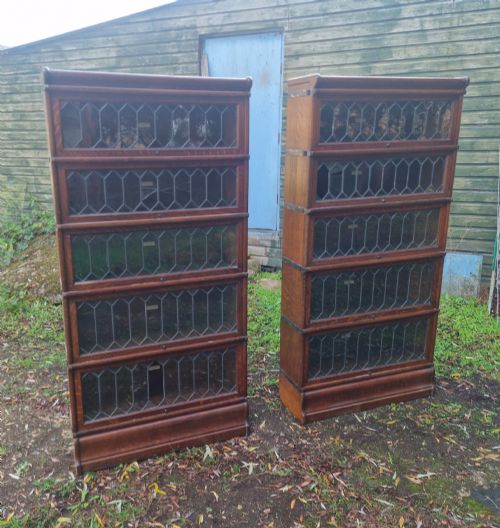
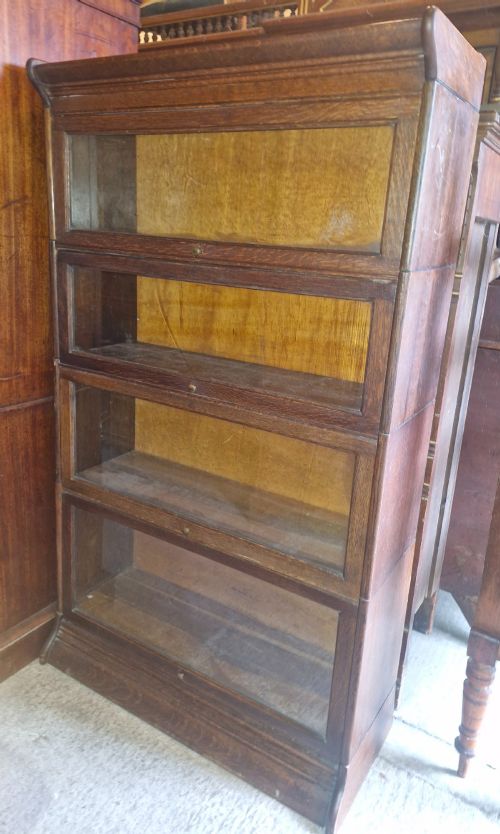
- A sectional barrister bookcase composed of stacking modular tiers with glass doors that lift and slide inside the case. This American-invented format became widely adopted by British makers in the early twentieth century.
- Leaded Glass
- Glass panes held together within a network of narrow lead strips known as cames. This technique allowed makers to form geometric or decorative window patterns.
- Bureau Bookcase
- A dual-purpose piece combining a sloping writing desk flap over drawers with a glazed upper bookcase section. These units served as compact home offices.
- Linenfold
- A style of wood carving that imitates folded fabric or linen sheeting. It frequently appears on panels of Edwardian and revival cabinets.
- Sectional Bookcase
- A modular shelving unit built in separate tiers that stack vertically. Units often feature individual glass-fronted compartments.
Oak Glass Bookcase: Frequently Asked Questions
What is a barrister bookcase?
A barrister bookcase is a modular piece made of stacking tiers, originally designed for travelling lawyers or office workers who needed to transport and expand their libraries easily. Each shelf acts as an independent box with a glass door that lifts and slides into the cabinet.
These units are particularly noted for their space-saving vertical format and mechanical ingenuity, allowing owners to add or remove sections as their book collections grew.
How do I date an oak bookcase?
Dating relies on examining the timber, hardware, joinery techniques, and overall stylistic influences such as Arts and Crafts simplicity or Edwardian carving. Pieces from the nineteenth century often feature heavier proportions and hand-cut joinery, while twentieth-century examples frequently adopt lighter oak finishes and sectional designs.
Hardware details like brass pulls, iron mechanisms, and the type of glass used also help narrow down the decade of production, distinguishing Victorian work from later Edwardian or 1920s output.
Are leaded glass doors original?
Leaded glass doors are typically original if the lead cames show uniform oxidation and the glass matches the thickness and distortion expected of the period. Replacement panes often look too uniform or feature modern sealants around the edges.
Inspecting the interior frame joints and the alignment of the lead patterns provides further confirmation of whether the glass was fitted when the cabinet was first built.
How should I care for antique oak?
Antique oak benefits from stable indoor humidity levels and protection from direct sunlight, which can dry out the timber and fade the finish. Regular dusting with a soft, dry cloth maintains the surface without the need for heavy silicones or modern chemical polishes.
Applying a traditional beeswax occasionally helps nourish the wood and preserves the natural lustre of the grain over decades of use.