


Gold Upholstered Settee
A gold upholstered settee brings warmth and distinct period character to a room, offering comfortable seating packaged in gilded timber and rich textiles.
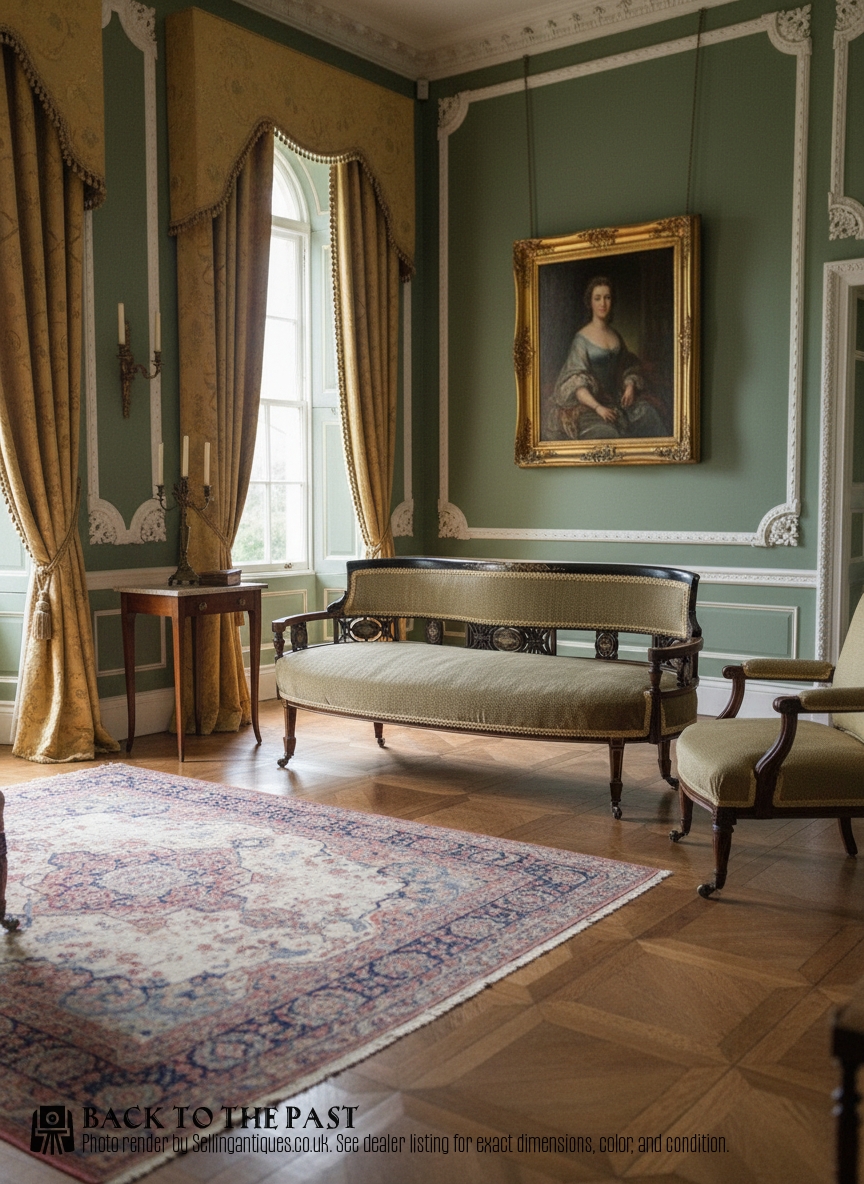
Gold Upholstered Settee
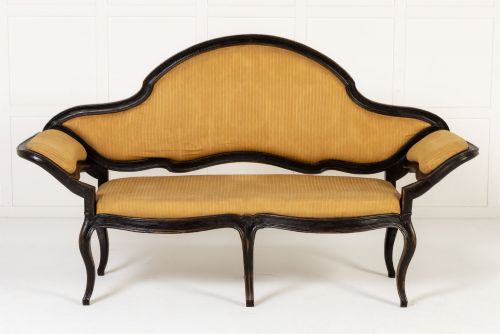
A gold upholstered settee encompasses formal salon seating and domestic couches spanning the eighteenth, nineteenth, and early twentieth centuries. When searching for this phrase, buyers encounter varied iterations that bridge English country house comfort and continental elegance. French aesthetic influences dominate the selection, appearing frequently alongside robust Victorian forms.
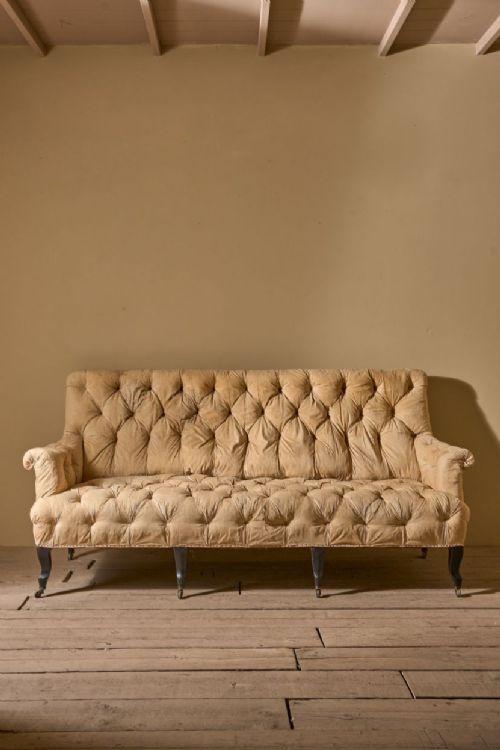
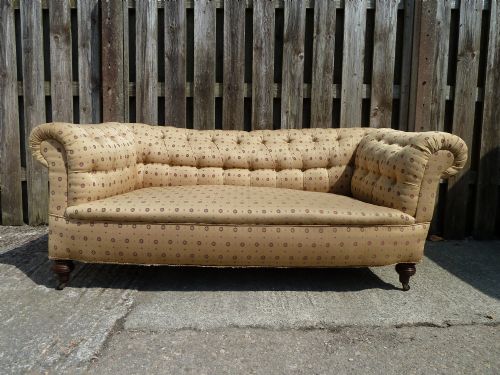
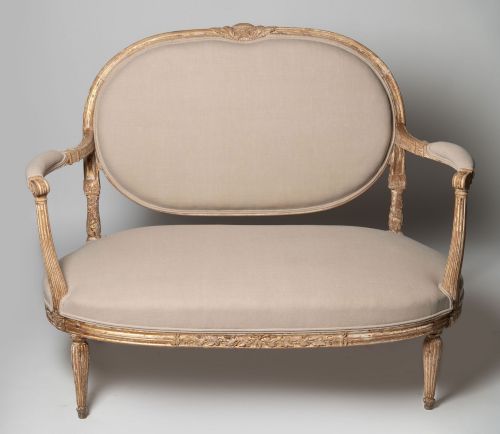
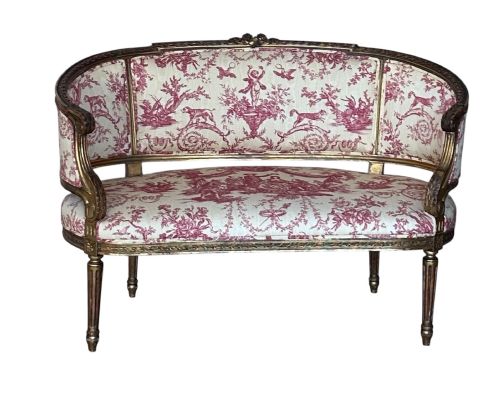
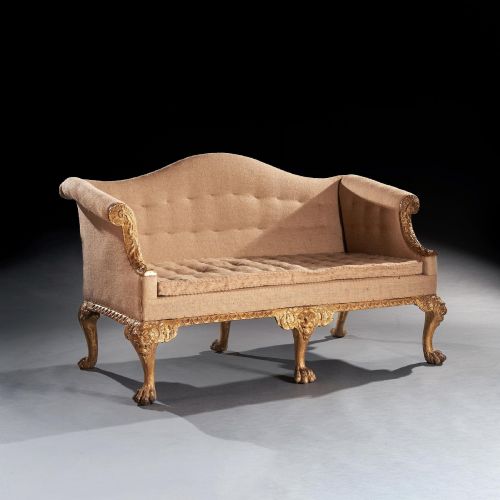
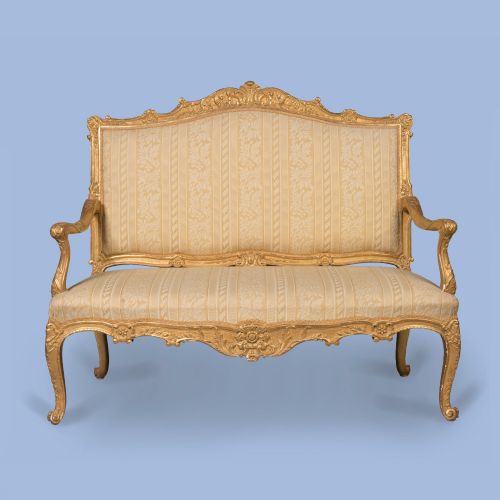
The physical forms range from buttoned nineteenth-century Chesterfields and Knole sofas to carved giltwood canapés built in the Louis XV and Louis XVI styles. Frames emerge in mahogany, walnut, fruitwood, and gilded wood, upholstered in velvet, silk, damask, and patterned fabrics. These multi-seater options often form part of larger salon suites or pair with matching armchairs.
How they were made
Construction relies on timber framing carved from mahogany, walnut, fruitwood, or heavily gilded wood known as giltwood. Cabinetmakers shaped structural frames by hand, often incorporating intricate scrollwork, turned legs, or lion mask hairy paw feet.
Upholstery techniques involve securing heavy textiles like velvet, damask, silk, and patterned fabrics over internal padding. Artisans utilised traditional stuffing methods, occasionally employing deep buttoning to secure the backrests and seats of nineteenth-century frames.
The listings show nineteenth-century pieces alongside eighteenth-century works, utilising materials such as velvet, damask, mahogany, and giltwood.
What varies in quality
The refinement of the wooden frame carvings dictates much of the distinction between ordinary and exceptional pieces. Crisp, deeply carved ornamentation on giltwood or mahogany indicates skilled handwork rather than simple production.
Material selection and upholstery finish also set examples apart. Heavier hardwoods, genuine silk damask, and well-executed gilding elevate the visual weight and longevity of the seating.
Giles Grendey
The Gold Upholstered Settee Glossary
- Giltwood
- Timber treated with gold leaf or gilt preparation. This finish characterises many formal continental and English salon frames.
- Canapé
- An eighteenth or nineteenth-century decorative French sofa. These frames typically feature exposed carved wood and open arms.
- Damask
- A reversible figured fabric traditionally woven on a jacquard loom. It frequently appears on period parlor seating in gold and neutral tones.
- Chesterfield
- A nineteenth-century deep-buttoned sofa design. This English form provides rolled arms and an equal back and arm height.
- Chaise Longue
- An elongated chair designed for reclining. Listings occasionally group these with traditional two-seater settees.
Gold Upholstered Settee: Frequently Asked Questions
How do I style a French settee?
A French settee works well as a focal point in a living room, bedroom, or large hallway. Its carved wooden frame and decorative upholstery pair easily with both traditional and eclectic interiors.
Keeping surrounding furniture neutral allows the gilded wood and gold upholstery to stand out without overwhelming the space.
What is the difference between a settee and a sofa?
Historically, a settee referred to a two-seater upholstered wooden bench with a back and arms, while a sofa denoted a larger, fully padded seating piece. Over time, the terms became largely interchangeable in antique listings.
Both forms serve identical domestic functions, though settees generally maintain more exposed decorative woodwork.
How do I identify a Victorian couch?
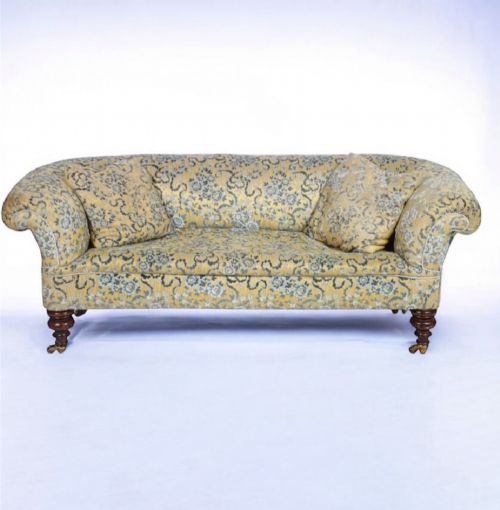
Victorian couches often feature dark hardwoods like walnut or mahogany, substantial upholstery, and occasionally deep buttoning. Common styles include buttoned back designs and Chesterfield forms from the late nineteenth century.
Turned wooden legs and robust frames distinguish these sturdy domestic pieces from lighter eighteenth-century models.