




Gold Thread Embroidery
Gold thread embroidery brings together centuries of gleaming metallic work, silk and velvet, offering striking visual depth for any interior.
What gold thread embroidery pieces are
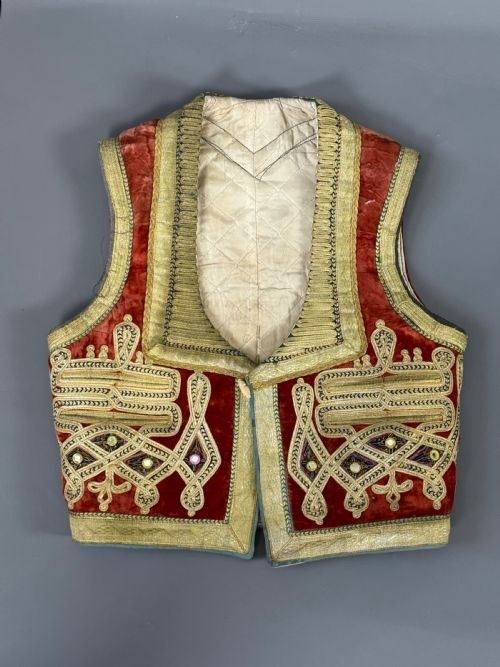
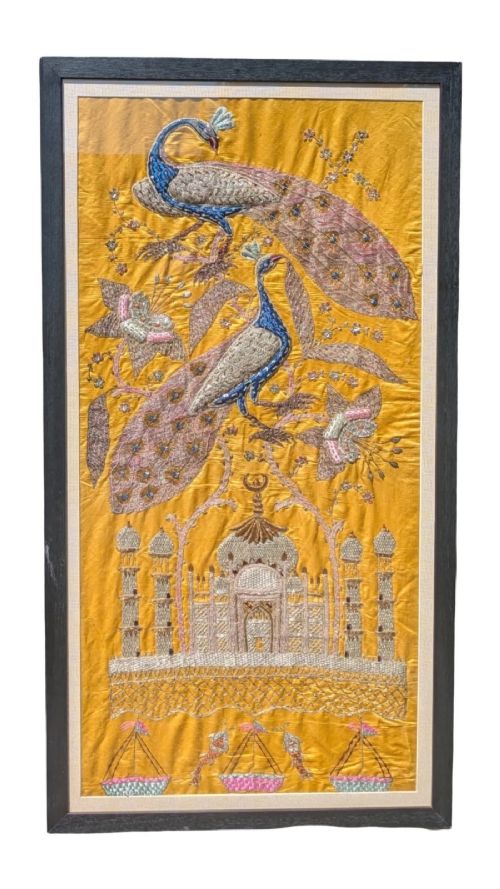
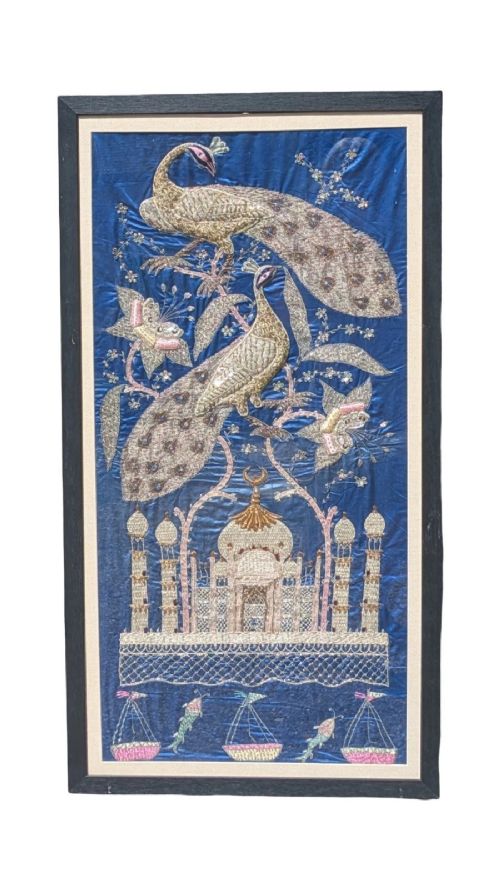
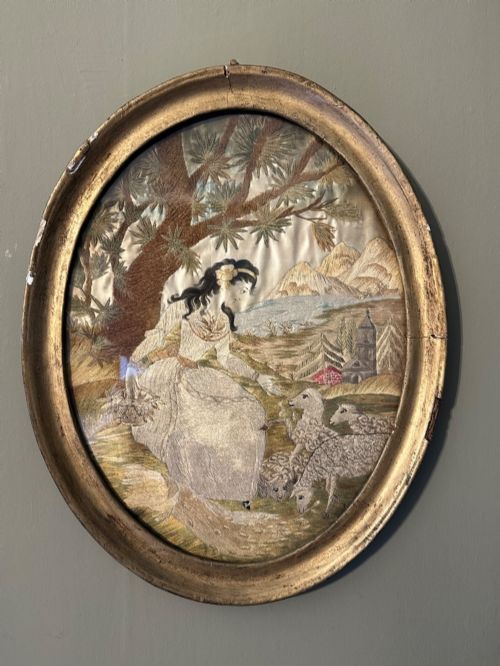
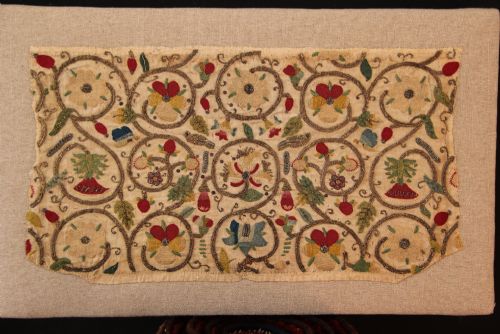
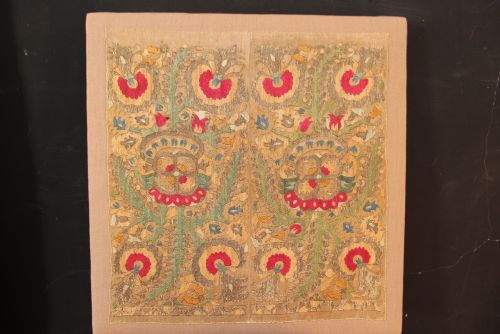
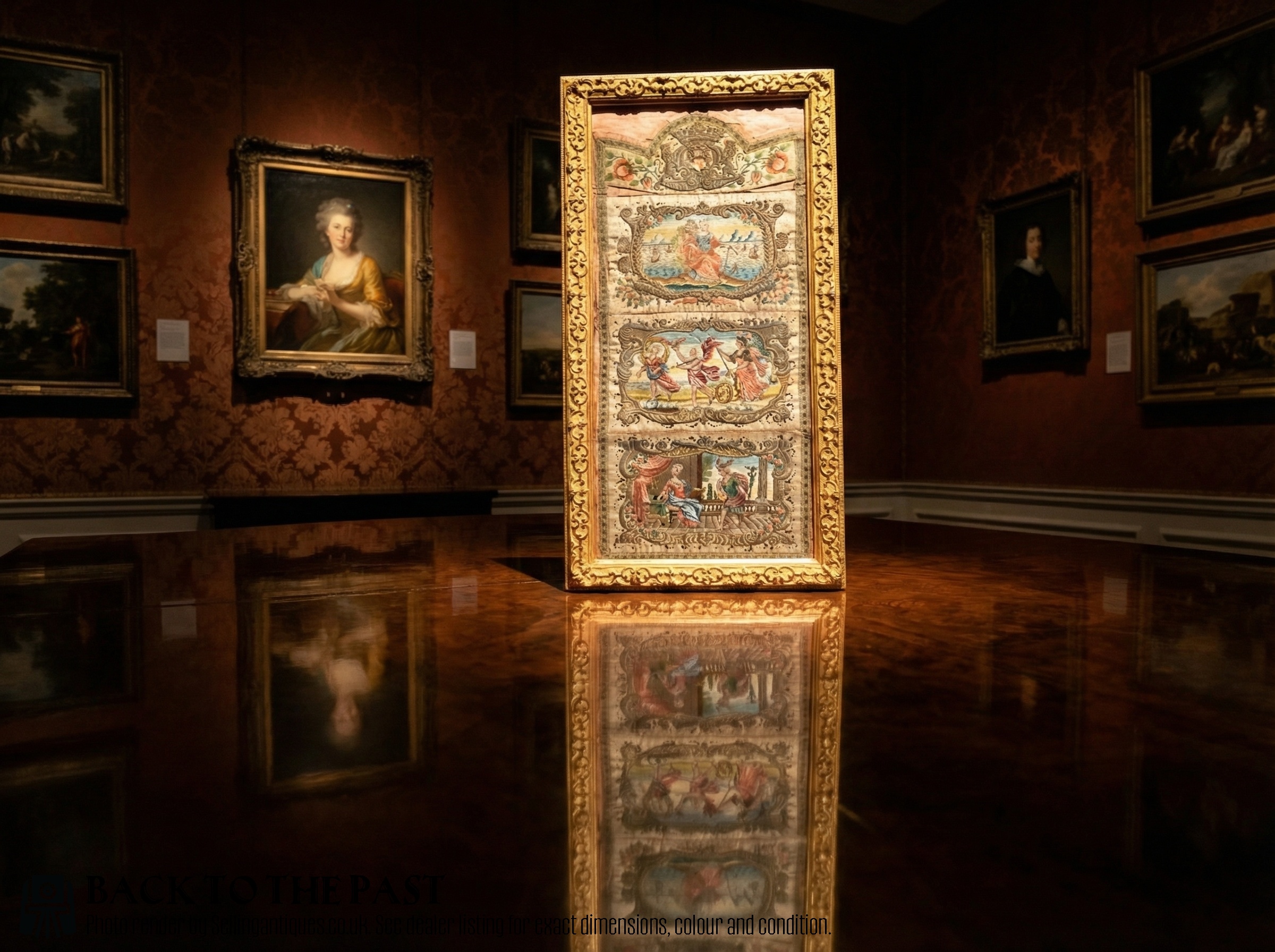
Gold thread embroidery encompasses historic textile panels, wall hangings and framed works created across various regions and eras. These historic textiles include Greek folk art, Ottoman hangings, Dutch panels and Chinese floral pieces.
Buyers frequently encounter framed textiles, velvet coverlets and textile art combining metal thread with silk or linen grounds. Pieces range from small Greek hand towel end panels to large Ottoman velvet coverlets.
The global origins of these works span Greece, Turkey, China, Egypt, India and Europe, reflecting diverse cultural traditions in metalwork and textile decoration.
Materials and construction
Artisans stitch metallic thread, gold thread and gold-wire thread onto silk, silk velvet, linen and cotton backgrounds. Many of these historic textiles incorporate metal thread alongside glass beads and coloured silks.
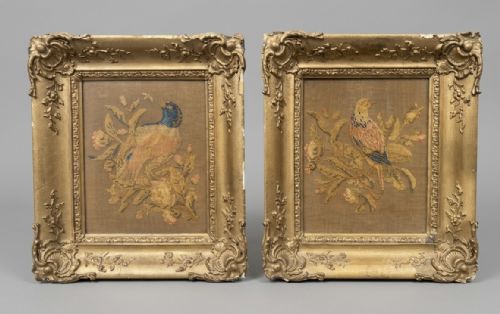
Works often appear framed under glass or mounted in original wooden frames such as mahogany or gilded wood. Needleworkers employ meticulous hand sewing techniques to secure heavy metal threads to fragile fabric grounds.
Retail Price Guide 2026
Typical UK retail prices for gold thread embroidery, calculated from the Sellingantiques database of over a million retail prices indexed since 2003. This retail price guide relies exclusively on Sellingantiques data; no external sources or auction records are used, so the figures do not describe the wider market.
Geographic origins span Europe, the Ottoman Empire, China, India and Egypt.
Assessing quality and execution
Quality rests upon the intricacy of the needlework and the preservation of the metal and silk threads against the background fabric. Superior examples display dense, precise stitching and rich materials that retain their lustre.
The integrity of the ground material, whether velvet, silk or linen, alongside the original framing or mounting, significantly influences the overall character of the piece.
The Gold Thread Embroidery Glossary
- Metal thread
- A fine wire or metal-wrapped fibre used in needlework to create shimmering linear designs. It provides durability and reflective quality.
- Silk velvet
- A luxurious woven fabric with a dense pile, frequently used as a heavy background for metallic embroidery. Its rich texture enhances the sparkle of gold thread.
- Textile panel
- A flat section of decorated fabric, often removed from a larger garment or furnishing and subsequently framed or mounted for display. These form a large portion of available pieces.
- Coverlet
- A decorative covering or quilt placed over a bed or piece of furniture. Ottoman examples often feature elaborate metal-thread work.
Frequently Asked Questions
How should I hang antique textiles?
Keep textile panels out of direct sunlight to protect delicate silk grounds and metallic threads from fading and deterioration.
Mount pieces professionally behind glass or using conservation-grade framing methods to support the weight of heavy metal threads.
What periods do these embroideries come from?
Surviving examples date from the seventeenth century through to the early twentieth century, spanning various global traditions.
Georgian, Ottoman, Baroque and Greek folk art styles are commonly represented among these historic needlework pieces.
Are these pieces framed?
Many works come preserved in period settings, including original mahogany or gilded wooden frames under glass.
Unframed textile panels and coverlets also appear, offering alternative display options for collectors and interior decorators.
What materials are used in the embroidery?
Artisans utilised gold thread, metal wire and silver thread combined with coloured silks on silk velvet, linen or cotton grounds.
Additional elements such as glass beads sometimes appear alongside the metallic stitching to add texture and colour.