

Antique Ecclesiastical Art
Antique ecclesiastical art brings centuries of devotion into domestic spaces through carved wood sculptures, painted panels and liturgical furnishings.
Antique Ecclesiastical Art
When you search for antique ecclesiastical art, you encounter sacred artefacts originally fashioned for worship, ranging from modest devotional carvings to monumental architectural elements.
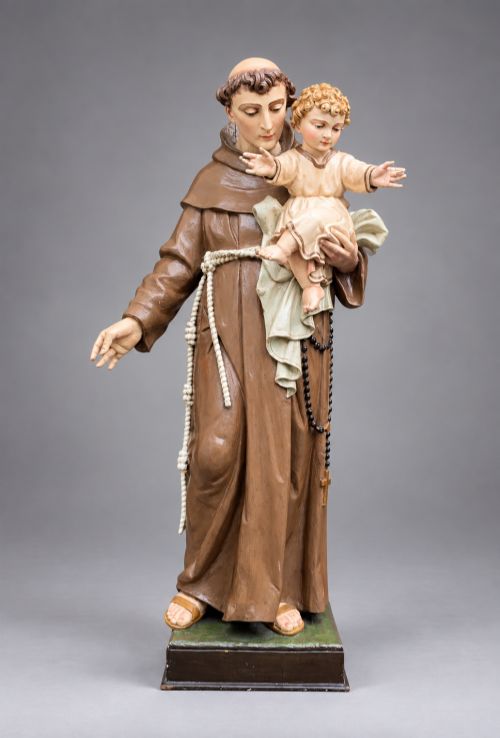
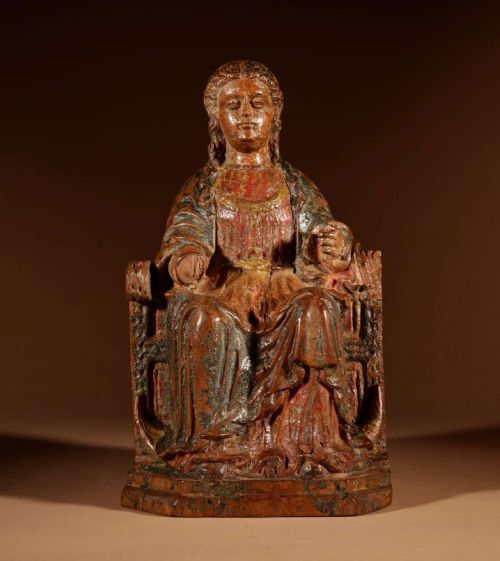
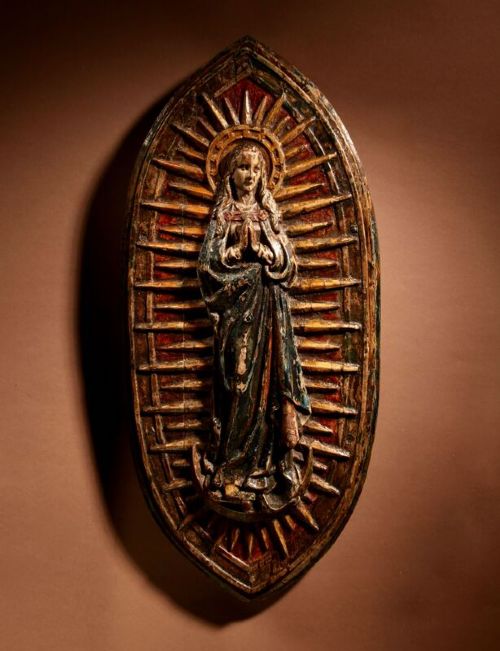
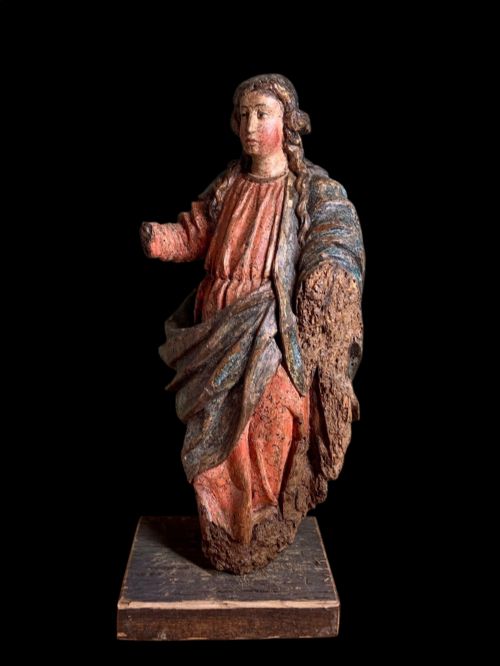
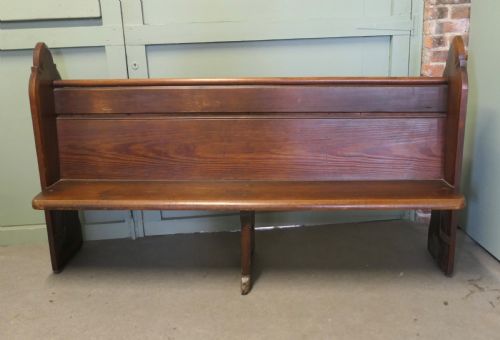
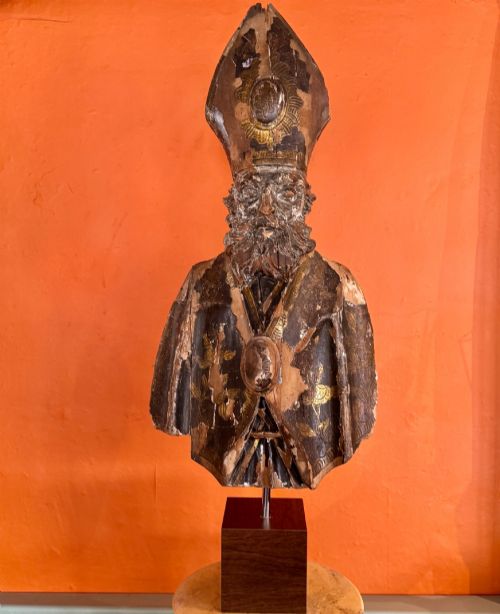
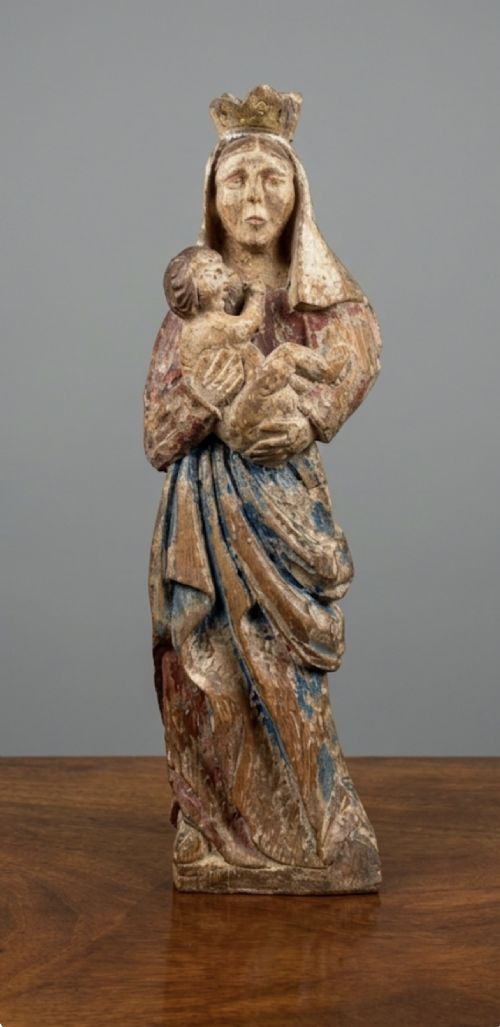
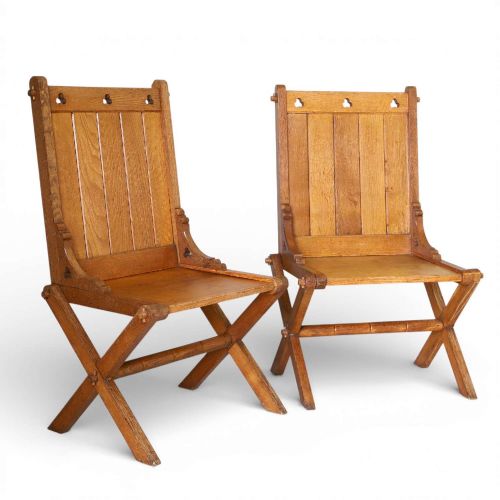
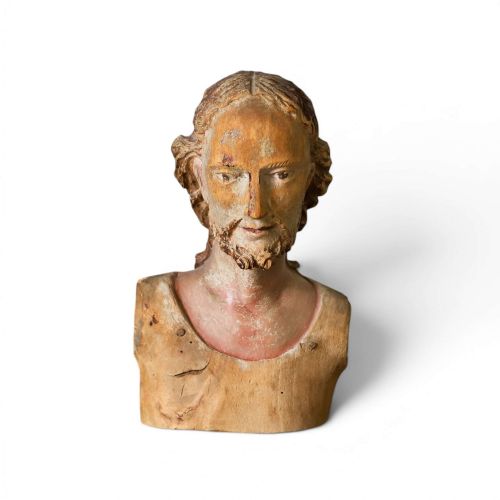
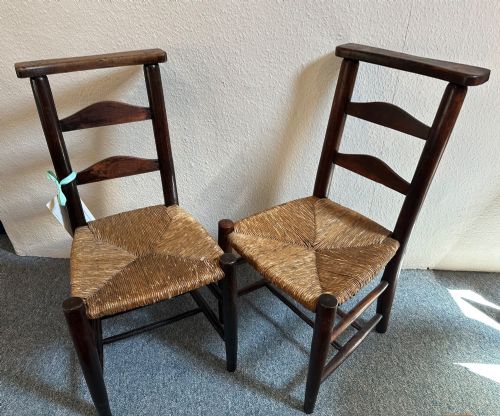
The most common pieces on this page are carved wood sculptures, depicting saints, madonnas and angels, alongside functional church seating and decorative panels.
Spanning from the sixteenth century into the twentieth century, these items reflect diverse European traditions, including Italian baroque, Gothic revival and arts and crafts movements.
Materials and construction methods
Makers shaped these items primarily from solid timbers like oak, walnut, lime and olive wood, relying on traditional hand-carving techniques.
Many sculptures and panels received applications of gesso, gold leaf and polychrome paint, adding vibrant colour and surface depth to the carved details.
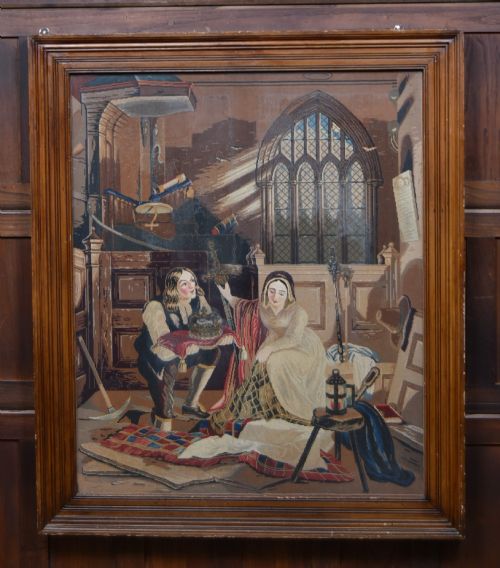
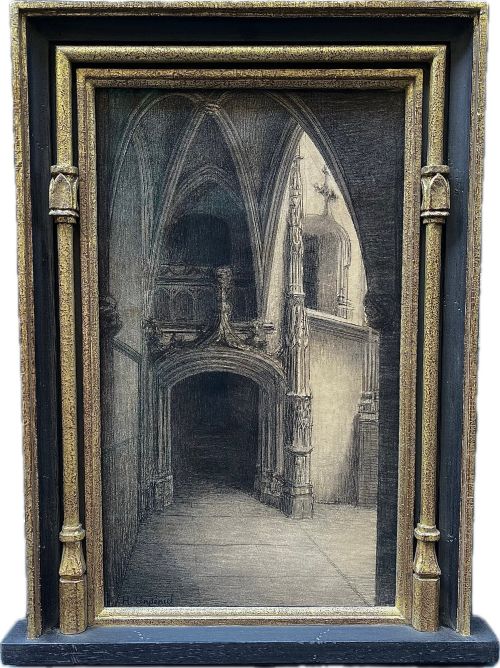
Textile works incorporate embroidered silk and metal thread, while other artefacts utilise brass, lapis and oil paint on canvas.
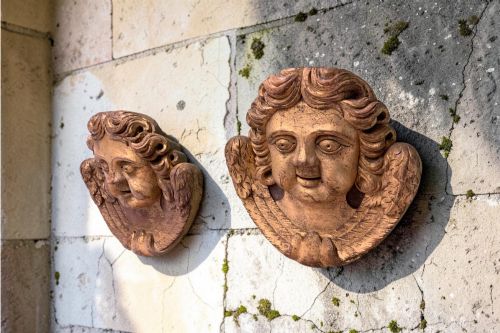
Several angels on this page appear to have spent centuries watching choirboys misbehave from high up on French and Italian church walls.
Distinctions in quality and execution
The sophistication of the carving dictates the distinction between standard workshop output and superior artistry, particularly in the rendering of facial expressions and drapery folds.
The preservation of original surface treatments, such as early polychrome paint and gilding, elevates the integrity of a piece compared to later overpainting.
The provenance and structural stability of large items, such as church pews and architectural panels, influence their standing among collectors.
Ernst Stierhof·Henri Charles Angéniol
The Antique Ecclesiastical Art Glossary
- Polychrome
- Painted in several colours, frequently applied over a gesso ground on wooden sculptures and panels. This technique gave sacred figures a lifelike appearance in dimly lit chapels.
- Gesso
- A plaster mixture applied to wood surfaces to prepare them for gilding or painting. It provided a smooth, bright base for gold leaf.
- Corpus Christi
- A representation of the body of Jesus Christ on the cross. These figures focus attention on the crucifixion.
- Tracery
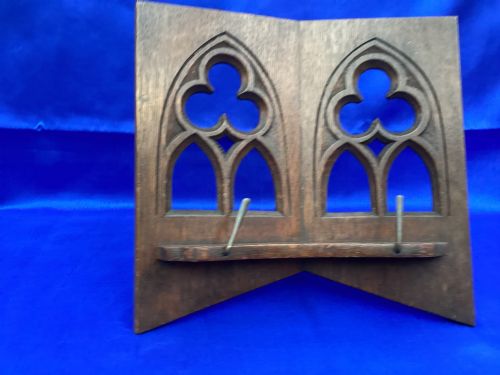
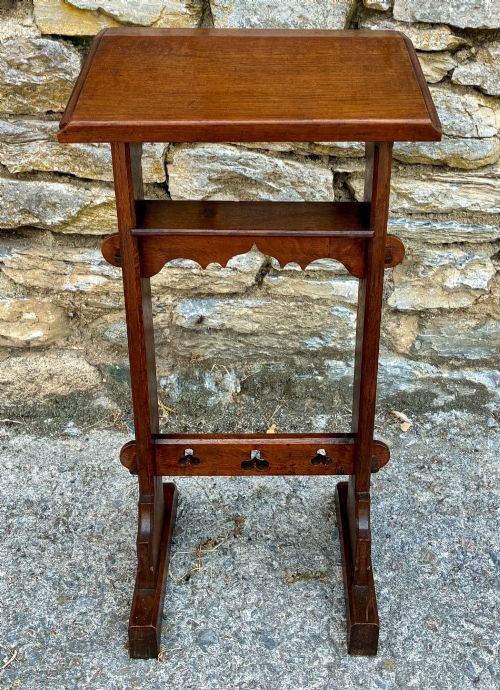
- Openwork ornamental stone or woodwork, typically forming patterns in the upper parts of gothic windows or architectural panels. It defines the geometric rhythm of medieval design.
- Giltwood
- Wood carved and subsequently covered with a thin layer of gold leaf or gold paint. It caught the flickering candlelight within sacred spaces.
Antique Ecclesiastical Art: Frequently Asked Questions
What is ecclesiastical art?
Ecclesiastical art encompasses objects created for Christian places of worship, including statues, altarpieces, liturgical furniture and devotional paintings.
These items served to educate illiterate congregations, decorate sacred spaces and focus prayer during services.
How do I date antique wood carvings?
Dating relies on stylistic clues, tool marks left by the carver, and the ageing patterns of the timber and any surface paint.
Earlier pieces often display adze marks or hand-sawn surfaces, while specific stylistic motifs correspond to distinct artistic periods like the Renaissance or Baroque.
Where were these church pieces made?
The items originate from workshops across Europe, with strong representations from Italy, France, Spain, Germany and the Low Countries.
Regional preferences influenced both the choice of wood, such as olive wood in Italy or oak in Northern Europe, and the sculptural styles.
How do I live with church furniture?
Large items like church pews or lecterns require stable room humidity and protection from direct sunlight to preserve the aged wood.
Positioning them away from heat sources prevents the timber from splitting while integrating centuries of craftsmanship into modern interiors.