

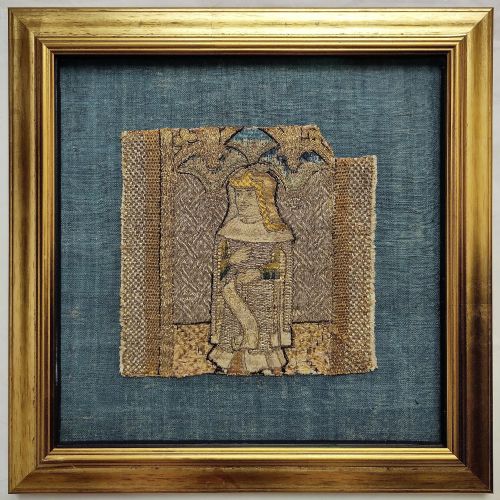
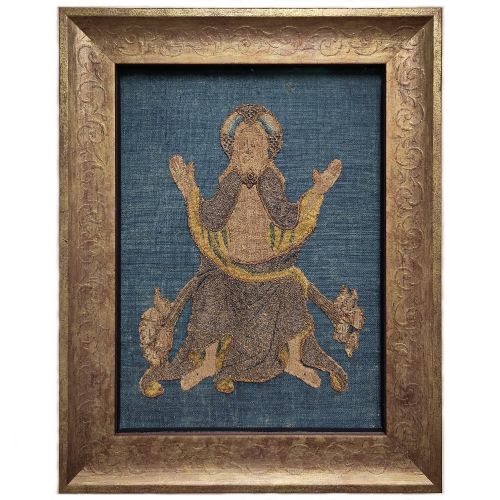
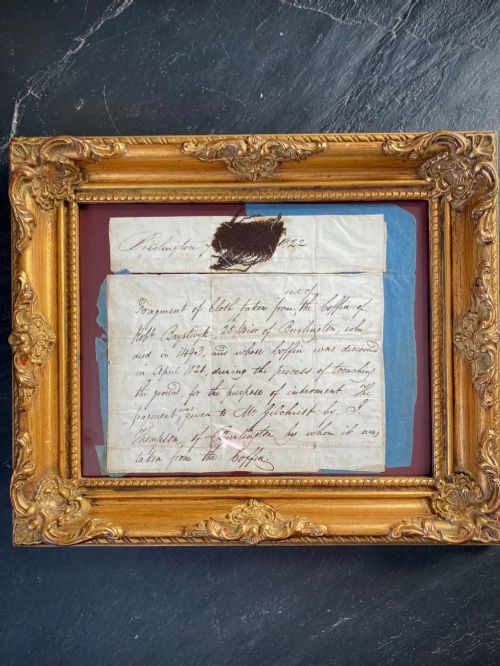


Gilded Frame Textile
These gilded frame textile works combine historic needlecraft with ornate wooden surrounds, offering tangible connections to centuries past.
Gilded Frame Textile
A gilded frame textile brings together historic needlework and decorative wooden surrounds, creating self-contained works of wall art. When searching for a gilded frame textile, buyers encounter varied forms spanning medieval fragments to Victorian samplers.
The selection here includes framed needlework pictures, silk and metal thread embroidery, and textile wall art housed in giltwood or verre églomisé surrounds. Pieces range from pre-sixteenth century panels to nineteenth century woolwork pictures and Scottish samplers.
How they were made
Makers utilised silk, linen, wool, and metal thread to construct the central needlework elements, employing techniques such as embroidery, needlework, and silkwork. These textiles rely on natural fibres and metallic threads worked onto fabric foundations.
The supporting frames incorporate wood, giltwood, and glass, often featuring water gilding or verre églomisé decoration to complement the textile within.
Gilded Frame Textile Retail Price Guide 2026
Typical asking prices for gilded frame textile among the pieces listed under this phrase on Sellingantiques today, from the lower quarter to the upper quarter. They describe what is for sale here now, not the wider market.
Current listings feature pieces spanning the medieval period through the nineteenth century, utilising silk, wool, and giltwood.
What varies in quality
Quality rests in the precision of the needlework and the integrity of the surrounding frame, separating standard domestic pieces from finer works. The sophistication of the silk and metal thread embroidery dictates the visual weight of the central panel.
Original water gilded or verre églomisé frames indicate a higher degree of period craftsmanship compared to later replacements, anchoring the textile in its historical context.
The Gilded Frame Textile Glossary
- Opus Anglicanum
- English medieval embroidery, usually executed in silk and gold or silver-gilt thread upon linen or velvet. This esteemed needlework often depicts religious iconography.
- Verre Églomisé
- A process of applying gold or silver leaf to glass and engraving a design before backing it. Frames utilising this technique display a characteristic reflective border.
- Giltwood
- Wood that has been coated with a thin layer of gold leaf or powder. This material forms the ornate surrounds characteristic of these framed pieces.
- Sampler
- A piece of needlework produced as a demonstration or test of skill in various stitches. Nineteenth century examples frequently record the maker's name and age.
Gilded Frame Textile: Frequently Asked Questions
What is a gilded frame textile?
A gilded frame textile is a historic piece of needlework, embroidery, or fabric art housed within an ornate gold-leaf or gilded wooden surround.
These pieces combine textile arts with decorative framing to preserve and display historic handwork on walls.
How do I date these textiles?
Dating relies on examining the materials, stitching techniques, frame construction styles, and any inscribed dates or names.
Pre-sixteenth century panels differ significantly in technique from eighteenth century silkwork pictures or Victorian samplers.
Where were these pieces displayed?
These framed works were traditionally hung in domestic parlours, drawing rooms, or institutional settings as decorative wall art.
Their gilded surrounds were designed to catch candle or natural light in formal interior spaces.
How should I care for a framed textile?
Keep framed textiles away from direct sunlight to prevent the fading of silk, wool, and metal threads.
Maintain stable room humidity and avoid placing them on damp walls to protect both the fabric and the wooden frame.