
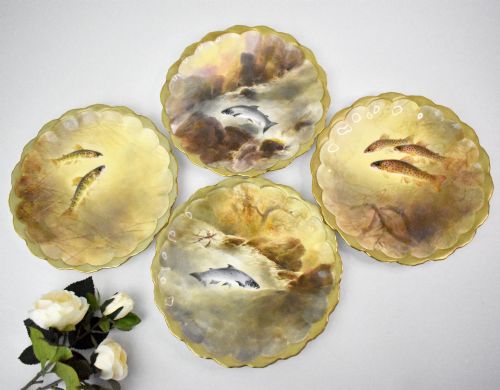


Gold Rimmed Plate
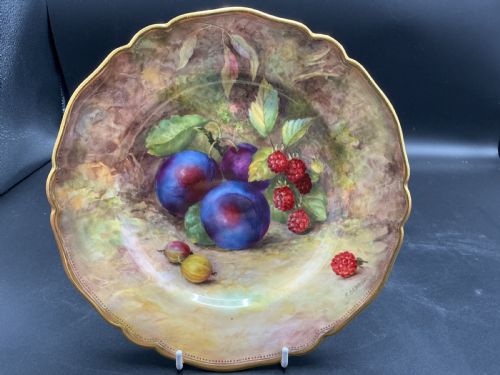
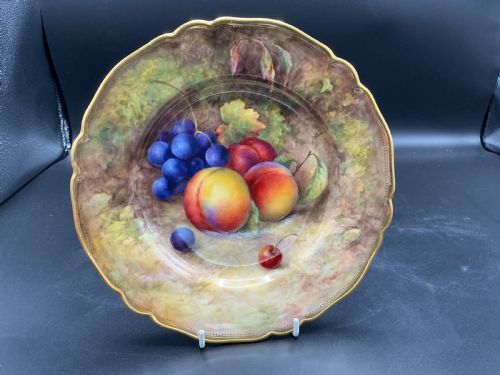
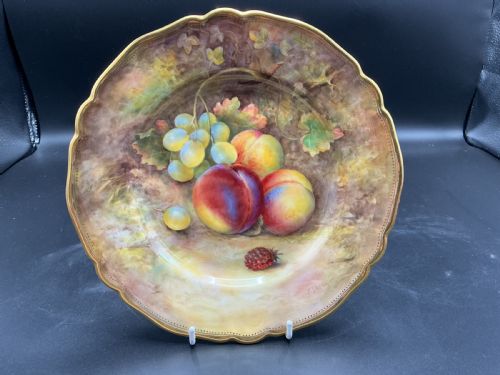
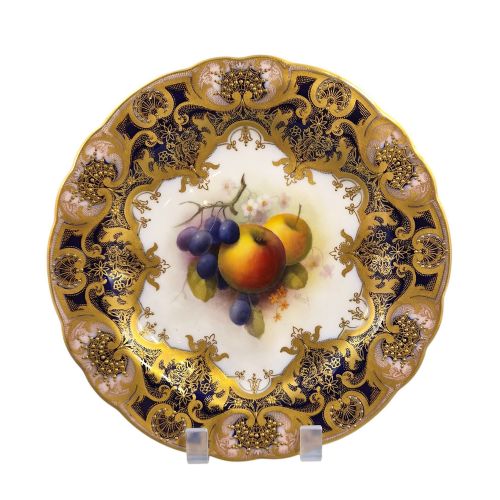
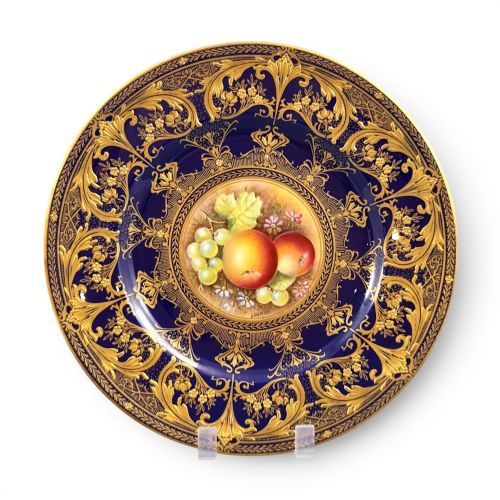
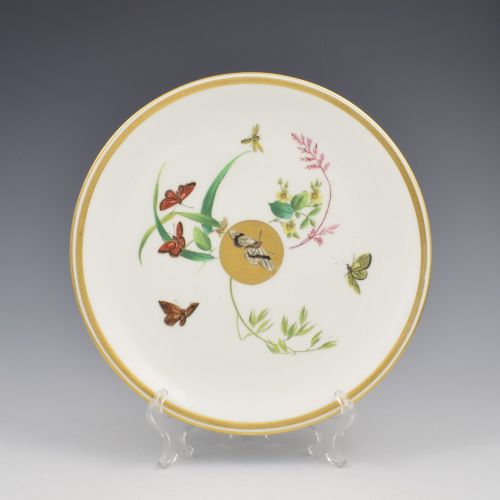
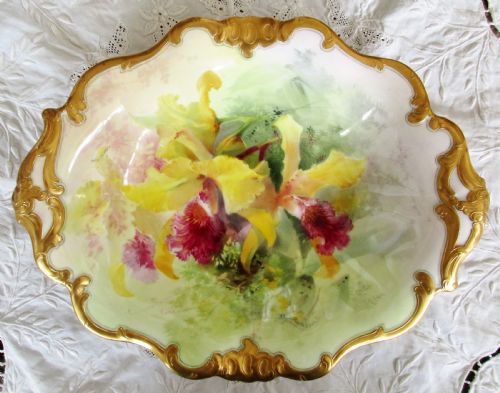
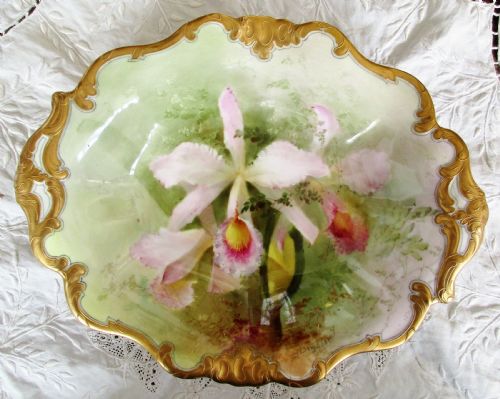
A gold rimmed plate brings hand-painted fruit, floral studies and armorial scenes to the table or cabinet, prized for fine ceramic artistry.
Gold Rimmed Plate
A gold rimmed plate is typically found as a cabinet plate, decorative dish or dessert service piece intended for display rather than everyday dining. The selections here span the nineteenth and twentieth centuries, taking in periods from the Victorian era through to the mid-twentieth century.
Most examples originate from English potteries and porcelain works, with styles encompassing Edwardian, Victorian, Rococo Revival and Japanese aesthetic influences. Makers utilise porcelain, bone china and earthenware as bases for intricate hand-painted subjects.
The forms range from standard circular dinner and dessert plates to large rope-edge chargers, basketweave dishes and soup plates. Buyers often select these items to add colour and traditional craftsmanship to a room.
How they were made
Potters shaped fine porcelain, bone china and earthenware bodies before applying white or coloured glazes, often incorporating moulded elements like basketweave textures or rope edges. Artisans then hand-painted detailed botanical, fruit or figurative scenes directly onto the ceramic surface.
Makers applied gold leaf, gilt enamel and heavy gilding to the borders and rims, firing the pieces multiple times to fuse the precious metal and pigments to the glaze.
Listings feature porcelain, bone china and earthenware enhanced with gold leaf, gilt enamel and heavy gilding across multiple eras.
What varies in quality
Quality rests primarily on the skill of the hand-painting, where named artists producing detailed fruit, floral or mythological subjects command greater attention than standard transfer-printed or generic patterns. The fineness of the porcelain body and the weight and burnishing of the gold leaf also distinguish finer cabinet plates from simpler tableware.
The prestige of the maker influences standing, with renowned factories and documented artist signatures elevating a piece. Preserved integrity of the painted enamel and crispness of the gilt borders separate superior examples from those with heavy surface wear.
Royal Worcester·Royal Doulton·John Ridgway·Minton·Coalport·Barr Flight And Barr·Wedgwood·Bloor Derby·Royal Crown Derby·Fukagawa
The Gold Rimmed Plate Glossary
- Cabinet plate
- A decorative plate intended for display in a cabinet or on a wall rather than for practical dining use. These often feature elaborate hand-painted scenes and gilt borders.
- Gilt
- A thin layer of gold or gold leaf applied to the surface of porcelain or ceramic. It defines the characteristic metallic rim on these plates.
- Charger
- A large decorative plate or dish used historically as a base under other courses or displayed upright on a sideboard. They provide a broader canvas for painted or moulded decoration.
- Armorial
- Decorated with heraldic coats of arms or family crests. Such porcelain was often custom-commissioned for prominent households.
- Bone china
- A type of soft-paste porcelain incorporating bone ash, yielding a strong, translucent body suited to delicate forms and fine painting.
Gold Rimmed Plate: Frequently Asked Questions
What is a gold rimmed plate used for?
These pieces function primarily as cabinet plates and decorative dishes designed for visual display rather than daily meals. They bring painted fruit, floral studies and armorial designs into dining rooms and drawing rooms.
Historically, dessert services and cabinet plates formed part of wealthy household dining traditions, often kept on sideboards or mounted in display cabinets when not in use.
How do I date a gold rimmed plate?
Dating relies on maker marks stamped or painted on the reverse, alongside stylistic clues like Victorian Rococo Revival curves or Edwardian floral motifs. The paste and weight of the porcelain also offer guidance.
Comparing the border style and the painting technique to documented works from factories helps narrow the decade of production.
Are these plates meant for food?
Most items listed are cabinet plates or decorative chargers intended for display, featuring delicate gold leaf and hand-painted enamels that merit careful handling. Using them for serving food can risk wear to the antique gilt.
Sturdier service pieces from the nineteenth century occasionally served desserts, but collectors generally preserve them as decorative art objects.
How should I display a cabinet plate?
Cabinet plates can sit securely in plate stands on shelves and mantels, or hang on walls using properly padded wire hangers. Keeping them away from direct sunlight protects the painted enamels from fading.
Grouping plates by maker or theme, such as botanical or fruit studies, creates a cohesive display on a wall or within a glass-fronted cabinet.