


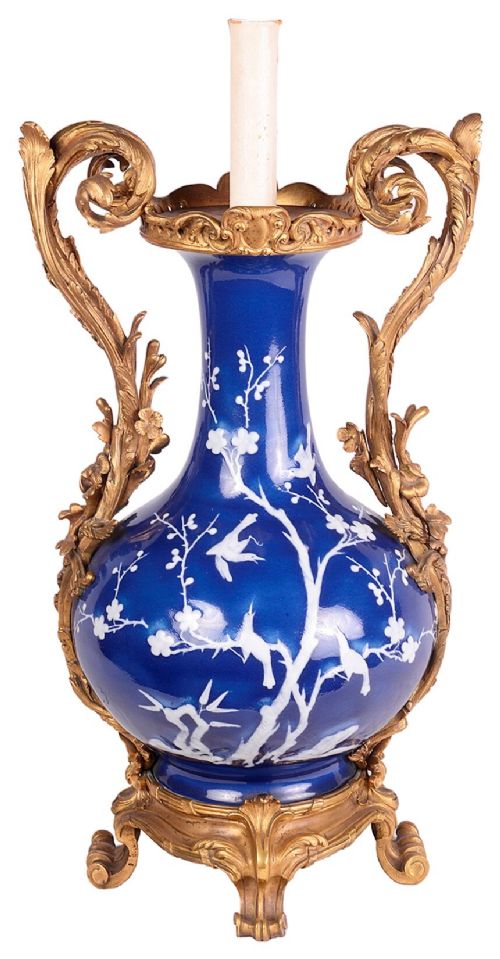
Gold Patterned Vase
These gold patterned vase examples combine hand-painted ceramics and metallic detailing, offering decorative impact for interior displays.
Gold Patterned Vase
A gold patterned vase brings together centuries of ceramic tradition and metallic decoration, spanning periods from the eighteenth century through to the mid twentieth century. When searching for a gold patterned vase, buyers encounter diverse forms ranging from traditional porcelain vessels to converted table lamps and pot pourri jars.
The objects listed display various cultural influences and manufacturing origins, including English porcelain factories, Japanese Satsuma and Kutani workshops, and European glasshouses. Styles shift between Regency elegance, Victorian Chinoiserie, Meiji period artistry, and Art Nouveau floral motifs.
Materials and construction
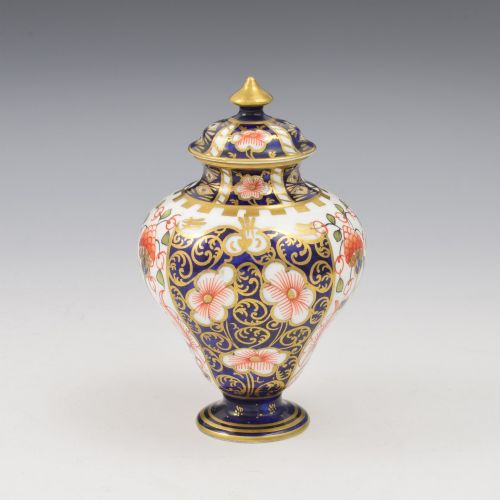
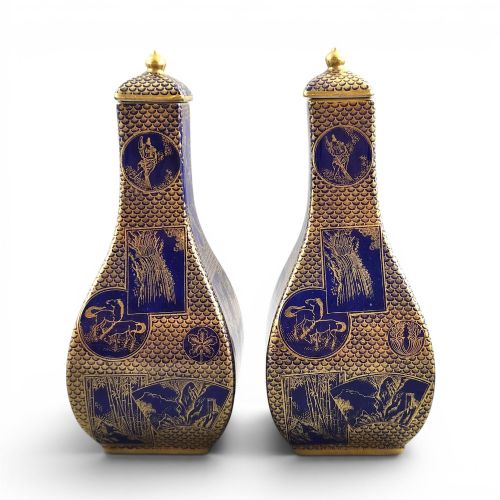
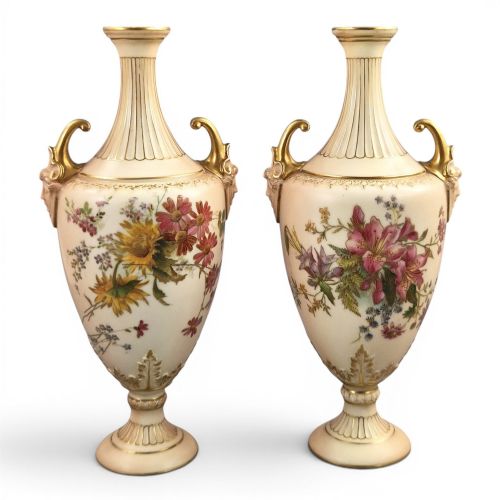
Potters utilised earthenware, ironstone, and fine porcelain bodies, shaping them into cylindrical vases, twin-handled vessels, and lidded pot pourri containers. Artisans applied cobalt blue, mazarine blue ground, and blush ivory pigments beneath or over the ceramic glaze.
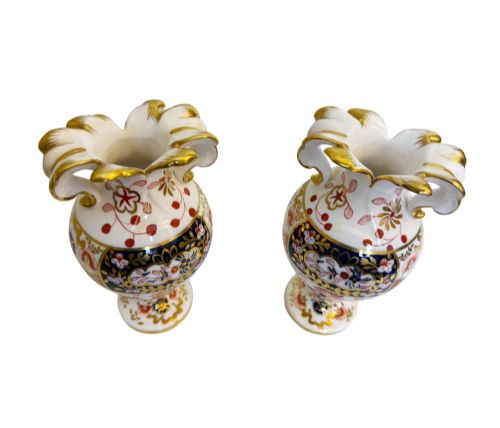
Metallic enhancement involves gold leaf, gold gilding, ormolu mounts, and gold enamel applied to glass or ceramic surfaces. These decorative layers highlight hand-painted floral subjects, wisteria gardens, and geometric patterns.
Listings feature porcelain, earthenware, and glass items embellished with gold leaf, enamel, and gilt bronze across multiple centuries.
Evaluating craftsmanship
Quality rests in the precision of the hand-painted brushwork and the preservation of the delicate metallic gilding or enamel. Pieces featuring intricate botanical scenes or multi-colored Imari palettes demonstrate higher artistic ambition than simpler monochrome iterations.
The structural integrity of the ceramic body, alongside the crispness of ormolu mounts and applied bronze elements, defines the standard of production. Original finishes and intact patterned surfaces remain central to the integrity of each piece.
Royal Crown Derby·Spode·Mason's·Royal Worcester·Legras·Hakusan·Mougin·Carlton Ware
The Gold Patterned Vase Glossary
- Imari
- A style of Japanese export porcelain featuring deep underglaze blue and iron red with extensive gold highlights. British factories frequently adopted this aesthetic during the nineteenth century.
- Ormolu
- Gilded bronze mounts applied to decorative objects and ceramic vessels. This technique adds structural weight and ornamental framing to eighteenth and nineteenth century pieces.
- Ironstone
- A heavy, durable type of earthenware patented in the nineteenth century. It provides a robust body capable of holding rich cobalt grounds and metallic patterns.
- Pot Pourri Vase
- A lidded vessel designed with pierced sections to release scent from dried flower petals. These items often feature elaborate hand-painted decoration and gilding.
- Blush Ivory
- A soft cream-coloured ceramic ground developed by manufacturers such as Royal Worcester. It serves as a subtle background for delicate floral painting and gold accents.
Gold Patterned Vase: Frequently Asked Questions
What periods do these pieces span?
The available selection covers items from the eighteenth century, the Georgian era, and the Victorian period. Later examples extend through Edwardian production, Art Nouveau, Art Deco, and mid-twentieth century works.
Each period brings distinct stylistic traits, from ormolu-mounted Mandarin vases to twentieth-century art glass and painted fruit designs.
How should I clean a gilded ceramic?
Clean surfaces gently using a dry, soft feather duster or a very slightly damp cloth without chemical detergents. Avoid rubbing areas with gold leaf or enamel.
Moisture and abrasive materials can damage delicate metallic layers and hand-painted overglaze details.
Were all these items originally lamps?
Most pieces began as decorative vases or covered jars, with conversion into table lamps happening at a later date. This adaptation reflects changing domestic lighting needs over the decades.
Original vessels retain their intended function as ornamental containers or display pieces.
How do I identify Satsuma ware?
Satsuma ceramics typically feature a fine, crackled cream-coloured earthenware glaze painted with detailed figurative or botanical scenes. Gold pigments are frequently layered over the matte surface.
Works from makers like Hakusan demonstrate the characteristic aesthetic of Japanese export production from the Meiji period.