


1920s Ceramic Vessel
A 1920s ceramic vessel brings vibrant Art Deco lines and rich earthenware or porcelain colour to a room.
1920s Ceramic Vessel
When you search for a 1920s ceramic vessel, you are looking at decorative bowls, vases, and stick stands that bridge late nineteenth century traditions and bold interwar modernism. The selection centres on earthenware and porcelain pieces originating from English potteries, French studios, and Japanese kilns.
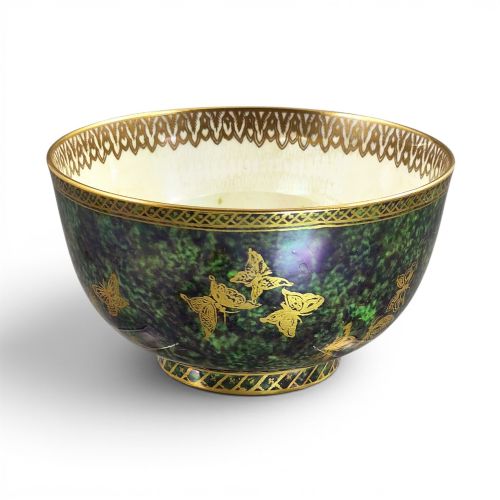
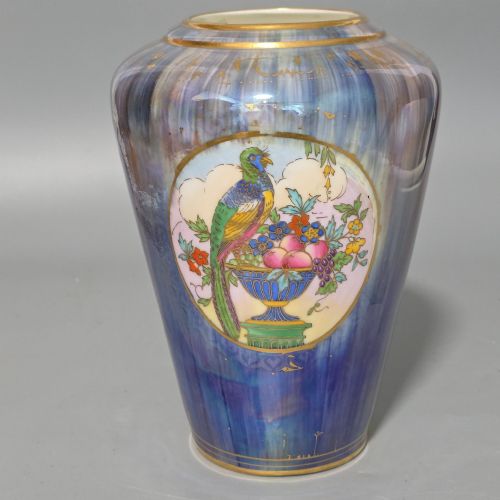
You are most likely to meet pieces decorated with vibrant lustre glazes, cobalt blues, or chinoiserie motifs reflecting the aesthetics of the Art Deco and Taisho periods. Forms range from large octagonal bowls to tall umbrella stands and footed incense burners.
The objects carry the distinctive design language of their makers, balancing functional utility with striking decorative presence. These vessels capture a pivotal decade in ceramic design where traditional hand enamelling met new industrial shapes.
Materials and methods
Makers shaped these vessels from earthenware and porcelain, applying reactive glazes to create deep lustres and smooth ceramic surfaces. Techniques combined traditional throwing or moulding with intricate hand enamelling.
Gilding, gold leaf, and enamel details were added over the glaze and fired again to achieve a metallic sheen. Potters utilised cobalt blue pigments and rich yellow grounds to build complex pictorial scenes.
Japanese workshops employed Satsuma and Kutani methods for footed bowls and burners, while English potteries favored transfer printing enhanced by skilled brushwork. French studios focused on sculptural forms finished with distinct earthenware glazes.
Parrots and phoenixes perch across these glazed surfaces, proving that interwar decorators firmly believed every home needed a mythical bird.
Assessing quality and execution
The distinction between standard production and exceptional work lies in the precision of the hand painting and the depth of the glaze. Master decorators achieved remarkable control with lustre finishes and gold leaf application.
Form and proportion separate simpler vessels from ambitious studio pieces, particularly in moulded Art Deco profiles. The crispness of the enamel work and the complexity of the chinoiserie scenes dictate the standing of an individual piece.
Daisy Makeig-Jones·Minton·Robert T Lallement·Carlton Ware·Royal Doulton·Mougin·Carter Stabler Adams
The 1920s Ceramic Vessel Glossary
- Lustre Glaze
- A metallic ceramic finish that reflects iridescent colours under the light. This technique requires a specialist reduction firing to draw out the shimmering sheen.
- Chinoiserie
- European decorative motifs inspired by Chinese art and design. These patterns often feature imaginary landscapes, pagodas, and exotic figures rendered in enamel.
- Earthenware
- Porous pottery fired at lower temperatures than porcelain. It forms the robust body for many decorative vases and stick stands of the era.
- Enamel
- Opaque glass paste applied to ceramic surfaces for colourful decoration. Artisans paint these vitreous compositions by hand before a secondary firing fixes the pigment.
- Octagonal
- Having eight sides and angles. This geometric shape appears frequently in decorative bowls and vases from the period.
1920s Ceramic Vessel: Frequently Asked Questions
How do I identify a 1920s ceramic vase?
Look for characteristic design traits such as Art Deco geometric lines, bold lustre glazes, and hand enamelled chinoiserie patterns. Maker marks on the base often point to English potteries or French studios active during this decade.
Material choices like earthenware and porcelain, combined with specific glaze styles, help confirm the production period.
Were these vessels used for display or function?
Most of these vessels were created as decorative objects, including ornamental bowls, mantel vases, and incense burners intended to enhance domestic interiors. Larger pieces like stick stands served a practical purpose in hallways while showcasing artistic glazes.
Owners typically placed them on side tables or mantelpieces to highlight their vibrant colours and metallic details.
What is Fairyland lustre ware?
Fairyland lustre is a distinctive range of earthenware featuring fantastical scenes of elves, goblins, and mythical creatures set in magical landscapes. Developed by designer Daisy Makeig-Jones, these pieces utilise complex lustre glazing techniques.
The intricate gold leaf and enamel work make them highly recognizable among collectors of the period.
How should I clean my ceramic vessel?
Dust the surface gently with a soft, dry cloth to prevent any accumulation of dirt. Avoid using harsh chemical cleaners, abrasives, or soaking the piece in water, as these can damage delicate enamel and gold leaf details.
Take particular care around gilded rims and lustre glazes to preserve the original finish.