



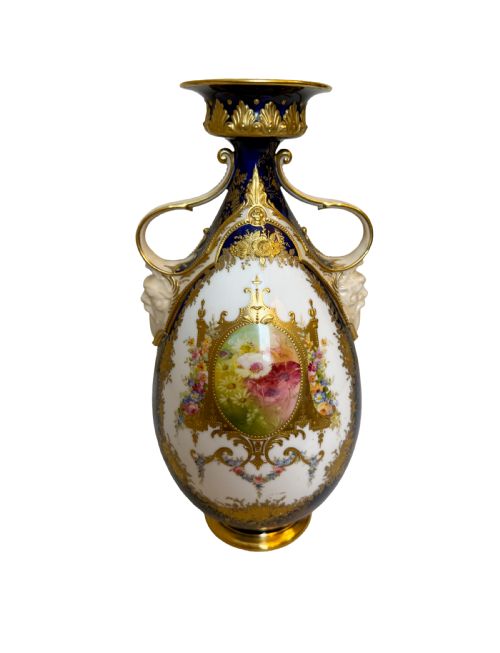
Gold Painted Vase
A gold painted vase brings warmth and metallic brilliance to an interior, whether through delicate Regency gilding or bold Satsuma decoration.
Gold Painted Vase
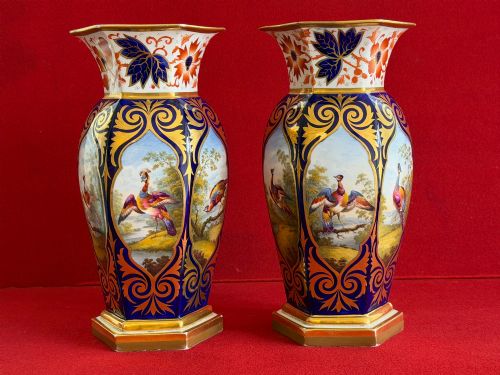
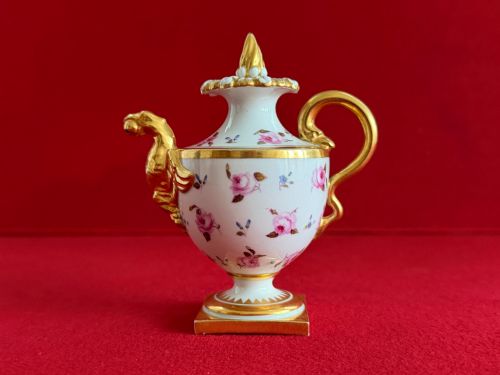
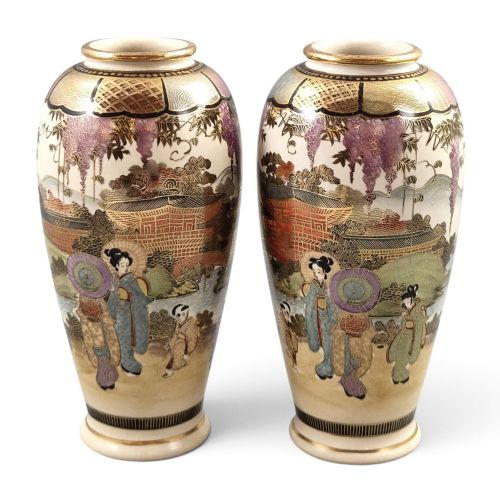
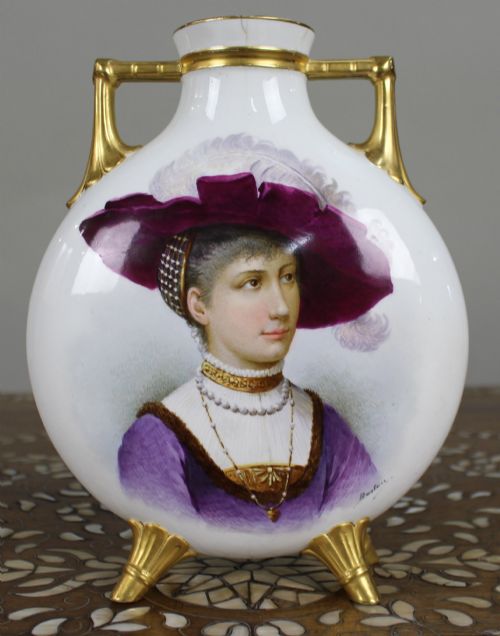
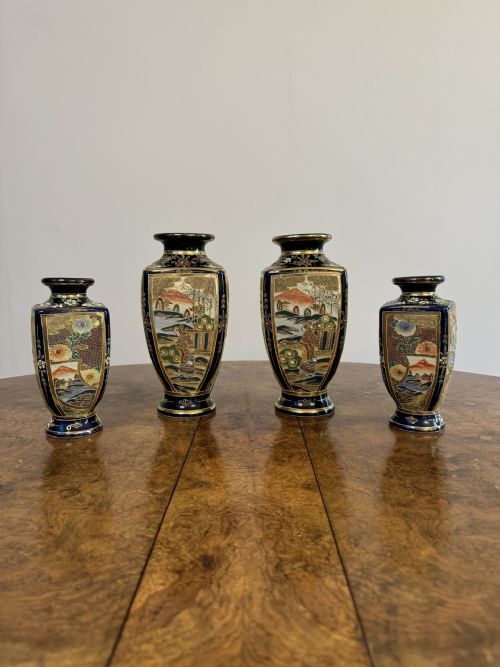
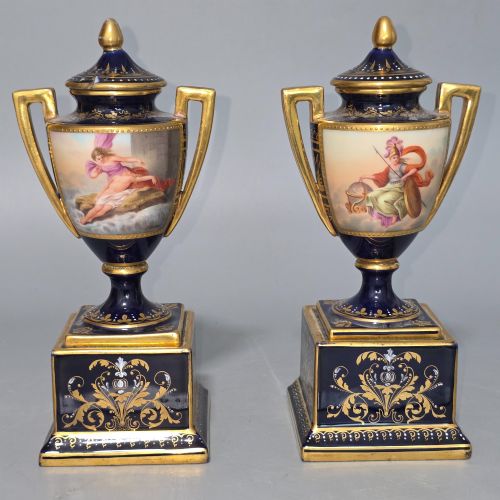
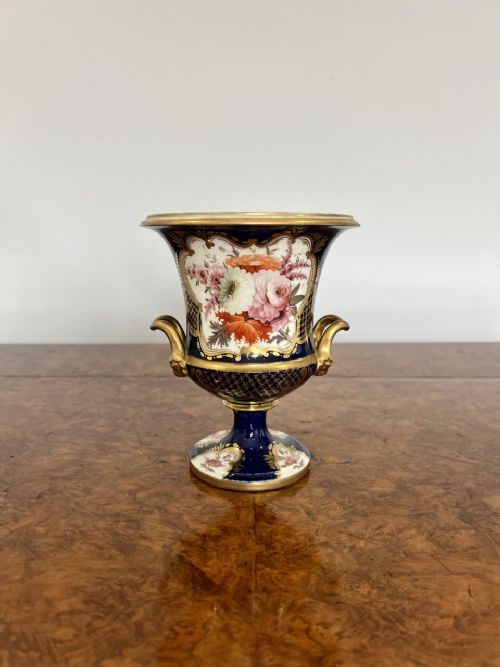
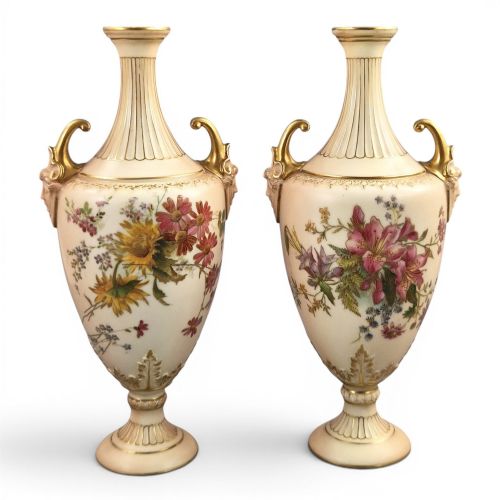
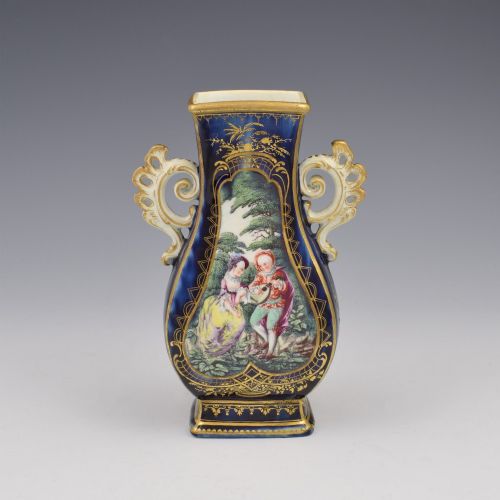
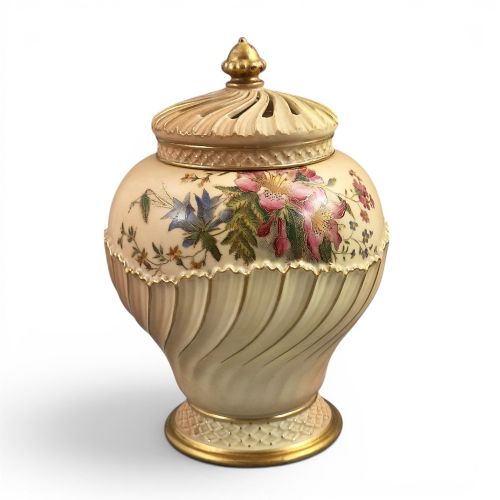
When searching for a gold painted vase, collectors encounter diverse ceramic traditions spanning English porcelain factories like Royal Worcester and Spode alongside Japanese Satsuma and Kutani earthenware. These pieces take various forms, from classical campagna urns and pedestal vases to moon flasks and miniature cabinet vessels.
The selection here encompasses items produced across the eighteenth, nineteenth, and early twentieth centuries, reflecting changing decorative tastes from Georgian neoclassical restraint to ornate Victorian and Edwardian hand-painted floral schemes.
Buyers frequently find works featuring applied gold leaf, delicate gilding, and hand-painted enamel highlights applied over porcelain, earthenware, or glass bodies.
How they were made
Potters shaped porcelain, earthenware, and glass on wheels or in moulds before firing the base bodies to create durable ceramic foundations. Artisans then applied elaborate hand-painted decoration using mineral enamels and metallic gold leaf or liquid gilding.
Subsequent low-temperature kiln firings bonded the metallic layers and enamelled pigments to the glazed surfaces, ensuring the lustrous finishes adhered securely to the underlying ceramics.
Listings feature items spanning the 18th, 19th, and 20th centuries, executed in porcelain, earthenware, glass, and bronze.
What varies in quality
The distinction between standard production wares and exceptional pieces rests upon the precision of the hand-painted brushwork and the complexity of the figural or floral compositions. Master painters employed by leading manufactories achieved remarkable detail in facial expressions, plumage, and botanical studies.
The richness and depth of the gilding itself, alongside the purity of the porcelain body or earthenware paste, separate ordinary decorative items from museum-quality collector pieces.
Flight Barr And Barr·Royal Worcester·Royal Doulton·Spode
The Gold Painted Vase Glossary
- Gilding
- The application of gold leaf or powdered gold suspended in a medium to decorate ceramic or glass surfaces. This technique adds reflective metallic highlights to the design.
- Satsuma
- A type of Japanese earthenware featuring a crackle-glaze ivory body typically decorated with polychrome enamels and rich gold details. It gained significant popularity in the West during the Meiji period.
- Campagna urn
- A bell-shaped classical vase form mounted on a pedestal base, widely produced by European porcelain factories during the eighteenth and nineteenth centuries.
- Enamel
- Vitrified glass paste applied to ceramics or metals and fired to produce vibrant, glossy coloured decoration. Artisans used enamels alongside gold paint to build rich pictorial scenes.
Gold Painted Vase: Frequently Asked Questions
How do I clean an antique gilded vase?
Dust the surface gently with a soft, dry artist's brush to remove particles without disturbing delicate metallic highlights.
Avoid using water, chemical solvents, or abrasive cloths, as antique gold leaf and enamel decorations can easily flake off or wear away.
Where were Satsuma vases made?
Satsuma wares originated in Kagoshima Prefecture on the island of Kyushu, though production later expanded to major industrial centres such as Kyoto and Kobe for export.
These pieces were heavily customized for Western Victorian tastes, frequently incorporating dense gold painted floral and figural motifs.
Are these vases safe to hold water?
Many antique porcelain and glass vessels remain structurally sound, but hairline fractures or historic repairs can make them porous.
It is safer to display them dry or utilise a discreet inner liner rather than filling them directly with water.
How can I tell the period of a ceramic piece?
Makers' marks stamped, painted, or impressed on the underside provide the most reliable indicator of a factory's operating dates and specific production eras.
Stylistic cues such as the aesthetic of the gilding, colour palettes, and potting techniques also help distinguish Georgian items from later Victorian or Edwardian examples.