

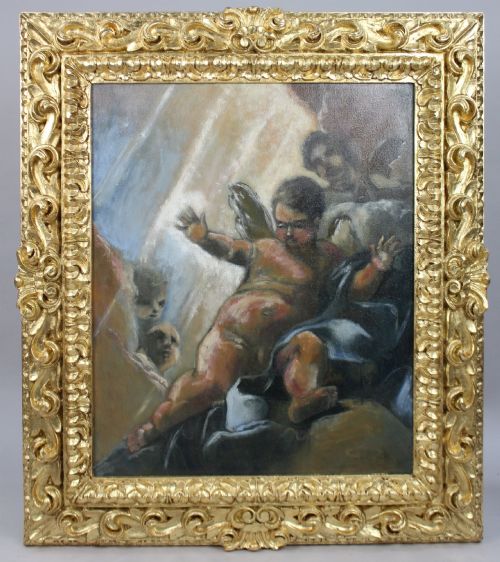

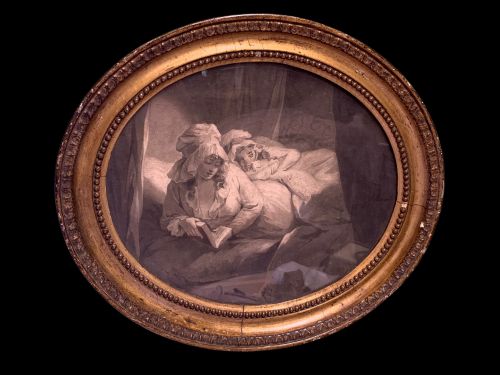
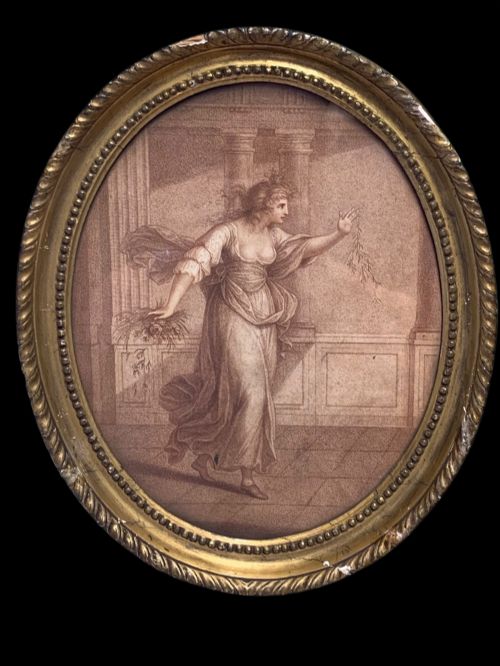
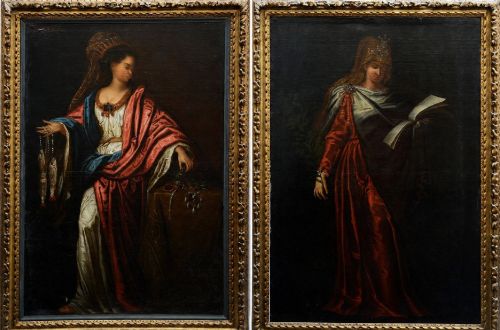
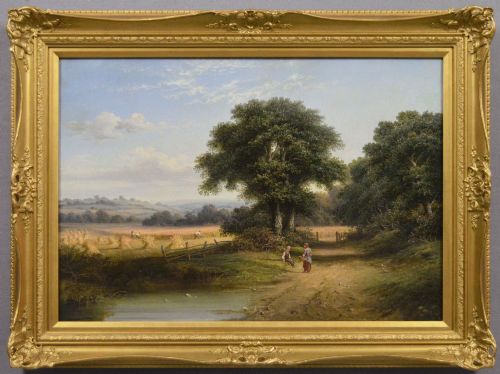
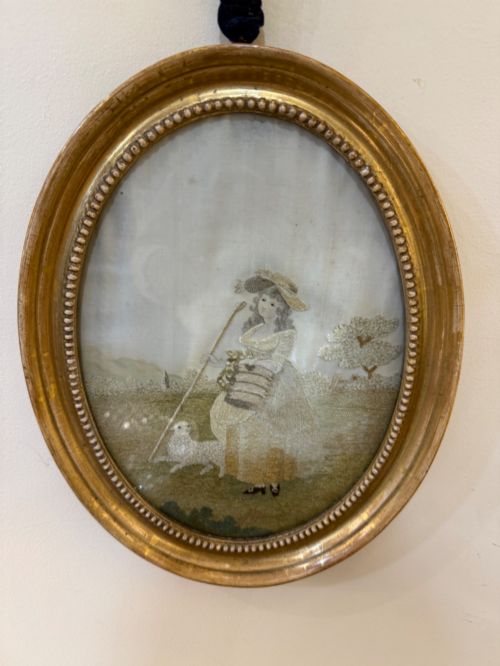
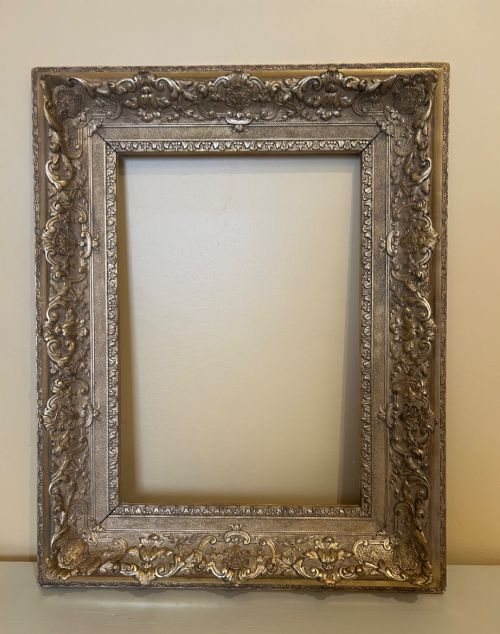
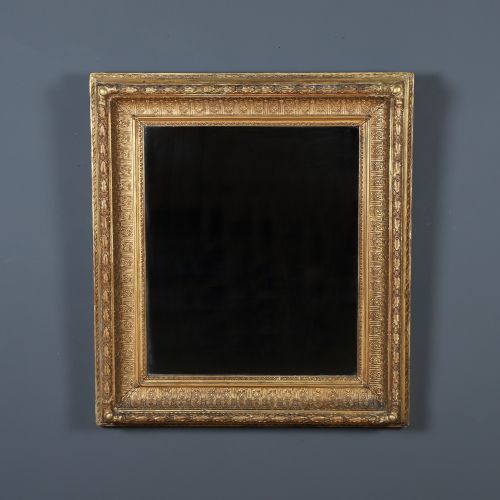
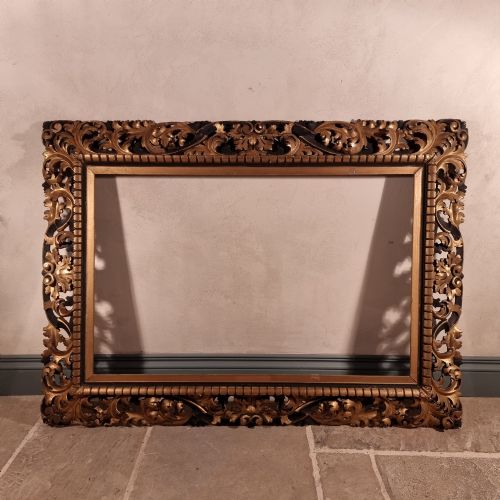
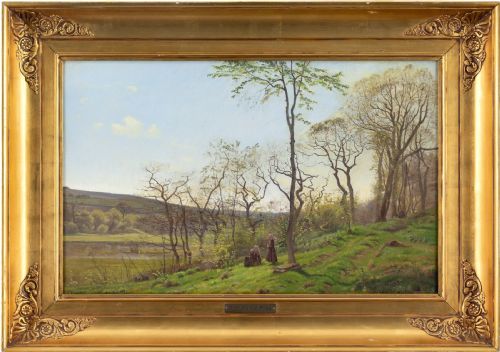
Gold Giltwood Picture Frame
A gold giltwood picture frame brings warmth and deep reflection to a wall, enclosing oil paintings, mirrors and portraits with carved metallic brilliance.
Gold Giltwood Picture Frame
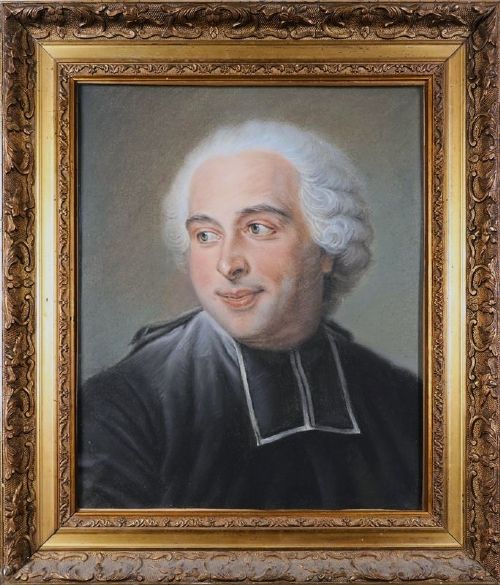
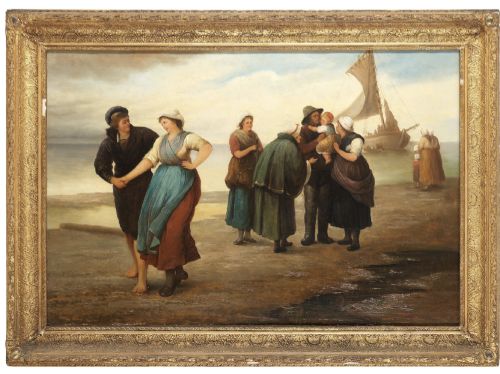
A gold giltwood picture frame is an architectural border for artwork and mirrors, designed to catch candlelight or daylight in a principal room. When you browse this selection, you encounter items built to house oil paintings, pastels and engravings.
The versions you meet most frequently on this page date from the nineteenth century, including Victorian, Regency and Georgian periods. Makers constructed these items to elevate portraits, landscapes and maritime scenes.
Many examples arrive as part of an ensemble, containing period canvases, prints or wall mirrors. Others survive as empty mouldings ready to house a painting of corresponding scale.
Materials and construction
Craftsmen built the underlying structure from timber such as wood, shaping the profile before applying decorative plaster. Artisans then laid thin sheets of metal leaf over a coloured preparation layer to achieve the metallic sheen.
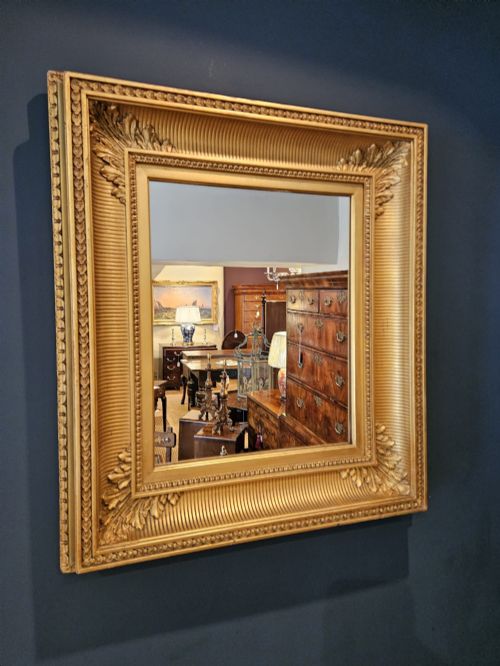
Mouldings often incorporate carved gesso details, creating raised acanthus leaves, floral swags or geometric borders. Carvers worked directly into the wooden base for grander iterations, achieving crisp relief work.
Surface treatments included burnishing parts of the metal leaf with an agate stone to create a contrasting matte and glossy finish.
Gold Giltwood Picture Frame Retail Price Guide 2026
Typical asking prices for gold giltwood picture frame among the pieces listed under this phrase on Sellingantiques today, from the lower quarter to the upper quarter. They describe what is for sale here now, not the wider market.
Listings feature items spanning the seventeenth to the twentieth centuries, encompassing Victorian, Regency, and Georgian decorative styles.
Indicators of quality
The crispness of the carving defines the upper tier of production, where hand-tooled depth in the gesso foliage remains sharp and well-defined. Lesser examples rely on cast composition ornaments that lack undercut details.
The integrity of the preparation layers beneath the metal leaf dictates how well the surface ages. Superior pieces retain their original gilding depth without excessive rubbing through to the reddish bole layer.
BENJAMIN BARKER OF BATH·Walter Heath Williams·Charles Leslie·Thomas Kent Pelham·John Arthur Lomax
The Gold Giltwood Picture Frame Glossary
- Giltwood
- Timber carved and coated with gold leaf. This material forms the primary structure of decorative frames and mirrors from the seventeenth century onwards.
- Gesso
- A mixture of gypsum or chalk and glue binder. Artisans applied this substance to wooden frames to create a smooth surface for carving and gilding.
- Trumeau
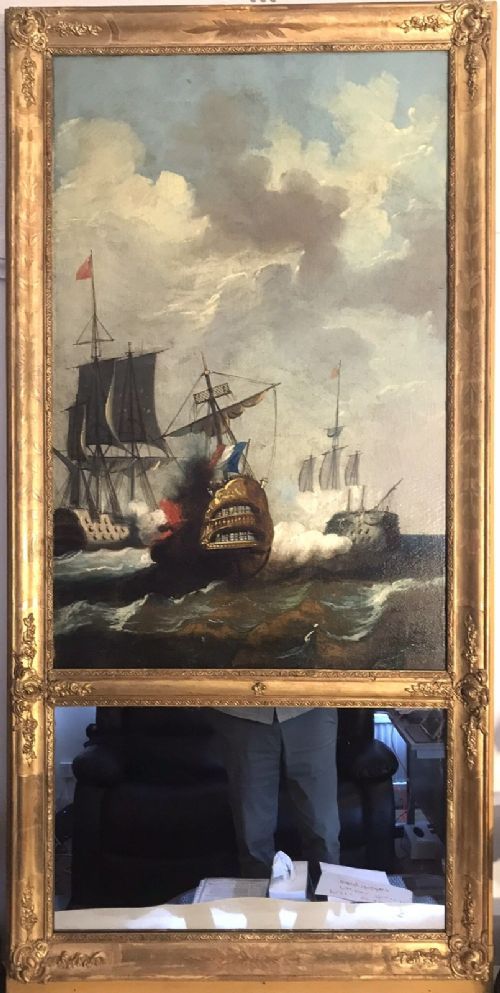
- A decorative wall mirror paired with an oil painting above. These French furnishings sat between windows or above mantelpieces.
- Bole
- A fine prepared clay layer applied beneath gold leaf. The reddish hue shows through when the gold wears thin.
- Acanthus
- A carved leaf ornament modelled on the Mediterranean plant. This motif appears frequently on nineteenth-century decorative moulding.
Gold Giltwood Picture Frame: Frequently Asked Questions
How do I date a gold giltwood picture frame?
Dating relies on examining the construction joints, the profile of the wooden moulding, and the composition of the gesso layer beneath the leaf. Earlier pieces often show hand-carved wooden details, whereas later nineteenth-century examples frequently utilise moulded composition ornaments.
The backing boards, fixing methods, and any remnants of paper labels or inscriptions provide additional chronological clues. Comparing the rebate depth and corner construction helps distinguish eighteenth-century work from Victorian revivals.
Can I hang an antique frame on modern drywall?
These frames carry substantial weight due to the dense timber and thick layers of gesso. Secure fixings into wall studs or appropriate heavy-duty wall anchors are essential for safe suspension.
Using a professional mirror plate or a heavy-duty picture hanging wire rated well above the object's actual weight ensures stability. Inspect the original mitre joints before hanging to confirm the structural integrity remains sound.
How should I clean a antique giltwood surface?
Dusting requires a very soft, dry artist's brush or a feather duster to remove surface particles without disturbing fragile leaf. Avoid using water, chemical solvents, or modern household cleaners, as moisture strips the delicate gold and dissolves the glue binder in the gesso.
Professional conservators should handle any deeper cleaning or consolidation of flaking gilding. Keeping the piece away from direct sunlight and damp environments preserves the finish for future decades.
What is the difference between a mirror frame and a picture frame?
Picture frames feature a rebate on the reverse, which is a recessed channel designed to hold a stretched canvas, glass, and backing board securely in place. Mirror frames enclose a silvered glass plate directly within the moulding, often secured with wooden slips rather than a deep rebate.
Many antique mirrors also incorporate integrated panels above the glass, such as oil paintings or reverse glass prints. These combined formats served specific decorative functions in period drawing rooms and hallways.