

Gold Gilt Porcelain Urn
When you search for a gold gilt porcelain urn, you are looking at ceramic vessels embellished with metallic leaf, enamel, and bronze mounts spanning Georgian to Edwardian periods.
Gold Gilt Porcelain Urn
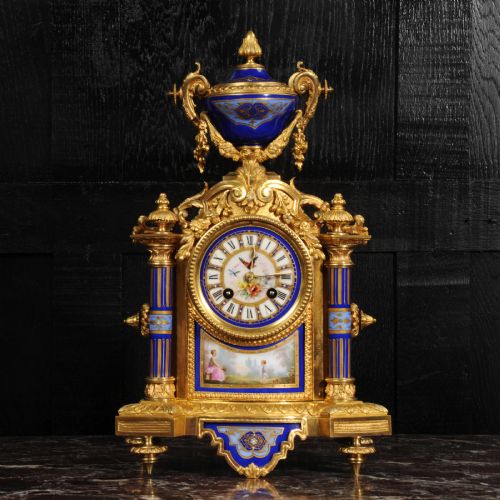
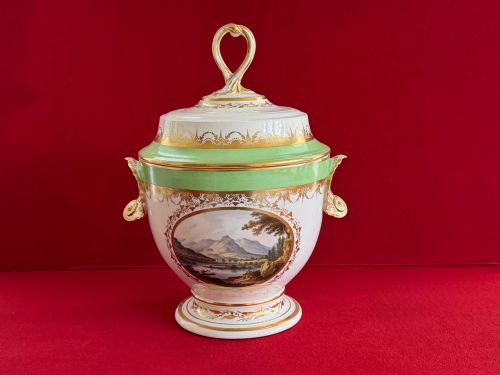
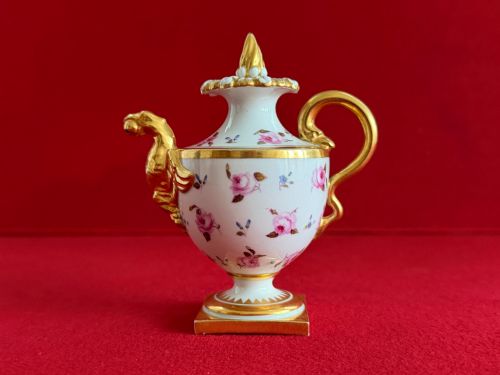
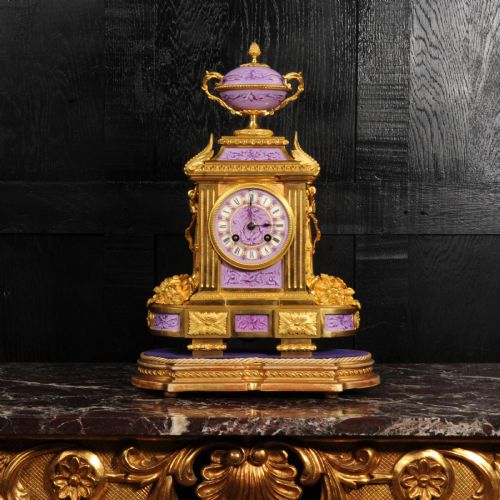
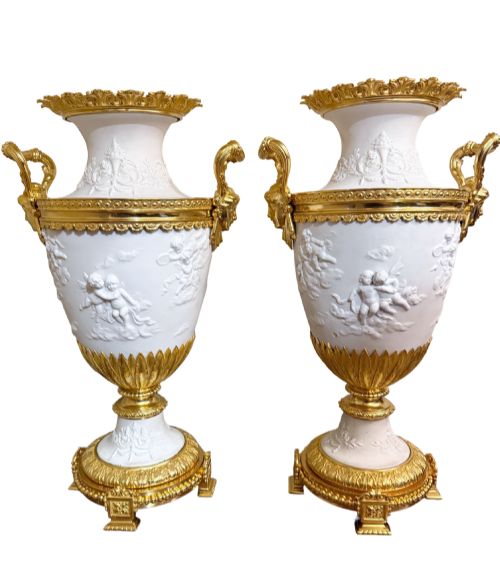
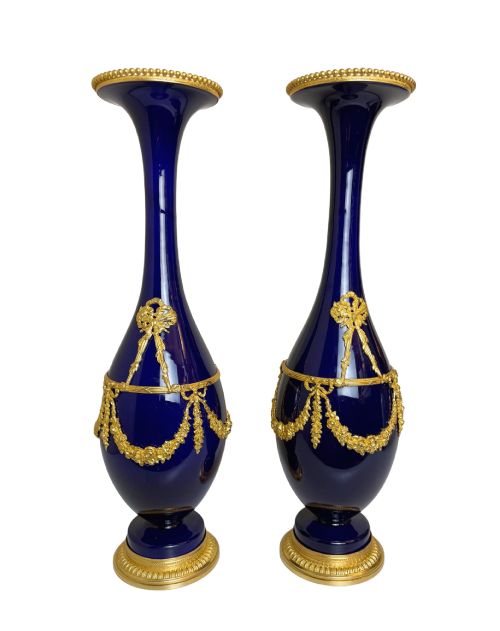
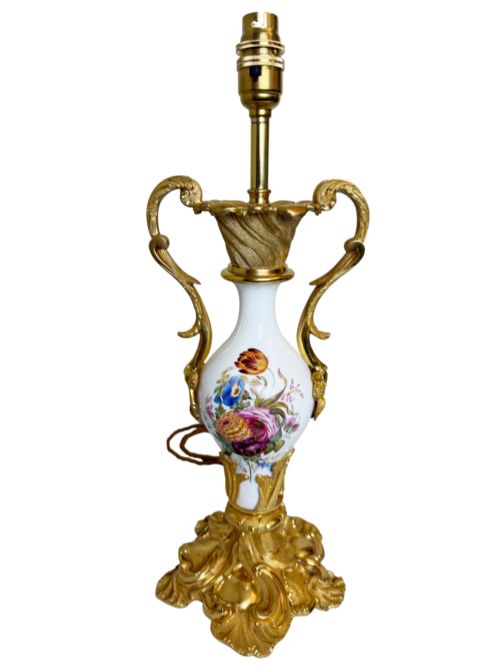
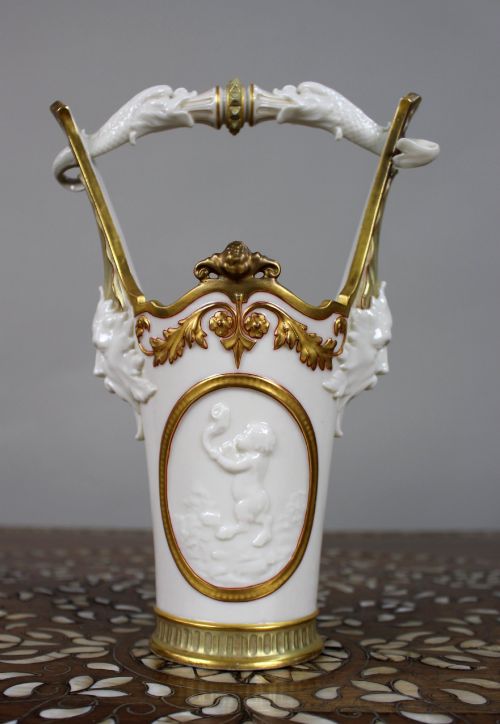
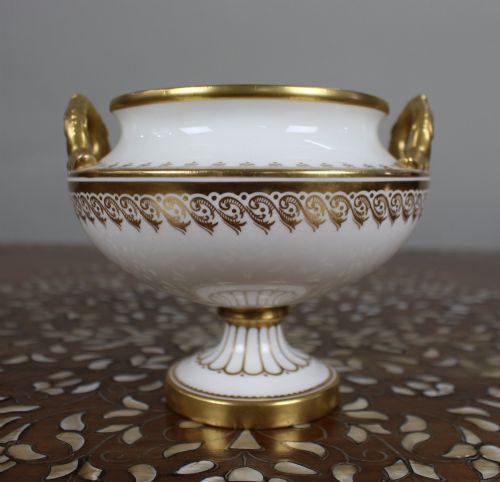
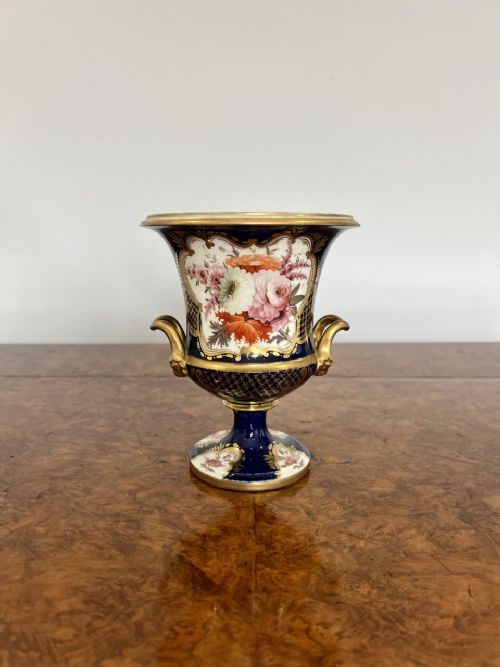
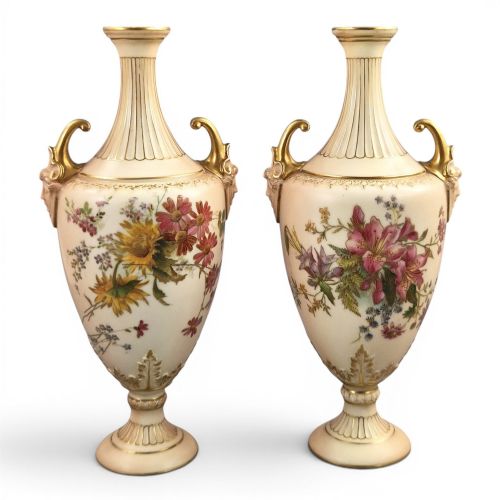
A gold gilt porcelain urn combines ceramic bodies with metallic enrichment, appearing in forms such as campagna shapes, two-handled vessels, lidded jars, and mantel clocks. These objects emerge from English factories like Derby, Worcester, Spode, and Coalport, alongside French workshops and Japanese Meiji period ceramics.
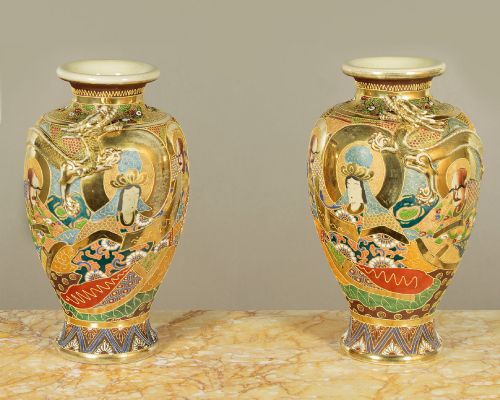
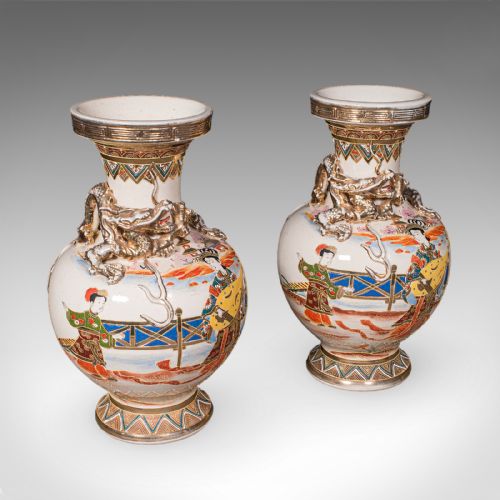
You will encounter 19th-century English output alongside continental porcelain mounted in ormolu and gilt bronze. Japanese Satsuma ceramics featuring intricate gilt enamel work also populate this selection.
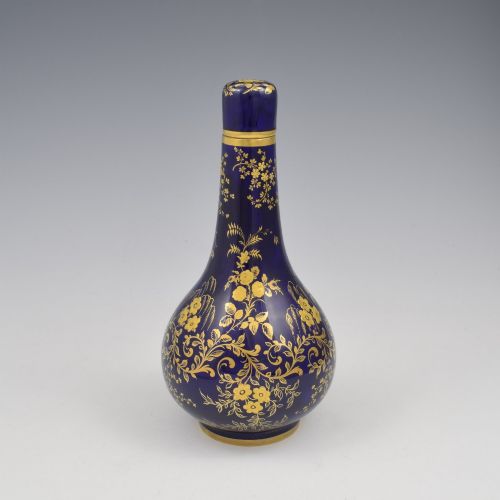
The functional origins of these vessels include decorative mantel displays, rose water sprinklers, ice pails, and pot pourri containers. Their survival bridges Georgian neoclassical tastes through to Aesthetic Movement and Edwardian interiors.
How they were made
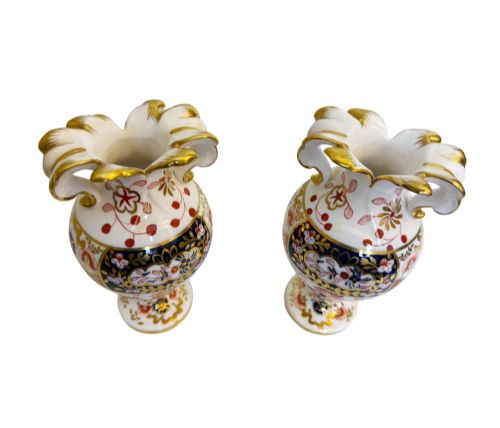
Potters shaped bodies from porcelain, earthenware, and fine ceramic pastes before applying cobalt grounds, enamel paints, and hand-painted figural or floral scenes. Guilds of decorators utilised meticulous brushwork to render landscapes, birds, and classical subjects.
Gilding was applied using gold leaf, liquid gold, or mercury gilding on bronze mounts, often combined with ormolu to frame the ceramic bodies. Skilled metalworkers cast and chased the bronze mounts to fit specific vessel profiles.
Listings span the Georgian, Regency, Victorian, and Edwardian eras, incorporating English porcelain, French ormolu, and Japanese Satsuma ceramics.
What varies in quality
The precision of the hand-painted decoration separates standard production from exceptional pieces, particularly where named artists executed detailed botanical or figurative scenes. Hand-painted panels by notable decorators display finer line work and subtle colour blending.
The weight, crispness of chasing, and integration of the ormolu or gilt bronze mounts dictate the overall calibre of mounted urns. Heavier, more detailed bronze elements indicate higher workshop standards.
Japy Freres·Flight Barr And Barr·Achille Brocot·Royal Worcester·Royal Doulton
The Gold Gilt Porcelain Urn Glossary
- Ormolu
- Gilded bronze used for furniture mounts, clock cases, and decorative vessel bases. The technique involves applying a mercury and gold amalgam to heated bronze.
- Campagna Urn
- A classical bell-shaped vessel with a wide mouth and footed base, popular in neoclassical design. English factories produced these in porcelain and earthenware.
- Moriage
- A Japanese ceramic technique using slip trailing to build up raised designs beneath glazes and gilding. This method is frequently seen on Satsuma ware.
- Imari
- A style of Japanese export porcelain decorated in underglaze blue, iron red, and gold. European factories subsequently imitated these vibrant colour palettes.
Gold Gilt Porcelain Urn: Frequently Asked Questions
How do I date a porcelain urn?
Dating relies on factory marks, ceramic bodies, and stylistic indicators such as neoclassical shapes or Victorian hand-painted motifs.
Comparison with documented pieces by makers like Worcester or Derby helps narrow the period of production.
Were these urns used for flowers?
Many urns and vases were manufactured specifically for display on mantelpieces or as decorative garnitures rather than utility.
Specialised forms like rose water sprinklers and ice pails performed specific domestic functions alongside decorative items.
What is the difference between gilt and ormolu?
Gilt refers generally to the application of gold leaf or paint onto surfaces like ceramic or wood.
Ormolu specifically designates gilded bronze metalwork used for decorative mounts on furniture and porcelain.
How should I clean gilt porcelain?
Dusting gently with a dry, soft brush protects fragile hand-painted enamel and delicate gold leaf decorations.
Moisture and commercial cleaning agents can strip historical gilding and damage unglazed ceramic bodies.