






Cream Porcelain Decorative Jar
These cream porcelain decorative jar pieces bring delicate form and painted detail to a room, offering the exact finish collectors seek.
Cream Porcelain Decorative Jar
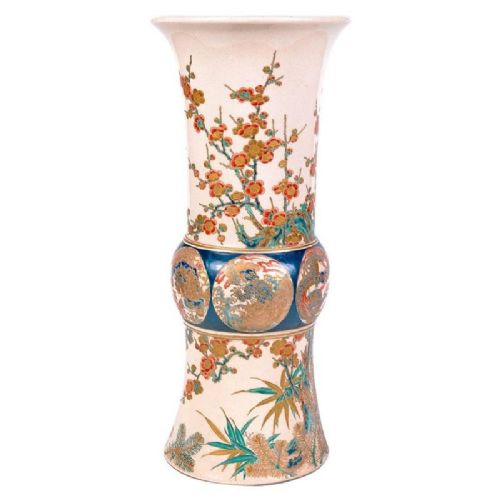
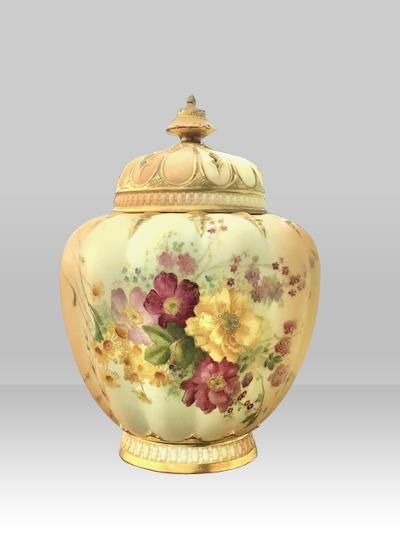
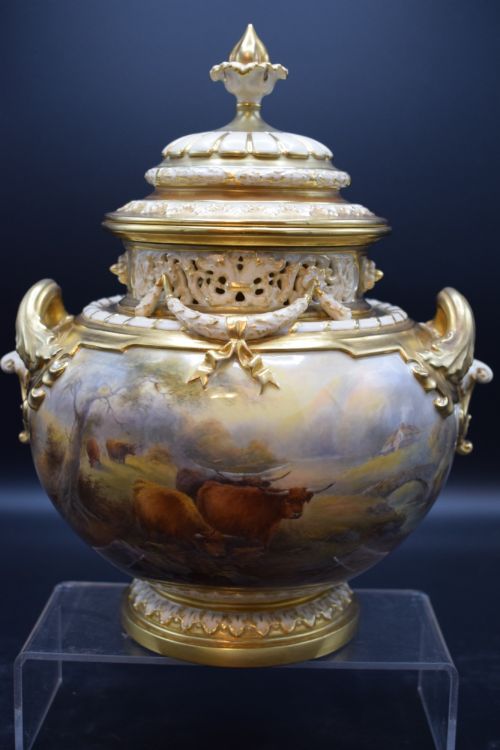
Buyers seeking a cream porcelain decorative jar encounter pieces primarily shaped as vases, pot pourri jars, and decorative urns. The selection spans the 19th Century, Edwardian era, and decades through to 1960, showing diverse domestic utility.
The objects appearing on this page originate from British factories like Royal Worcester alongside Japanese Satsuma workshops. These pieces combine classic vessel forms with floral and figurative painting on light grounds.
Manufacturing and materials
Potters shaped these bodies from fine porcelain and earthenware, applying smooth white or blush ivory grounds. Artisans then hand-painted floral motifs and scenes directly onto the ceramic surface.
Many examples incorporate gold leaf, gilt, gilding, and enamel highlights to accent the rims, handles, and covers. Pot pourri vessels feature pierced or covered lids designed to diffuse scent while displaying detailed craftsmanship.
Cream Porcelain Decorative Jar Retail Price Guide 2026
Typical asking prices for cream porcelain decorative jar among the pieces listed under this phrase on Sellingantiques today, from the lower quarter to the upper quarter. They describe what is for sale here now, not the wider market.
Listings span the 19th Century, Edwardian period, and specific years from 1900 to 1960, uniting British porcelain and Japanese Satsuma production.
Distinctions in quality
The distinction between standard production items and premier pieces rests on the precision of the hand-painting and the presence of artist signatures. Work by named painters demonstrates superior brushwork and compositional control.
Overall quality also depends on the preservation of delicate gilding and enamel details across the surface. Complex forms with original covers command greater attention than plain bodies.
Royal Worcester·Shuzan
The Cream Porcelain Decorative Jar Glossary
- Pot pourri
- A vessel designed to hold dried scented plant material, featuring a pierced lid or cover to release fragrance. These decorative jars often include inner lids.
- Blush ivory
- A soft cream-coloured porcelain body associated with late Victorian and Edwardian manufacturing. This ground provides a matte background for floral decoration.
- Gilding
- The application of gold leaf or gold paint to ceramic surfaces. It highlights rims, handles, and decorative borders.
- Pedestal vase
- A vessel elevated on a raised foot or base. This form adds height and formal presence to ornamental jars.
Cream Porcelain Decorative Jar: Frequently Asked Questions
What is a pot pourri jar?
A pot pourri jar is an ornamental vessel designed to hold dried flower petals mixed with spices. The pierced cover allows the fragrance to permeate the room while concealing the contents.
These pieces function as both decorative objects and functional containers in period interiors.
How do I date a porcelain vase?
Dating relies on maker marks stamped or painted on the underside of the base, alongside stylistic clues. Victorian and Edwardian pieces often show specific factory ciphers that change by year.
Comparing the painting style and body colour helps place the item within periods like the Meiji era or the early twentieth century.
Where were Satsuma vases made?
Satsuma vases originated in Japan during the Edo period and continued through the Meiji period. They feature a distinct crackle-glaze earthenware or porcelain body decorated with enamel and gold.
These Japanese pieces often depict figures, landscapes, and intricate floral patterns.
How should I clean porcelain?
Cleaning requires only a soft, dry cloth or a gentle feather duster to remove surface dust. Avoid using water, detergents, or abrasive cleaners on antique porcelain.
Moisture can damage delicate enamel work, gold leaf, and painted signatures.