
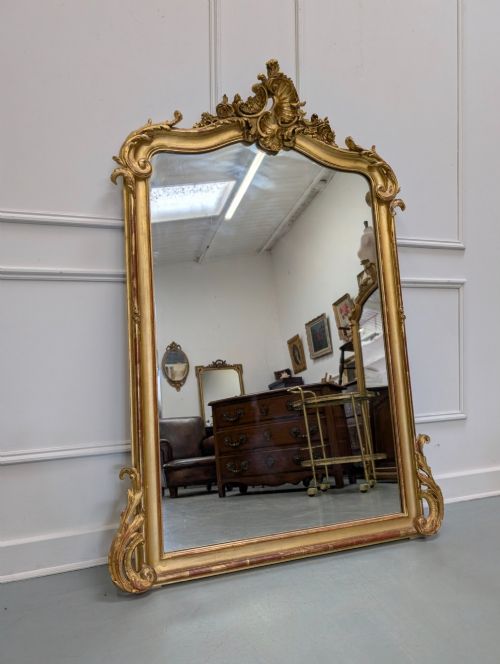
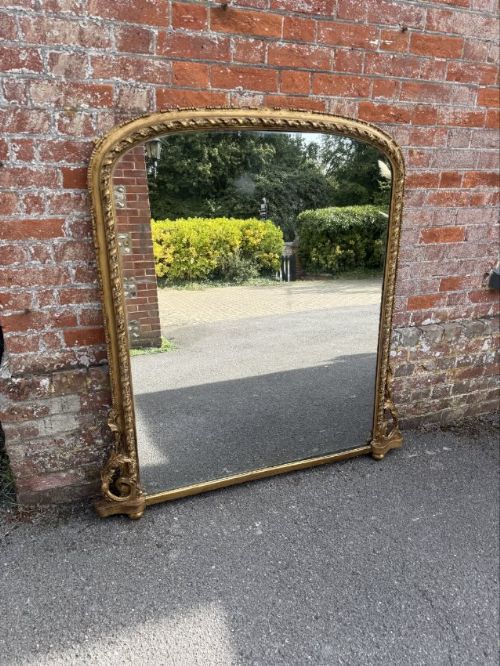
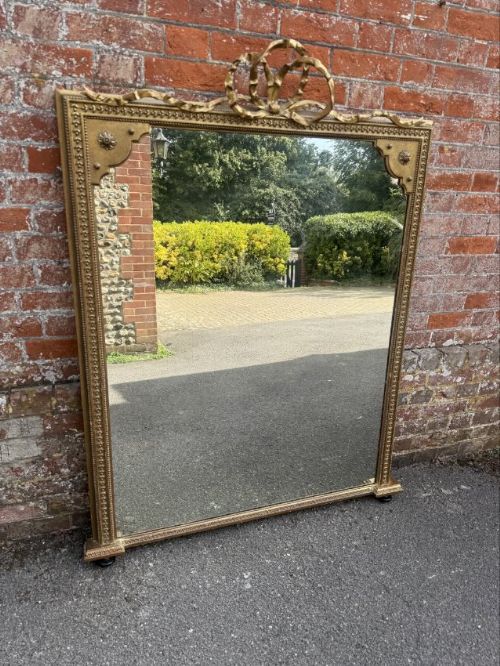
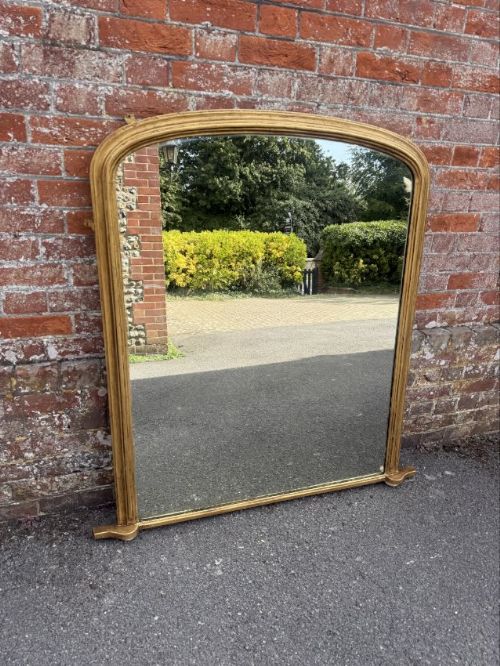
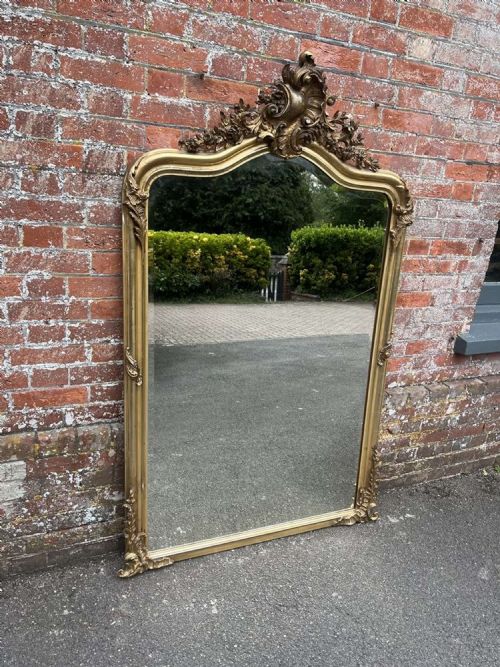
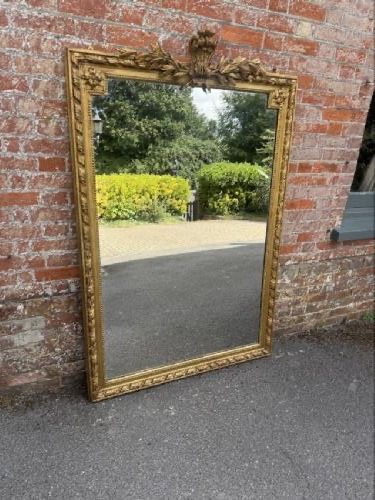
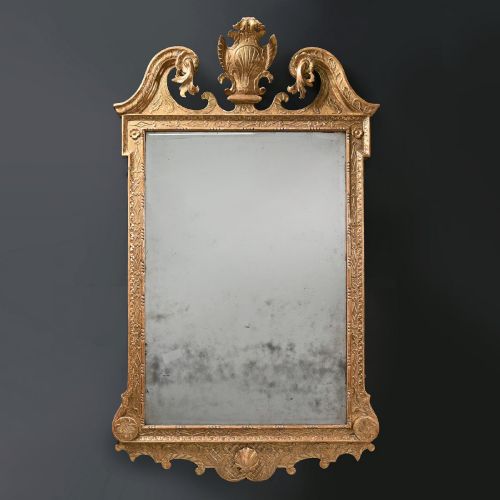
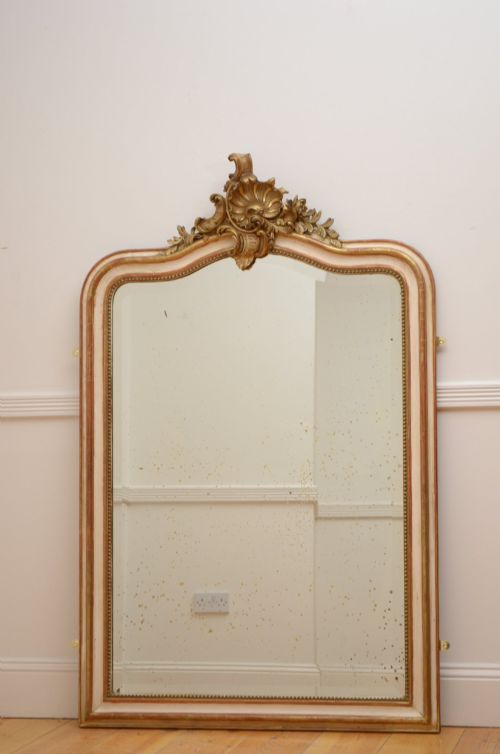
Gold Gesso Wall Mirror
A gold gesso wall mirror brings depth and historic light to a room through intricately moulded surfaces and gilded wooden frames.
Gold Gesso Wall Mirror
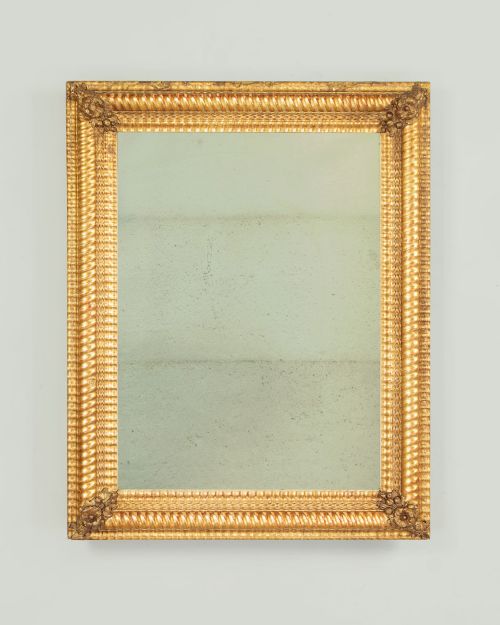
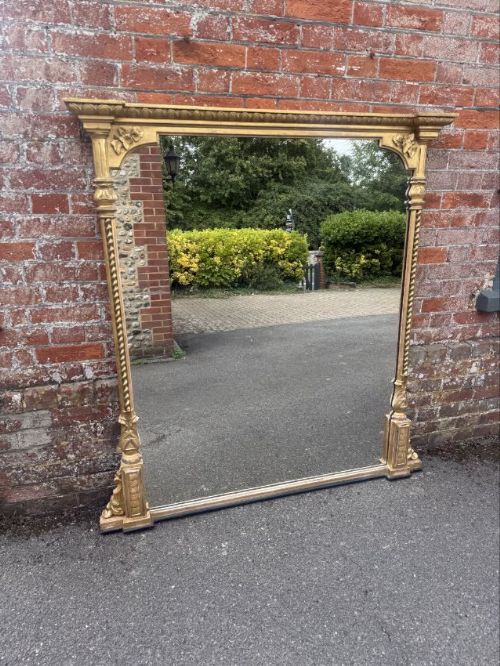
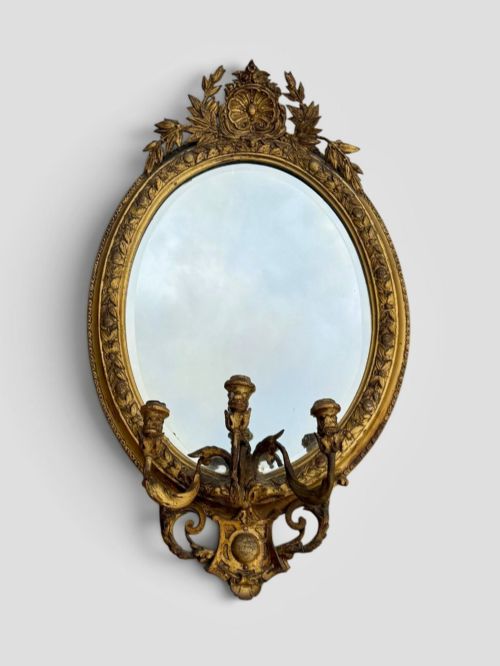
A gold gesso wall mirror is a decorative looking glass defined by a plaster-like ground applied to a wooden base before gilding. These pieces appear frequently as nineteenth-century English overmantels and French chateau wall mirrors.
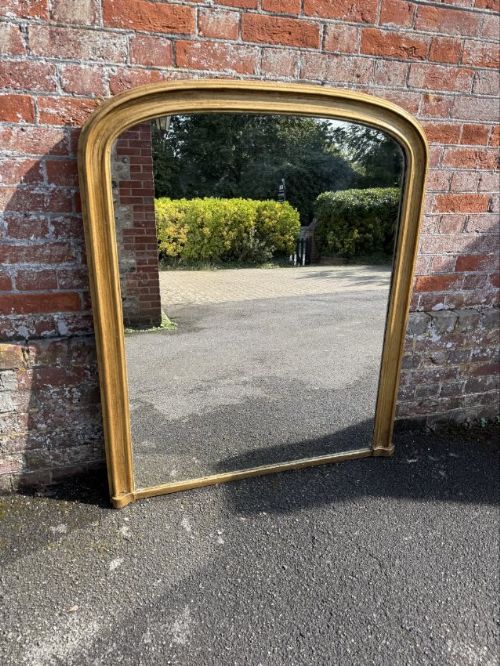
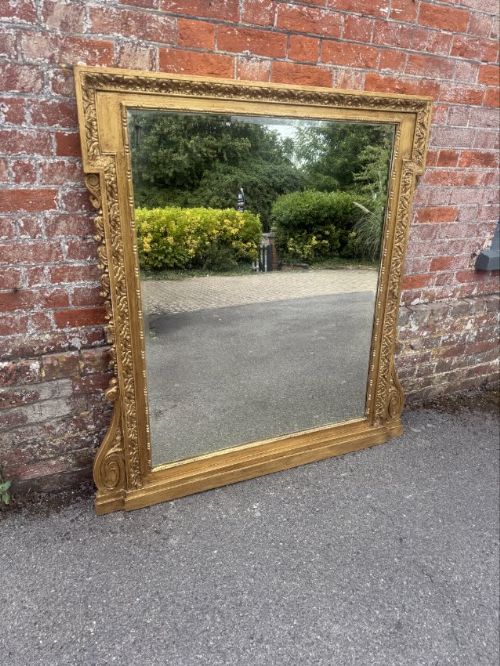
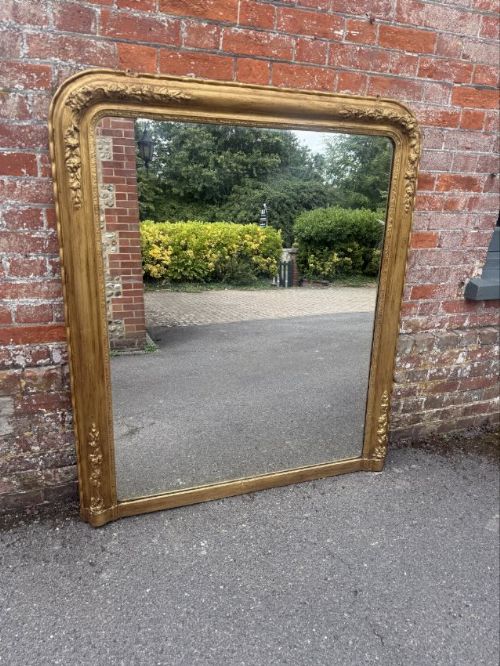
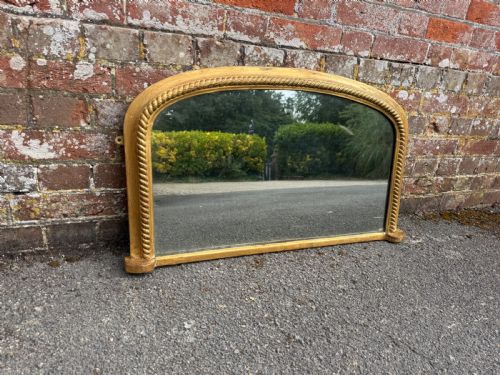
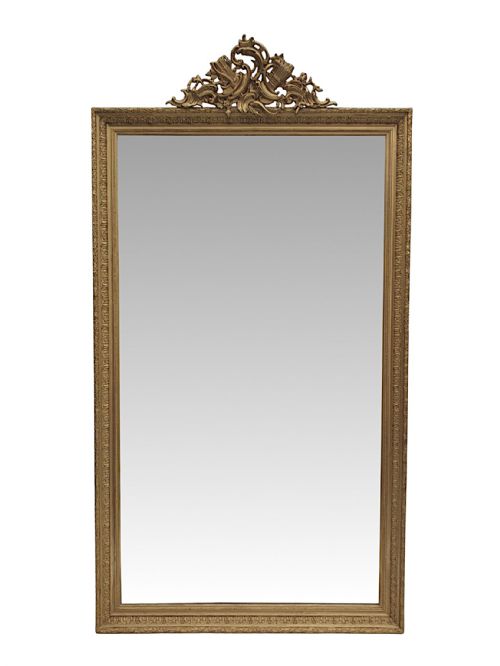
Makers shaped these frames with arched, shaped, or rectangular tops, incorporating rope twists, ribs, columns, and tulip motifs. Victorian and French Rococo Revival styles dominate the pieces available to collectors.
Earlier examples extend back to the eighteenth century under George II and George I periods, showing sophisticated carved gesso and giltwood construction. Overmantel mirrors, pier mirrors, and leaner mirrors represent the primary forms encountered by buyers.
Materials and construction
Craftsmen built the core structures from carved wood, applying layers of gesso to create high-relief ornamentation before finishing the surface with gold leaf or gilding. Mirror glass sits within these elaborate frames, sometimes supported by brass elements or integrated with wooden backing.
The application of gesso allowed artisans to carve deep, crisp scrolls and floral details that wood alone could not easily hold. Gilding was then applied over the prepared gesso ground to achieve a bright, reflective metallic sheen.
Materials recorded across current inventory include carved wood, gesso, gold leaf, giltwood, mirror glass, and brass.
Evaluating quality and craftsmanship
Quality rests in the crispness of the gesso moulding and the depth of the carved wood underneath. Superior pieces retain their original gilding and sharp decorative contours without heavy restoration filling the intricate details.
Proportions also dictate the standard of the piece, with better examples displaying balanced symmetry across large overmantel and pier formats. The integrity of the original mirror glass and the stability of the wooden frame further distinguish finer pieces from simpler work.
The Gold Gesso Wall Mirror Glossary
- Gesso
- A mixture of plaster of Paris or chalk with glue, used to coat wood surfaces as a base for gilding and painting. It provides the smooth, buildable medium necessary for intricate raised ornamentation.
- Giltwood
- Wood that has been coated with gold leaf or gilt powder. This material forms the primary structure beneath the metallic finish of the frame.
- Overmantel Mirror
- A large mirror specifically designed to hang above a fireplace mantel. These pieces often feature wide horizontal or arched proportions suited to chimney breasts.
- Pier Mirror
- A tall, narrow mirror historically hung on the pier or wall space between windows. They reflect additional light into darker rooms.
- Rococo Revival
- A nineteenth-century design style drawing on eighteenth-century French Rococo motifs. It is characterised by asymmetrical scrollwork, C-scrolls, and naturalistic floral elements.
Gold Gesso Wall Mirror: Frequently Asked Questions
Where should I hang a large overmantel mirror?
These pieces traditionally sit directly above a fireplace mantel to anchor the room and reflect natural light. They also function effectively as leaner mirrors placed on the floor against a main wall.
Ensure the wall structure and fixings safely support the substantial weight of carved wood, gesso, and glass.
How do I tell an eighteenth-century mirror from a Victorian revival piece?
Eighteenth-century examples, such as those from the George II period, display hand-carved wooden detailing beneath the gesso with distinct joinery methods. Victorian and later revival pieces often incorporate machine-sawn elements and heavier plaster compositions.
Examining the backboards, fixings, and the composition of the glass helps clarify the manufacturing era.
What is the difference between an overmantel and a pier mirror?
Overmantel mirrors are typically wider than they are tall, built to span the horizontal space above a fireplace. Pier mirrors are narrower and taller, designed to fit specific wall spaces between windows or doors.
Both types utilise carved wood and gesso frames but serve different architectural functions within a historic interior.