
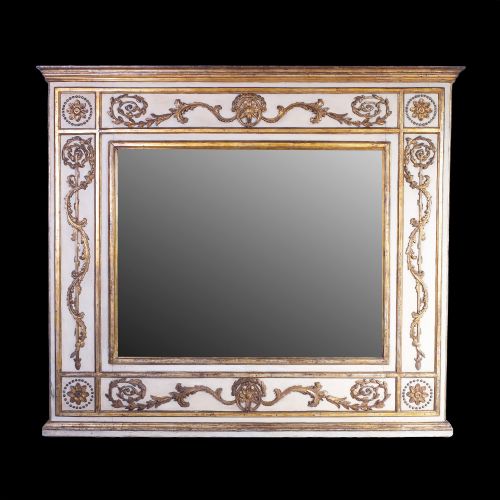

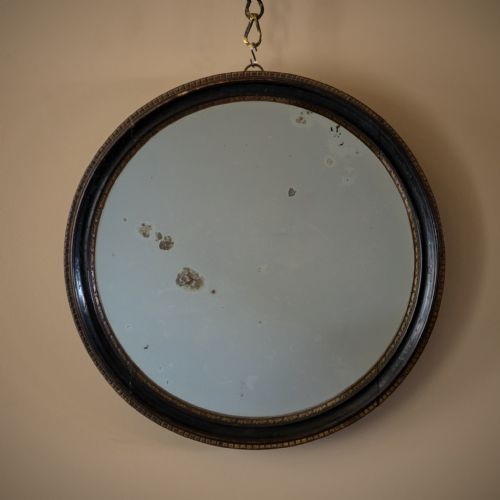

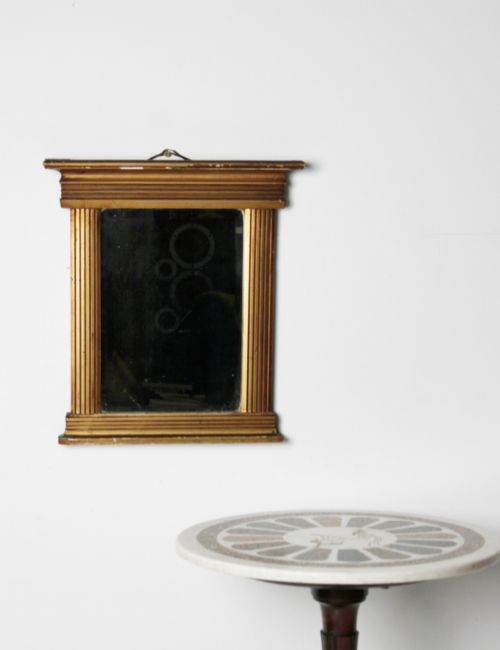


Early Georgian Wall Mirror
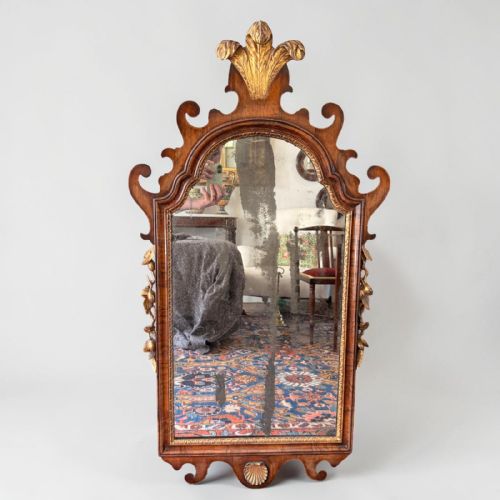
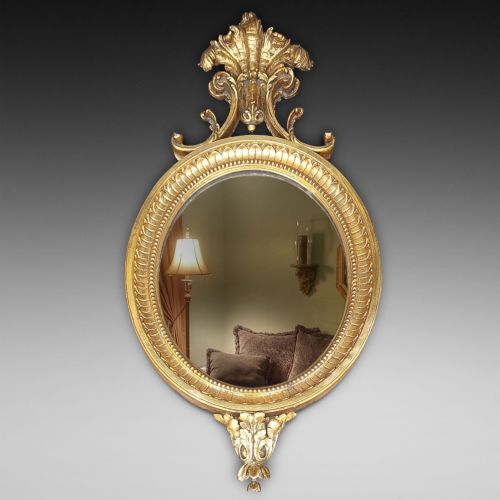
An early georgian wall mirror brings presence to a room through architectural walnut or gleaming giltwood framing.
Early Georgian Wall Mirror
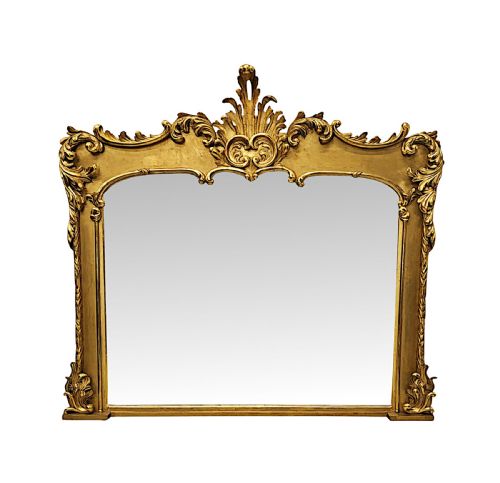
An early georgian wall mirror encompasses wall mirrors, overmantel mirrors, and pier mirrors designed during the eighteenth century and related revival periods. These forms hang between windows or anchor a mantelpiece, serving as both functional looking glasses and decorative wall furniture.
The pieces appearing on this page span walnut and parcel-gilt constructions alongside heavily giltwood and gesso frames. Examples range from early eighteenth-century walnut grain to nineteenth-century interpretations bearing the hallmarks of earlier reigns.
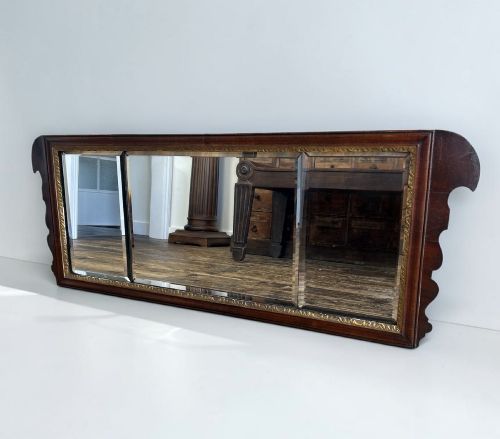
Buyers encounter pier mirrors, landscape mirrors, and convex formats alongside occasional corner cabinets sharing similar period traits. Walnut veneers, gilt surfaces, and divided plates dominate the selection.
How they were made
Frames rely on timber foundations such as walnut, pine, and maple, shaped to receive intricate decorative skins. Gesso builds up ornamental relief details before the application of gold leaf or paint finishes.
Mirrors utilise original mercury plate or early glass techniques, sometimes split across triple plates or paired with reverse glass prints and paintings. Joinery techniques unite wooden chassis with carved mouldings and parcel-gilt accents.
Listings feature walnut, giltwood, and ebonised wood across wall mirrors, overmantel mirrors, and pier mirrors dating from the eighteenth to the twentieth century.
What varies in quality
The integrity of the surface finish dictates much of the standing of an early georgian wall mirror. Original mercury plates and untouched giltwood or walnut patination elevate an example above later alterations or re-gilding.
Carving depth and the crispness of gesso ornamentation demonstrate the skill applied to the frame. Pierced fretwork and well-defined mouldings show superior execution compared to simpler, flat constructions.
John Belchier
The Early Georgian Wall Mirror Glossary
- Giltwood
- Wood that has been coated with gold leaf over a prepared base. This finish catches the light and defines formal eighteenth-century interiors.
- Gesso
- A plaster mixture applied to wooden frames and carved into relief ornament before gilding. It provides the sharp detail seen on classical moulding.
- Pier Mirror
- A tall mirror designed to hang on the wall space between windows. These pieces reflect natural light deeper into panelled rooms.
- Mercury Plate
- An early type of mirror glass backed with a tin-mercury amalgam. It creates a characteristic mottled reflection distinct from modern silvered glass.
- Parcel-Gilt
- Partially gilded woodwork where selected areas of exposed grain contrast with gold leaf. Walnut frames frequently employ this technique.
Early Georgian Wall Mirror: Frequently Asked Questions
What is an early georgian wall mirror?
An early georgian wall mirror is a decorative looking glass produced during the eighteenth century or later revivals, typically framed in walnut or giltwood.
These pieces served functional and decorative roles in period interiors, reflecting light and anchoring the room's design scheme.
Where should I hang an overmantel mirror?
Overmantel mirrors sit traditionally above a fireplace mantelpiece to draw the eye upward and brighten the hearth space.
They also function effectively on principal living room walls where their landscape proportions balance large pieces of furniture.
How do I identify original mirror glass?
Original glass often displays subtle foxing, slight distortions, and the deep reflective quality typical of early mercury backing.
Examinations under raking light reveal the hand-finished nature of antique plates compared to uniform modern alternatives.
How do I care for giltwood frames?
Giltwood requires gentle dusting with a soft, dry brush to protect the delicate gold leaf and gesso layers from damage.
Keep these mirrors away from direct sunlight and damp environments to preserve the stability of the underlying wood and preparation layers.