
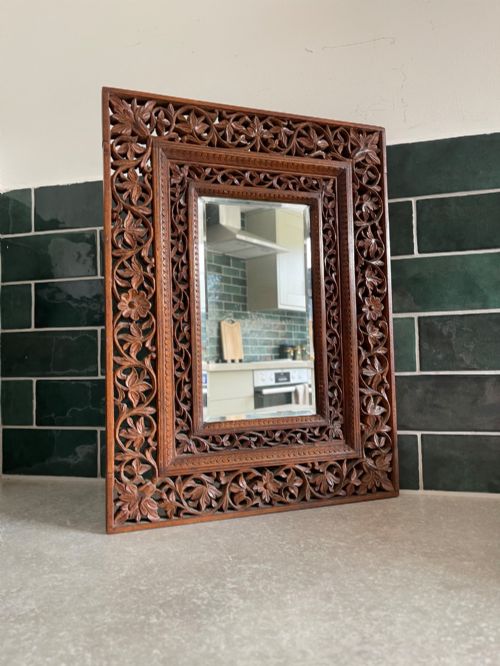
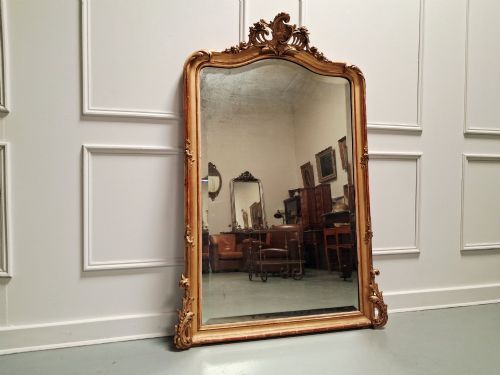


Ornate Timber Mirror
An ornate timber mirror brings tactile warmth and carved depth to a room, offering everything from heavy gilt frames to intricate walnut wall pieces.
Ornate Timber Mirror
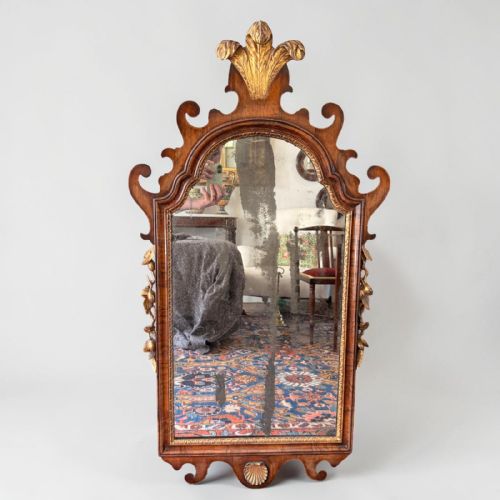
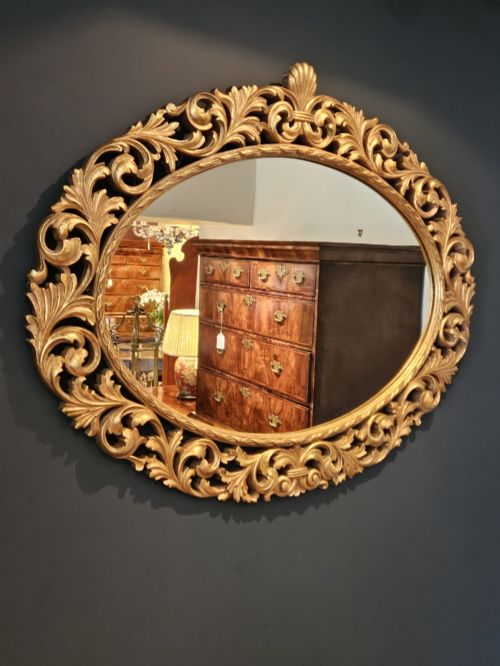
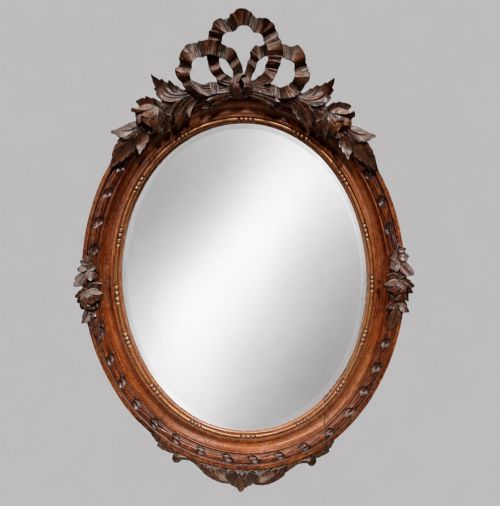
An ornate timber mirror combines carved wooden structures with reflective glass, frequently taking the form of a wall mirror or picture frame. These pieces span centuries of craftsmanship, drawing on distinct regional aesthetics like French Rococo, Florentine style, and Anglo-Indian design.
The versions most commonly met on this page range from Victorian gilt interpretations to 18th-century walnut and mahogany examples. Makers employed heavy carving, applied gesso, and gold leaf to create striking visual focal points intended for principal rooms.
Materials and construction methods
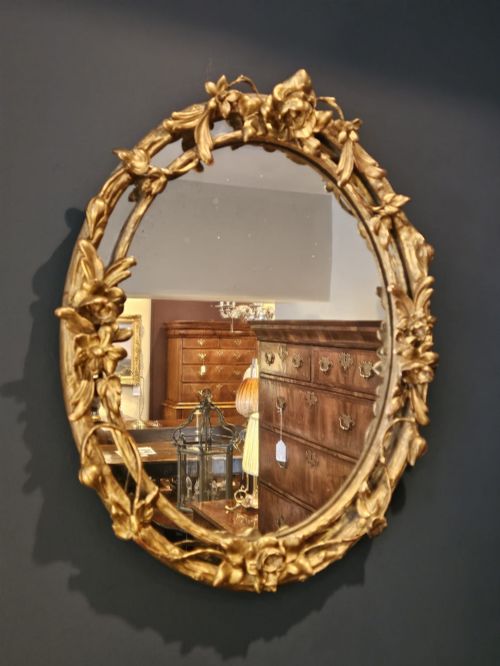
Makers shaped solid woods such as walnut, mahogany, limewood, padauk, and general timber into complex frames before applying decorative details. Skilled hands carved the wood directly, creating high-relief foliage, vines, and architectural flourishes that give these objects their characteristic depth.
Surfaces were frequently finished with a layer of gesso, a plaster-like material that took fine detail before gilding with gold leaf. This combination of carved wood, gesso, and applied gold or paint protected the timber while delivering a brilliant reflective presence.
Several mirrors sport carved rose vines, proving that Victorian artisans found time to botanise in timber.
Distinctions in execution and design
The standard of carving defines the distinction between simpler commercial frames and exceptional sculptural works. Crisp depth in the carved timber and balanced proportions across intricate motifs demonstrate superior workshop output.
The application of surface finishes, from the finesse of the giltwood preparation to the integrity of the underlying wood, determines the piece's visual resonance. Superior examples maintain harmony between the timber frame and the mirror glass.
The Ornate Timber Mirror Glossary
- Giltwood
- Wood that has been coated with gold leaf or gold paint. This technique was widely utilised on ornate frames to catch and reflect candlelight.
- Gesso
- A plaster mixture applied to wood frames to provide a smooth, resilient base for carving and gilding. It allowed artisans to achieve exceptionally sharp decorative details.
- Padauk
- A dense tropical hardwood known for its deep colour and durability. It provided carvers with a stable medium for intricate regional work.
- Overmantle
- A large mirror designed specifically to be hung above a fireplace mantelpiece. These pieces often dominated the wall space of Victorian and Georgian reception rooms.
Ornate Timber Mirror: Frequently Asked Questions
How do I hang a heavy timber mirror safely?
Heavy carved timber frames require robust fixings secured directly into wall studs or masonry rather than standard plasterboard hooks.
Professional mirror hangers often utilise mirror plates or heavy-duty brackets attached to the structural timber of the frame to distribute the weight evenly.
Where should I place an ornate timber mirror?
These pieces perform best opposite a window or light source to bounce natural illumination deeper into a reception room or hallway.
Consider the scale of the surrounding furniture so the carved frame commands the wall space without overwhelming the room.
How do I clean a giltwood frame?
Dust giltwood surfaces gently with a soft, dry brush to remove particles without disturbing the delicate gold leaf or gesso.
Avoid liquid cleaners, moisture, and chemical sprays entirely, as they damage historic gilding and soften the underlying preparation layers.
Can I replace the glass in an antique mirror?
Original mirror glass often shows characteristic foxing, silver loss, and distortion that collectors value as evidence of age.
Replacing the glass is sometimes necessary if it is shattered, but keeping original plates preserves the historical integrity of the piece.