
Gold French Candlesticks
Gold french candlesticks bring warmth through cast metal and gilt surfaces, illuminating rooms with classical motifs and continental proportion.
Gold French Candlesticks
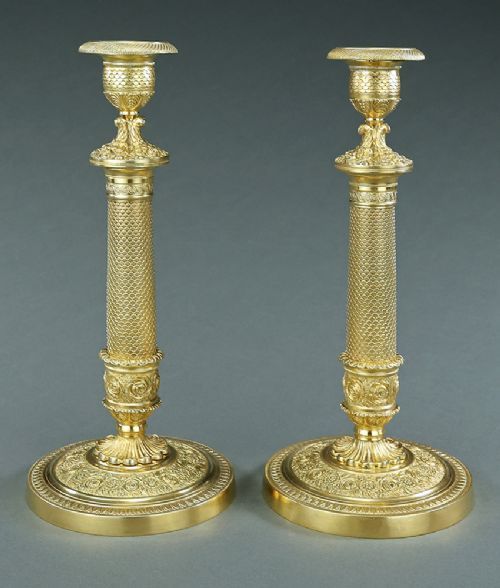
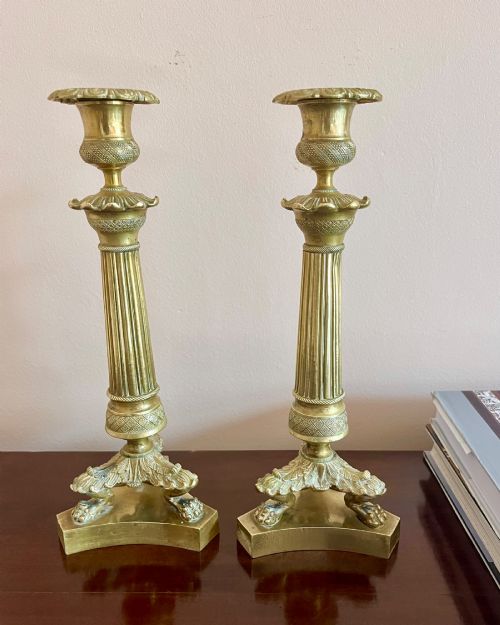
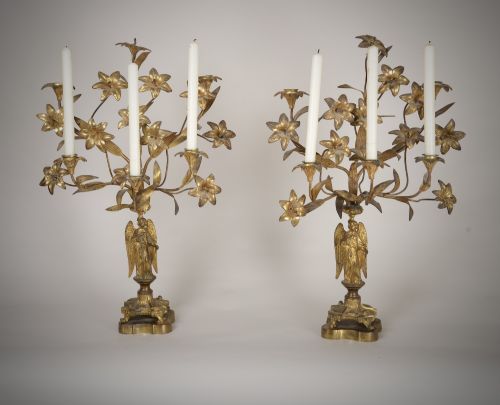
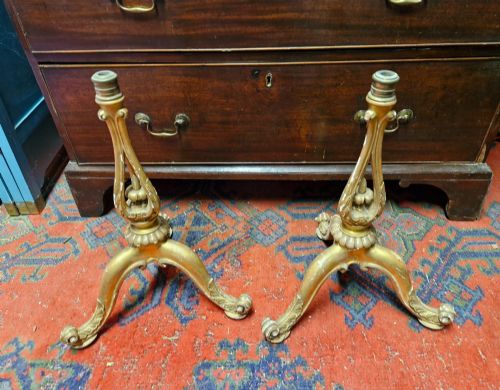
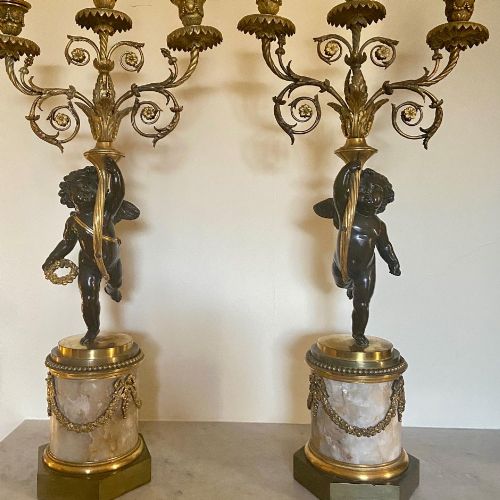
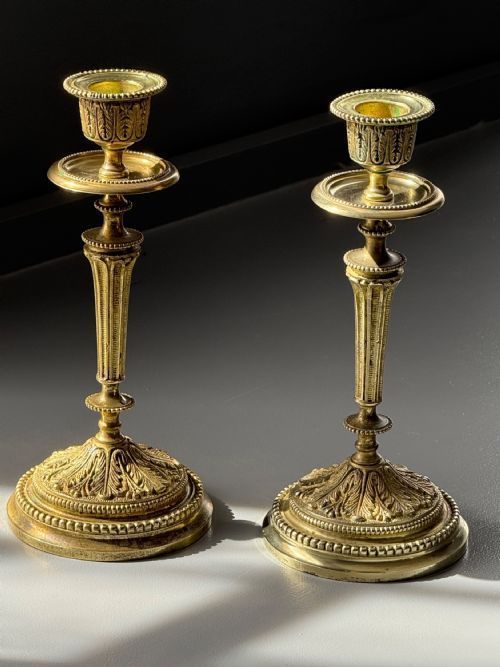
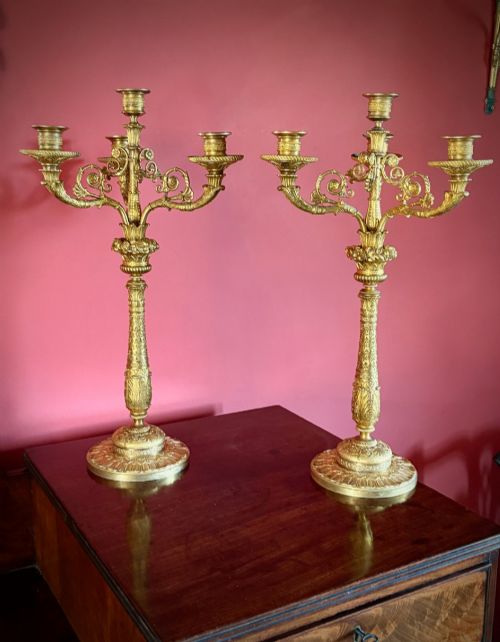
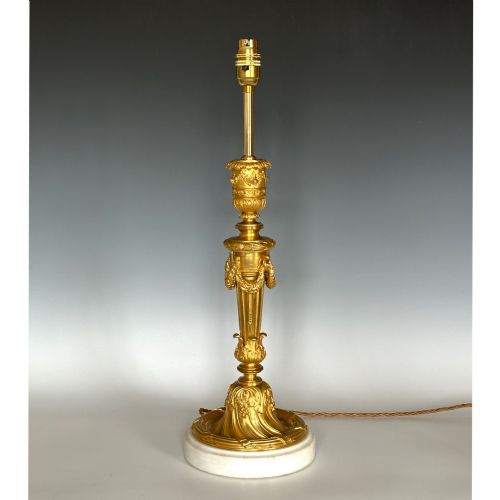
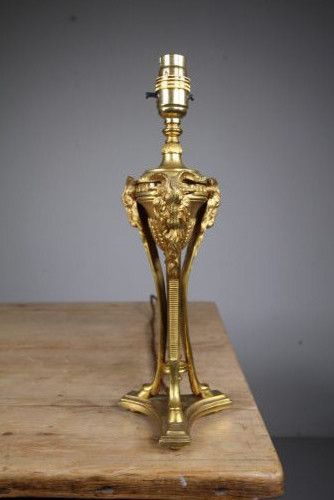
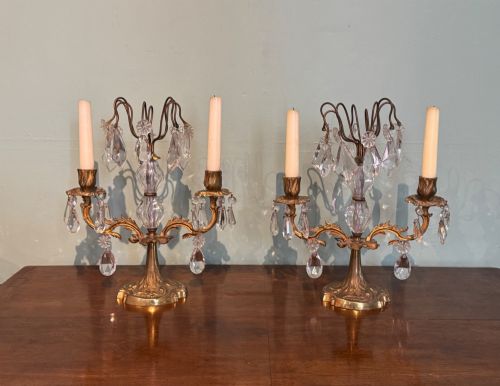
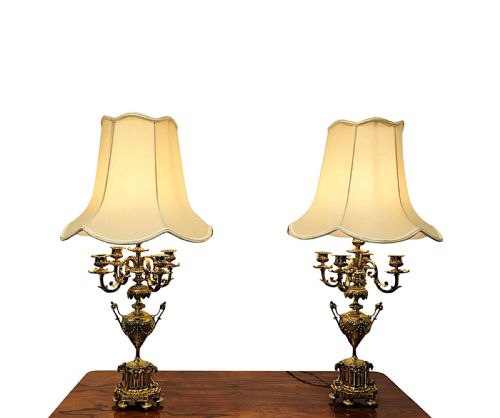
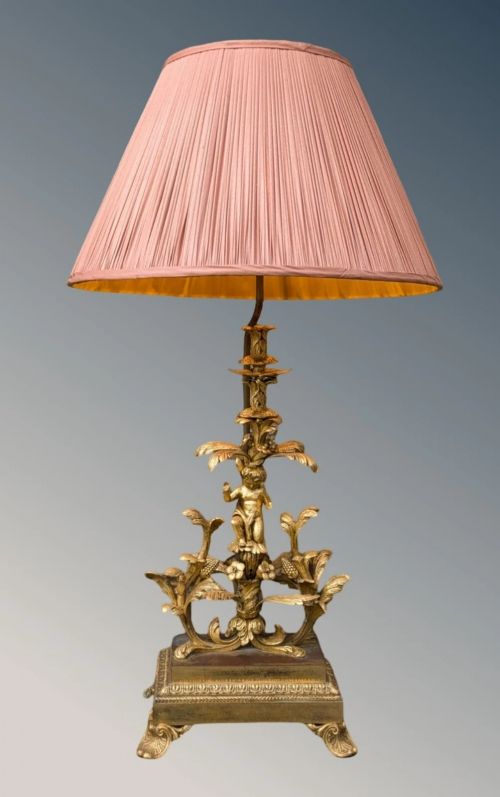
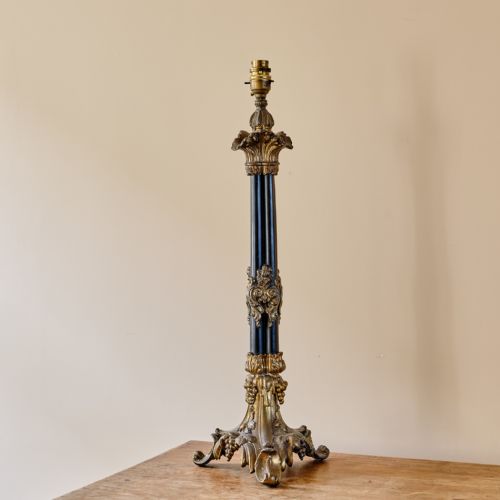
Gold french candlesticks comprise lighting fixtures and decorative supports produced across the nineteenth century and earlier, drawing on classical and revival vocabularies. When searching for gold french candlesticks, buyers encounter matched pairs cast in brass, bronze, and ormolu, frequently adapted into table lamps or fitted as multi-branch candelabra.
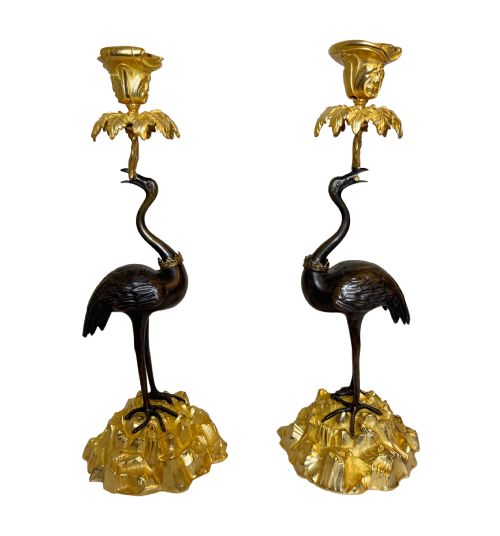
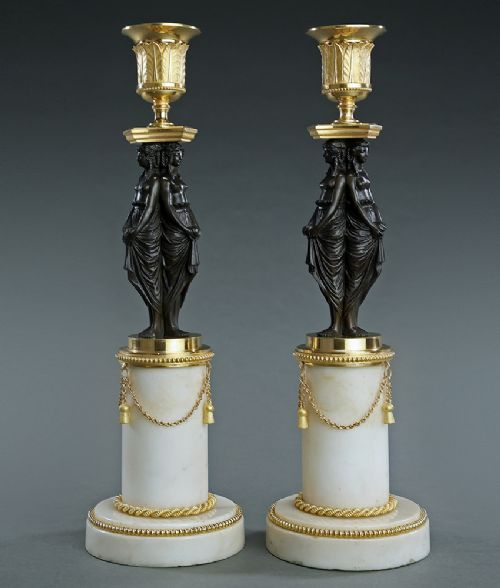
The selection ranges from restrained neoclassical columns to ornate rococo curves and sculptural designs featuring putti, caryatids, and animal motifs. Many examples integrate contrasting materials such as white marble bases, fluorspar, or cut glass elements to enhance the visual weight of the gilt surfaces.
How they were made
Maker workshops utilised sand casting and lost-wax methods to form heavy bronze, brass, and ormolu components, achieving sharp detail in figures and foliage. Artisans then applied mercury gilding or gold plating to create the characteristic luminous finish, combining patinated bronze elements for textural contrast.
Stonemasons shaped white marble plinths and columns to anchor the metalwork, while specialist turners produced timber bases and turned brass shafts. Assemblages often integrated champlevé enamel or glass components, secured with threaded rods and pins.
Listings feature pieces spanning the eighteenth century through the twentieth century, incorporating materials like gilt bronze, ormolu, marble, and patinated bronze.
What varies in quality
Weight, stability, and the selection of secondary materials such as unblemished marble or high-grade ormolu determine the overall substance of the piece. Rigorous alignment in multi-branch candelabra and the preservation of original fire-gilt surfaces separate exceptional survivals from later alterations.
Francois Redmond·Dugourc·Abel Landry
The Gold French Candlesticks Glossary
- Ormolu
- A finely ground high-carat gold amalgam applied to a bronze base through a mercury amalgamation process, or later via electroplating. This technique produces a rich, durable golden sheen characteristic of high-end continental lighting.
- Candelabra
- A branched candlestick designed to hold multiple tapers from a single central stem. These lighting pieces often feature removable arms to convert the fixture into a standard single candlestick.
- Caryatid
- A sculpted female figure serving as an architectural support or stem component. In these pieces, the figure bears the weight of the candle socket or drip pan.
- Champlevé
- An enamelwork technique where troughs are gouged into a metal surface and filled with vitreous paste before firing. The technique adds colourful geometric or floral patterns to the metallic body.
- Retour d'Egypte
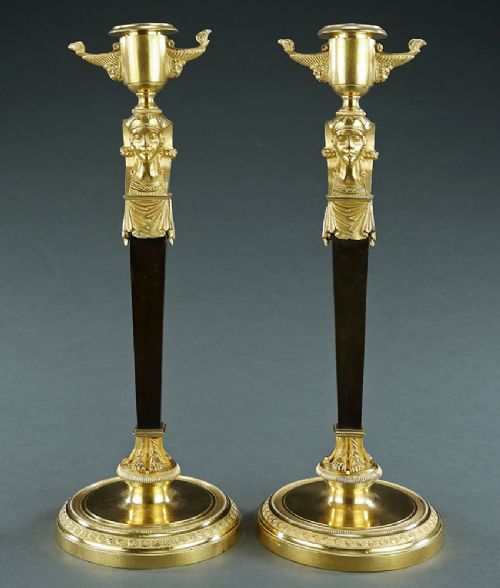
- A design style inspired by Napoleon's campaign in Egypt, incorporating motifs like sphinxes, lions' paw feet, and pharaonic figures. This aesthetic heavily influenced nineteenth-century decorative arts.
Gold French Candlesticks: Frequently Asked Questions
What is the difference between ormolu and brass?
Ormolu refers to gilded bronze, where a layer of gold is applied to a base of cast bronze, producing a deep and luminous golden surface that resists tarnish. Brass is an alloy of copper and zinc cast as a solid yellow metal without a separate surface gilding layer.
While brass develops a warm patina through regular polishing, ormolu retains its distinct golden brilliance and typically displays finer chased details due to the softer nature of the underlying bronze.
How do I identify nineteenth-century pieces?
Nineteenth-century lighting often exhibits heavier casting proportions and distinct revival styles ranging from neoclassical columns to gothic and rococo motifs. Examining the construction reveals hand-cut threads, pegged joints, and individual sand-casting marks rather than uniform modern machine production.
Materials like patinated bronze paired with white marble bases and fire-gilding techniques point directly to workshops operating during the 1800s. Maker signatures or stamps, when present, provide definitive confirmation of the period.
Were these originally wired for electricity?
Original period examples were manufactured exclusively for wax candles or oil combustion before being adapted for modern lighting. Many pieces feature professional conversions where wiring passes through the central channel without damaging the historical metalwork.
Collectors frequently encounter both unconverted pairs and those fitted as table lamps, allowing buyers to choose between traditional display and functional illumination.
How should I clean gilded metal surfaces?
Gilded surfaces require gentle maintenance using a soft, dry cloth to remove dust without abrasive polishes that strip thin gold layers. Moisture and chemical cleaners can damage vulnerable mercury gilding or cause corrosion on exposed base metals.
Regular careful dusting preserves the original finish and patina without risking the historical integrity of the piece.