
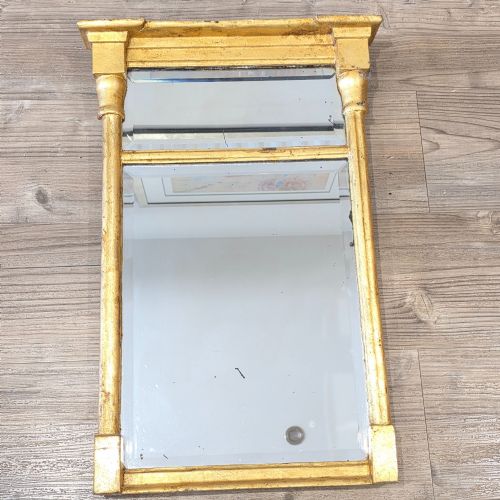
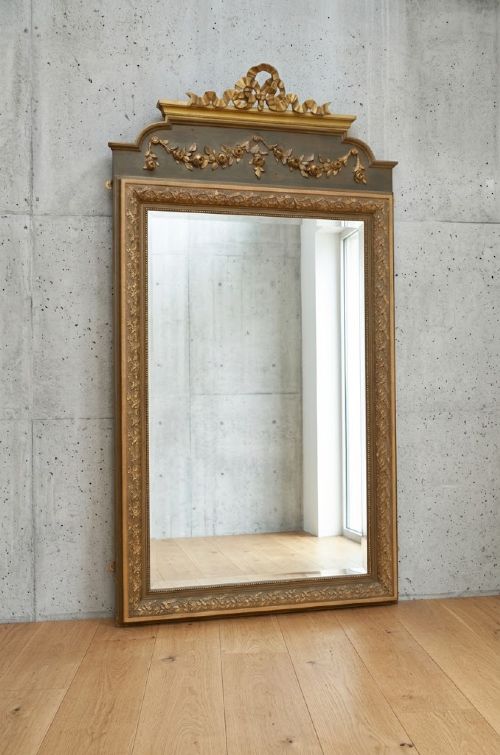
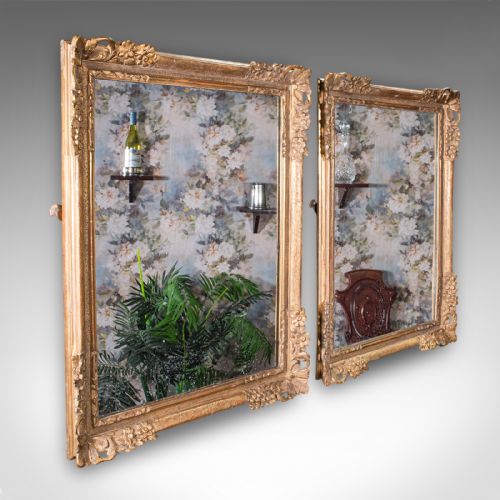
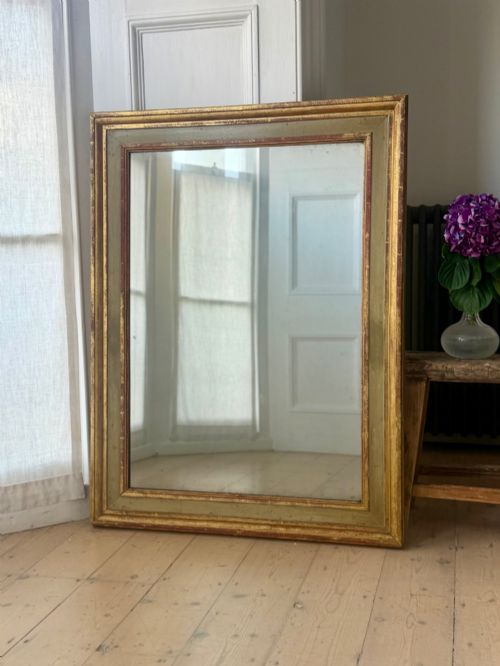
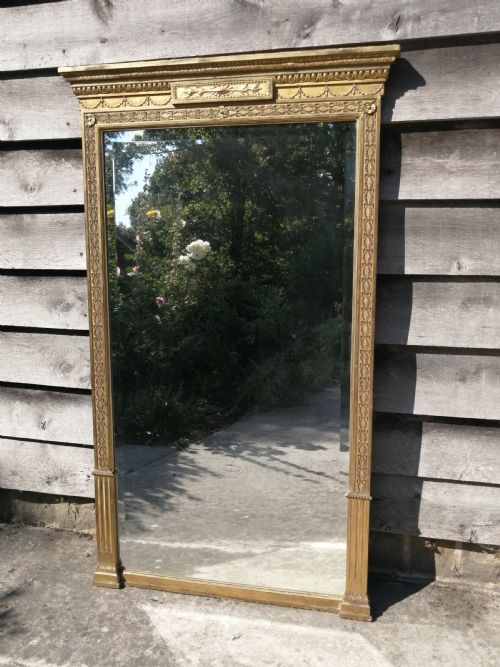
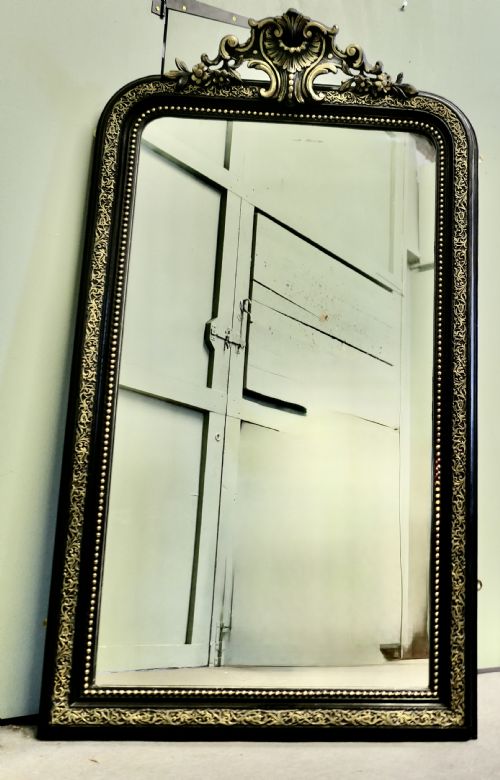
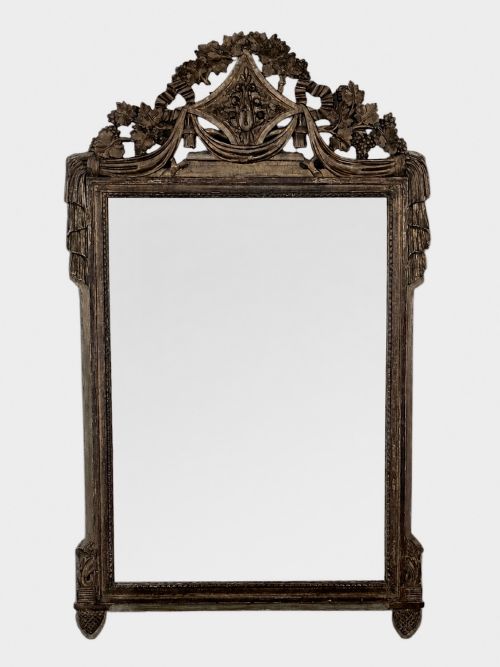
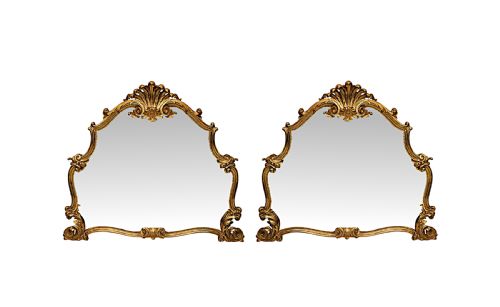
Gold Framed Pier Mirror
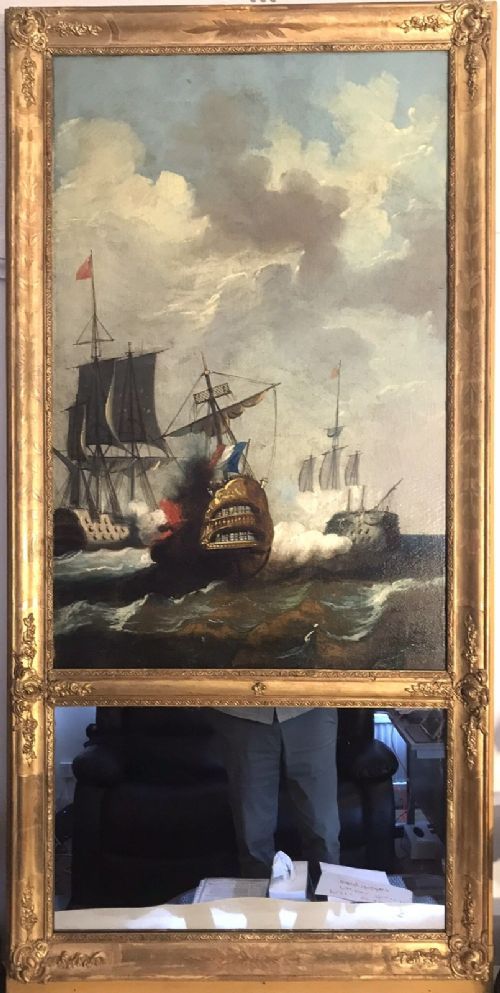
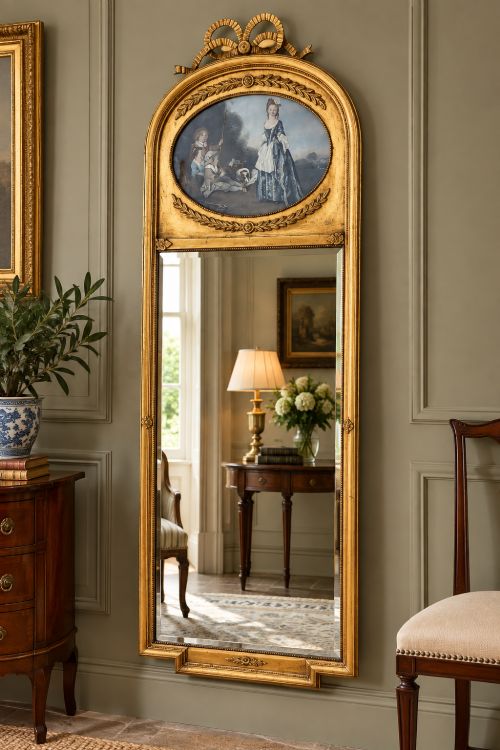
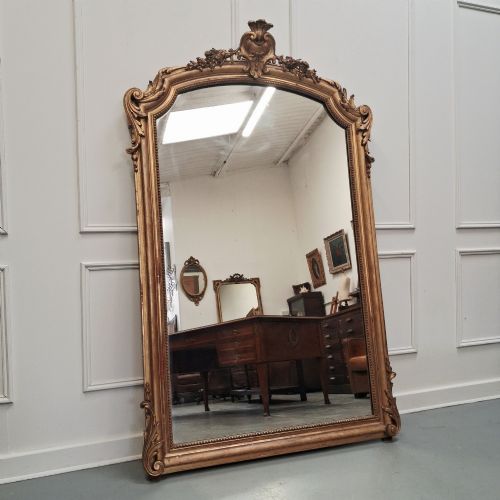
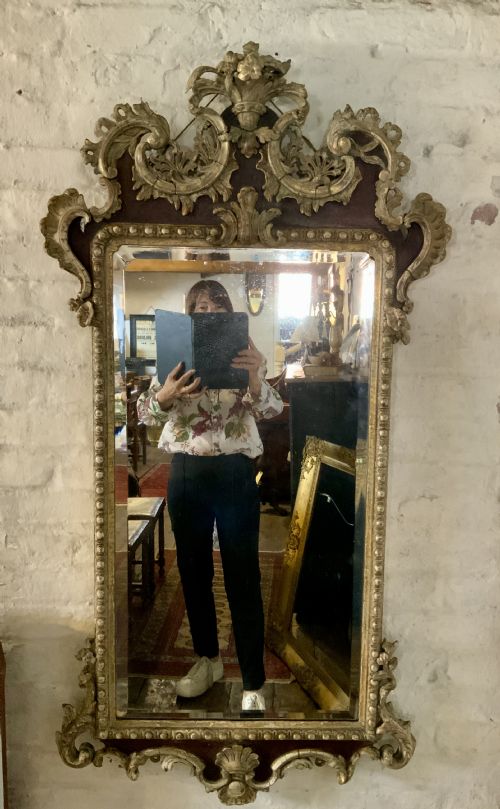
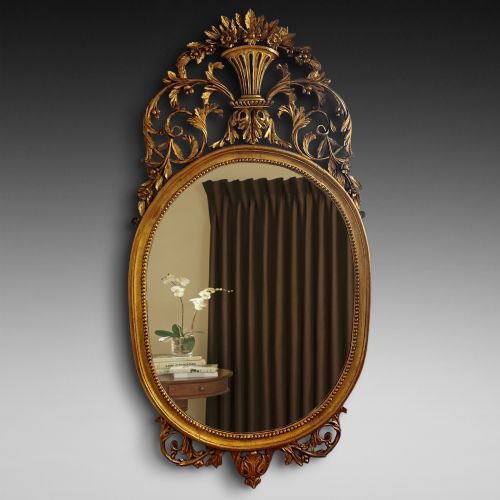
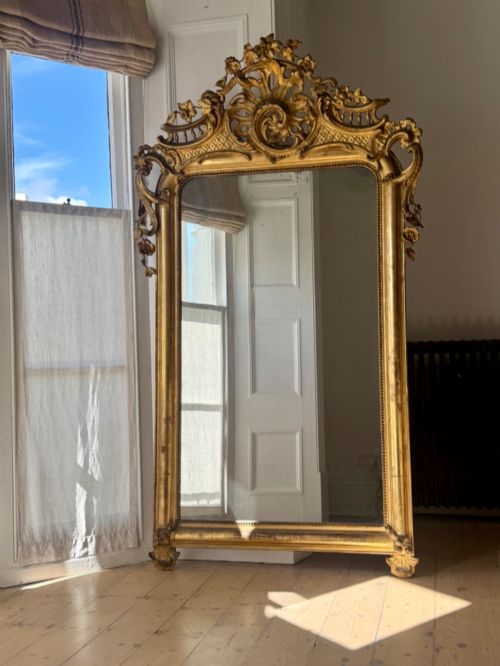
A gold framed pier mirror brings architectural depth and reflective light to a room, historically hung between tall windows.

Gold Framed Pier Mirror
A gold framed pier mirror is designed specifically to hang on the narrow wall space between windows, known as the pier. These vertical glasses reflect natural light back into the interior space.
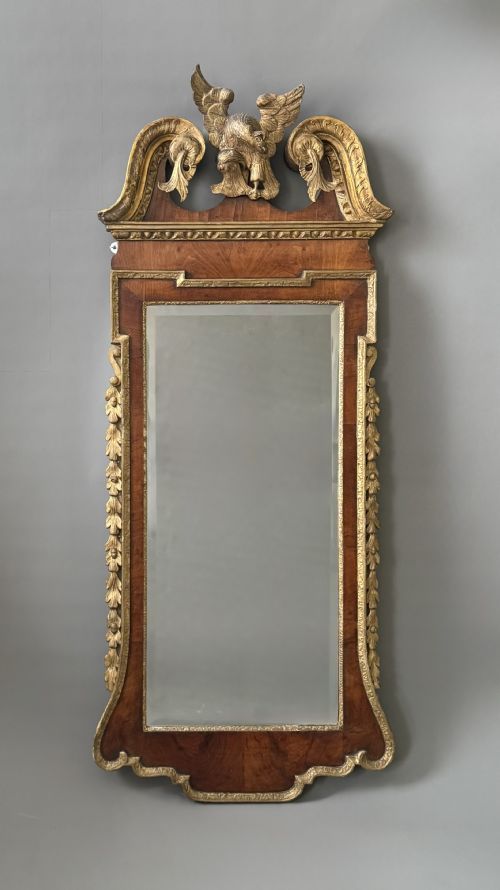
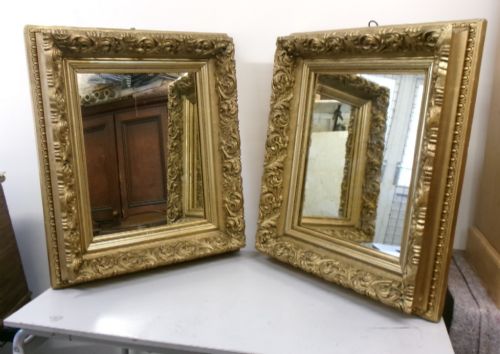
The selections available range from 18th century walnut and parcel gilt designs to ornate 19th century giltwood and gesso pieces influenced by French and English taste. Victorian, Regency, and Georgian examples predominate.
Makers utilised various regional aesthetics, spanning from English carved giltwood to French Rococo and Italian Florentine craftsmanship, creating tall proportions suited to high ceilings.
Materials and construction
Frames rely upon carved wood, composition, and gesso as a base to receive gold leaf or gilt finishes. Walnut and painted wood also appear amongst earlier pieces.
Many examples retain original mercury glass plates, distinguishable by subtle foxing and irregularities in the reflective surface.
Some French examples incorporate delicate olive green paintwork and ribbon crests to soften the grandeur of the gold.
Judging quality
Depth and crispness in the hand-carved gesso or wood ornamentation separate fine work from mass production. Sharp relief indicates skilled carving.
The survival of original mercury glass plates and genuine gold leaf gilding rather than modern metallic paint marks the distinction of a better piece.
The Gold Framed Pier Mirror Glossary
- Pier glass
- A tall mirror intended for the wall space between windows. This form maximised ambient light in period drawing rooms.
- Gesso
- A plaster mixture applied to wood frames and carved before gilding. It provides a smooth ground for gold leaf.
- Parcel gilt
- Woodwork partially gilded with gold leaf while other areas reveal exposed wood such as walnut. This technique created contrast in Georgian pieces.
- Mercury glass
- An early mirror plate created by pouring a mercury amalgam behind glass. It yields a distinctive warm, mottled reflection.
Gold Framed Pier Mirror: Frequently Asked Questions
Where should I hang a pier mirror?
Traditionally, these tall glasses were positioned on the narrow wall between two windows to bounce daylight across the room. Modern homes often place them above mantelpieces or in hallways.
Because of their vertical proportions, they suit rooms with generous ceiling heights where standard horizontal mirrors might look lost.
What is mercury glass?
Mercury glass refers to mirror plates produced using a silver and mercury technique before modern silvering methods took over. It gives a soft, dim reflection with dark spots known as foxing.
This ageing process provides visual depth that distinguishes antique plates from modern replacements.
How do I date a gilt mirror?
Dating relies on combining the construction materials, joinery behind the frame, and the style of the carving. Georgian and Regency pieces show distinct decorative motifs compared to later Victorian revivals.
Examining the backboards and nails offers further clues regarding the age of the item.
Are original mirror plates common?
Many antique mirrors retain their original glass, though some required replacement over centuries due to damage. Original plates often display minor blemishes and oxidation.
Inspect the reflection and the backing to determine if the glass has survived intact from the period.