

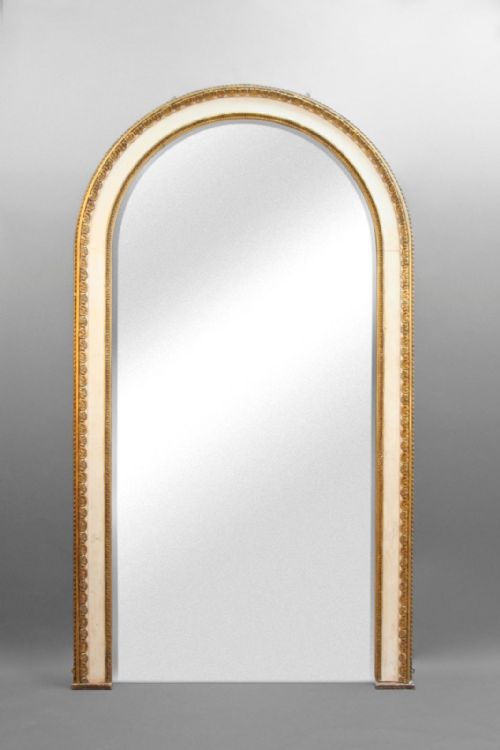


Large Gilt Hall Mirror
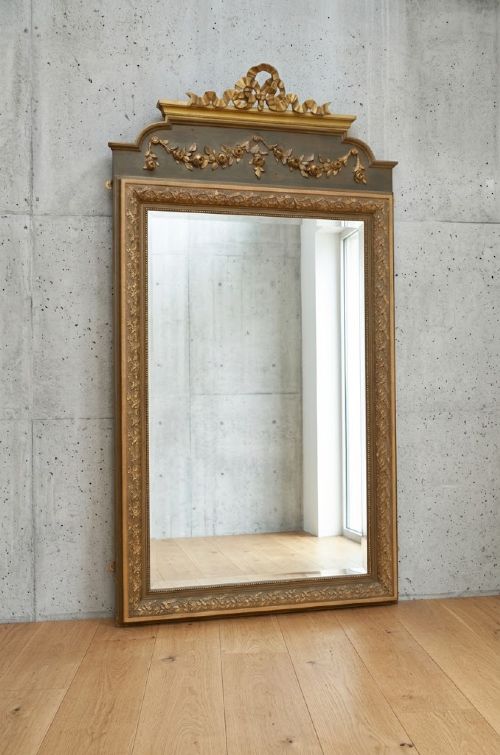
A large gilt hall mirror brings scale and reflected light to an entrance, anchored by ornate framing that sets a formal tone.

Large Gilt Hall Mirror
A large gilt hall mirror serves primarily as a grand focal point in an entranceway, utilising its expansive glass to brighten darker corridors and proportion tall walls. The selection draws heavily on nineteenth-century pieces, spanning the Victorian era, the mid-nineteenth century, and later revivals into the early twentieth century.
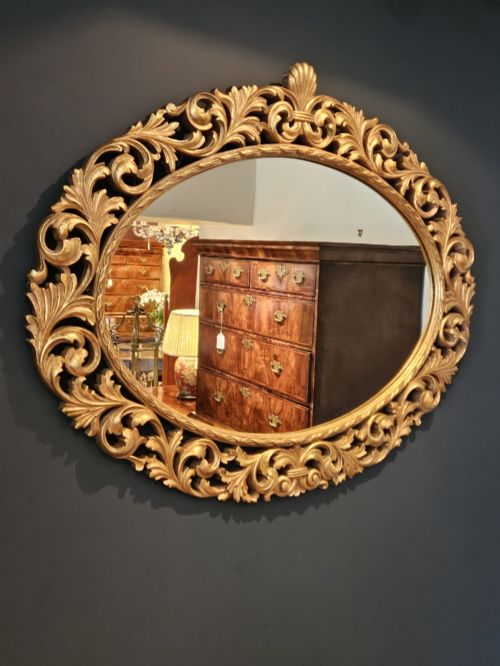
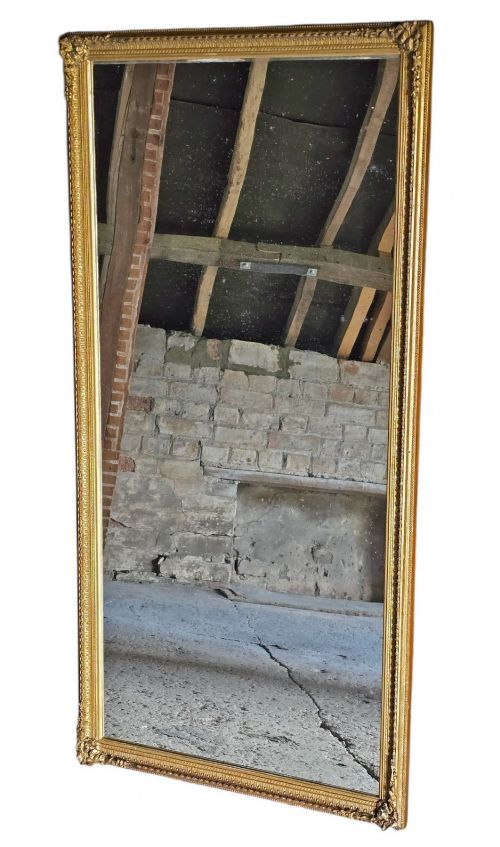
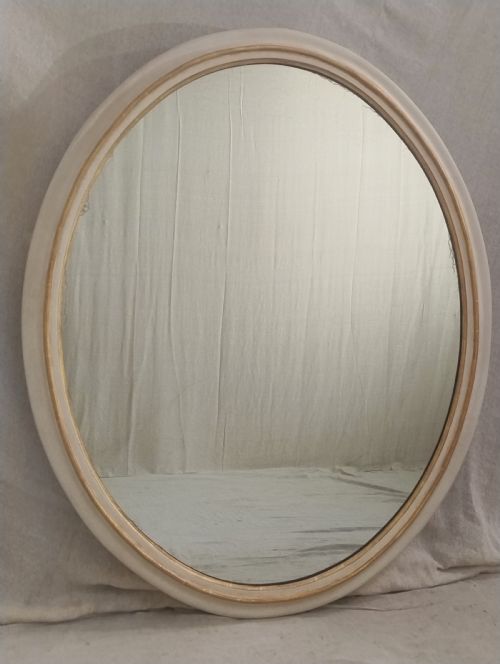
The dominant formats appearing here include upright pier glasses designed for narrow wall spaces between doors, expansive overmantel mirrors adapted for hall use, and substantial oval wall mirrors. Origins vary between English country house pieces and continental workshops, encompassing French chateau styles and Italianate framing.
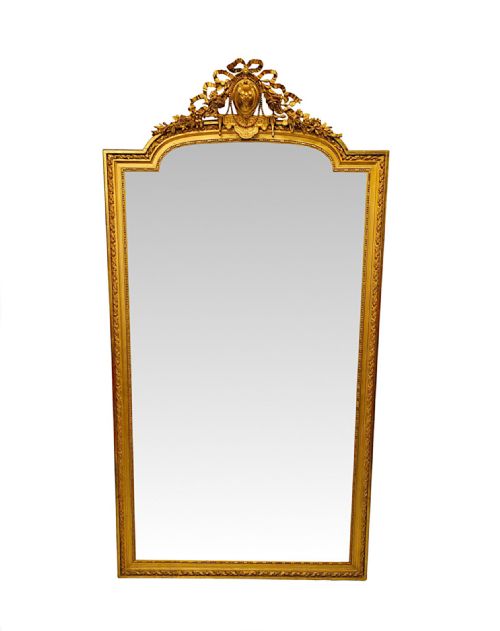
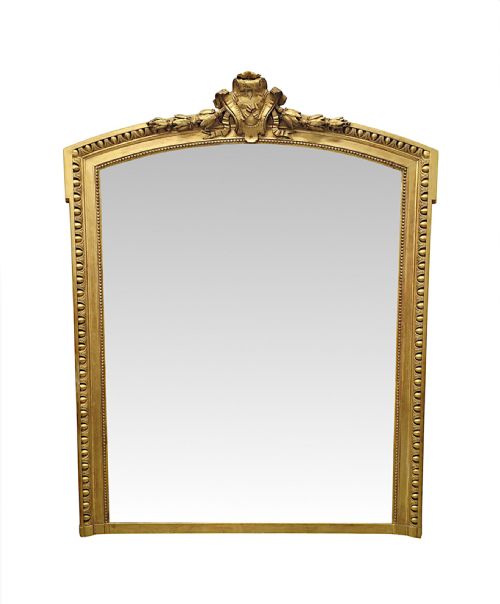
Buyers encounter vertical rectangles, arched tops, and elaborate cartouches that elevate these utilitarian objects into substantial decorative statements. The phrase large gilt hall mirror unites these grandly scaled, light-reflecting wall pieces regardless of whether their primary past function was domestic reception or dressing.
Materials and construction
Carved timber provides the foundational structure for the finest frames, shaped into rope twists, floral motifs, and neoclassical details before receiving surface decoration. Gesso is frequently applied over wood to build up relief ornamentation, allowing crisp moulding of intricate scrolls and crests.
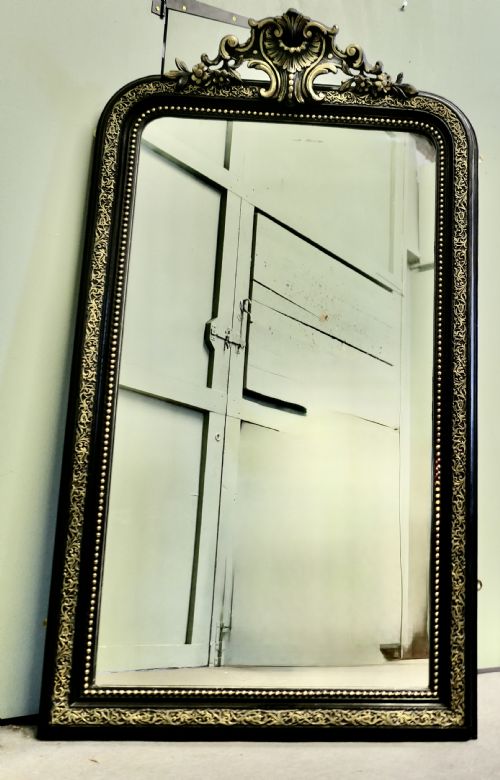
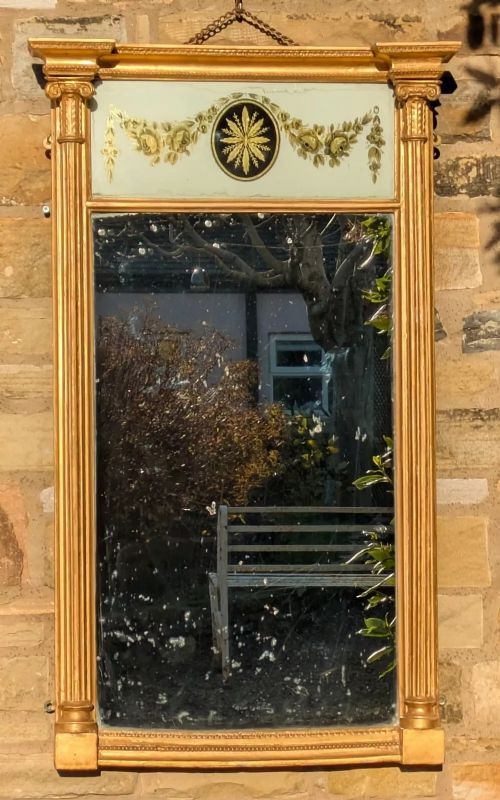
Gold leaf and parcel gilding create the luminous metallic finish, sometimes paired with ebonised wood, olive green paint, or black highlights for contrast. Mirror glass is set within these frames, occasionally featuring original bevelling or specialised decorative panels like verre eglomise.
Listings feature walnut and carved timber frames alongside French ebonised finishes and nineteenth-century gesso.
Distinctions in craftsmanship
The depth and crispness of the wood carving dictate the visual weight of the frame, where hand-tooled execution surpasses moulded composition ornament. Originality of the glass plate and the integrity of the gilt surface determine how authentically the piece retains its period character.
Proportion and scale separate standard mirrors from exceptional statements, particularly when architectural elements such as central cartouches or ribbon crests are integrated with balanced harmony. Maker attribution, such as documented work by firms like Nosotti, elevates a piece through verified provenance and superior workshop standards.
Nosotti's
The Large Gilt Hall Mirror Glossary
- Giltwood
- Wood carved and covered with gold leaf or metal leaf. This surface treatment gives mirrors their characteristic warm metallic glow.
- Gesso
- A plaster-like mixture applied to wood frames and carved. It creates a smooth base for subsequent gilding and intricate relief work.
- Pier glass
- A tall mirror designed to hang on the narrow wall between windows or doors. These vertical pieces maximise reflected light in period rooms.
- Verre eglomise
- A cold decoration technique where designs are painted and gilded on the reverse of glass. It appears in accent panels above the main mirror plate.
- Cartouche
- An ornamental tablet or oval frame motif, often scrolled or edged with carvings. It frequently anchors the top crest of grand hall mirrors.
Large Gilt Hall Mirror: Frequently Asked Questions
How do I hang a heavy hall mirror?
Substantial frames require professional wall anchoring directly into studs or masonry to support their considerable weight safely.
Using heavy-duty brackets distributes the load evenly across the structure of the wall.
Where should I place a pier glass?
These tall vertical mirrors work best between doorways or opposite windows to maximise natural light.
Their elongated proportions suit high ceilings and narrow transitional spaces in hallways.
How do I clean antique gilt surfaces?
Dust gently with a soft dry brush to prevent disturbing fragile gold leaf or aged gesso.
Avoid commercial cleaning sprays and moisture, which can permanently damage historic metallic finishes.
Are original mirror plates always bevelled?
Nineteenth-century examples frequently feature bevelled edges, though flat glass remains common on earlier pieces.
Original plates often show subtle age foxing that confirms their period authenticity.