


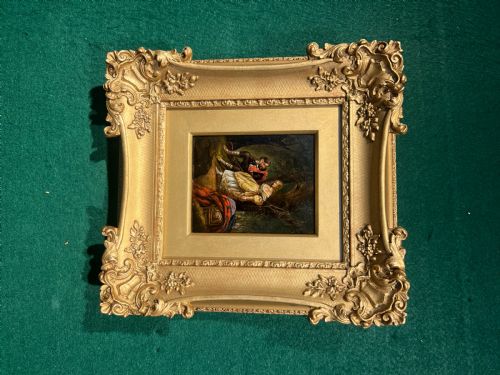
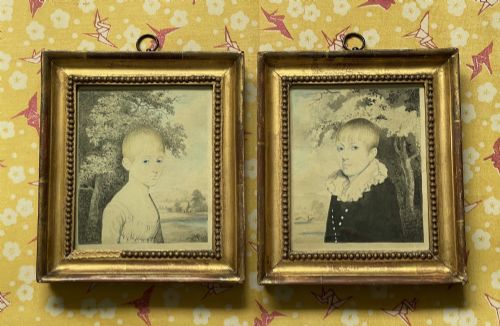
Gold Framed Miniature Painting
A gold framed miniature painting is a delicate portrait capturing an individual's likeness on a small scale, prized for intimate portraiture and fine craftsmanship.
Understanding the Pieces
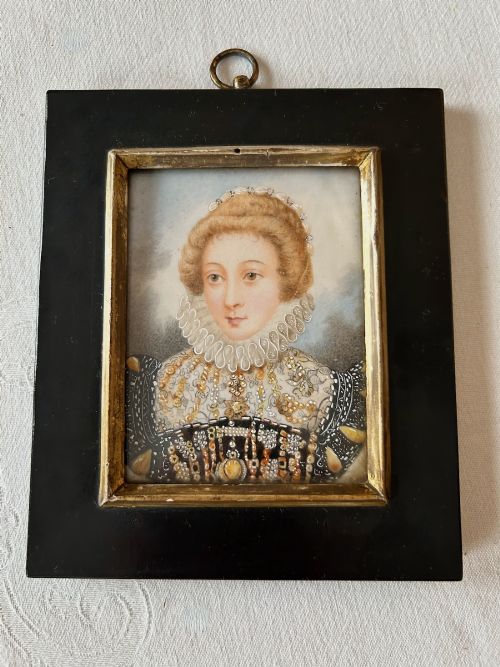
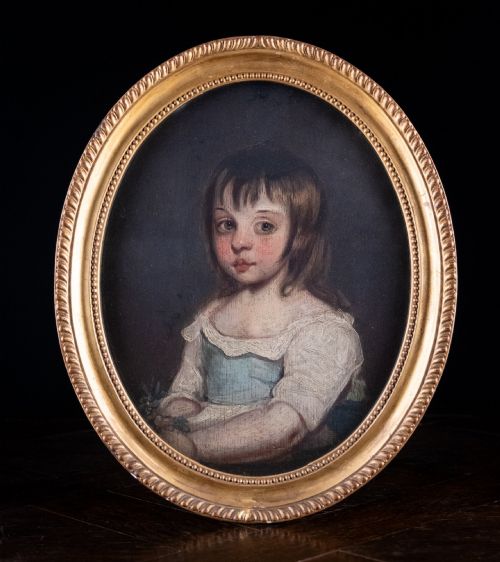
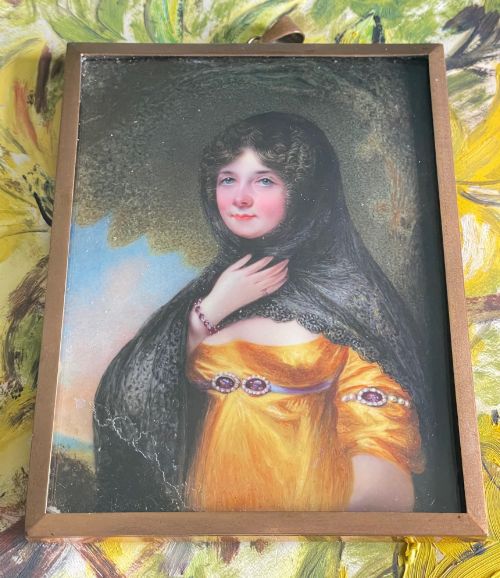
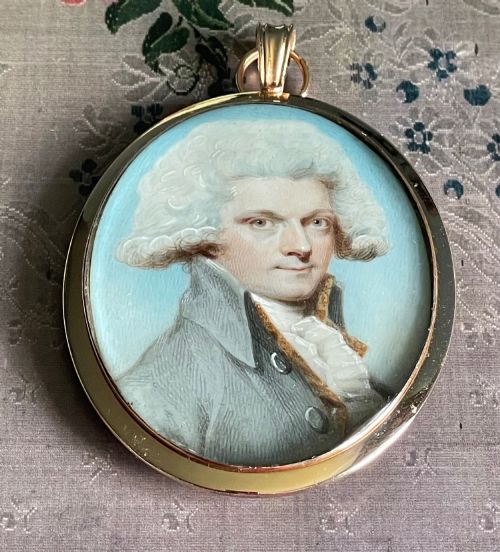
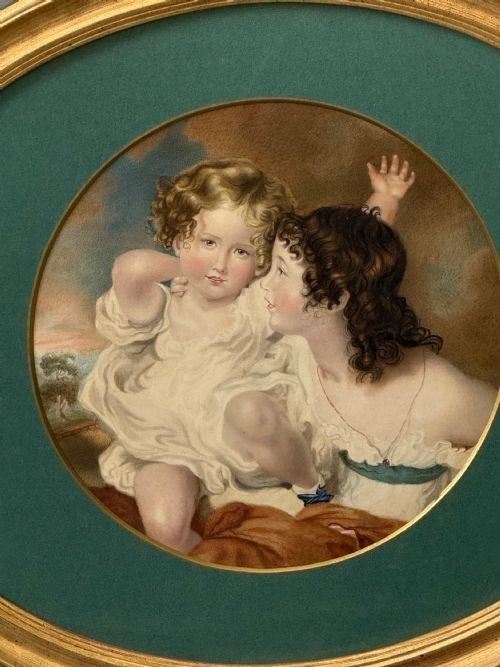
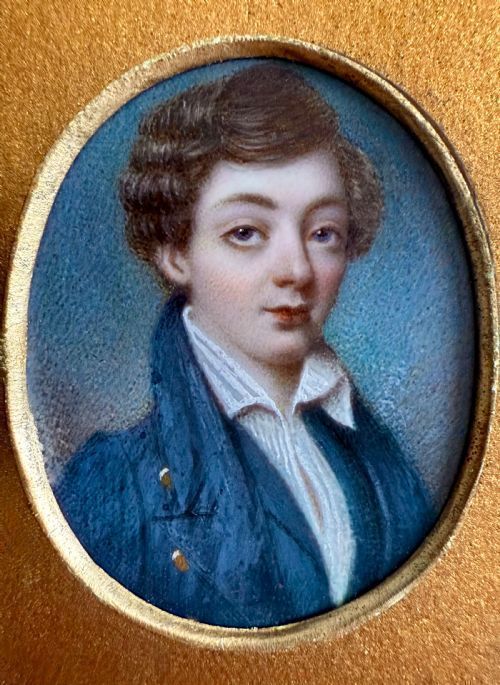
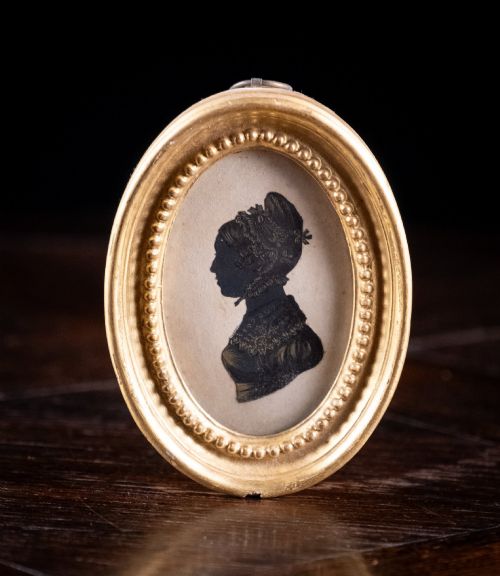
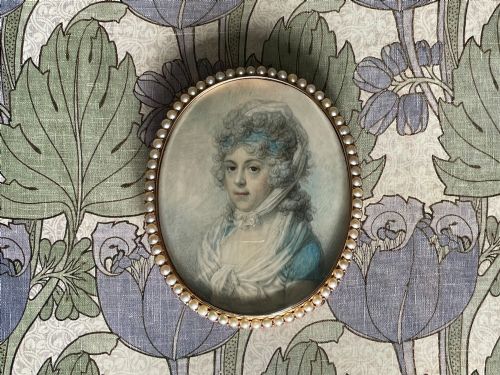
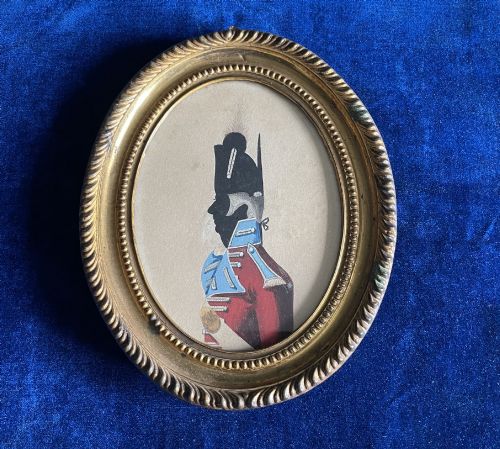
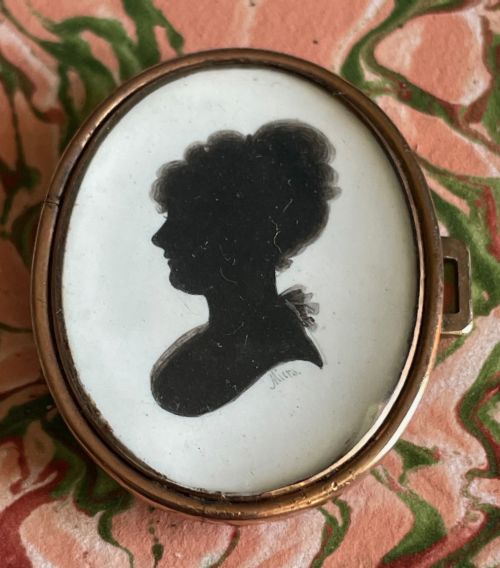
A gold framed miniature painting is a historic portrait miniature typically rendered in watercolour, capturing subjects from gentlemen and children to officers and ladies. These delicate artworks span the eighteenth and nineteenth centuries, encompassing Georgian and Regency styles.
The most common versions met on this page include eighteenth-century and nineteenth-century portrait miniatures framed in gilt metal, gilt wood, or gold-plated metal. Pieces feature detailed depictions ranging from named sitters like William Elliott Elliott to charming naive portraits.
Makers and artists represented in these listings include Charles Shirreff, John Inigo Wright, and Edward Pugh, alongside works executed after Sir Thomas Lawrence. Their subjects wear period attire such as ringlets and caps, preserved behind protective glass.
Materials and Technique
Artists painted these miniature portraits using watercolour on paper or ivory, applying microscopic brushstrokes to achieve lifelike precision. The resulting imagery demanded exceptional eyesight and steady hands from the portraitist.
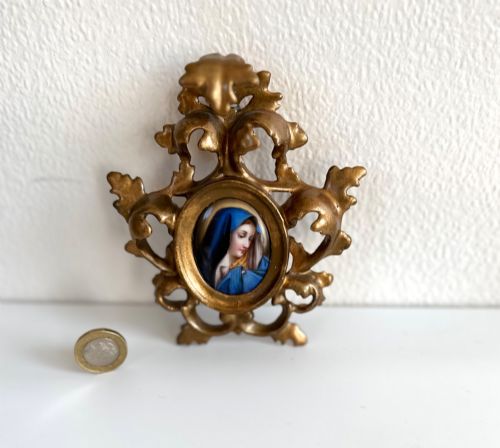
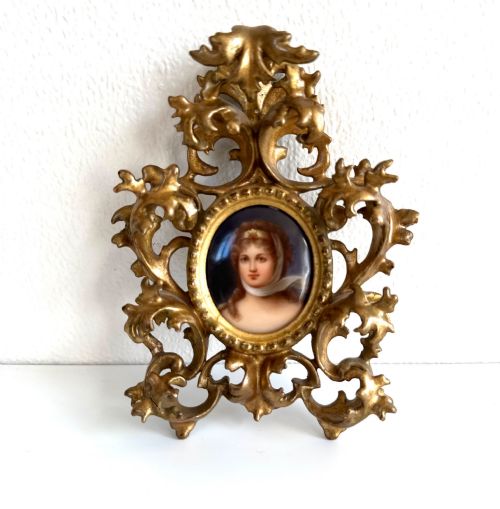
Each painting is housed within a protective enclosure utilising glass to shield the fragile watercolour surface. Frames are constructed from gilt wood, gilt metal, or gold-plated metal, providing a lustrous border that complements the intimate scale of the artwork.
Retail Price Guide 2026
Typical UK retail prices for gold framed miniature painting, calculated from the Sellingantiques database of over a million retail prices indexed since 2003. This retail price guide relies exclusively on Sellingantiques data; no external sources or auction records are used, so the figures do not describe the wider market.
Listings feature works from the eighteenth and nineteenth centuries, including the Georgian and Regency periods, utilising glass, watercolour, gold, and ivory.
Distinctions in Quality
The quality of the surrounding frame, whether cast in gilt metal or carved in gilt wood, dictates the overall elegance of the piece. Superior mountings enhance the miniature without overwhelming the delicate painted surface within.
Charles Shirreff·John Inigo Wright·Edward Pugh
The Gold Framed Miniature Painting Glossary
- Miniature painting
- A small-scale portrait executed with meticulous detail, usually on paper, vellum, or ivory. These works were often intended to be worn or kept privately.
- Gilt metal
- Base metal treated with a thin layer of gold or gold-coloured wash to provide a decorative metallic sheen. It appears frequently on nineteenth-century portrait frames.
- Portrait miniature
- An intimate painted likeness of a specific person, popular before the advent of photography. Sitters ranged from military officers to family members.
- Watercolour on ivory
- A traditional painting medium where translucent watercolours are applied to a thin slice of prepared ivory. This technique imparts a luminous quality to the sitter's skin tones.
Frequently Asked Questions
How were miniature paintings displayed?
These small portraits were frequently kept in private chambers, carried in pockets, or worn as personal mementoes close to the heart. Their modest scale allowed owners to transport likenesses of loved ones easily.
Over time, many found permanent homes mounted on walls or displayed within cabinets alongside other small decorative antiques and portrait miniatures.
What periods do these miniatures come from?
The pieces available predominantly date from the eighteenth and nineteenth centuries, encompassing the Georgian and Regency eras. Styles evolved from detailed academic portraiture to charmingly naive domestic depictions.
Clothing, hair styling such as ringlets and caps, and the construction of the metal or wooden frames help historians attribute specific decades to uncredited works.
Are the frames solid gold?
Frames are typically described as gilt wood, gilt metal, or gold-plated metal rather than solid gold. These materials provided a bright, durable metallic finish suited to framing small, precious artworks without adding excessive weight.
The gilding complements the delicate watercolour palette while protecting the edges of the painting and the glass cover.
Who are the subjects in these paintings?
Subjects include named gentlemen, military officers, children, and ladies from the Georgian and Regency periods. Some portraits record specific historical individuals, while others depict anonymous sitters captured in everyday attire.
Artists occasionally based their miniature paintings on larger oil portraits by prominent painters of the day, creating portable versions of grand artworks.