





Antique Miniature Locket
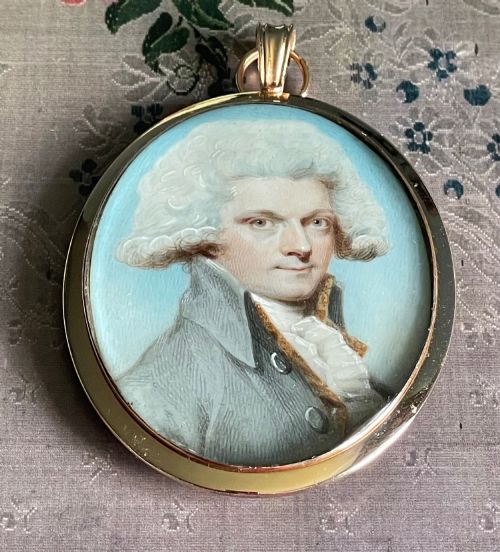
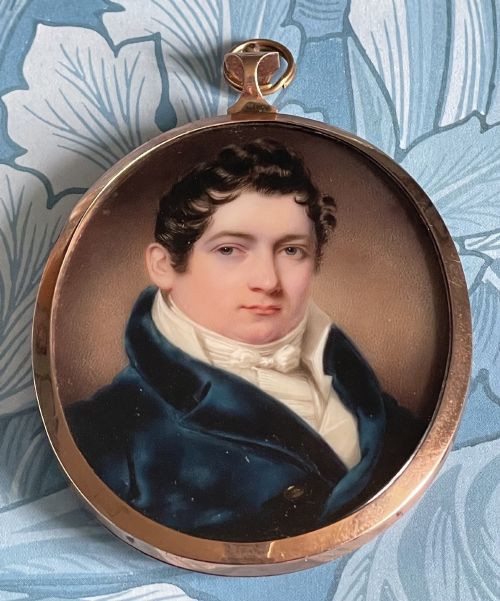
An antique miniature locket holds a painted portrait close, offering a personal window into the 18th and 19th centuries.
Antique Miniature Locket
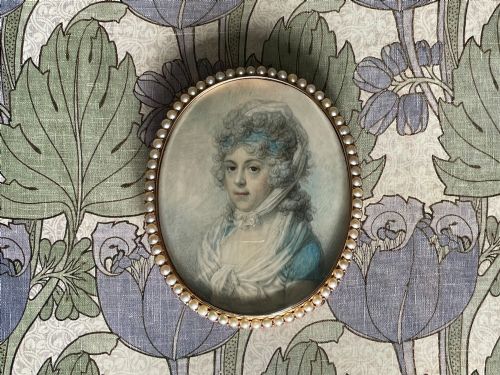
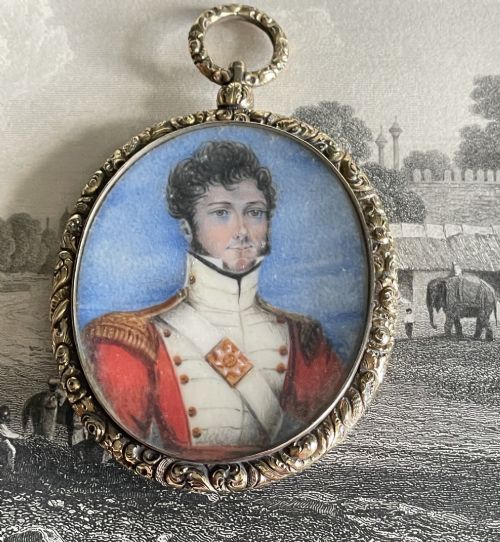
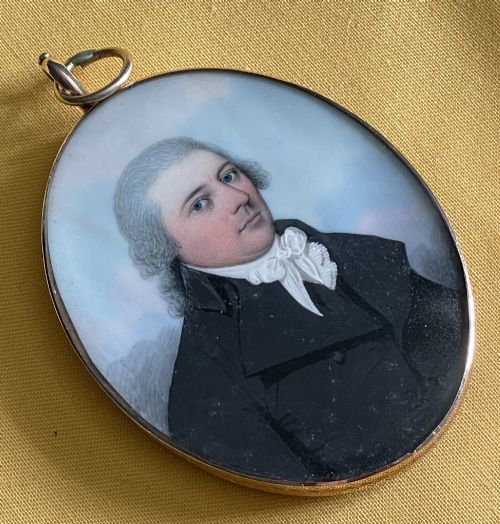
The subjects range from named gentlemen and ladies to military officers and family groups, captured in delicate detail. Buyers frequently encounter gold frames, silver gilt mounts, and enamel work surrounding the central painted image. These items function as both personal mementos and portable works of art.
How they were made
Artists painted these miniature portraits using watercolour, pigment, or enamel, frequently working on ivory, vellum, glass, or agate panels. The reliance on fine brushwork demanded immense precision given the small scale of the canvas.
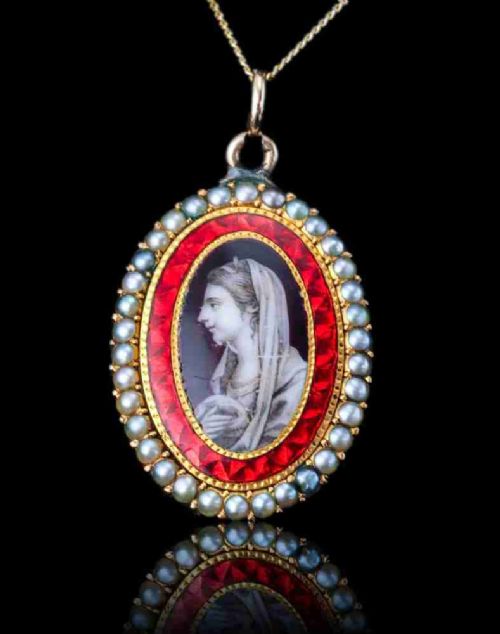
Metalworkers housed these delicate paintings in frames of 14K gold, 18K gold, 9ct gold, gilt metal, or silver. Pearls and enamel embellishments often decorated the outer edges of the locket or pendant structure.
Materials span gold, silver gilt, glass, ivory, enamel, vellum, pigment, and agate panels.
What varies in quality
The finesse of the brushwork dictates the artistic merit of the portrait, separating skilled likenesses from simpler renderings. Painters achieved remarkable depth and expression through controlled application of watercolour or enamel.
The choice of housing matters equally, with heavier gold frames and intricate pearl or enamel borders representing superior craftsmanship. The preservation of the glass, panel, and backing contributes significantly to the integrity of the piece.
Henry Bone ARA·Charles Shirreff·Richard Cosway·John Miers·John C D Engleheart·Frederick Buck·William Wood·Charles Hayter·Christian Friedrich Zincke·Nicolas Freese·Elizabeth Hudson·George Engleheart·James Ferguson·Emma Kendrick·William Grimaldi·Henry Jacob Burch·Isaac Wane Slater·AE Chalon·John Barry·Meyle & Mayer
The Antique Miniature Locket Glossary
- Miniature painting
- A small-scale artwork, typically a portrait, executed with fine detail on surfaces such as ivory, vellum, or card.
- Enamel
- A glassy substance fused to metal through firing, utilised here for colourful portraits and decorative frame details.
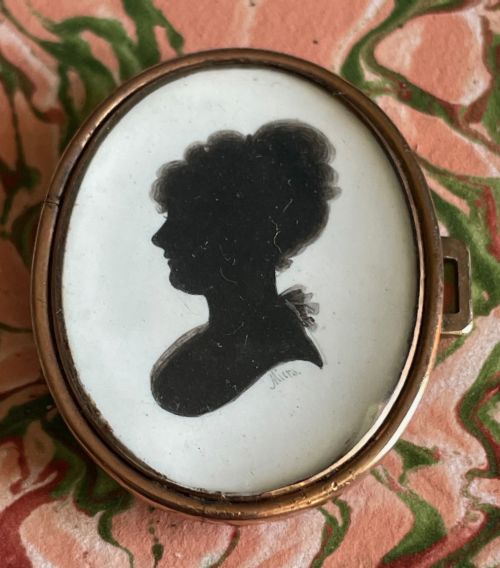
- Silhouette
- A solid black profile portrait, often cut from paper or painted on glass or card during the Georgian era.
- Gilt metal
- A base metal coated with a thin layer of gold to give the appearance of solid precious metal.
- Pendant
- An ornament that hangs from a necklace chain, frequently adapted to hold a miniature painting or locket compartment.
Antique Miniature Locket: Frequently Asked Questions
What is an antique miniature locket?
An antique miniature locket is a small piece of jewellery designed to hold a painted portrait, silhouette, or photograph. These items were often worn as pendants on necklaces during the Georgian, Regency, and Victorian periods.
The miniature paintings inside were created by skilled artists using watercolour, enamel, or pigment on materials like ivory, glass, and vellum.
How were antique miniature lockets worn?
People wore these pieces primarily as pendant necklaces suspended from chains around the neck. They served as intimate personal adornments and keepsakes.
Some designs functioned as brooch and pendant combinations, allowing the owner to pin the locket to clothing or suspend it from a ribbon.
What materials are used in these lockets?
Frames are commonly forged from 9K, 14K, or 18K gold, as well as silver gilt and various gilt metals. Enamel work and split pearls frequently decorate the outer bezels.
The internal portraits feature watercolours, pigments, and enamels applied to ivory, glass, agate panels, or vellum.
How do I date a miniature locket?
Dating relies on the artistic style of the portrait, the costume of the sitter, and the construction of the metal frame. Georgian pieces often feature simpler gold bezels, while Victorian and Edwardian examples incorporate richer enamel and pearl work.
Signatures or inscriptions by known artists also provide a precise timeframe for the creation of the painted miniature.