


Military Officer Artwork
Military officer artwork captures the commanding presence of historical commanders and servicemen through detailed portraiture.
Military Officer Artwork
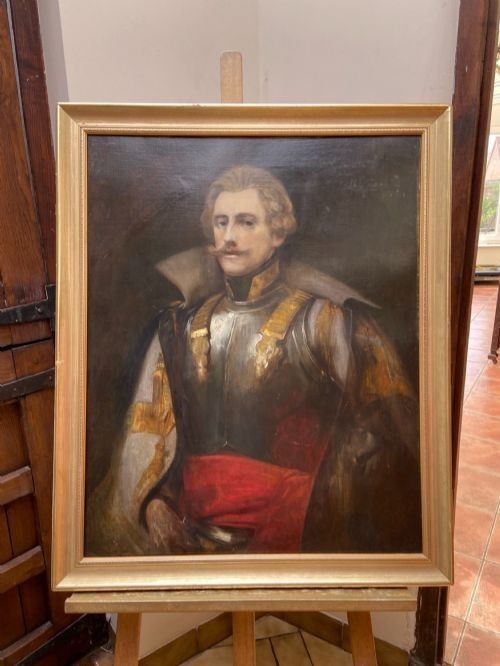
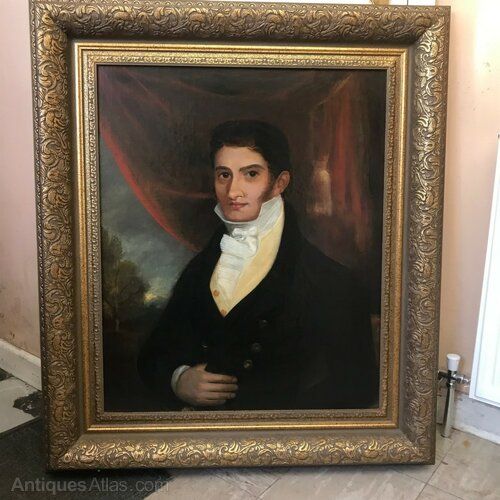
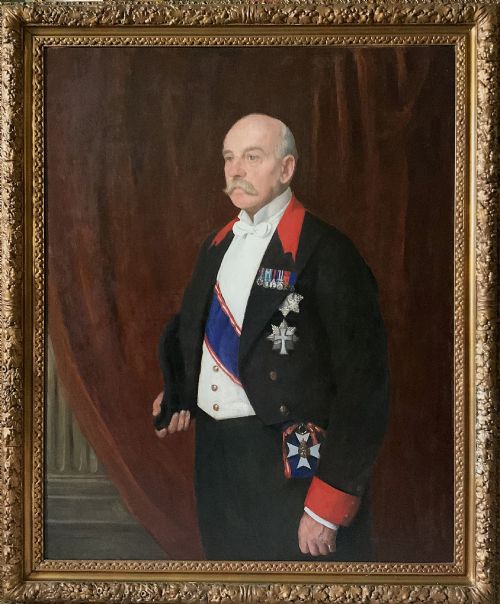
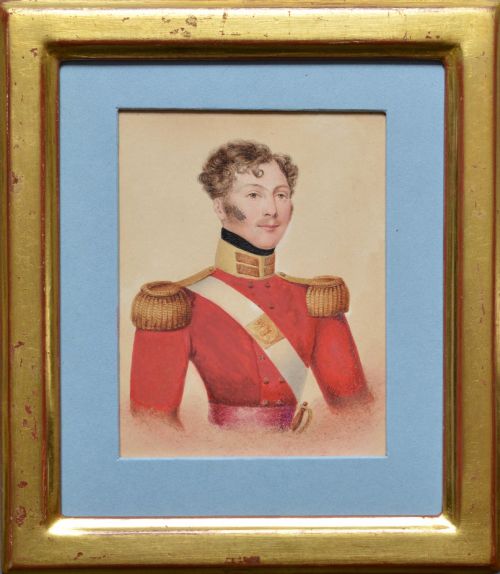
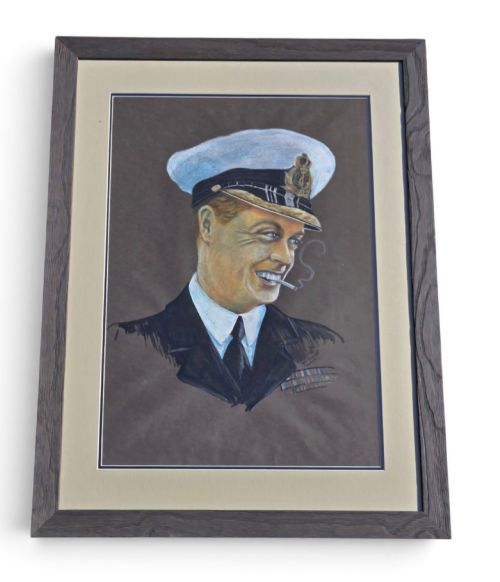
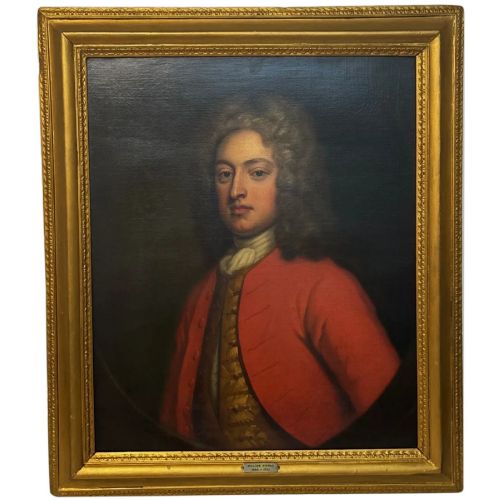
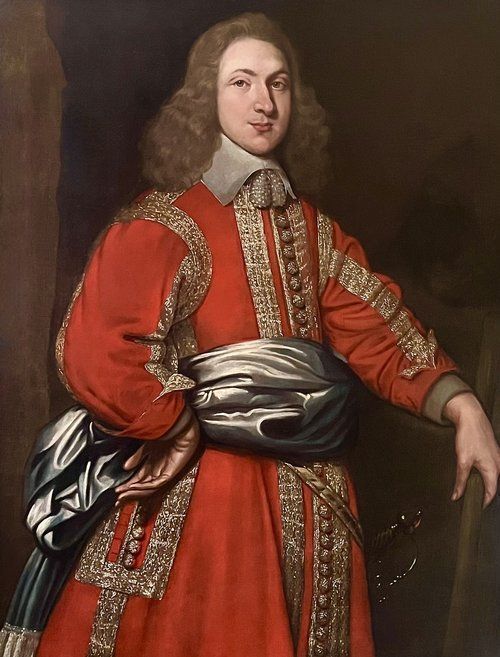
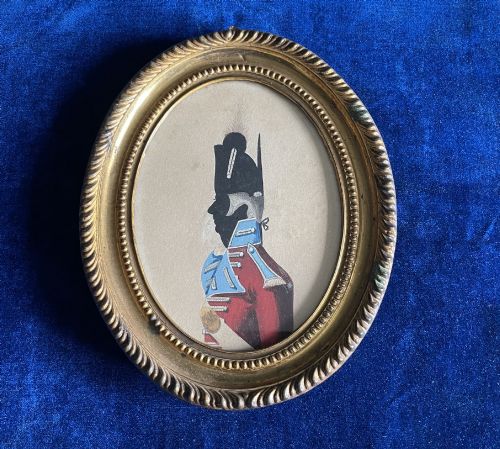
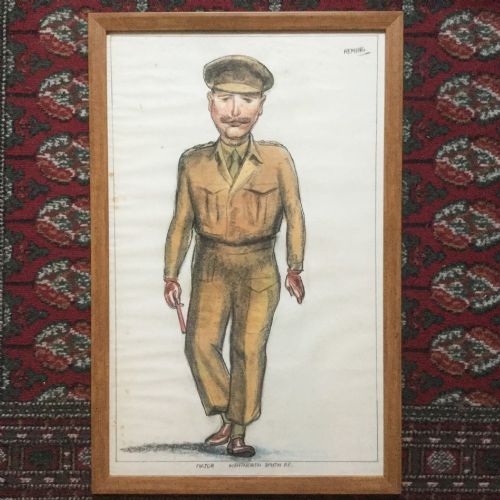
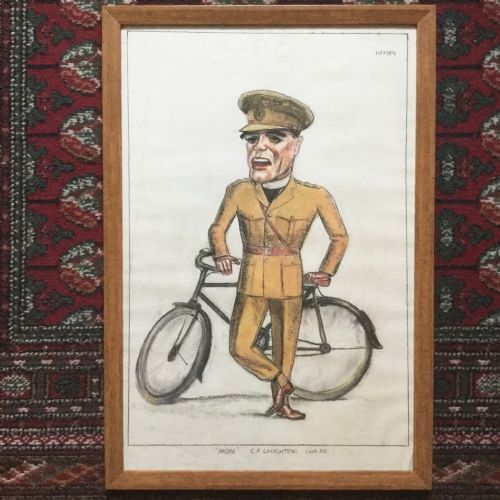
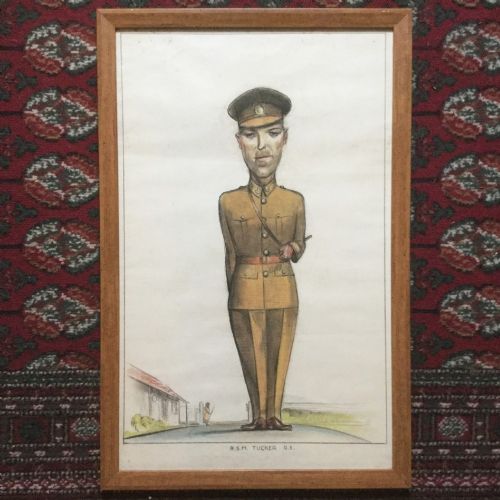
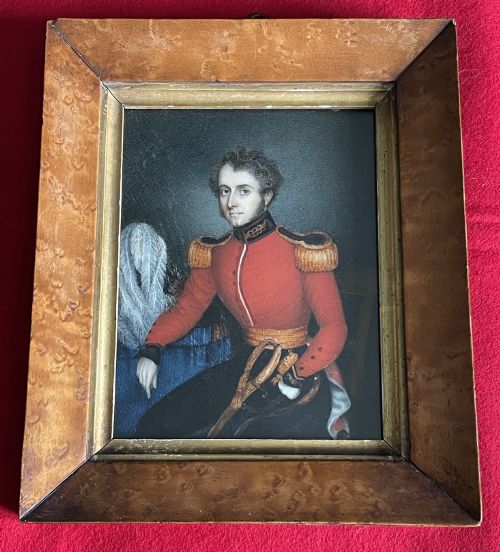
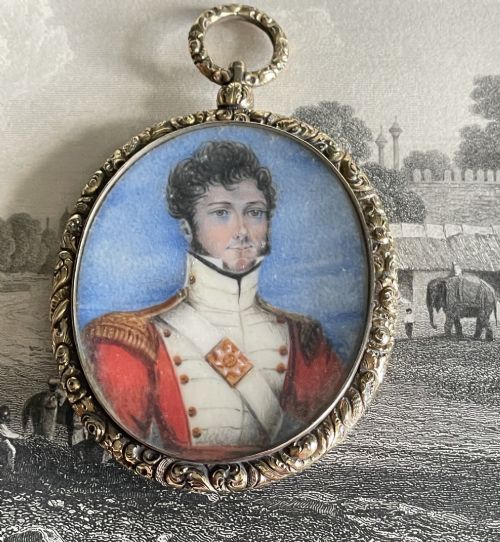
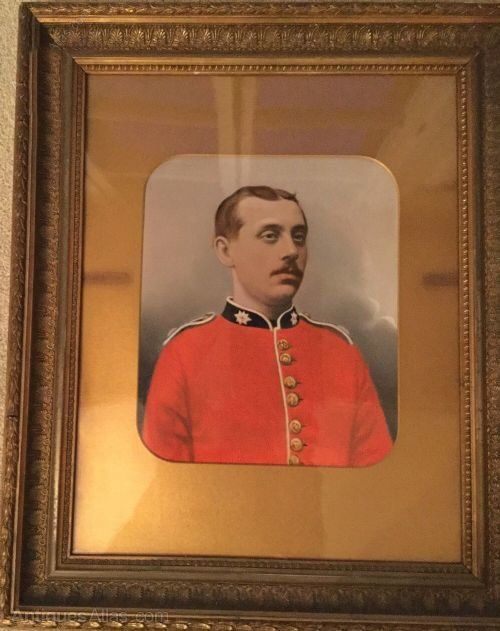
Military officer artwork spans centuries of portraiture depicting individuals from naval, cavalry, and infantry regiments in formal uniforms. These pieces range from grand oil paintings on canvas to intimate miniature watercolours and pastel sketches.
Buyers will encounter formal depictions of named historical figures alongside evocative studies of anonymous servicemen from various European and British schools. The selection covers everything from large framed statement pieces to delicate agates and prints.
Materials and methods
Artists primarily utilised oil on canvas for substantial portraits, building rich colour layers for uniforms and medals. Smaller works often relied on paper, wood, or delicate agate panels.
Watercolour, pastel, and gouache were frequently employed for direct studies and wartime sketches, while period engravings offered reproducible likenesses.
Listings feature works spanning from the seventeenth century through the twentieth century, incorporating media such as oil, pastel, watercolour, and engraved prints.
Assessing quality
The distinction between ordinary and exceptional pieces lies in the precision of uniform detailing, facial expression, and the handling of light on regimental regalia. Superior works convey individual character alongside strict military hierarchy.
The integrity of the original frame, particularly period giltwood examples, and the documented identity of the sitter often elevate the standing of a piece.
Sir Thomas Lawrence·Edward Pugh·Albert Ferdinand Le Dru·Aubrey Sykes·John Simmons
The Military Officer Artwork Glossary
- Oil on canvas
- Pigments bound in a drying oil applied to a stretched fabric support. This traditional medium allowed artists to achieve deep tones and lasting durability.
- Miniature portrait
- A small, highly detailed painting usually executed on ivory, vellum, or paper. These portable likenesses were frequently mounted in gold or precious metal cases.
- Giltwood
- Wood carved and covered with a thin layer of gold leaf. Such frames often provide vital clues to the original period of the artwork.
- Pastel
- A medium consisting of powdered pigment and a binder rolled into sticks. It produces vibrant, matte colour surfaces that require protective glass framing.
- Gouache
- An opaque water-based paint mixed with a white pigment filler. It creates flat, solid areas of colour well suited to detailed uniform illustrations.
Military Officer Artwork: Frequently Asked Questions
How do I identify the regiment?
Examine the visible uniform colours, collar badges, and lace patterns depicted in the artwork. Regimental histories and historical dress regulations often help match these specific details to a particular unit.
Medals and shoulder belt plates provide further chronological markers that narrow down the service branch and active campaign periods.
Are these portraits always named?
Many surviving pieces record the sitter's identity on the canvas, stretcher, or accompanying frame plaques. Inscriptions often detail names, ranks, and regiments.
Unidentified portraits remain common, valued instead for their artistic execution and representative uniform style of a specific era.
How should I hang them?
Display these artworks away from direct sunlight to protect sensitive watercolours and oil pigments from fading. Stable indoor humidity levels prevent the canvas and wooden frames from warping.
Pairing pieces with similar period frames creates a cohesive wall display in studies or libraries.
What is the difference between an oil and a pastel?
Oil paintings utilise slow-drying paint on canvas, offering rich depth and texture that withstands environmental changes better. Pastels use dry pigment sticks on paper, yielding a soft, velvety finish.
Pastel works require secure glass protection to prevent the loose pigment from dusting off over time.