

Gold Frame Canvas Art
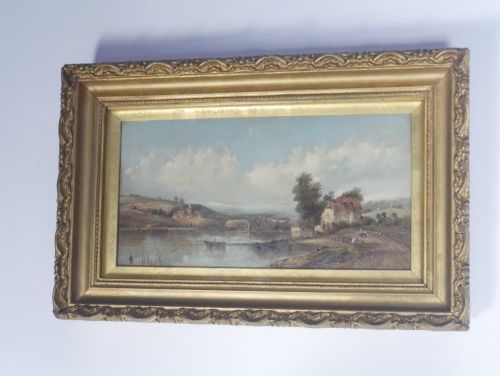
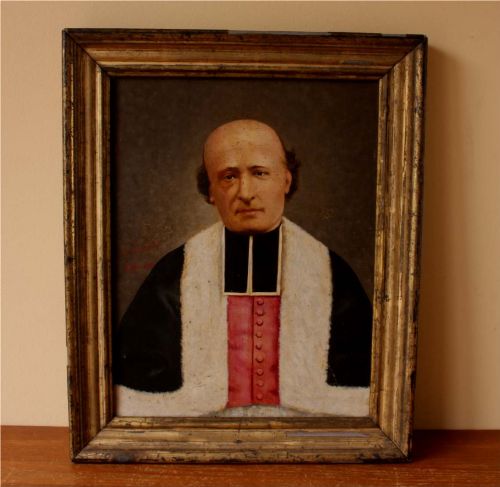
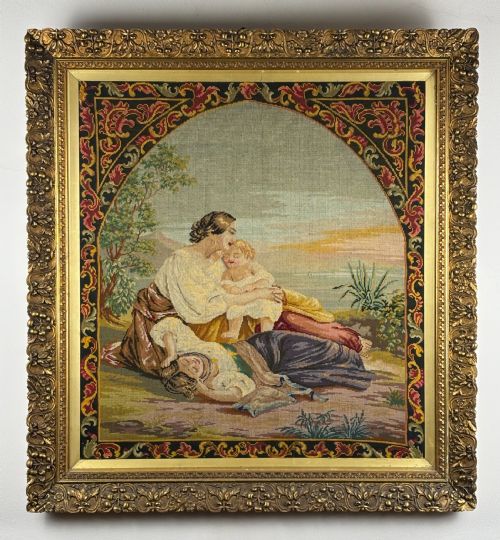
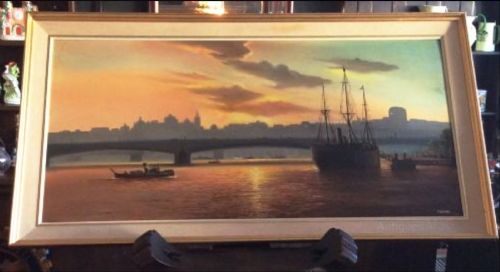
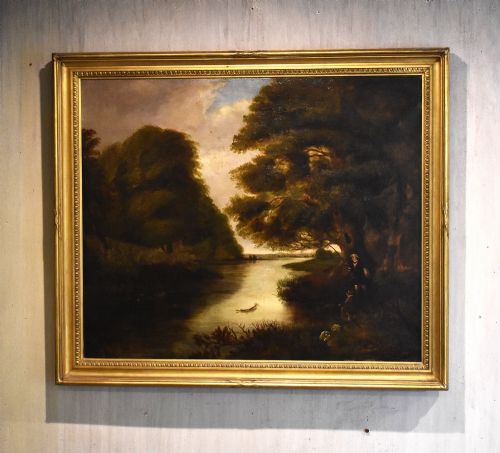
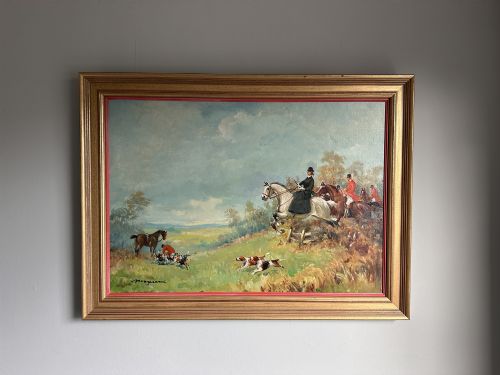
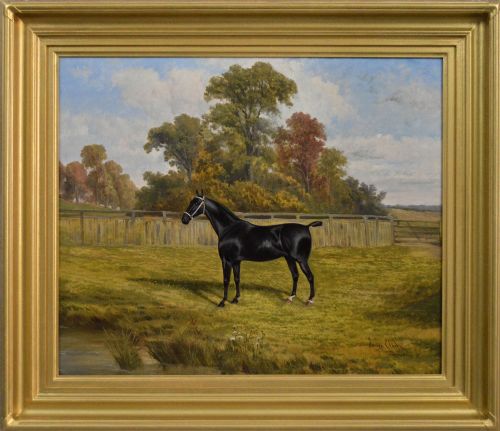
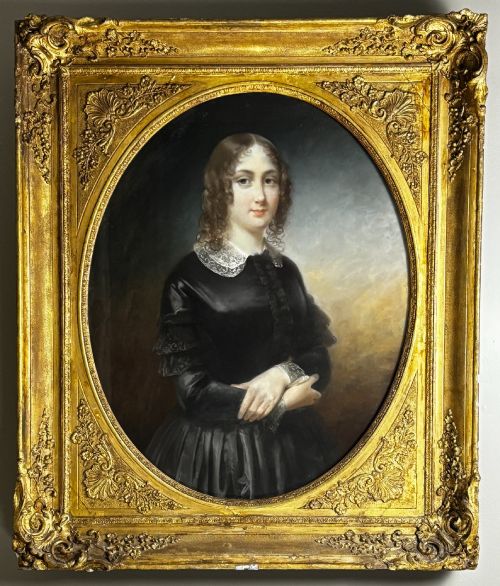
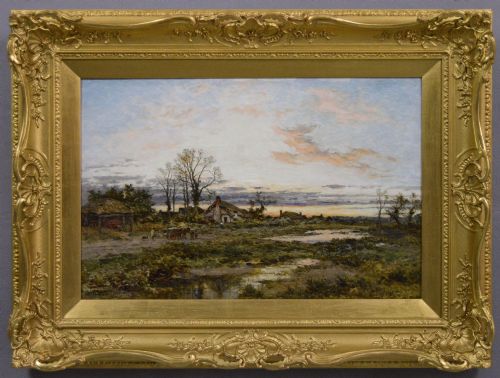
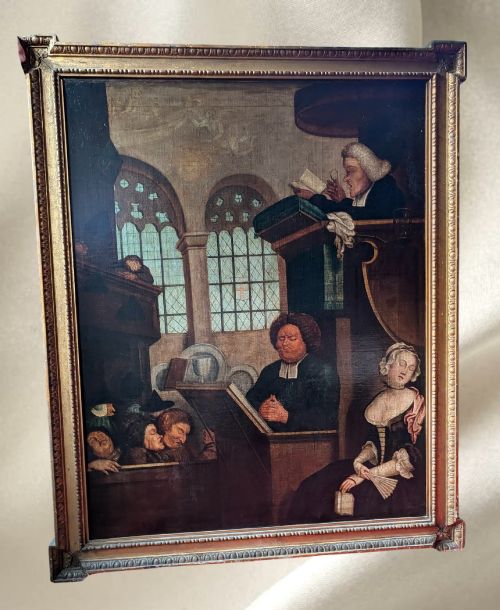
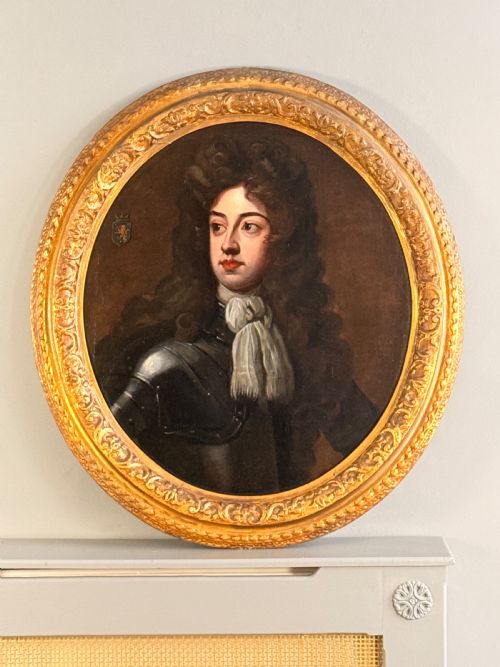
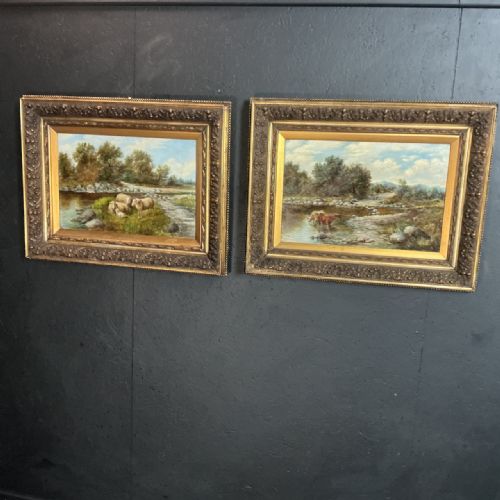
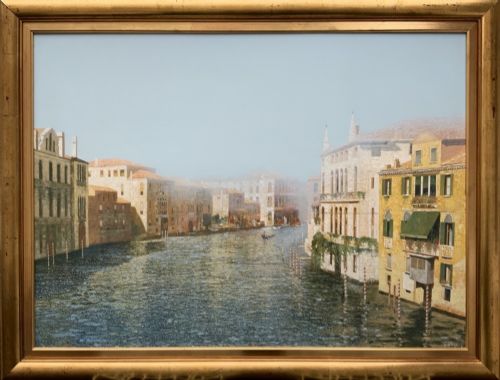
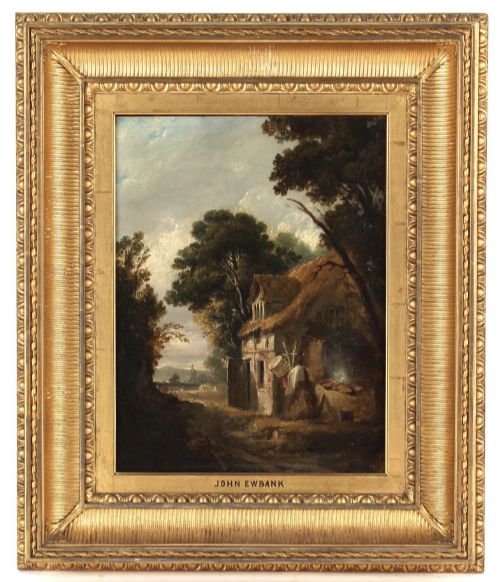
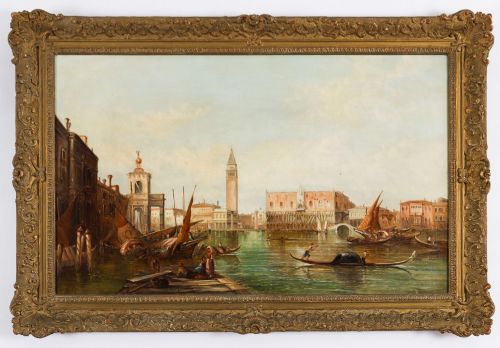
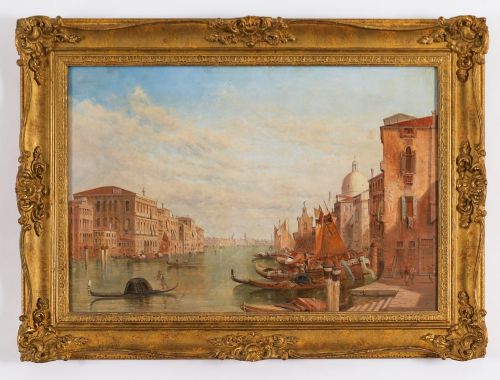
When you search for gold frame canvas art, you look for oil paintings on stretched canvas enclosed in gilt wood settings spanning multiple centuries.
Gold Frame Canvas Art
Gold frame canvas art comprises oil paintings executed on canvas supports and housed within wooden surrounds finished in gold leaf or gilt. These works span from the seventeenth century through the mid-twentieth century, capturing portraits, landscapes, and still life scenes.
Buyers encounter British, French, Flemish, and Bavarian schools amongst the listings, reflecting diverse European artistic traditions. Frames vary from heavy moulded giltwood to simpler gilded wooden profiles created to complement the canvases they enclose.
What Varies in Quality
The refinement of brushwork and the anatomical accuracy of figurative subjects separate master execution from standard workshop output. Hand-carved detailing on the wooden frames also indicates the level of craftsmanship invested in the presentation.
Provenance and attribution to documented painters elevate individual works above anonymous school pieces from the same era. The preservation of the original gilt surface on the frame relative to the canvas condition determines the overall integrity of the piece.
Gold Frame Canvas Art Retail Price Guide 2026
Typical asking prices for gold frame canvas art among the pieces listed under this phrase on Sellingantiques today, from the lower quarter to the upper quarter. They describe what is for sale here now, not the wider market.
Listings feature works spanning the 17th Century through the 1950s, utilising oil paint, canvas, wood, and gold leaf.
Sir Joshua Reynolds·Charles-Antoine Coypel·Jean-Baptiste Van Loo·Sir Peter Lely·Sir Godfrey Kneller
The Gold Frame Canvas Art Glossary
- Giltwood
- Wood carved and subsequently coated with gold leaf or a gold-colored metallic finish. This material forms the ornate borders common in historical picture framing.
- Oil on Canvas
- A painting technique utilising pigments suspended in a drying oil medium applied to a woven fabric stretched over a wooden frame. This combination allows for rich colour blending and long-term durability.
- Baroque
- An artistic style prevalent in the seventeenth and eighteenth centuries characterised by dramatic movement and grandeur. Works from this period emphasise intense emotional expression.
- School
- A group of artists working in a particular region or following the style of a specific master during a given era. Attributions often reference these regional traditions when a specific creator remains unknown.
- Portraiture
- The representation of a particular person, frequently capturing likeness, personality, and social status. These depictions form a substantial portion of historical painting output.
Gold Frame Canvas Art: Frequently Asked Questions
How do I date a canvas?
Dating relies upon stylistic analysis of the subject's clothing, the method of canvas preparation, and historical records associated with the artist. Frame construction and joinery techniques also offer clues to the period of creation.
Examinations of the stretcher frames and nail types at the back provide additional confirmation for the era in which the work was assembled.
What is school attribution?
An attribution to a specific school indicates that an anonymous artist worked within the geographic region and stylistic tradition of that designated place and time. It denotes cultural origin rather than personal authorship by a named master.
These works reflect the prevailing techniques and aesthetic standards taught within regional European workshops during centuries past.
How should I hang these paintings?
These works require secure wall fixings capable of supporting the combined weight of the heavy wooden frame and canvas. Position them away from direct sunlight and heat sources to protect the oil pigments and gilt surfaces.
Maintain stable indoor humidity levels to prevent the wooden stretchers and frames from warping over time.
Can I clean the gilt frame?
Dusting with a soft, dry brush removes surface particles without disturbing the delicate gold leaf application. Avoid liquid cleaners and chemical solvents, which strip away historical gilding.
Professional conservators should handle any deep cleaning or restoration required for aged metallic surfaces.