



Gold Fireplace Chenets
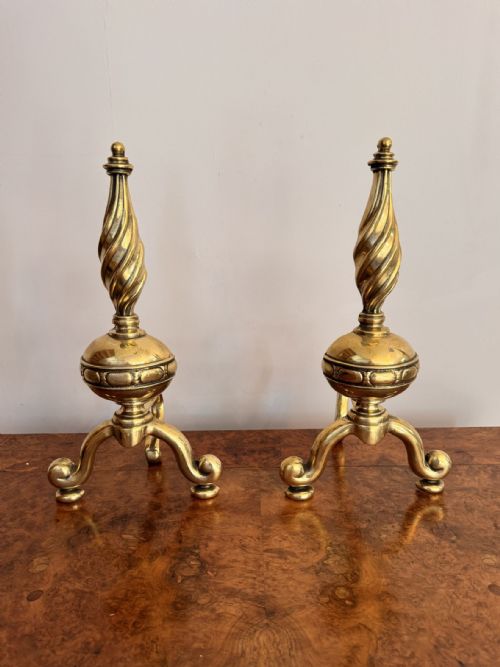
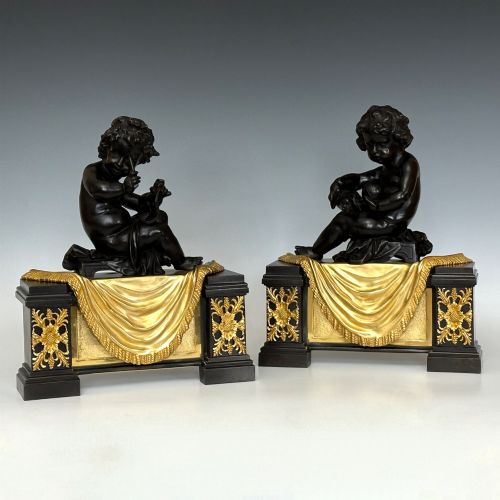
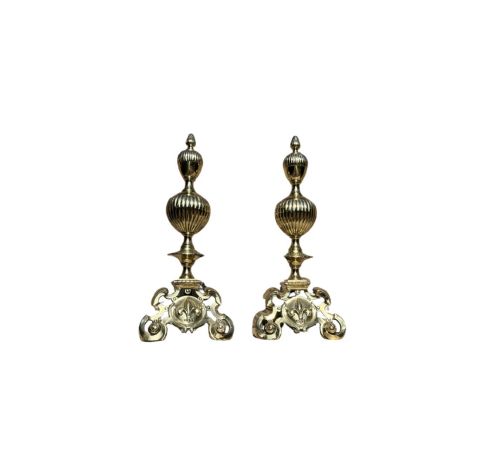
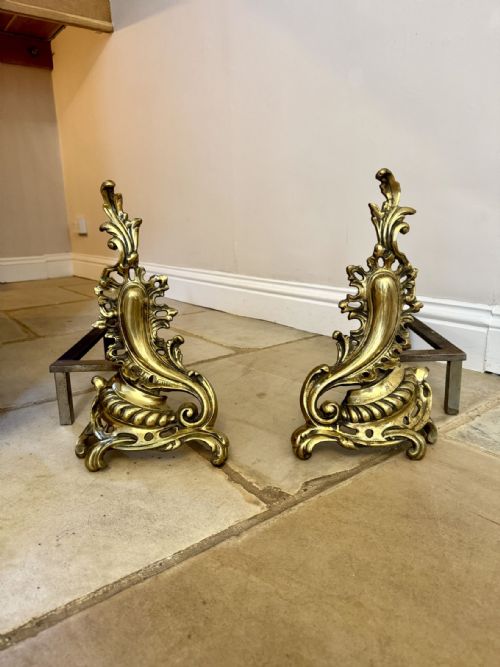
Gold fireplace chenets are hearth furnishings that bring warmth and metal lustre to a fireplace, and these examples span French Rococo and Victorian tastes.
Gold Fireplace Chenets
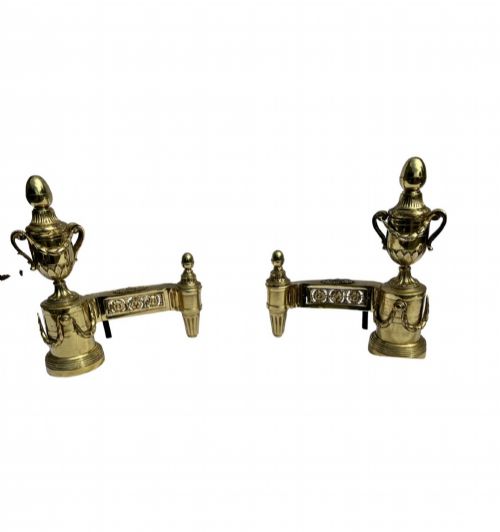
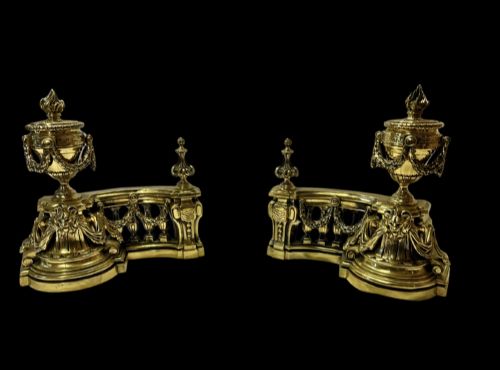
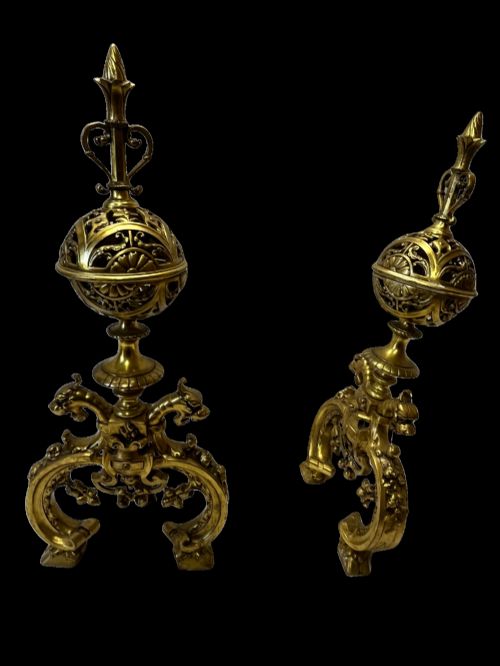
Gold fireplace chenets, also known as fire dogs or andirons, form the metal supports used within a hearth to hold logs above the floor for better airflow. When you search for gold fireplace chenets, you encounter heavy decorative metalwork designed to sit at the front of an open fire.
The pieces listed here appear in styles such as French Rococo, Victorian, and Regency, drawing on periods from the eighteenth century through to nineteen hundred. Most examples take the form of paired French or Victorian designs, frequently rendered in cast brass, ormolu, and gilt bronze.
Originating largely from French workshops and British Victorian makers, these accessories serve both a functional hearth purpose and a decorative role in period interiors. The selection leans heavily towards nineteenth-century interpretations of earlier Louis styles.
Materials and construction
Makers utilised cast brass, bronze, and iron to build the robust core structures required to withstand hearth heat. Many examples combine cast bronze elements with detailed ormolu or gilt finishes, creating the characteristic golden sheen across the front mounts.
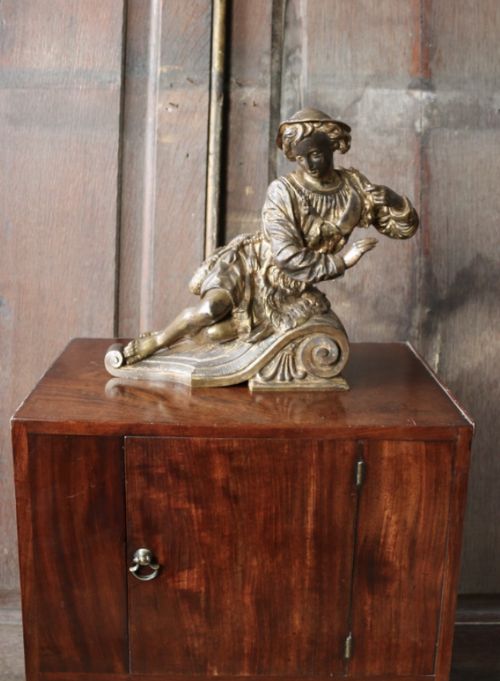
Techniques relied on skilled foundry casting followed by meticulous hand chasing and mercury gilding or modern electrogilding methods. Patinated bronze often contrasts against polished gilt bronze sections to highlight sculptural figures and scrollwork.
Some nineteenth-century makers cleverly built adjustable fender forms into the design, letting fire guards hug the hearth just so.
Markers of quality
The distinction between standard hearth hardware and superior pieces rests on the crispness of the metal casting and the depth of the chasing. Finer chenets exhibit sharply defined acanthus leaves, figures, and scrollwork without softening in the details.
Weight and structural substance separate substantial pairs from lighter productions, as does the quality of the original fire gilding or ormolu surface. Pairs that retain their matching components and adjustable widths demonstrate superior original design.
The Gold Fireplace Chenets Glossary
- Chenet
- A French term for fire dog or andiron used to support logs in an open fireplace. They typically feature an ornate decorative front facing the room.
- Ormolu
- Finely ground high-carat gold applied to a bronze object using a mercury amalgamation technique. This finish provides the characteristic rich golden glow found on period pieces.
- Andiron
- A horizontal metal support raised on legs, used in pairs to hold firewood in a hearth. The front upright often displays sculptural ornamentation.
- Patinated bronze
- Bronze that has acquired a surface coloration through age or chemical treatment. This dark finish often contrasts with gilded highlights on decorative mounts.
- Rococo
- An ornate design style characterised by asymmetrical scrolls, C-scrolls, and naturalistic shell motifs. It heavily influences many nineteenth-century French hearth accessories.
Gold Fireplace Chenets: Frequently Asked Questions
What are gold fireplace chenets used for?
These metal supports sit inside an open hearth to keep logs elevated above the floor, allowing air to circulate underneath for a better fire.
Beyond their practical function, the decorative front standards remain visible in the room to add visual warmth and metallic colour to the fireplace surround.
Are these chenets suitable for a working fire?
Many period pieces feature sturdy iron and bronze construction designed to withstand the heat of an active hearth.
However, valuable gilt surfaces require care to prevent smoke staining or heat damage, leading many owners to use them purely for decorative display.
How can I tell a French chenet from a Victorian one?
French examples often lean towards Rococo or Louis XV scrollwork with cast bronze figures, reflecting continental design houses.
Victorian pieces made in Britain frequently utilise heavier cast brass and reflect domestic interpretations of classical or revival styles.