


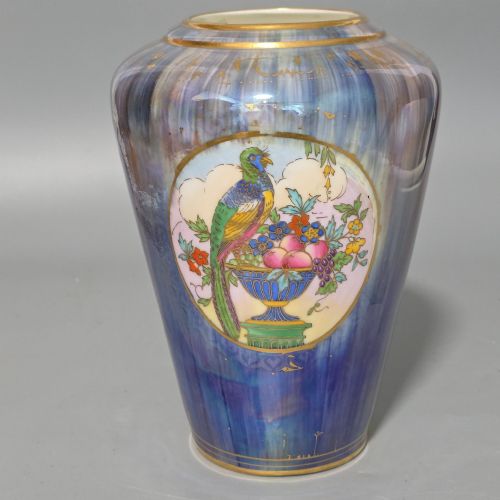

Gold Decorative Ceramic Urns
Gold decorative ceramic urns bring classical form and metallic brilliance to an interior, uniting porcelain and earthenware with rich gilding.
Gold Decorative Ceramic Urns
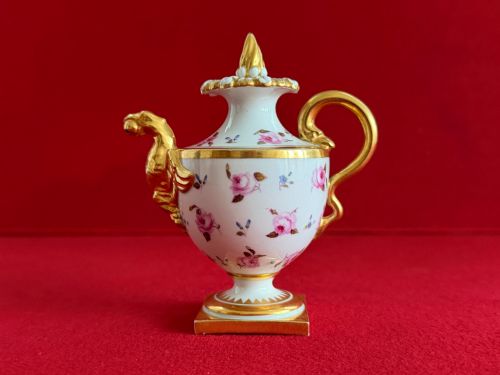
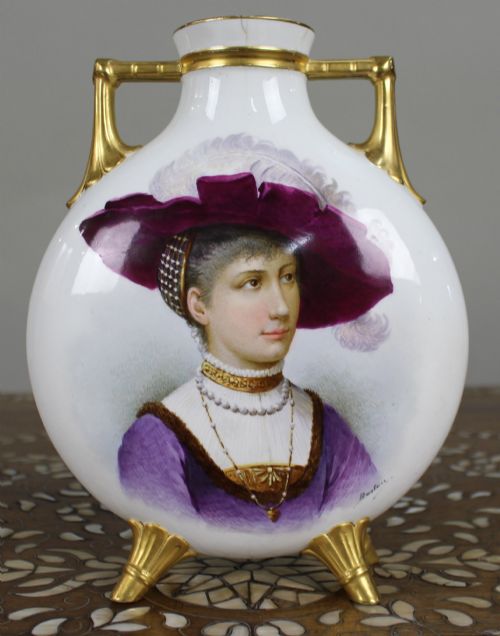
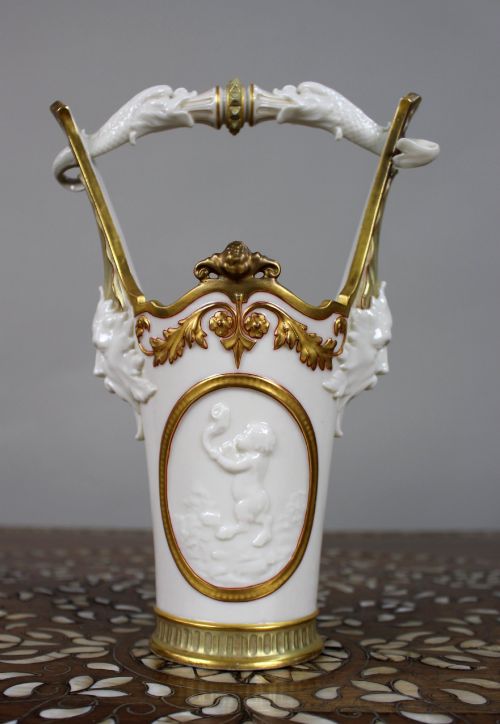
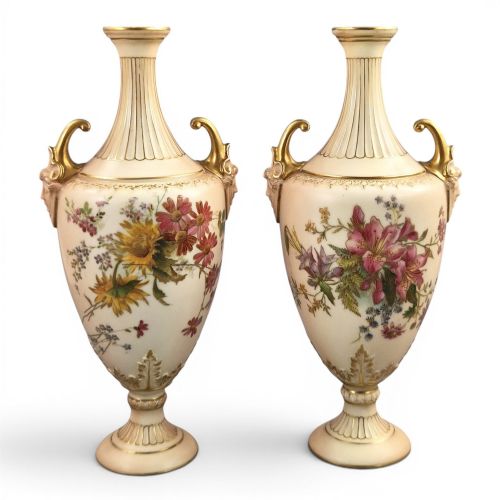
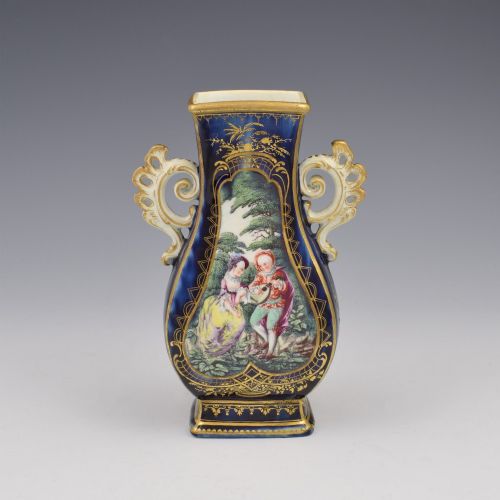
Gold decorative ceramic urns encompass heavily gilt porcelain and earthenware vessels produced across the nineteenth and twentieth centuries. These pieces take the form of campagna urns, moon flasks, garnitures, and jardinieres designed primarily for visual display rather than utility.
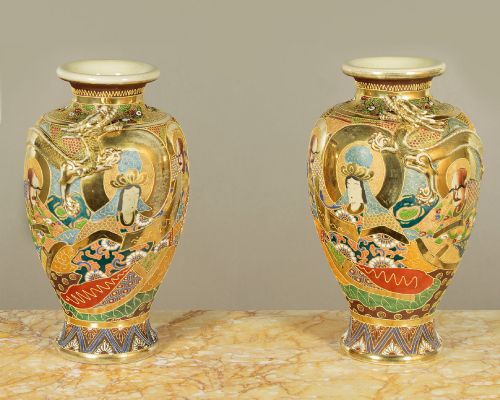
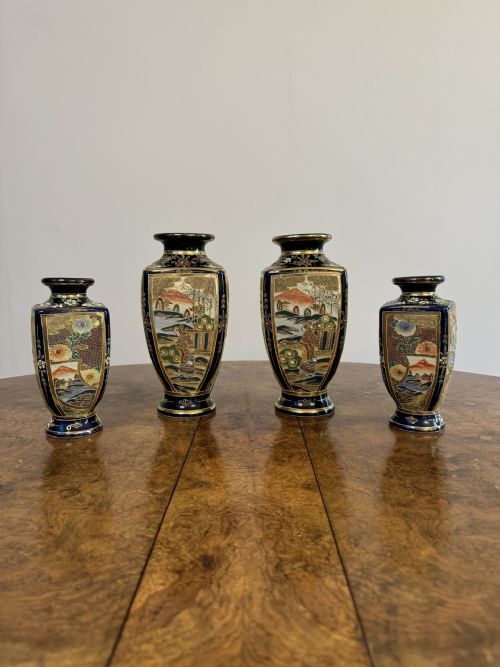
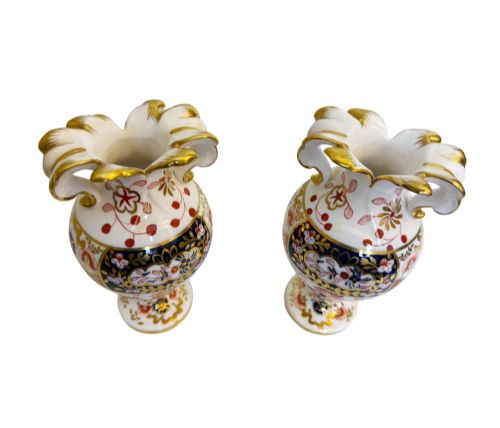
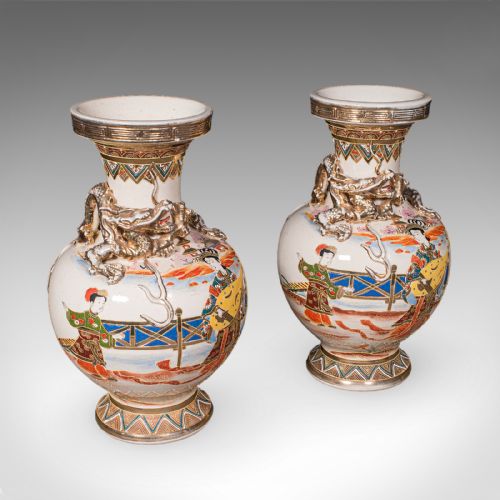
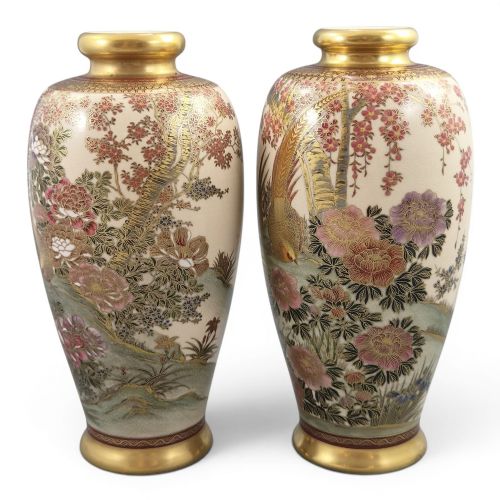
English factories such as Worcester, Spode, and Coalport contribute neoclassical shapes finished with extensive gilding and hand-painted scenes. Alongside these sit Japanese Satsuma wares from the Meiji period, characterised by dense hand-painted panels and heavy raised gold detailing.
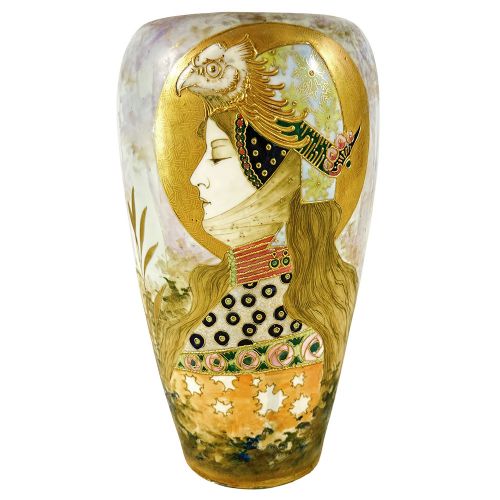
European makers from Austria and Germany also appear, bringing Art Nouveau styling and lustre glazes to earthenware bodies. The selection spans formal Regency cabinet pieces down to domestic Edwardian floral vases and later twentieth-century pot pourri designs.
Materials and construction
The foundation of these vessels relies on porcelain or earthenware bodies shaped into baluster, twin-handled, or campagna forms. Potters threw or moulded the clay before applying intricate ground colours like cobalt blue or blush ivory.
Decoration was achieved through hand-painted enamels combined with gold leaf, applied gilding, or lustre glazes. Artisans often utilised moriage techniques on Japanese earthenware to build raised relief patterns beneath the gold finish.
Some nineteenth-century makers hid tiny hand-painted storks inside their floral vases, giving observant buyers a quiet avian surprise.
Distinctions in quality
Quality rests on the precision of the hand-painted brushwork and the density and purity of the gilding. Master painters working for major potteries produced intricate figural or botanical scenes that elevate a piece beyond standard factory output.
The crispness of moulded details and the complexity of decorative techniques, such as raised gold moriage or layered enamel work, separate standard production items from exhibition-grade works.
Royal Worcester·Flight Barr And Barr·Spode·Coalport·Kinkozan·William Moorcroft
The Gold Decorative Ceramic Urns Glossary
- Campagna urn
- A bell-shaped classical urn with a pedestal foot, widely produced in porcelain during the nineteenth century. These vessels often feature twin handles and rich gilt decoration.
- Moriage
- A Japanese ceramic technique using clay slip piped onto the surface to create raised decorative motifs, frequently highlighted with gold leaf. This method gives Satsuma ware its characteristic tactile quality.
- Garniture
- A set of three or more matching vases designed to be displayed together on a mantelpiece or sideboard. They often share a uniform decorative theme in enamel and gold.
- Moon flask
- A flattened circular ceramic flask with a narrow neck and small foot, typically mounted with side handles. These pieces provide a broad surface for detailed hand-painted scenes.
- Lustre glaze
- A metallic glaze finish that creates an iridescent sheen across the ceramic surface. This technique produces shimmering gold and bronze optical effects.
Gold Decorative Ceramic Urns: Frequently Asked Questions
How do I identify Satsuma ware?
Satsuma wares are earthenware pieces featuring a characteristic cream-coloured, crackle-glaze finish painted with polychrome enamels and heavy gold. They frequently originate from the Meiji period and depict traditional figures, landscapes, or floral patterns.
Many pieces carry painted or impressed maker marks on the base, indicating specific workshops such as Kinkozan or Hododa. The presence of raised moriage work further distinguishes finer examples.
What is a campagna urn?
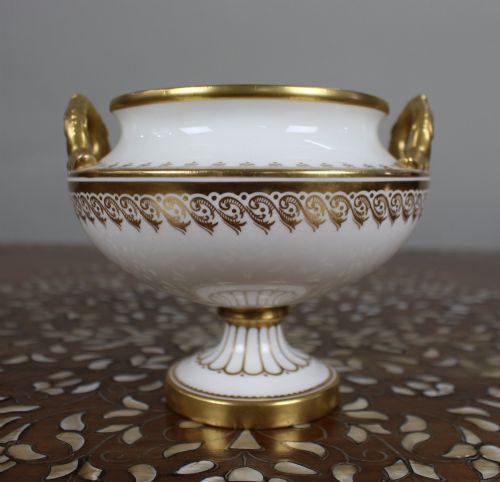
A campagna urn is a classical vase form modelled after ancient Roman stone vessels discovered at archaeological sites. Nineteenth-century English porcelain factories adopted this shape for decorative garnitures and mantel ornaments.
These urns feature a wide bowl tapering to a pedestal base, usually fitted with scrolled twin handles. Painters often decorated them with floral panels or classical landscapes set against a gilt ground.
Where were English porcelain urns made?
Significant English porcelain urns and vases were produced by historic factories including Worcester, Spode, Coalport, and Minton. These firms operated during the Georgian, Regency, and Victorian periods.
Pieces from these potteries often bear specific factory script or impressed marks beneath the glaze. They reflect changing tastes from neoclassical reserve to ornate Victorian floral painting.