
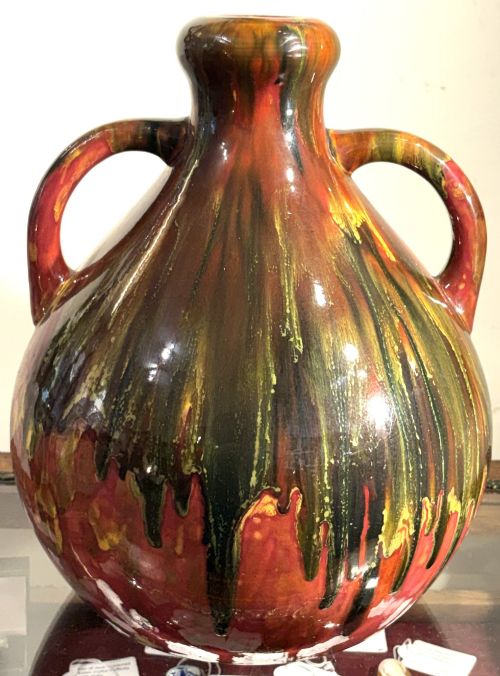
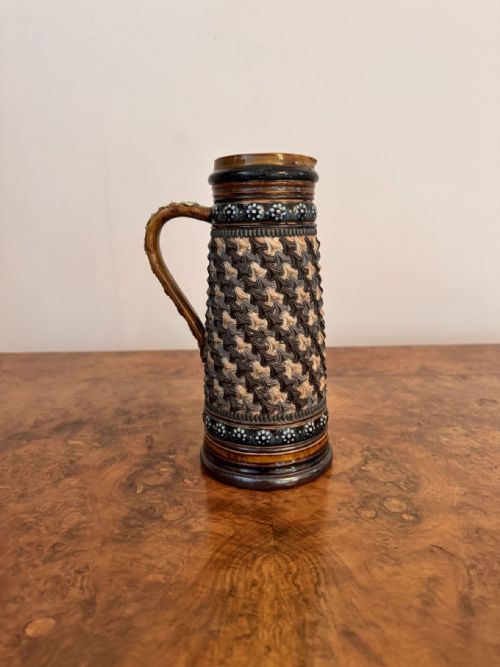
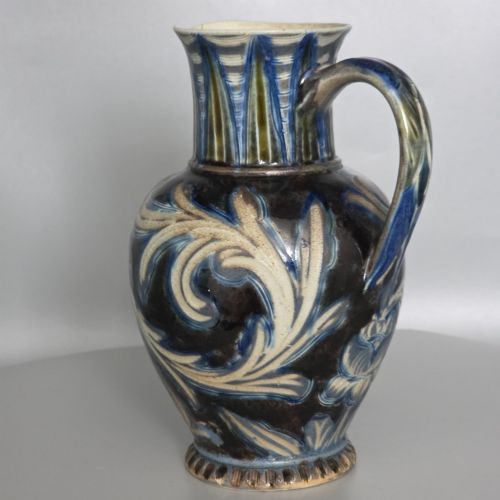
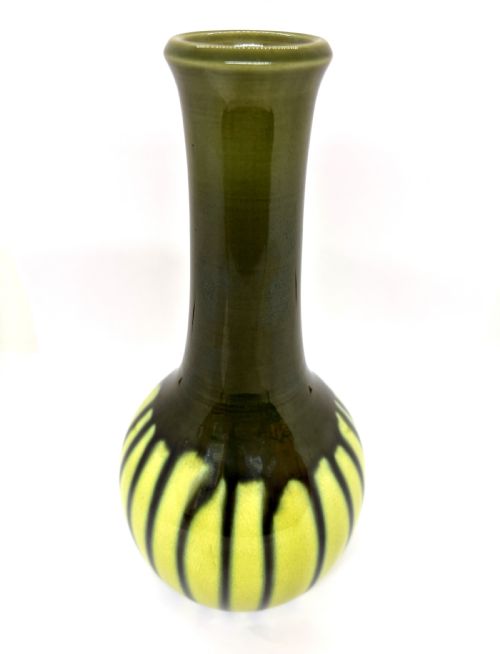


Victorian Art Pottery Vessel
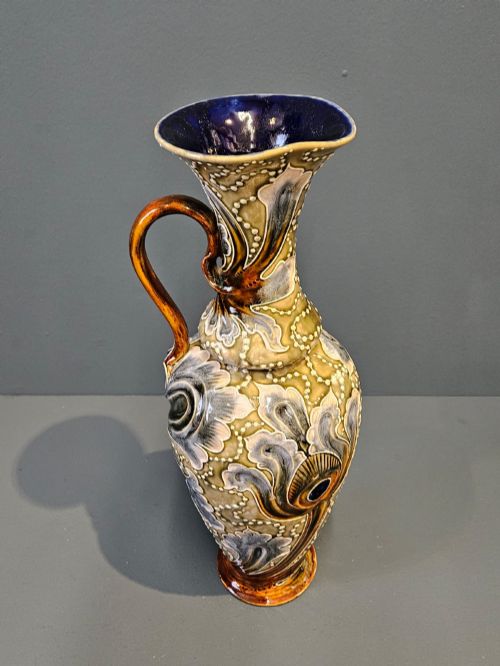
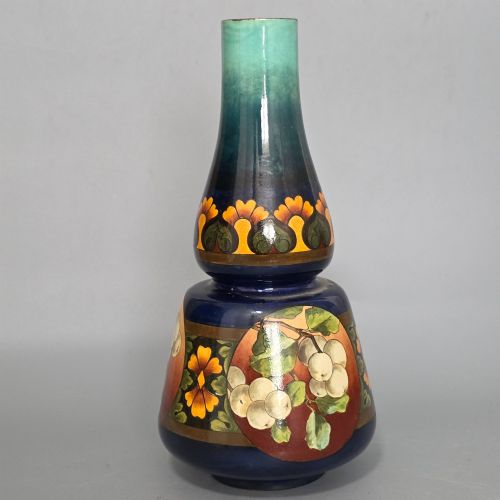
These pieces of Victorian art pottery vessel expression combine robust ceramic forms with elaborate hand-modelled glazes characteristic of late nineteenth-century British and continental kilns.
Victorian Art Pottery Vessel
A victorian art pottery vessel typically takes the form of a vase, jug, pitcher, jardiniere, or ewer intended for display rather than domestic service. Makers produced these utilitarian-turned-decorative objects in diverse silhouettes ranging from tall twin-handled urns to stout beakers and amphorae.
The selections on this page are dominated by British makers from the eighteen-eighties and eighteen-nineties, alongside continental examples. Stoneware and earthenware form the core of the physical evidence, often enhanced by specialised glazing techniques.
Collectors encounter distinct stylistic movements within these listings, principally Arts and Crafts and Art Nouveau designs. Pieces carry specific marks and incisions that link them directly to major potteries active during the Victorian era.
How they were made
Potters shaped these vessels using earthenware and stoneware bodies before applying layered glazes, enamels, or decorative slip. Some workshops utilised patented techniques such as Slaters Patent to impress textured patterns directly into the damp clay surface.
Decoration frequently involved hand-incision, pate-sur-pate, or painted slip work executed by named artists working within large potteries or private studio environments. Subsequent high-temperature firing fixed the vitreous finishes and metallic mounts, including silver rims attached to salt-glazed tygs.
Potters occasionally inscribed secret decorator monograms into bases, leaving future collectors to play detective in the kiln yards.
What varies in quality
The distinction between ordinary production pieces and superior examples rests upon the crispness of the modelled detail and the ambition of the surface decoration. Hand-painted or incised decoration by recognised studio artists elevates a piece far above standard factory output.
Makers' marks, artist monograms, and supplementary mounts like hallmarked silver rims indicate higher status in the hierarchy of these ceramics. Balance in form and depth of glaze colour further separate routine vessels from the finest surviving examples.
Burmantofts·Doulton Lambeth·Royal Doulton·Brannam Art Pottery·Royal Bonn·Mettlach
The Victorian Art Pottery Vessel Glossary
- Stoneware
- A hard, vitreous ceramic fired at high temperatures until non-porous. It accepts salt glazes and deep incisions particularly well.
- Earthenware
- Porous pottery fired at lower temperatures than stoneware. It requires an opaque or coloured glaze to hold liquids.
- Tyg
- A large drinking vessel featuring multiple handles designed for communal passing. Victorian iterations often adopted this historic form for purely decorative display.
- Faience
- Earthenware decorated with coloured glazes over an opaque tin-white tin enamel. It allowed potteries to achieve vibrant pictorial surfaces.
- Intarsio
- A complex underglaze printed and painted earthenware decoration developed to mimic inlaid wood or mosaic. It creates rich, multicoloured surface patterns.
Victorian Art Pottery Vessel: Frequently Asked Questions
How are these vessels dated?
Potters relied on impressed factory stamps, registration numbers, and individual artist monograms stamped into the base clay. Stylistic shifts between rigid Arts and Crafts motifs and flowing Art Nouveau tendril patterns also help narrow the decade of production.
Archival records for major firms like Doulton Lambeth provide specific chronological sequences for their decorators. Comparing a piece's specific glaze type and mark against known factory timelines confirms its era.
What is salt-glazing?
Salt-glazing is a technique where common salt is thrown into the kiln during high-temperature firing. The sodium reacts with the silica in the clay body to form a durable, glossy orange-peel texture.
This finish protects the stoneware body while leaving incised decoration crisp and legible beneath the glassy surface.
Were these pieces meant for daily use?
Most surviving examples functioned primarily as decorative ornaments rather than practical household items. Their intricate slip-trailing, delicate silver mounts, and elaborate painted scenes made them unsuited for heavy dining service.
Instead, Victorian households displayed them prominently on mantelpieces, in cabinets, or as umbrella stands in hallways.
How do I identify studio pottery marks?
Makers impressed their corporate crests into the damp clay underneath, often accompanied by cyphers unique to individual painters. Catalogues of Victorian pottery marks match these monogram initials to specific artists working in the factories.
Finding a decorator's personal signature alongside the standard factory stamp indicates a higher tier of studio production.