


Gold Carved Table
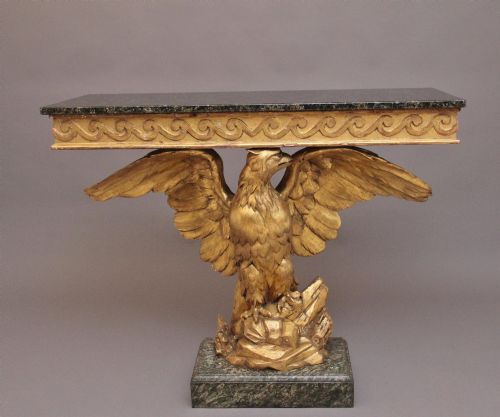
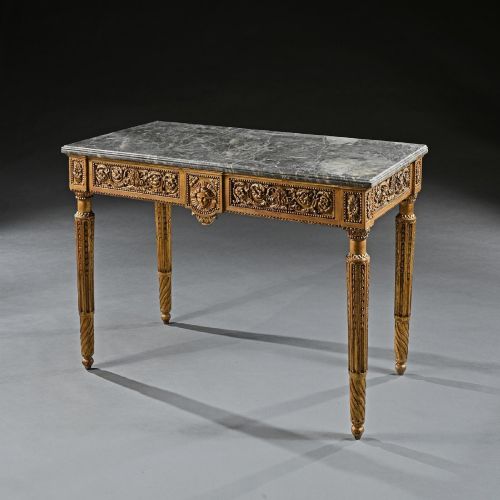
A gold carved table brings the rich presence of giltwood, gesso, and marble into a room through console, coffee, and side table forms.
Gold Carved Table
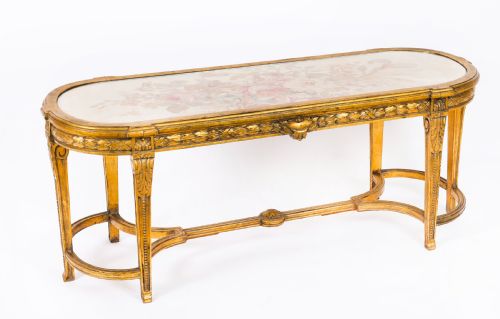
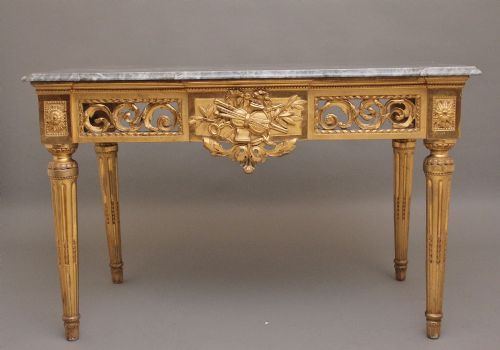
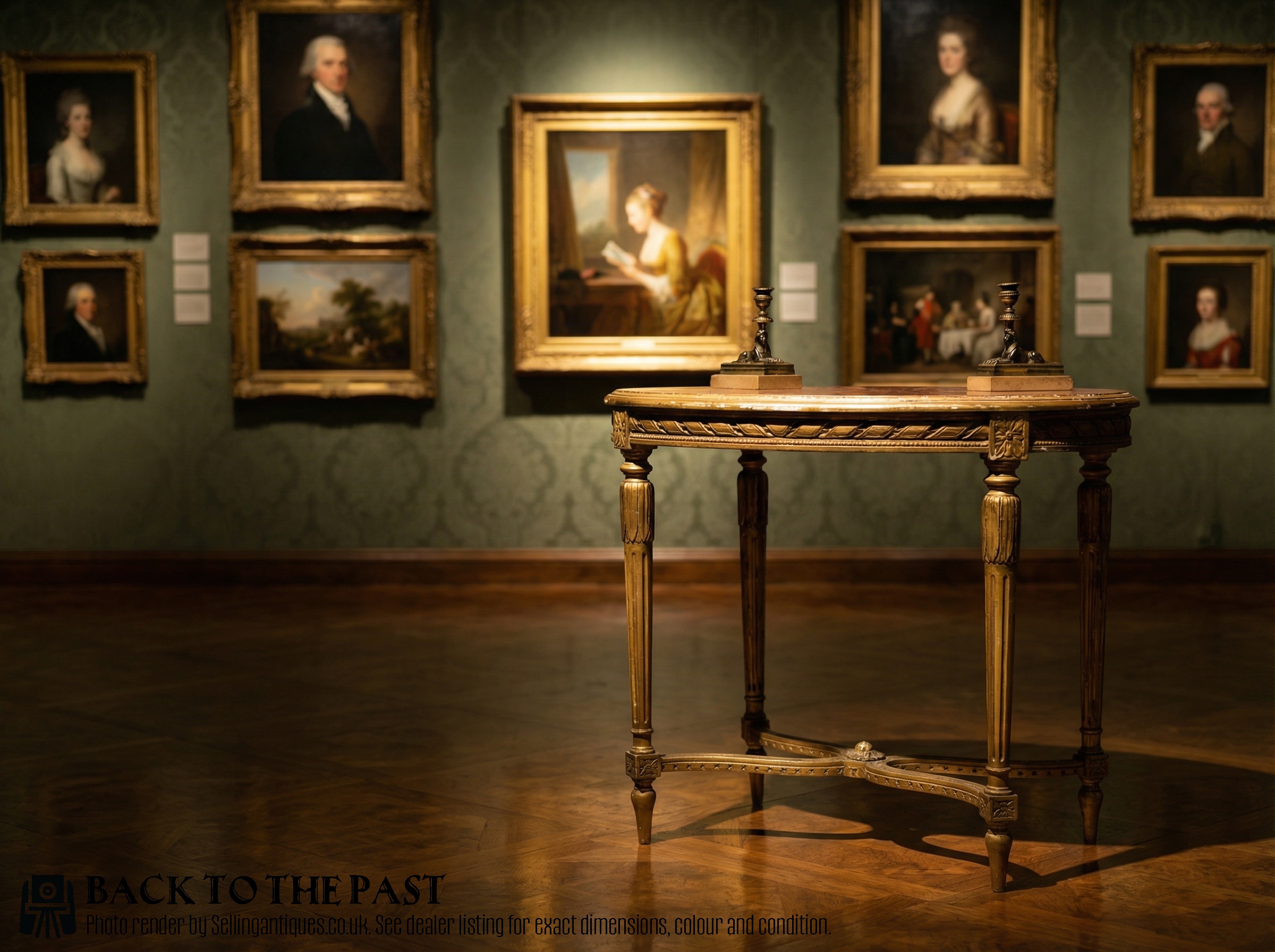
A gold carved table encompasses a variety of console tables, coffee tables, and side tables shaped from wood and finished with gilt or paint. These forms trace back through the eighteenth and nineteenth centuries, taking inspiration from French and Italian decorative traditions.
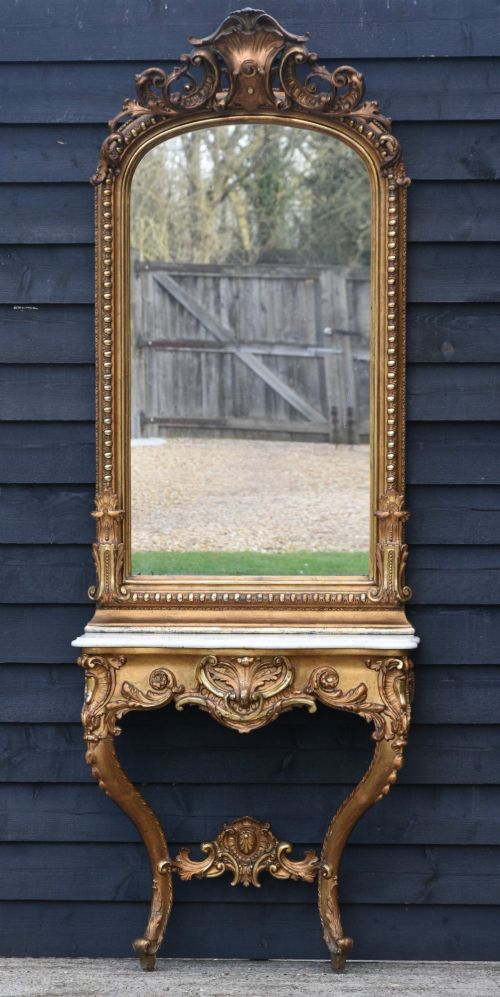
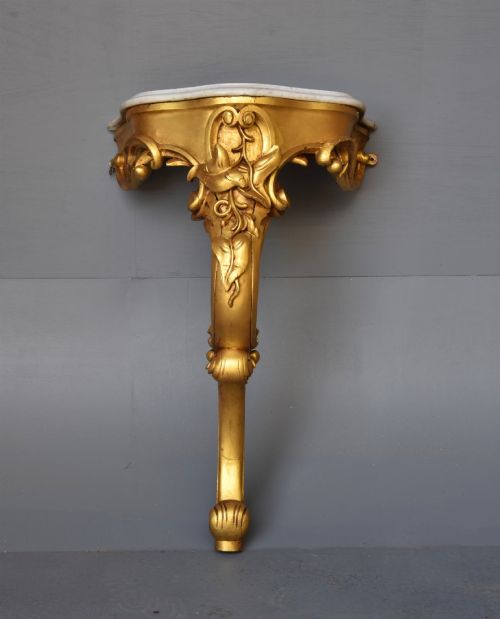
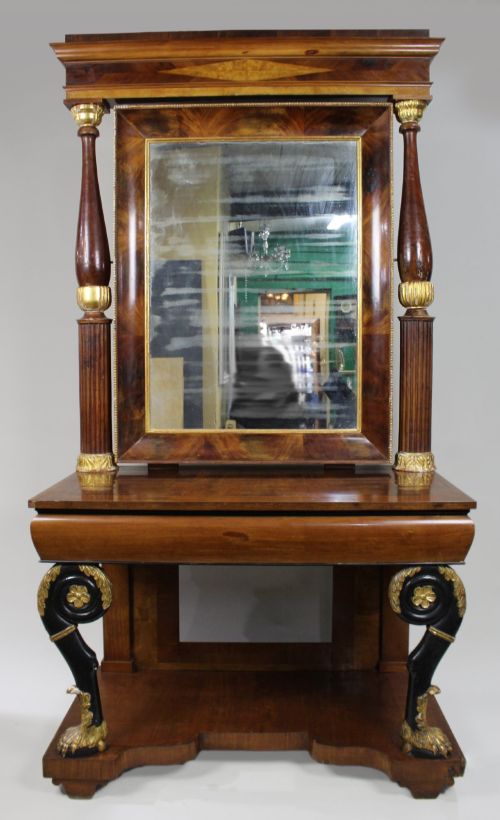
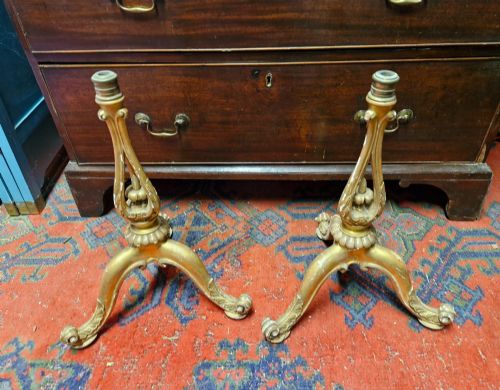
Console tables dominate the selection, frequently paired with marble tops and fitted for placement against a wall beneath a matching mirror. Alongside these large pieces, smaller low coffee tables and occasional tripod tables appear from later twentieth-century revivals.
Originating largely from English, French, and Italian workshops, these items reflect neoclassical, baroque, and rococo styles. The materials range from carved pine and walnut to applied gesso and gold leaf.
How they were made
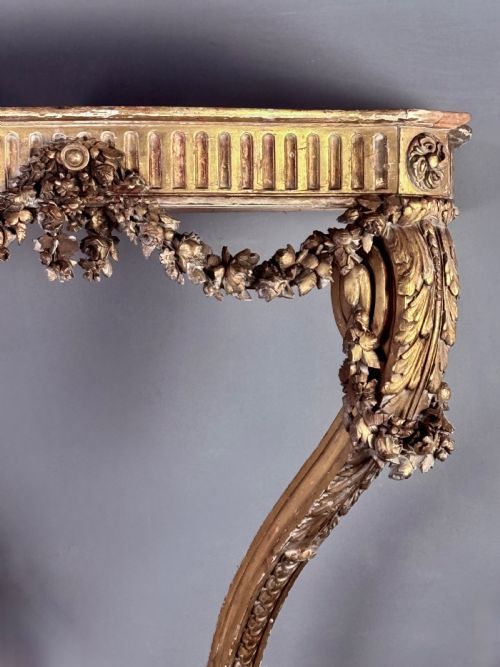
Makers shaped structural timber such as pine, walnut, and oak by hand, applying carved details like acanthus leaves, rams heads, and classical motifs directly into the wood. Structural stability depended on solid joinery before artisans readied the surface for gilding.
Workers layered gesso onto the carved wooden base to create a smooth, resilient ground for decoration. Gold leaf or gilt was then applied over the prepared surface, sometimes burnished to create contrasting matte and bright areas.
Many console tables received heavy stone inserts, notably marble or onyx slabs fitted precisely to the wooden frames. Ormolu mounts, brass details, and hand-painted polychrome finishes completed the construction of these decorative surfaces.
Keep an eye out for mythical creatures guarding your tea, as carved sphinxes and grinning Green Men occasionally peer out from nineteenth-century timber frames.
What varies in quality
The depth and definition of the wood carving distinguish higher-grade examples from simpler production. Crisp, undercut foliage and well-proportioned figural elements demonstrate skilled hand-carving rather than mass-produced moulding.
The application of the gilding and the preparation of the underlying gesso layer dictate the visual richness of the surface. Smooth, even gold leaf adhesion without modern metallic paints indicates superior craftsmanship.
The choice and thickness of the inset marble top affect the integrity of the piece. Authentic period stones with natural figuring provide structural weight and material authenticity missing in lighter replacements.
Felix-Alfred Ternisien·Amleto Bertoni·François Linke
The Gold Carved Table Glossary
- Giltwood
- Wood that has been coated with gold leaf or a gold-coloured metallic finish over a prepared gesso ground. This technique creates a luminous, reflective surface characteristic of formal antique furniture.
- Gesso
- A plaster-like mixture applied to wooden furniture frames to provide a smooth base for gilding or painting. It allows carvers to achieve sharp, detailed relief work before the gold leaf is laid down.
- Console table
- A table designed to stand against a wall, frequently supported by two front legs or brackets and secured to the wall structure. These pieces often feature decorative marble tops and ornate gilt frames.
- Ormolu
- Gilded bronze or brass mounts applied as decorative ornaments to furniture. This French technique adds metallic contrast and refined detail to wooden frames.
- Breche d'alep
- A type of variegated antique marble featuring rich tones of brown, cream, and purple. It appears frequently as the inset top on eighteenth and nineteenth-century console tables.
Gold Carved Table: Frequently Asked Questions
Where should I place a console table?
Console tables fit naturally in entrance halls, living rooms, and dining spaces where floor space is limited. Their shallow depth allows them to sit flush against a wall, often beneath a mirror or painting.
Pairing a gold carved table with a matching pier mirror creates a traditional focal point in a hallway or reception room. Because many versions feature finished backs or sit securely against walls, placement depends mainly on traffic flow and sightlines.
How do I care for giltwood?
Giltwood surfaces require gentle handling to protect the delicate gold leaf and underlying gesso layers. Dusting should be done lightly with a dry, soft brush rather than a cloth that might snag on carved details.
Keep these tables away from direct sunlight, excessive heat sources, and moisture to prevent the wood from warping and the gesso from cracking. Chemical polishes and liquid cleaners will strip the metallic finish and must be avoided entirely.
What is the difference between a console and a side table?
A console table is traditionally designed to stand against a wall and often relies on that wall for part of its physical stability. They frequently feature decorative fronts and plain backs.
A side table is a freestanding piece of furniture meant to be viewed from all angles within a room. While both can feature gold carving and marble tops, their original intended placement in a historic interior differs.
How do I identify a neoclassical style?
Neoclassical furniture draws inspiration from the art and architecture of classical Greece and Rome, emphasising symmetry, straight lines, and proportion. Look for motifs like fluted legs, urns, wreaths, and geometric patination.
This style emerged in reaction to the preceding curving asymmetry of rococo designs. Giltwood pieces from this period balance ornate gold finishes with strict architectural restraint.