
Gold Bronze Urns
Gold bronze urns bring classical elegance and intricate metalwork into a room, drawing the eye with their rich, gilded surfaces and sculptural forms.
Gold Bronze Urns
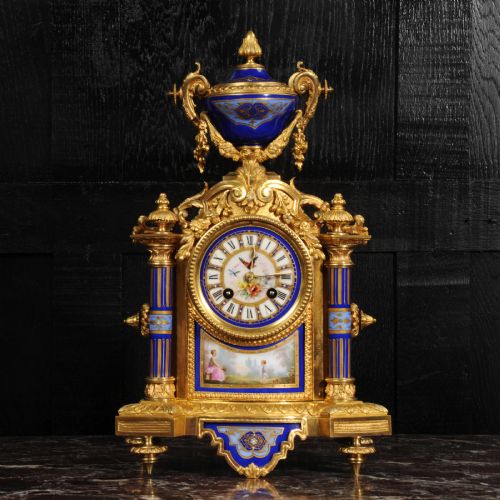
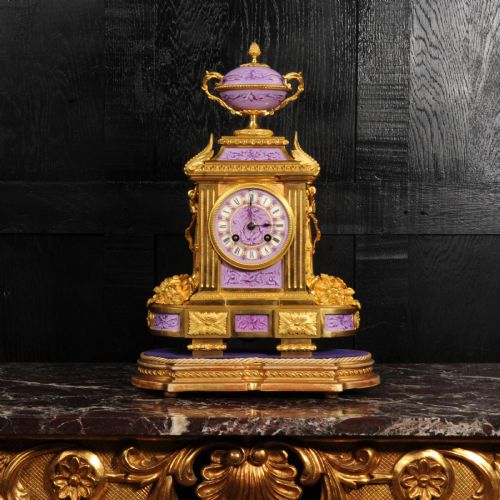
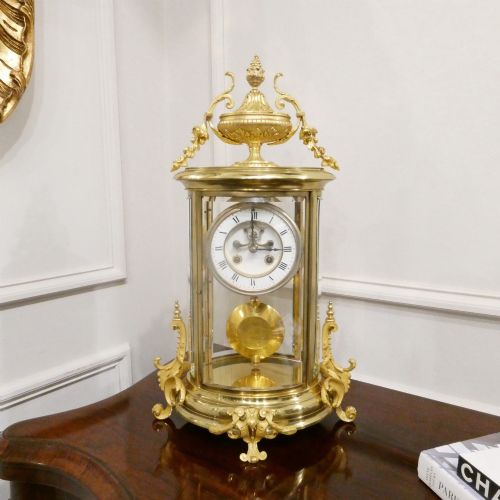
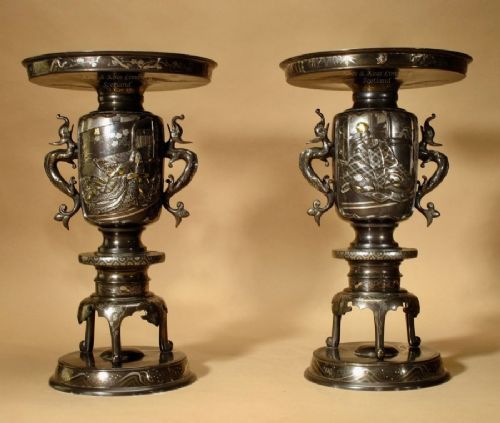
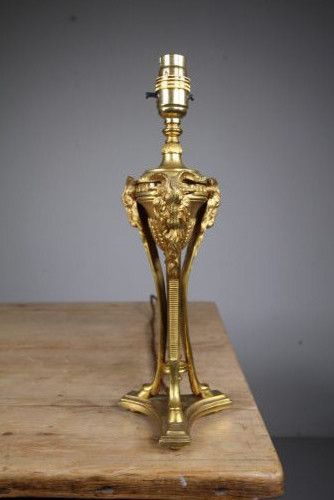
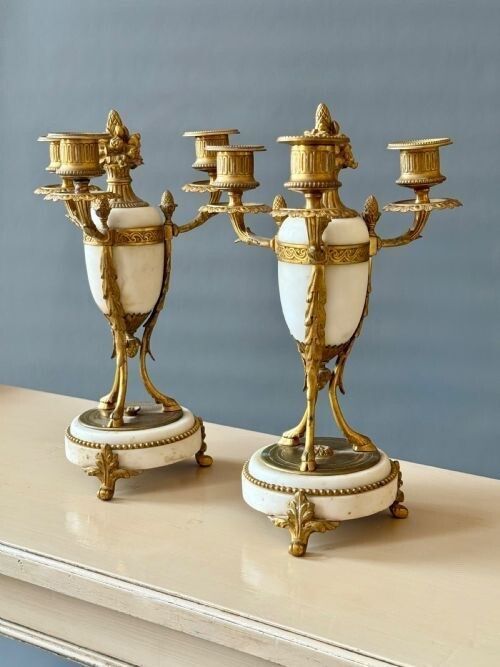
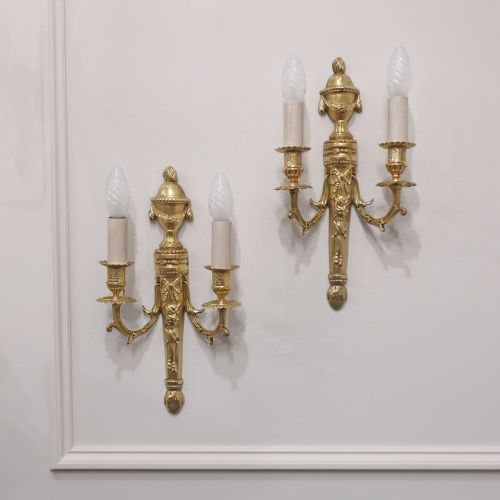
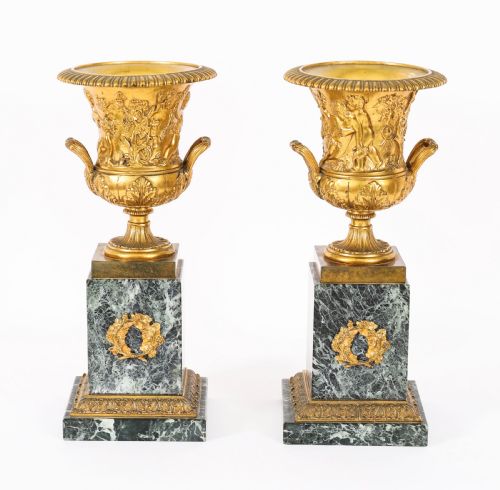
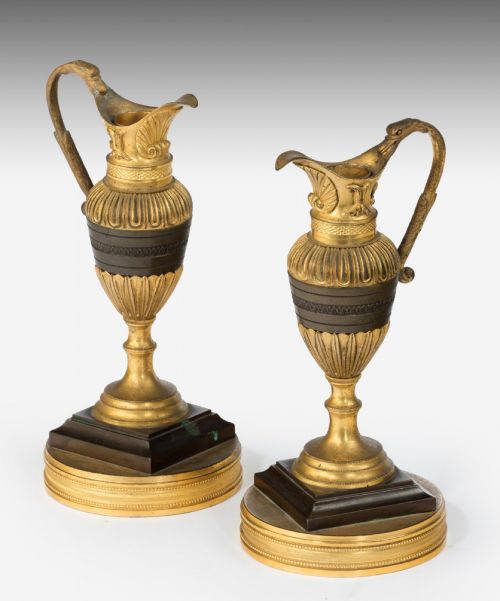
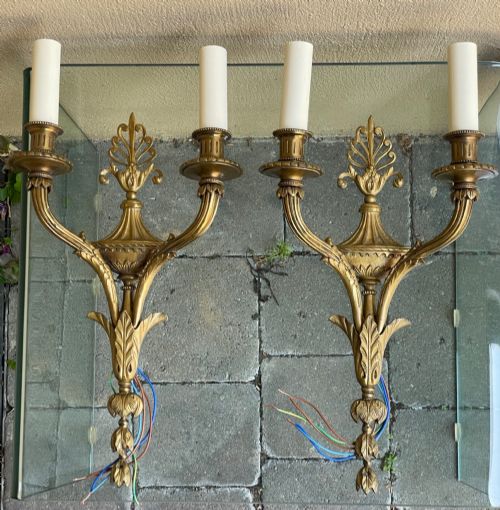
When buyers search for gold bronze urns, they encounter ornamental vessels, decorative table lamps, mantel clocks, and candelabras produced primarily during the nineteenth century. These objects often draw heavily on Neoclassical, Louis XVI, and French Empire styles, reflecting a deep Victorian and continental fascination with antiquity.
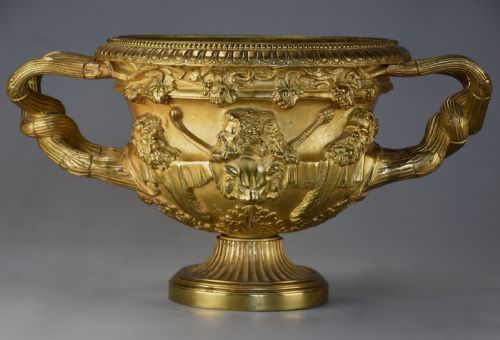
The most common examples on this page are French and English decorative pieces that combine cast metal with porcelain, enamel, or marble. Grand Tour souvenirs and inspired reductions of classical antiquities like the Warwick vase appear frequently among the selection.
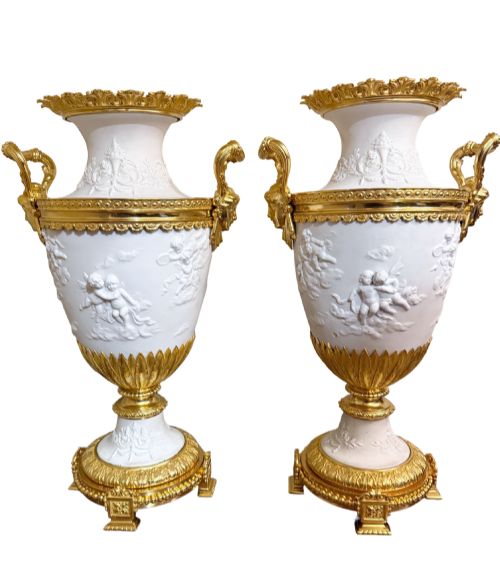
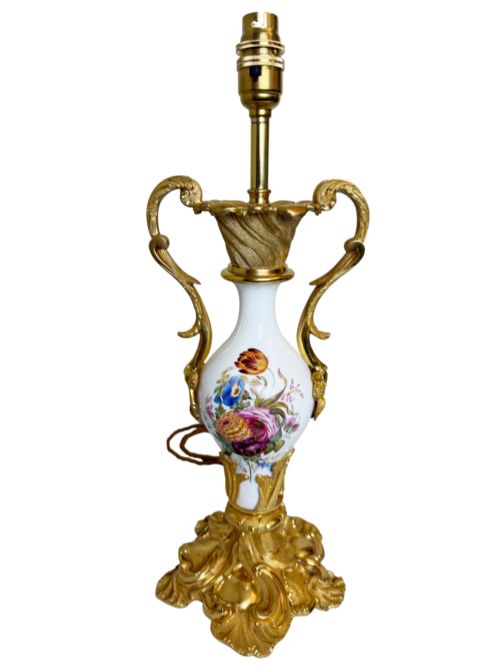
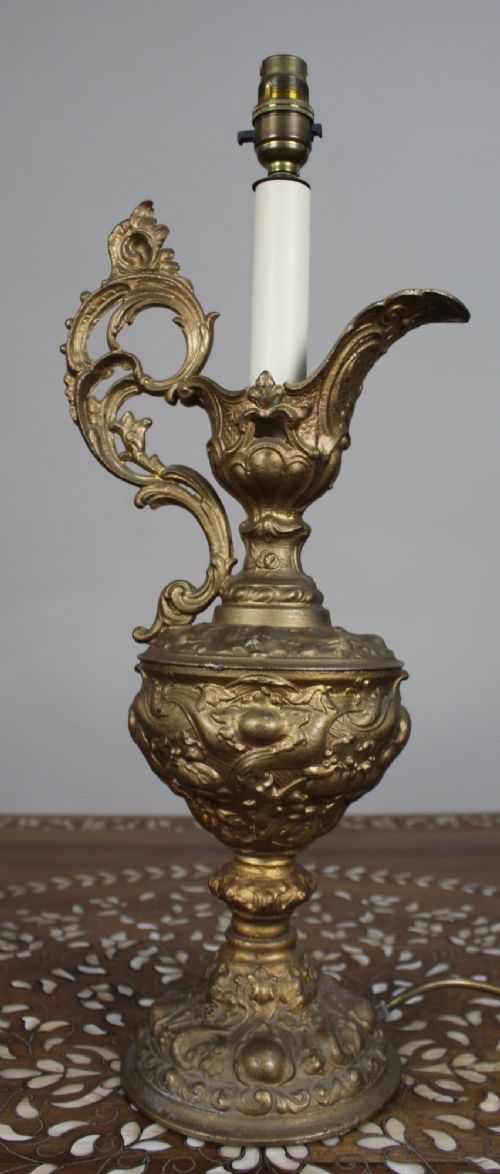
Many items serve a dual decorative and functional purpose, functioning as lidded urns, ewers, or converted table lamps. Their varied forms range from petite floral designs to large, imposing pairs flanked by ram's head masks or cherubs.
Materials and construction methods
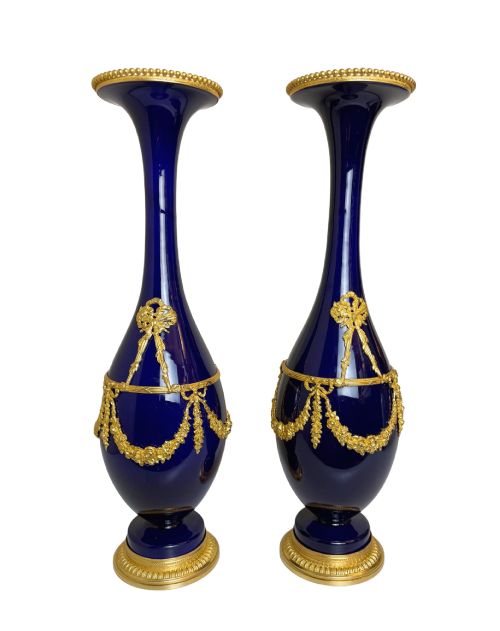
The objects rely fundamentally on bronze, brass, and ormolu, which is gilded bronze created through a mercury amalgamation technique or modern electroplating. Artisans frequently mounted these metal components upon white marble, Sienna marble, or glazed ceramic bodies.
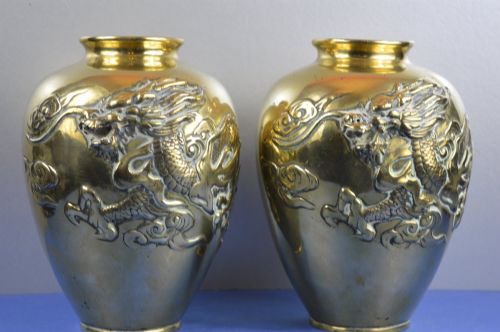
Casting methods allowed for high levels of detail, producing sharp acanthus leaves, figural cherubs, and classical drapery. Chasing and hand-finishing followed the initial cast to sharpen textures before the application of the characteristic gold-coloured finish.
Porcelain elements incorporated into these pieces often originate from Sevres or Chinese kilns, paired with custom-cast ormolu mounts designed to secure and elevate the ceramic body. Enamel work and champleve detailing add coloured geometric or floral panels to the metallic frames.
Gold Bronze Urns Retail Price Guide 2026
Typical asking prices for gold bronze urns among the pieces listed under this phrase on Sellingantiques today, from the lower quarter to the upper quarter. They describe what is for sale here now, not the wider market.
Distinctions in craftsmanship
The durability and richness of the gilding dictate much of the visual impact, with genuine fire-gilt surfaces showing a warm, deep lustre compared to flat modern paints. Heavier bronze weight and thicker marble bases also signal a higher grade of manufacture from established workshops.
Japy Freres·Achille Brocot·Samuel Marti·Casier
The Gold Bronze Urns Glossary
- Ormolu
- Gilded bronze, derived from the French term ouest-moulu meaning ground gold. It describes the golden metallic finish applied to decorative mounts on clocks, urns, and furniture.
- Grand Tour
- A traditional trip of Europe undertaken by upper-class young European men of means in the 18th and 19th centuries. Travellers frequently returned with bronzes, vases, and antiquities as souvenirs.
- Champleve
- An enamelling technique where troughs or cells are carved into the surface of a metal object and filled with vitreous enamel powder before firing. It creates colourful patterns flush with the metal dividers.
- Campana
- A bell-shaped classical urn form originating from ancient Roman pottery. These vessels feature a flared rim, deep body, and a stepped foot often set on a square plinth.
Gold Bronze Urns: Frequently Asked Questions
What are gold bronze urns made from?
These decorative objects are constructed primarily from cast bronze or brass treated with a gold-coloured finish known as ormolu. Many pieces incorporate additional materials such as white marble, porcelain, or glass.
Craftsmen often combined these elements to create contrasting textures and colours, pairing polished metal with smooth ceramic bodies or rich stone bases.
How do I clean ormolu and gilt bronze?
Maintenance requires only gentle dusting with a soft, dry brush to prevent the accumulation of dirt in intricate crevices. Avoid abrasive metal polishes and harsh liquids, which can strip away the delicate historical gilding.
Moisture should be kept away from both the metal surfaces and any integrated marble or porcelain components to preserve the original finish.
How can I tell the period of an antique urn?
Dating relies heavily on examining the casting techniques, wear patterns, and stylistic markers such as Neoclassical motifs or Victorian revival details. Nineteenth-century pieces frequently exhibit specific assembly methods like hand-cut screws and heavier bronze gauges.
Maker marks, signatures, or foundry stamps stamped directly into the metal base can also provide a reliable guide to the exact decade of manufacture.
Were these urns originally used for ashes?
Despite their traditional shape derived from ancient burial vessels, the vast majority of these decorative pieces were purely ornamental or functional items. Makers designed them as mantel ornaments, lamps, or architectural centerpieces for nineteenth-century drawing rooms.
Some feature lidded compartments that served as desk accessories, inkwells, or simply grand decorative statements rather than receptacles for remains.